
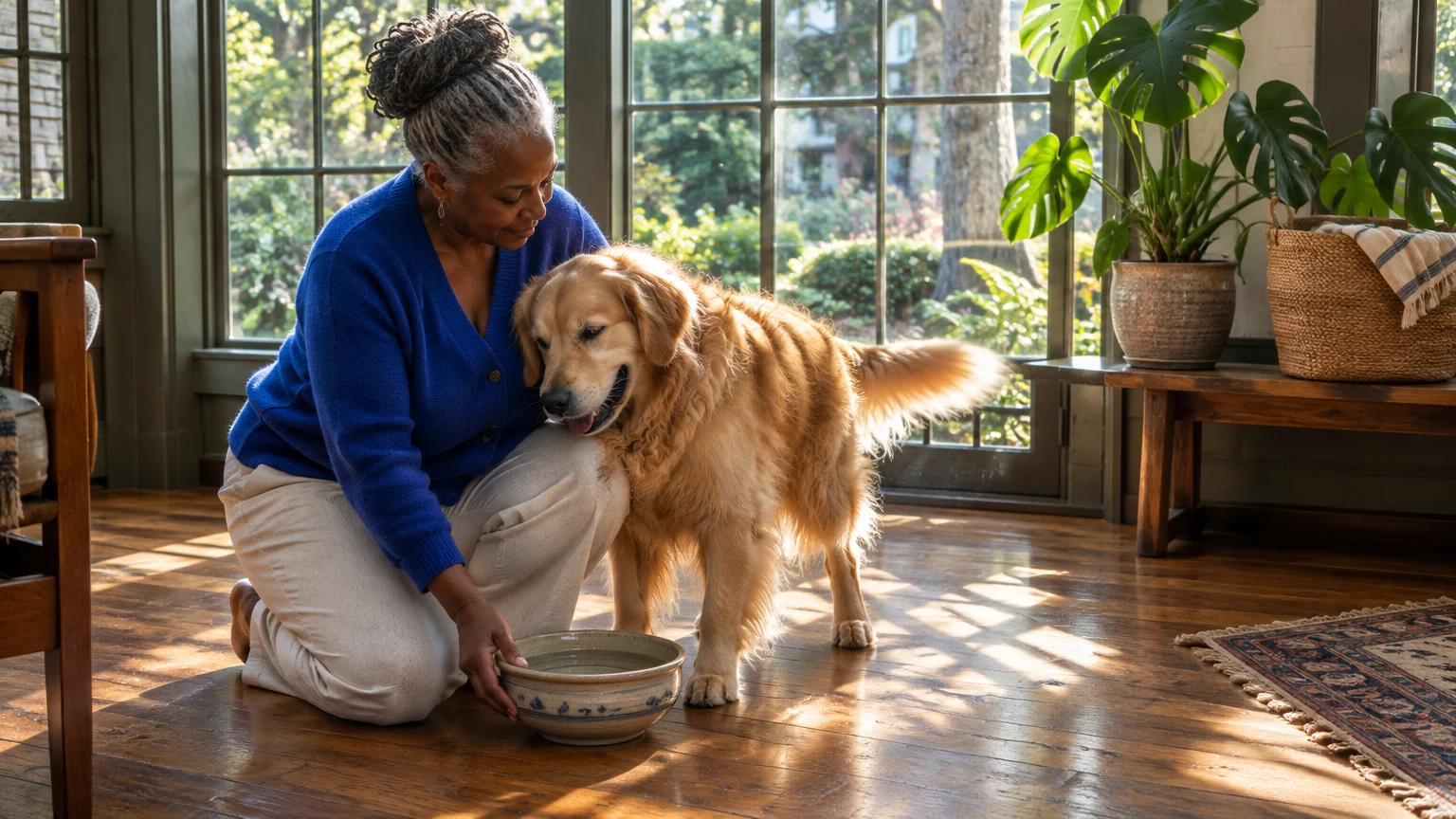
You can secure weeks of free lodging in expensive cities like Boston or Seattle by caring for homes and pets. As a 64-year-old homeowner, you possess an immediate 80% application acceptance edge over younger applicants on global sitting platforms.
Homeowners trust mature adults who understand household maintenance and calm animal handling. This advantage lets you trade pet care for comfortable private accommodations without paying commercial hotel rates.
This practical blueprint shows you how to leverage your background into reliable travel accommodations while protecting your time and safety.
In this guide8 sections
- The Mature Sitter Advantage: Why Homeowners Pick You First
- Comparing Platform Costs and Features
- Financial Breakdown: A Real-World Seattle Stay
- Step-by-Step Guide to Crafting a Winning Profile
- Screening Properties and Protecting Your Trip
- Managing Your Home Base While Away
- Critical Border Rules and International Restrictions
- Frequently Asked Questions

The Mature Sitter Advantage: Why Homeowners Pick You First
Property owners list their homes on exchange platforms because they want reliable caretakers rather than casual tourists. They fear loud parties, property damage, and neglect of their animals above all else.
Many sitters coordinate their schedules around public lands, turning local stays into opportunities for visiting national parks on a tight budget.
For retirees who enjoy mobile road journeys between assignments, budget camper van travel provides another affordable way to navigate between gigs.
Much like organic farm volunteering for seniors, house sitting lets you trade time and practical know-how for authentic local living experiences.
Mature applicants consistently dominate the selection process. When you apply for house sitting in retirement, your application signals emotional stability and domestic competence to anxious pet parents.
Homeowners recognize that someone who has maintained a property for decades understands practical household management. You know how to reset a tripped electrical breaker, shut off a water main, and handle unexpected delivery notices.
Retirees also provide animals with steady companionship. Younger travelers often spend fourteen hours a day touring attractions, leaving anxious dogs alone in unfamiliar environments.
Your willingness to maintain a regular daily routine appeals directly to owners of senior pets or animals requiring strict medication schedules. This background gives you a decisive advantage over twenty-something backpackers competing for the same listings.
- Homeowners prioritize mature applicants with demonstrable property management experience.
- Retired sitters offer flexible schedules and spend more daylight hours inside the home.
- Decades of pet companionship translate into superior handling of complex feeding and medication routines.
- Generational maturity reduces owner anxiety regarding unauthorized guests, parties, or property misuse.

Comparing Platform Costs and Features
Choosing the right membership site determines your listing access, search filters, and cancellation protections. Each network serves different geographic regions and operates under distinct fee structures.
Transit-savvy travelers can further slash transit expenses between destinations by leveraging the Amtrak senior discount guide for cross-country transit.
If you prefer domestic travel without driving, consider budgeting a cross-country train trip to connect sitting gigs in different regions.
TrustedHousesitters offers the largest volume of high-end suburban and metropolitan homes in cities like Boston, Seattle, and San Diego. However, their multi-tiered pricing requires careful evaluation before purchasing.
Regional platforms like House Sitters America charge lower annual fees and focus entirely on domestic US listings. These options work well if you prefer exploring small towns or driving between regional assignments.
| Platform & Membership Tier | Annual Sitter Fee | Per-Sit Booking Fee | Cancellation Lodging Guarantee | Primary Market Focus |
|---|---|---|---|---|
| TrustedHousesitters (Basic) | $129 | $12 | None | Global & Major US Cities |
| TrustedHousesitters (Standard) | $169 | $12 | None | Global & Major US Cities |
| TrustedHousesitters (Premium) | $259 | $0 | Up to $150/night ($1,500 annual cap) | Global & Major US Cities |
| House Sitters America | $49 | $0 | None | United States Exclusively |
| MindMyHouse | $29 | $0 | None | Budget Global & Rural |
| HouseCarers | $50 | $0 | None | Australia, US, & Global |
All US sitters using TrustedHousesitters must clear a mandatory third-party background screening before submitting applications. This check verifies identity and cross-references criminal and sex-offender registries.
Independent platforms like MindMyHouse require sitters to upload official government identification for identity verification. Completing these security checks immediately boosts your credibility across all search results.

Financial Breakdown: A Real-World Seattle Stay
To evaluate the financial payoff, consider a realistic 21-night sitting assignment in Seattle, Washington during peak summer travel. A 64-year-old retiree agrees to care for a seven-year-old Golden Retriever in a residential Queen Anne townhouse.
Eliminating accommodations is just one way of cutting retirement costs with lifestyle adjustments that keep fixed overhead manageable.
Commercial lodging in Seattle during June averages $245 per night. When you add the mandatory 15.7% Seattle hotel occupancy tax, standard lodging costs reach $283.47 per night.
A three-week commercial hotel stay totals $5,952.87 in room charges and taxes alone. Booking an equivalent short-term apartment rental through mainstream booking sites rarely yields significant savings once cleaning and platform fees apply.
Using TrustedHousesitters under a Standard membership plan requires a fixed $169 annual fee. The mandatory per-sit booking fee adds $12, creating a direct lodging overhead of $181 for the entire trip.
Living inside a fully equipped home also slashes everyday food expenses. Access to a full kitchen reduces restaurant dining, lowering your three-week grocery and dining outlay to roughly $450.
“A penny saved is a penny earned.” — Benjamin Franklin
Subtracting your $181 platform expenses from the $5,952.87 hotel baseline produces a net lodging savings of $5,771.87 on one assignment. If you maintain low baseline costs at home, this approach delivers extended vacations on an everyday retirement budget.
You can evaluate long-term travel budgeting techniques through resources provided by AARP. Pairing organized travel planning with low fixed housing overhead creates exceptional long-term financial flexibility.

Step-by-Step Guide to Crafting a Winning Profile
Securing competitive assignments in destination cities requires an optimized profile that highlights your reliability. Follow these five sequential steps to present your qualifications effectively.
Those looking to spend colder months abroad might also consider planning a 30-day winter stay in Spain using similar prolonged caretaking arrangements.
For international opportunities, pairing your profile with off-season European travel gives you a huge advantage during periods of lower competition.
- Complete your mandatory criminal background check and upload a government-issued photo ID immediately after account registration. Verified verification badges display prominently on your search listing and build immediate trust.
- Upload six to eight clear, high-resolution photographs showing you actively interacting with animals. Include images where you walk dogs on leashes, brush cats, or sit comfortably in clean home environments.
- Draft an introductory summary that emphasizes your homeownership background and practical life skills. State clearly that you own your primary residence and understand how to manage plumbing emergencies, security systems, and routine yard care.
- Collect three verified character references from previous landlords, neighbors, or professional colleagues before submitting applications. Platform algorithms reward profiles with verified external references by ranking them higher in owner applicant feeds.
- Set up automated search alerts on your mobile device for specific destination neighborhoods. High-demand listings in cities like Boston or Seattle often close to new applicants after receiving five submissions.
When writing your profile biography, describe your daily availability in specific terms. Note whether you wake up early for dog walking routines or spend afternoons reading indoors alongside quiet pets.
Avoid generic phrases about wanting cheap vacations. Homeowners want sitters focused entirely on pet care, property cleanliness, and clear communication.

Screening Properties and Protecting Your Trip
Never accept a sitting assignment without conducting a comprehensive video interview through Zoom, FaceTime, or WhatsApp. A live video conversation lets you inspect the condition of the home and evaluate animal behavior.
Extended international gigs follow a similar blueprint to a winter slow-travel stay in Portugal’s Algarve, where thorough planning ensures stress-free living.
Ask the homeowner to walk through their living space with their smartphone camera during the call. This allows you to verify cleanliness, examine sleeping arrangements, and confirm the general safety of the neighborhood.
Examine the exact daily care requirements for every animal on the property. Clarify feeding times, daily exercise durations, and any required medication administration before making a travel commitment.
- Aggressive behavior history or severe separation anxiety that prevents you from leaving the home for more than two hours.
- Dirty living areas, pest infestations, or broken plumbing fixtures visible during your virtual video walk-through.
- Vague answers regarding primary veterinary contact details or refusal to leave an emergency credit card authorization on file.
- Requests to perform extensive manual labor, heavy landscaping tasks, or pool maintenance unrelated to standard house-sitting duties.
- Unclear expectations regarding who pays for household consumables like cleaning supplies, heating fuel, or pet food refills.
Request written veterinary authorization before the homeowner departs for their trip. The owner must notify their local veterinary clinic that you hold temporary medical decision-making authority during emergencies.
Always confirm an alternative local emergency contact person. You need a trusted local friend or relative of the homeowner who can take physical custody of the pets if you experience a medical emergency.
Managing Your Home Base While Away
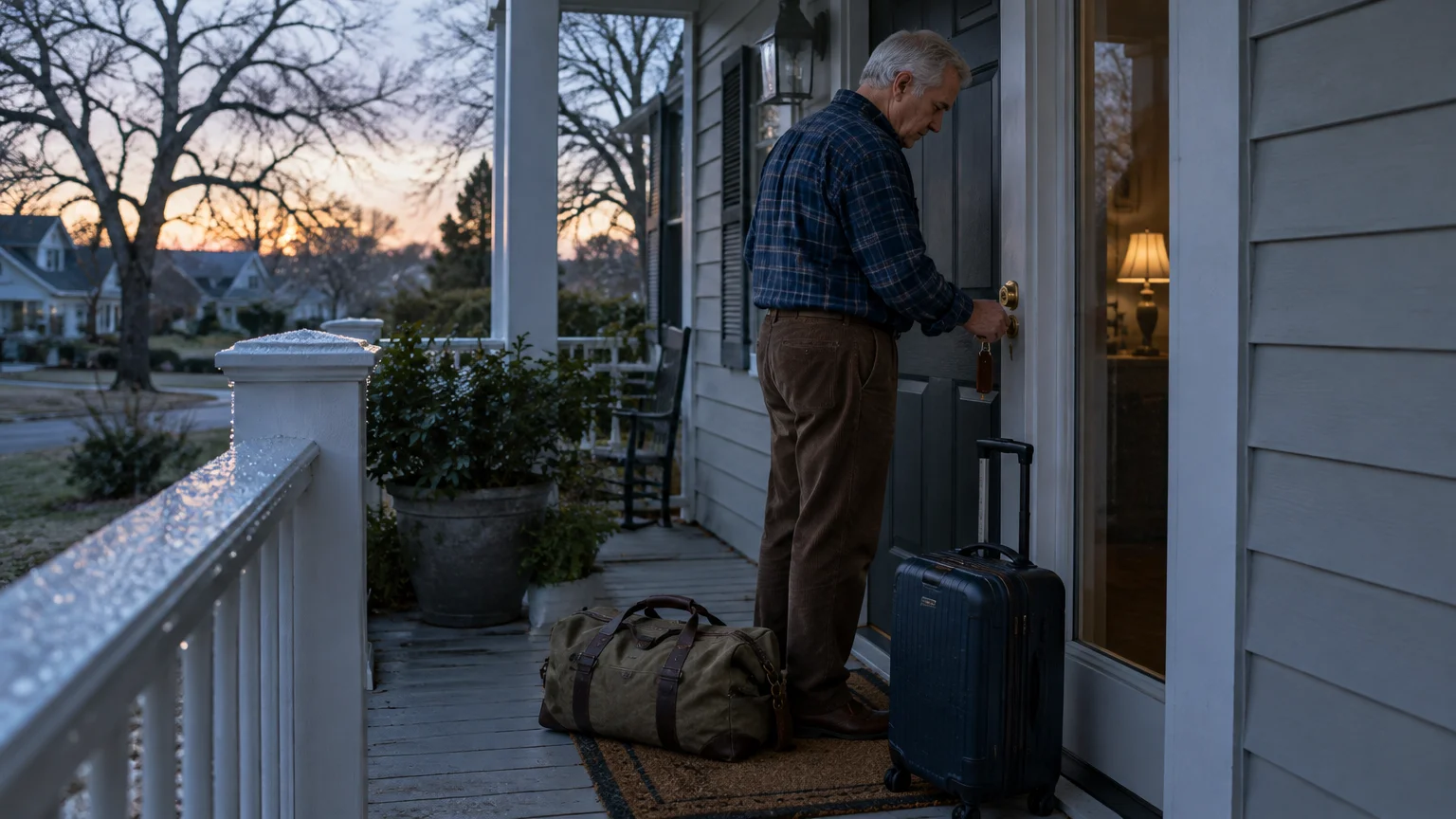
Leaving your primary residence unoccupied for multiple weeks requires systematic preparation. You must protect your home against water leaks, package theft, and utility interruptions while you travel.
Minimizing recurring household overhead while you are on the road is one of the smartest ways of cutting retirement costs overall.
Automate all recurring utility and mortgage obligations through electronic bank drafts before departure. Consult the Consumer Financial Protection Bureau for guidelines on secure automated bill payments and fraud alerts while traveling.
Shut off the main interior water supply valve to your house before leaving on assignments lasting longer than seven days. Water damage from ruptured washing machine hoses or failed water heaters causes severe structural destruction when undetected.
Arrange for the United States Postal Service to hold your mail, or direct a trusted neighbor to collect physical deliveries daily. Overflowing mailboxes signal an empty house to neighborhood prowlers.
- Set interior water heater controls to low or vacation mode to minimize baseline energy consumption.
- Install digital timers on interior living room lamps to maintain an active, occupied appearance at night.
- Adjust your central thermostat to 55 degrees Fahrenheit during winter or 82 degrees Fahrenheit during summer.
- Unplug sensitive consumer electronics and small kitchen appliances to protect against electrical power surges.
- Inform your local homeowners insurance provider regarding planned travel durations to ensure continuous policy compliance.
House sitting arrangements operate strictly as non-monetary property and pet care exchanges. Review rules on the IRS website to confirm that non-commercial barter arrangements without cash compensation do not generate taxable gross income.
Critical Border Rules and International Restrictions
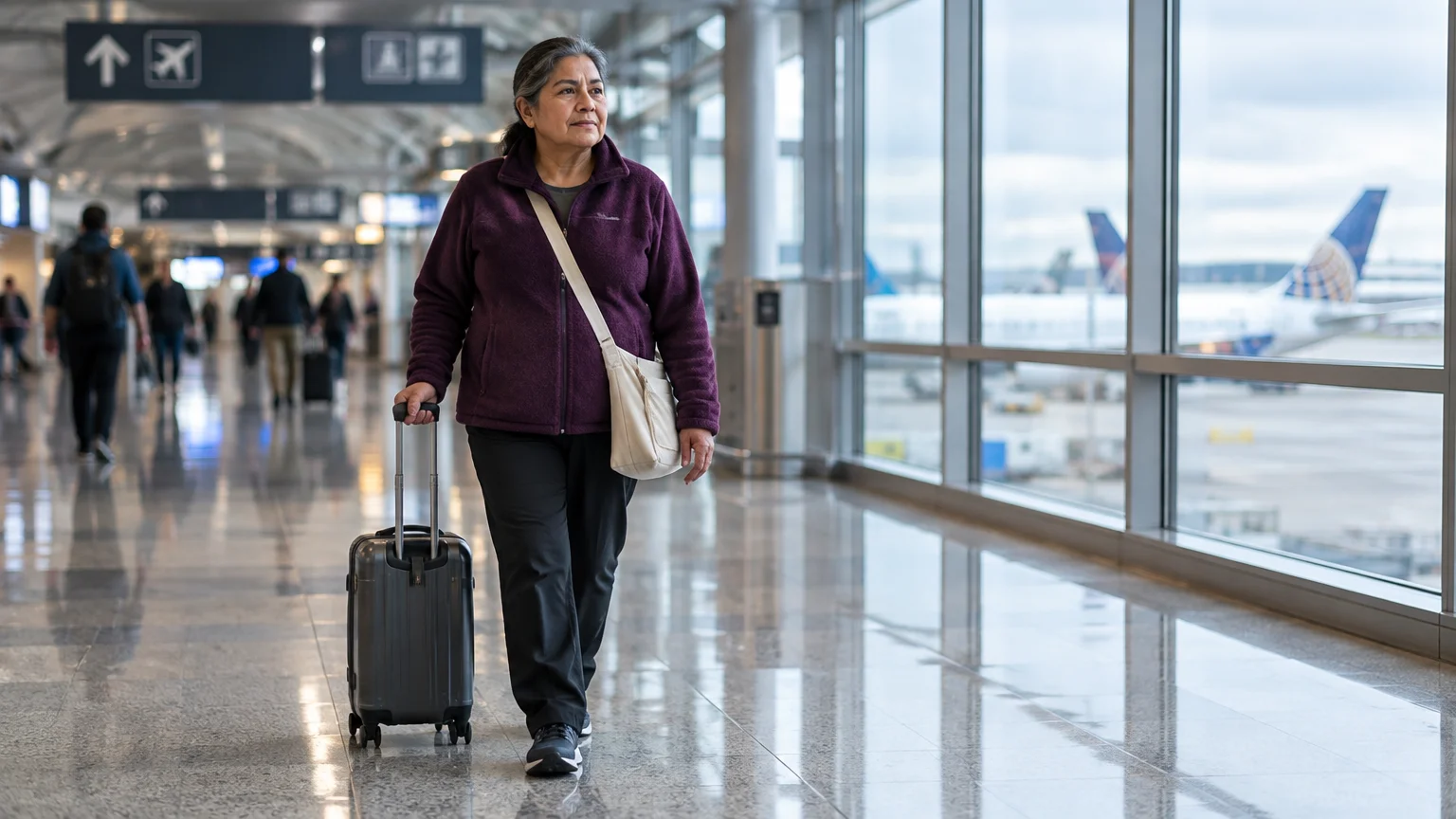
Traveling overseas to house-sit introduces severe immigration complications that many retirees overlook. Border enforcement agencies in several major nations enforce strict definitions regarding what constitutes unauthorized labor.
Immigration authorities in the United Kingdom, Canada, Australia, and the United States classify unpaid house sitting as unauthorized employment. Because you receive free lodging, border agents treat accommodations as non-monetary compensation, or payment in kind.
Entering these countries on standard tourist visas or visa waiver programs to house-sit violates visitor regulations. Travelers arriving with letters from exchange platforms have faced formal entry denials, airport detentions, and multi-year entry bans.
If you plan international sits, verify immigration laws with the destination country’s embassy prior to departure. Never assume that the lack of cash compensation exempts your stay from local employment prohibitions.
Domestic sits within the United States eliminate these legal immigration hurdles entirely for American citizens. Sticking to domestic travel allows you to explore premier coastal cities without navigating foreign border checkpoints.
- Review the specific visitor entry restrictions of foreign nations before scheduling international sitting assignments.
- Carry clear documentation establishing your primary US residence, local community ties, and ongoing financial solvency.
- Avoid using sitting exchange platforms as your stated primary purpose of entry at foreign border inspections.
- Prioritize extensive domestic travel routes across the United States to eliminate visa compliance risks completely.
Focusing on free travel lodging seniors can secure across the United States provides thousands of destination choices. You can explore new regions each season while avoiding foreign immigration red tape.
Frequently Asked Questions
Is house sitting truly free, or are there hidden fees?
House sitting involves no nightly lodging fees, but it is not completely free. You must pay annual platform membership fees, per-sit booking charges on certain tiers, your personal transportation, and everyday groceries.
What happens if a homeowner cancels after I purchase my plane tickets?
Basic platform memberships offer no financial protection against homeowner cancellations. Premium tiers on platforms like TrustedHousesitters provide up to $150 per night in emergency hotel reimbursement, capped at $1,500 annually.
Can my spouse or partner join me on house sits?
Yes, most platforms allow couples to sit together under a shared profile. You must disclose your partner on your profile and obtain explicit homeowner approval before confirming the reservation.
Do I need professional pet care experience to qualify?
No professional pet sitting credentials are required to join matching platforms. Demonstrating a lifetime of responsible pet ownership, home maintenance, and reliable character references provides sufficient qualification for most homeowners.
Can I house-sit internationally on a regular tourist visa?
Border agencies in nations like the UK and Canada legally define unpaid house sitting as unauthorized work. Attempting to enter these nations on a standard tourist visa to house-sit can result in entry denial and deportation.
Disclaimer: This article is for informational purposes only. Benefits, programs, and regulations can change.
We encourage readers to verify current information with official government sources and consult with qualified professionals for personalized advice.



1 Comment