

You can fund two complete domestic week-long vacations every year without carrying high-interest credit card debt on a fixed $4,200 monthly Social Security income. The solution is an automated percentage sweep that moves cash into a dedicated travel reserve before your household starts its monthly spending.
Most standard budgets tell you to save whatever money remains at the end of the month. Front-loading a set 7.5% allocation alongside seasonal utility surpluses guarantees that your vacation balances build steadily on schedule.
This practical guide outlines the precise steps to establish your accounts, capture seasonal windfalls, and protect your living expenses while traveling.
In this guide9 sections
- The Real Cost of Retirement Travel on a Fixed Income
- The 7.5 Percent Front-Loaded Allocation System
- Choosing the Right High-Yield Sinking Fund Account
- How to Sweep Incidental Seasonal Savings into Travel Cash
- Worked Example: Funding Two Annual Week-Long Trips on $4,200 a Month
- Maximizing Travel Purchasing Power with Senior Passes and Timing
- Budgeting for Healthcare Gaps and Travel Protection
- Step-by-Step Implementation Guide for Your Travel Account
- Frequently Asked Questions

The Real Cost of Retirement Travel on a Fixed Income
Leisure travel remains a major priority for older Americans. Research shows that 86% of adults aged 50 and older rank vacations as one of their top three discretionary spending priorities.
Learning practical techniques for budgeting for travel in retirement allows you to enjoy memorable adventures without threatening your day-to-day security.
However, cost remains the primary obstacle. Roughly 39% to 45% of older adults report that trip expenses prevent them from traveling as often as they prefer.
Industry benchmarks show older travelers spend an average of $6,847 to $7,292 per year across three to four trips. Absorbing that cost without dedicated savings strains a fixed monthly budget.
When you live on $4,200 a month in Social Security, an unplanned $2,000 trip easily turns into revolving credit debt. Average credit card interest rates hover near 21%, turning a modest getaway into a multi-year financial drain.
A retirement travel sinking fund prevents this cycle. You allocate money continuously toward a designated bank account, paying for flights, lodging, and meals before you pack your bags.

The 7.5 Percent Front-Loaded Allocation System
A sinking fund works best when you automate your deposits around fixed pay schedules. Rather than guessing what you can afford, assign a flat 7.5% share of your monthly income directly to travel.
On a $4,200 joint Social Security income, a 7.5% allocation equals exactly $315 per month. Over twelve months, these automatic contributions create a reliable $3,780 travel baseline.
You must schedule this transfer immediately after your benefit payment arrives. Check the payment calendar from the Social Security Administration to coordinate your transfer on your designated Wednesday payout date.
Moving funds on deposit day removes the temptation to spend discretionary dollars on retail purchases. Your travel dreams become a mandatory household line item rather than an afterthought.
To keep your everyday cash flow stable while saving 7.5%, follow these core allocation rules:
- Treat the $315 monthly transfer as an untouchable utility bill.
- Never borrow from your primary emergency fund to pay for discretionary travel.
- Pause discretionary shopping during months that have unexpected vehicle or home repairs.
- Keep your vacation account completely separate from your primary checking balance.

Choosing the Right High-Yield Sinking Fund Account
Where you store your vacation savings directly affects your purchasing power. Traditional brick-and-mortar savings accounts pay a national average rate of only 0.38% APY, which forfeits passive earnings.
Top nationally available high-yield savings accounts pay between 3.80% and 4.30% APY. Maintaining an average balance of $2,500 in a high-yield account adds roughly $100 in risk-free interest annually.
Verify that your financial institution carries federal deposit insurance. The Consumer Financial Protection Bureau reminds depositors that federal coverage protects balances up to $250,000 per depositor, per institution, per account category.
Look for digital banks that offer sub-accounts or savings buckets. These features let you label separate pools of money within one master account, such as Spring Mountain Trip and Autumn Beach Vacation.
| Account Type | Typical APY Range | Withdrawal Liquidity | Fit for Retirement Travel Funds |
|---|---|---|---|
| High-Yield Savings Account | 3.80% to 4.30% | Immediate transfer (1–2 business days) | Ideal balance of yield and accessible cash |
| Traditional Bank Savings | 0.01% to 0.40% | Instant branch or ATM access | Poor yield leaves money vulnerable to inflation |
| 6-Month Certificate of Deposit | 4.00% to 4.50% | Locked until fixed maturity date | Helpful for locking funds, but lacks monthly sweep flexibility |
| Standard Checking Account | 0.00% to 0.05% | Instant debit card point of sale | High risk of accidental spending on daily bills |
How to Sweep Incidental Seasonal Savings into Travel Cash
A baseline monthly allocation of $315 builds a sturdy foundation, but seasonal household fluctuations offer extra cash. Sweeping these periodic windfalls directly into your vacation fund speeds up your progress.
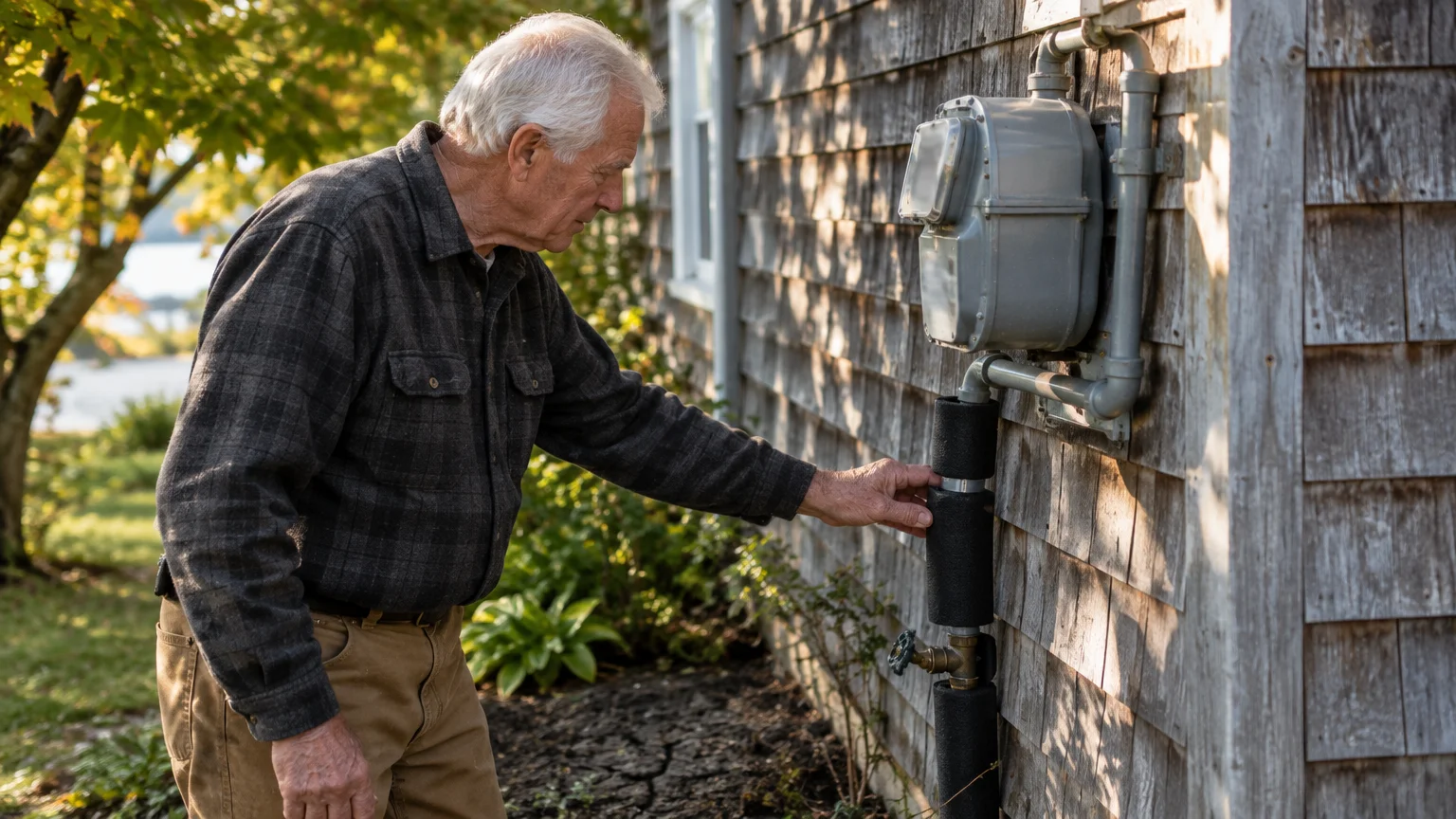
Home heating and cooling expenses change dramatically throughout the year. Homeowners routinely spend $100 to $150 less per month during the temperate months of April, May, September, and October.
Capture this variance by maintaining your utility payment line item at peak levels in your spending tracker. Transfer the unspent utility difference directly into your vacation bucket each spring and autumn.
Incidental grocery savings and insurance billing cycles provide another source of travel cash. Shifting these irregular surpluses prevents lifestyle creep and expands your annual holiday budget.
Take advantage of these specific incidental sources throughout the year:
- Spring heating cost drops: Sweep $75 to $125 monthly when furnaces cycle off.
- Semi-annual auto insurance discounts: Sweep payment variances from paid-in-full premium discounts.
- Prescription tier changes: Sweep medication copay savings after meeting Medicare Part D thresholds.
- Garden harvest reductions: Sweep $40 to $60 monthly in summer when home produce cuts grocery bills.

Worked Example: Funding Two Annual Week-Long Trips on $4,200 a Month
Consider a retired couple receiving a combined $4,200 per month in Social Security benefits. They want to take two 7-night domestic road trips every year: one in May and one in October.
Establishing mutual goals through careful retirement budgeting for couples helps both partners stay aligned when allocating money toward shared travel.
Their annual goal is $4,200, which equals exactly one month of gross benefits. By relying on their monthly percentage sweeps, they collect the necessary cash without touching other investments.
They contribute 7.5% of their benefits each month, yielding $3,780 across the full year ($315 per month). In spring, mild weather saves them $80 monthly for three months, adding $240 to their fund.
A cash-back rewards check adds another $80 in September, and their high-yield account generates $100 in annual interest. These sources total $4,200 in clean, debt-free travel capital.
Their vacation spending breaks down into two distinct budgets:
- May Trip (Blue Ridge Mountains, 7 Nights): $1,050 cabin rental, $280 fuel, $450 groceries and meals, $220 recreation fees. Total: $2,000.
- October Trip (Gulf Coast, 7 Nights): $1,150 coastal condo, $290 fuel, $510 seafood dinners and groceries, $250 park tours. Total: $2,200.
Because they prepaid their lodging and set aside fuel and grocery cash in advance, they return home with zero credit card balances.

Maximizing Travel Purchasing Power with Senior Passes and Timing
Building a travel sinking fund requires both saving discipline and smart spending. Since retirees control their own weekly schedules, you can avoid peak pricing by traveling during shoulder seasons.
Booking vacation rentals from Sunday through Thursday often yields rates 20% to 35% lower than weekend stays. Avoiding summer school breaks and holiday weekends protects your sinking fund balances.
Federal passes deliver exceptional value for domestic sightseeing. U.S. citizens aged 62 and older can buy an America the Beautiful Senior Pass from the National Park Service.
The lifetime senior pass costs $80, while an annual pass costs $20 (plus a $10 processing fee for mail or online orders). It covers entrance fees at over 2,000 federal recreation sites and cuts select federal camping fees in half.
Organizations like AARP provide verified lodging and rental car discounts of 10% to 20% for older adults. Pairing off-peak travel dates with these discounts ensures your savings fund travels twice as far.
To get maximum value from your travel sinking fund, apply these cost-control strategies:
- Plan trips for May or September to capture shoulder-season hotel pricing.
- Prepare breakfast and lunch in your rental kitchen to reduce daily restaurant expenses.
- Use the America the Beautiful Senior Pass to eliminate entrance fees at national parks and federal lakes.
- Book road trips within an eight-hour driving radius to avoid costly car rentals and airport baggage fees.

Budgeting for Healthcare Gaps and Travel Protection
A realistic travel sinking fund must account for healthcare realities while you are away from home. Domestic and international trips carry different insurance rules that directly affect out-of-pocket costs.
Original Medicare (Parts A and B) provides coverage across all fifty states and U.S. territories. As long as your domestic healthcare provider accepts Medicare, your standard benefit rules apply.
If you have a Medicare Advantage plan, check your network guidelines before leaving home. Out-of-network care may incur high deductibles unless you require emergency treatment.
International travel requires extra planning because Original Medicare offers zero foreign medical coverage. Medical emergencies and medical evacuations outside the country must be paid entirely out of pocket without supplemental policies.
According to Medicare.gov, Medigap Plans C, D, F, G, M, and N provide limited foreign travel emergency care. They cover 80% of billed charges after a $250 annual deductible, up to a strict $50,000 lifetime limit during your first 60 days of travel.
Retirees crossing international borders must budget for standalone travel health insurance inside their sinking fund. Setting aside $150 to $250 per trip safeguards your core retirement funds against surprise medical bills.

Step-by-Step Implementation Guide for Your Travel Account
Setting up your travel sinking fund requires just an hour of administrative work. Once completed, your system runs on autopilot every single month.
Follow these five steps to launch your retirement travel sinking fund:
- Open an FDIC-insured high-yield savings account separate from your day-to-day checking account.
- Set an automated monthly recurring transfer of $315 scheduled two days after your Social Security benefit deposit.
- Activate account sub-buckets to divide your savings equally between your spring and autumn vacation goals.
- Review your household heating, cooling, and water bills at the end of each season and transfer any surplus cash.
- Pay for all trip reservations using your dedicated travel funds to ensure you carry zero credit balances.
Frequently Asked Questions
How much should a retired couple keep in a travel sinking fund?
A couple living on $4,200 monthly should aim for an annual balance of $3,500 to $4,200. This provides enough money to cover two comfortable week-long domestic trips every year without accumulating debt.
Can I use a certificate of deposit for my travel sinking fund?
Short-term CDs work well for storing lump sums, but they do not accommodate monthly automated deposits. A high-yield savings account with sub-buckets offers the best balance of monthly sweep flexibility and competitive interest.
What happens to my vacation fund if I face an unexpected home repair?
You can pause your automated monthly travel transfers to direct new cash toward home repairs. However, avoid draining accumulated travel funds unless your separate primary emergency savings account has been exhausted.
Does Medicare cover medical emergencies while traveling domestically?
Yes, Original Medicare covers medical services across the United States from any provider participating in the Medicare program. Medicare Advantage members should confirm out-of-network clinic rules for non-emergency care before departing.
Disclaimer: This article is for informational purposes only. Benefits, programs, and regulations can change.
We encourage readers to verify current information with official government sources and consult with qualified professionals for personalized advice.



2 Comments