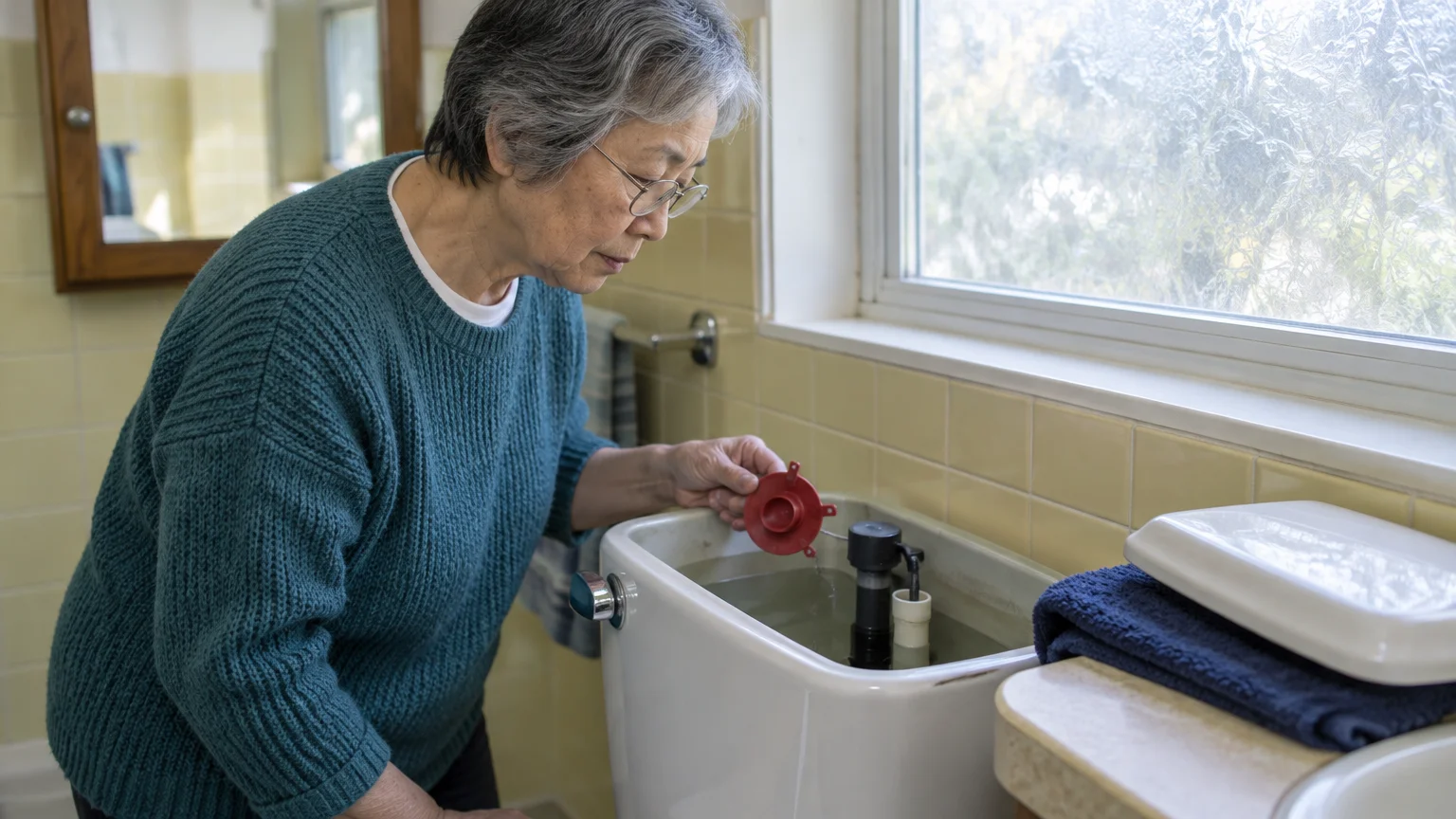
Opening an unexpected $430 quarterly water bill can shock any retiree living on a fixed budget. A silent toilet flapper leak wastes up to 200 gallons daily, pushing your usage into punishing rate tiers.
Keeping unexpected utility expenses in check is a critical part of retirement budgeting for rising costs.
Most homeowners assume they must pay the entire balance, but municipal utility rules allow substantial bill reductions. Unlike generic plumbing guides, this article shows how to wipe out tiered surcharges and contest sewer fees through formal abatement requests.
Acting within your utility’s 30- to 90-day filing window can restore your bill to its normal baseline. You can secure hundreds of dollars in credits with minimal paperwork and inexpensive DIY parts.
In this guide9 sections
- The Anatomy of a Silent Toilet Leak Spike
- How to Catch a Silent Leak with a 15-Minute Dye Test
- Fixing the Flapper: A Low-Cost DIY Solution
- Understanding Municipal Leak Forgiveness Policies
- Worked Example: Disputing a $430 Water Bill
- How to Request Sewer Surcharge Abatement
- Step-by-Step Guide to Filing Your Dispute
- Senior Utility Assistance and Budget Relief
- Frequently Asked Questions
The Anatomy of a Silent Toilet Leak Spike
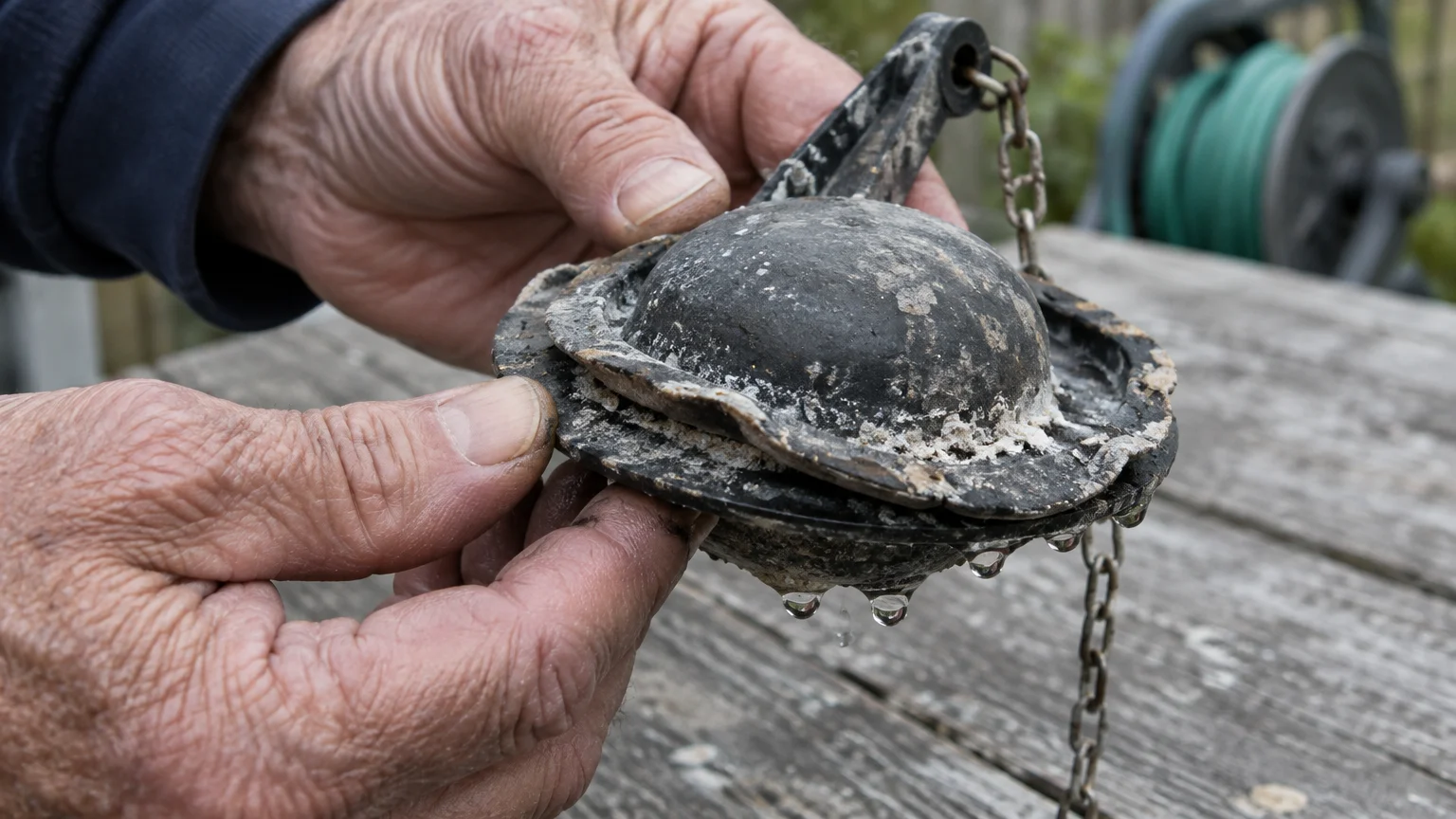
A worn rubber flapper inside your toilet tank creates a slow, quiet trickle directly into the bowl. Because the leak makes no sound, it often runs undetected for an entire quarterly billing cycle.
Unplanned household bill hikes, much like having to handle sudden HOA fee increases, can strain a delicate monthly cash flow.
Unexpected plumbing failures rank among the surprising expenses that can wreck your budget if left unaddressed.
According to the U.S. Environmental Protection Agency WaterSense program, a leaky flapper wastes up to 200 gallons per day. Over a ninety-day billing cycle, that single leak dumps 18,000 gallons of clean water down the drain.
The EPA also reports that ten percent of American homes harbor leaks that waste 90 gallons or more daily. Nationwide, household plumbing leaks waste more than one trillion gallons of treated water each year.
Most municipal water utilities use tiered volumetric rate pricing. When your consumption spikes, the utility bills the excess volume at double or triple your baseline per-gallon rate.
Sewer charges compound the financial damage. Most municipal districts calculate sewer fees as a direct percentage of incoming clean water volume, multiplying the final bill.
“Beware of little expenses; a small leak will sink a great ship.” — Benjamin Franklin
A silent leak threatens household stability by siphoning discretionary income into unnecessary utility charges. Understanding how these leaks operate helps you stop physical and financial waste immediately.
- Silent leaks operate without hissing, splashing, or visible exterior puddling.
- Deteriorated rubber flappers lose elasticity from age, mineral buildup, and in-tank cleaning tablets.
- Tiered billing schedules automatically trigger higher per-unit rates as gallon thresholds increase.
- Sewer surcharges automatically mirror clean water volume on standard billing software.
How to Catch a Silent Leak with a 15-Minute Dye Test
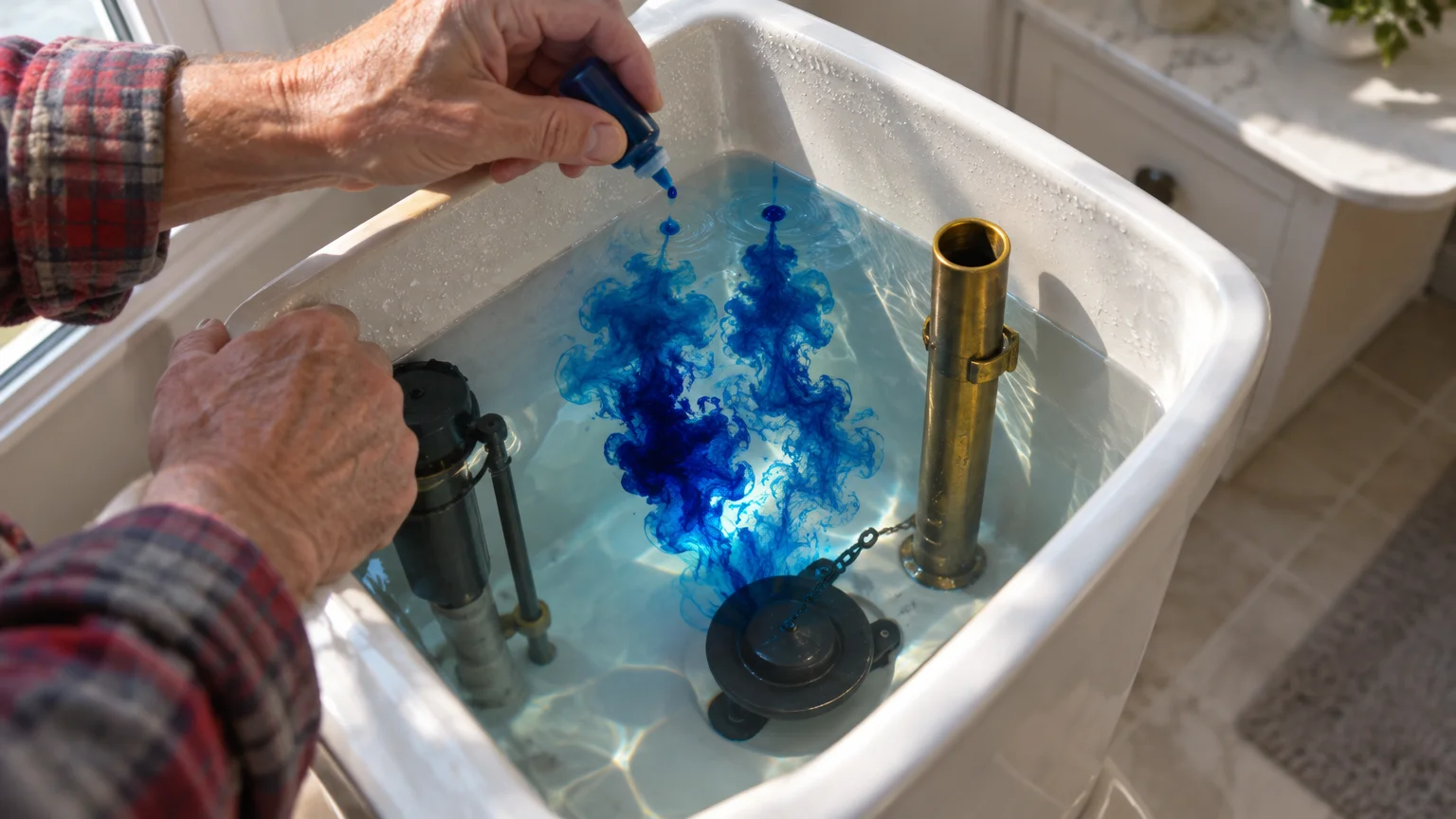
You do not need expensive tools to verify a leaking tank. A simple dye test detects microscopic gaps between the flapper and the flush valve seat.
Incorporating periodic plumbing inspections into your routine home maintenance checks ensures you catch small issues before they become costly.
Remove the tank lid and place three to five drops of dark food coloring into the water. Avoid flushing the toilet while the test runs.
Wait ten to fifteen minutes before inspecting the fixture. If colored water seeps into the bowl, your flapper valve has deteriorated and requires immediate replacement.
Check your water meter immediately after completing the dye test. If the low-flow dial or digital meter shows movement while all taps remain off, water is steadily escaping.
Identifying the leak early limits financial damage. A rapid diagnosis prevents thousands of gallons from flowing through the meter unnoticed.
- Use dark blue, red, or green food coloring for clear visibility in the bowl.
- Avoid using chlorine chemical tablets during the test because they bleach food coloring.
- Perform the test across every bathroom in the home to isolate multiple failures.
- Photograph the colored bowl water to support your utility dispute documentation.
Fixing the Flapper: A Low-Cost DIY Solution
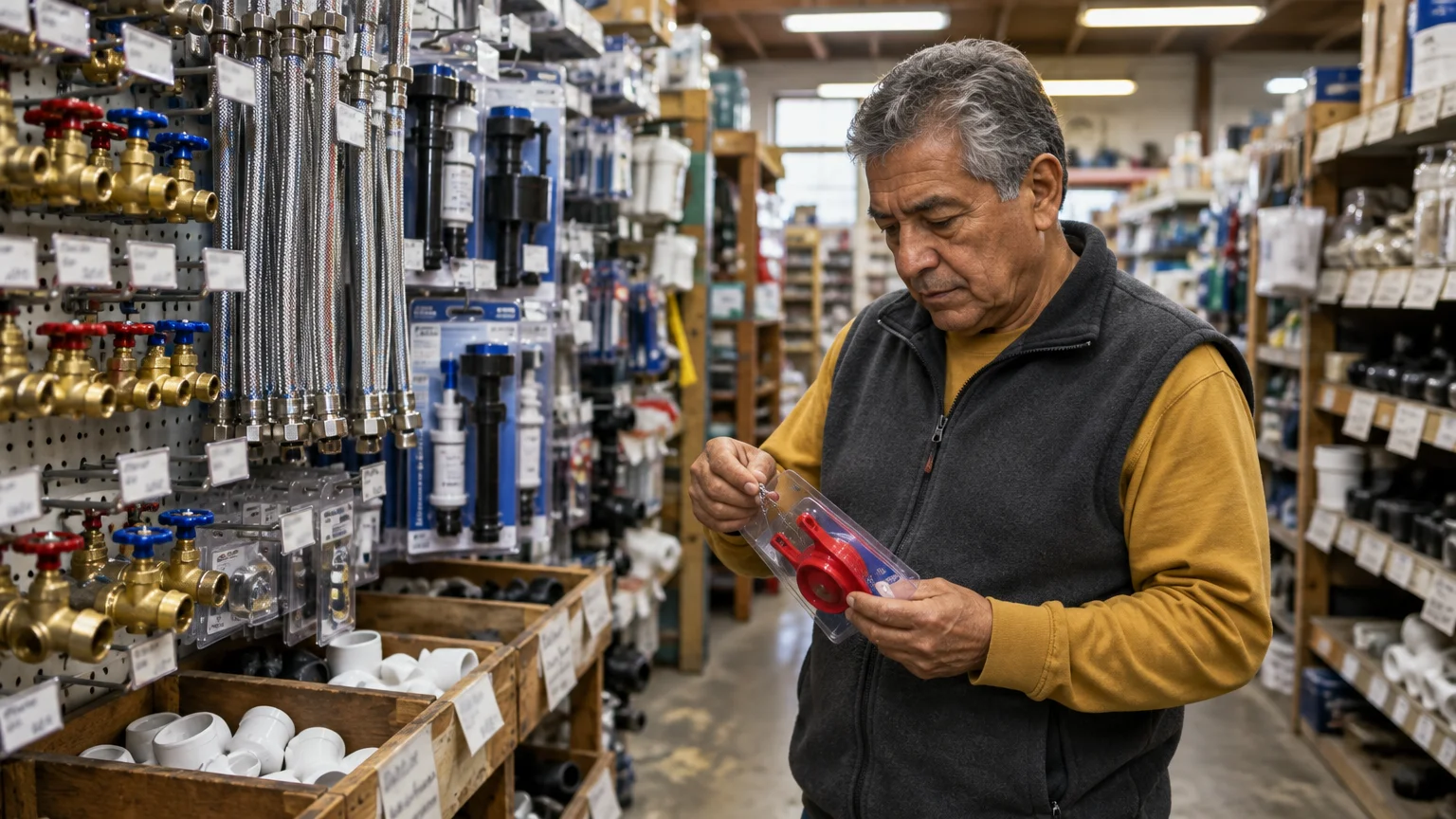
Replacing a degraded flapper costs between $5 and $15 at any hardware store. This quick repair stops water loss instantly and creates the physical paper trail needed for bill adjustment.
Setting aside a dedicated reserve fund—similar to using sinking funds for periodic expense hikes—softens the blow of minor emergency repairs.
Hardware stores stock universal replacement flappers that fit standard two-inch and three-inch flush valves. Brands like Korky and Fluidmaster offer chlorine-resistant rubber models that last several years.
Follow these sequential steps to replace the worn component:
- Shut off the water supply valve located on the wall behind the toilet.
- Flush the toilet and hold down the handle to drain the tank completely.
- Unhook the flapper chain from the flush lever arm inside the tank.
- Slide the worn flapper off the side pegs of the overflow tube.
- Install a universal two-inch or three-inch rubber flapper, matching your toilet model.
- Reconnect the chain with roughly one-half inch of slack to prevent binding.
- Turn the water supply valve counterclockwise to refill the tank and test the seal.
Save your dated retail receipt and the product packaging. Your municipal water utility requires verifiable proof of repair before approving any bill credit.
Take a clear photograph of the installed flapper inside the tank. This visual evidence satisfies utility inspection rules when you submit your adjustment paperwork.

Understanding Municipal Leak Forgiveness Policies
Most public water utilities maintain written leak adjustment policies for residential customers. These programs prevent accidental plumbing failures from depleting fixed retirement budgets.
Managing sudden utility surges requires proactive planning similar to budgeting for winter heating on a fixed income.
Filing deadlines require prompt action. Utilities typically enforce strict dispute windows between 30 and 90 days from your billing statement date.
Frequency restrictions apply to these forgiveness requests. Most municipal districts limit account adjustments to once every 12 to 24 months per residential address.
Standard formulas calculate relief based on your historical baseline usage from previous normal cycles. The utility bills your baseline volume normally and credits 50 percent of the excess water volumetric charges.
Understanding these specific formulas prevents surprises during the dispute process. Reviewing your utility’s administrative guidelines ensures your application meets every qualification threshold.
The following elements represent standard municipal requirements for residential account relief:
- Submission of a signed municipal leak adjustment claim form.
- Dated proof of repair, including plumber invoices or retail hardware receipts.
- Confirmation that post-repair meter readings reflect normal baseline water consumption.
- Account holder verification confirming permanent residency at the service address.

Worked Example: Disputing a $430 Water Bill
Consider a 70-year-old homeowner whose quarterly bill surged from a normal $90 to $430. A worn flapper ran continuously for 90 days, wasting 18,000 gallons of water.
For shared living arrangements, learning how to split utility bills fairly helps ensure one tenant does not shoulder unexpected leak penalties alone.
The municipal utility bills baseline water at $4.00 per 1,000 gallons up to 10,000 gallons. Usage beyond 10,000 gallons enters tier two at $9.00 per 1,000 gallons.
The utility also charges a flat sewer rate of $5.00 per 1,000 gallons of delivered water. Fixed meter service fees equal $10.00 for water and $10.00 for sewer.
The table below shows the exact financial breakdown before and after applying standard leak forgiveness rules:
| Charge Category | Baseline Quarter (10,000 Gal) | Leak Quarter (28,000 Gal) | Adjusted Quarter (Approved Claim) |
|---|---|---|---|
| Base Water Usage (Tier 1) | $40.00 | $40.00 | $40.00 |
| Excess Water Usage (Tier 2) | $0.00 | $162.00 | $81.00 (50% Credit) |
| Sewer Volumetric Surcharge | $50.00 | $140.00 | $50.00 (Abated Baseline) |
| Fixed Meter Fees (Water & Sewer) | $20.00 | $20.00 | $20.00 |
| Admin Late / Processing Fees | $0.00 | $68.00 | $0.00 (Waived) |
| Total Billed Amount | $110.00 | $430.00 | $191.00 |
Under standard utility rules, the provider credits 50 percent of the $162.00 excess tier-two water charge, saving $81.00. The approved sewer abatement removes the $90.00 excess sewer fee, bringing the final bill to $191.00.
This adjustment saves the homeowner $239.00 directly from the billing spike. Securing this relief requires submitting clear documentation before the deadline passes.
How to Request Sewer Surcharge Abatement
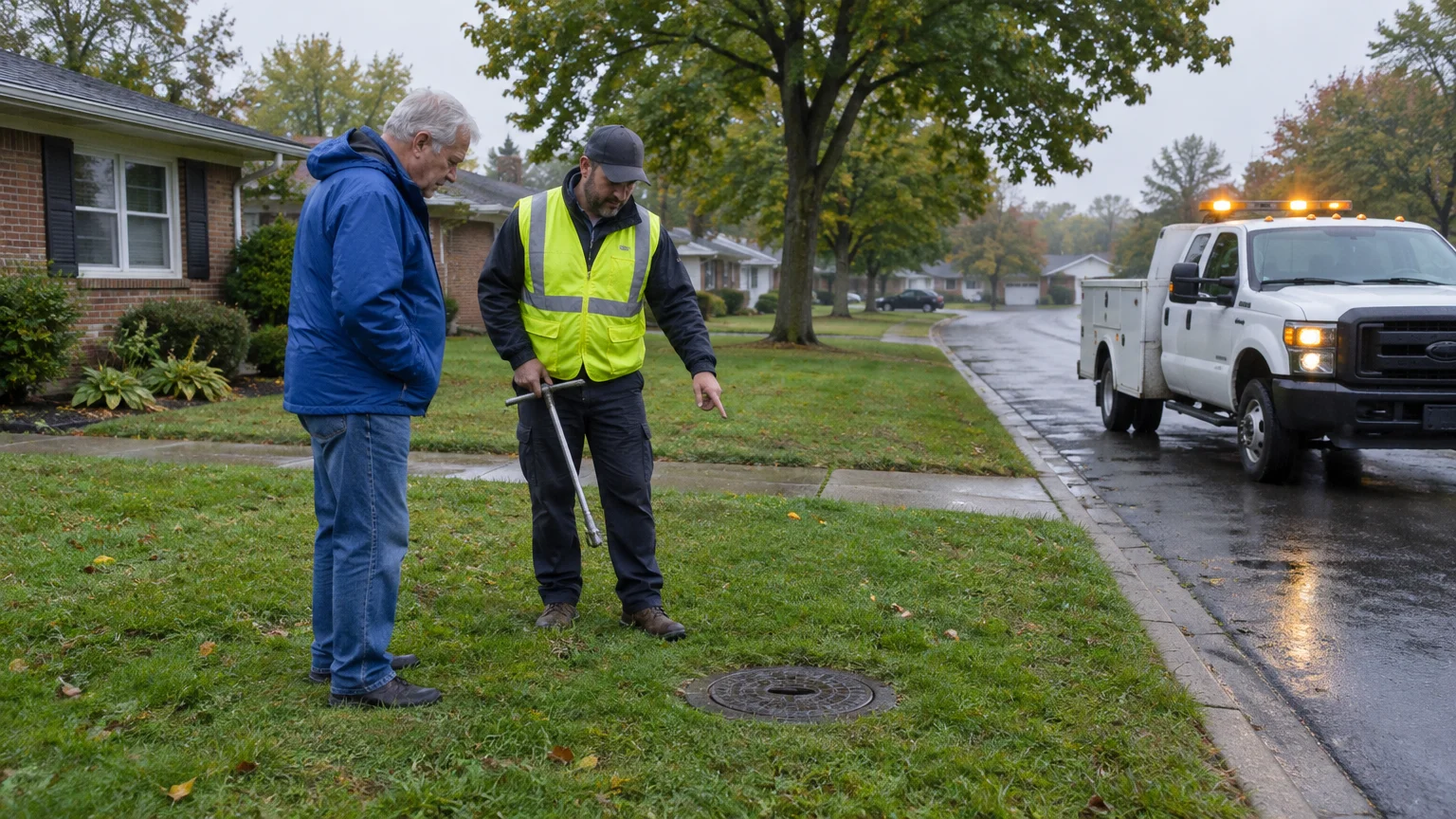
Sewer surcharges often represent the most expensive portion of an inflated utility bill. Water providers calculate wastewater fees under the assumption that all incoming water enters the municipal sewer system.
If home utility costs continue to strain your finances, consider applying for the Weatherization Assistance Program to lower overall consumption.
Much like negotiating lower monthly recurring bills, speaking calmly with a utility supervisor can yield significant account adjustments.
Because toilet leaks drain directly into the bowl, some utility clerks initially refuse sewer adjustments. However, many municipal utility boards allow discretionary abatement upon formal written request.
You can review consumer rights guidance through the Consumer Financial Protection Bureau when resolving billing disputes. Knowing how public agencies manage debt disputes strengthens your position when presenting your case to supervisors.
Emphasize your fixed-income circumstances and prompt repair timeline in your written letter. Billing directors frequently waive excess sewer surcharges when customers demonstrate immediate remediation and consistent payment histories.
Structure your sewer abatement petition using these specific points:
- Document the exact date and hour you discovered and repaired the leak.
- Provide a continuous three-year history of on-time utility payments to show reliability.
- Highlight household fixed-income limits, such as monthly Social Security retirement benefits.
- Request an administrative waiver based on unexpected mechanical failure rather than negligence.
Step-by-Step Guide to Filing Your Dispute
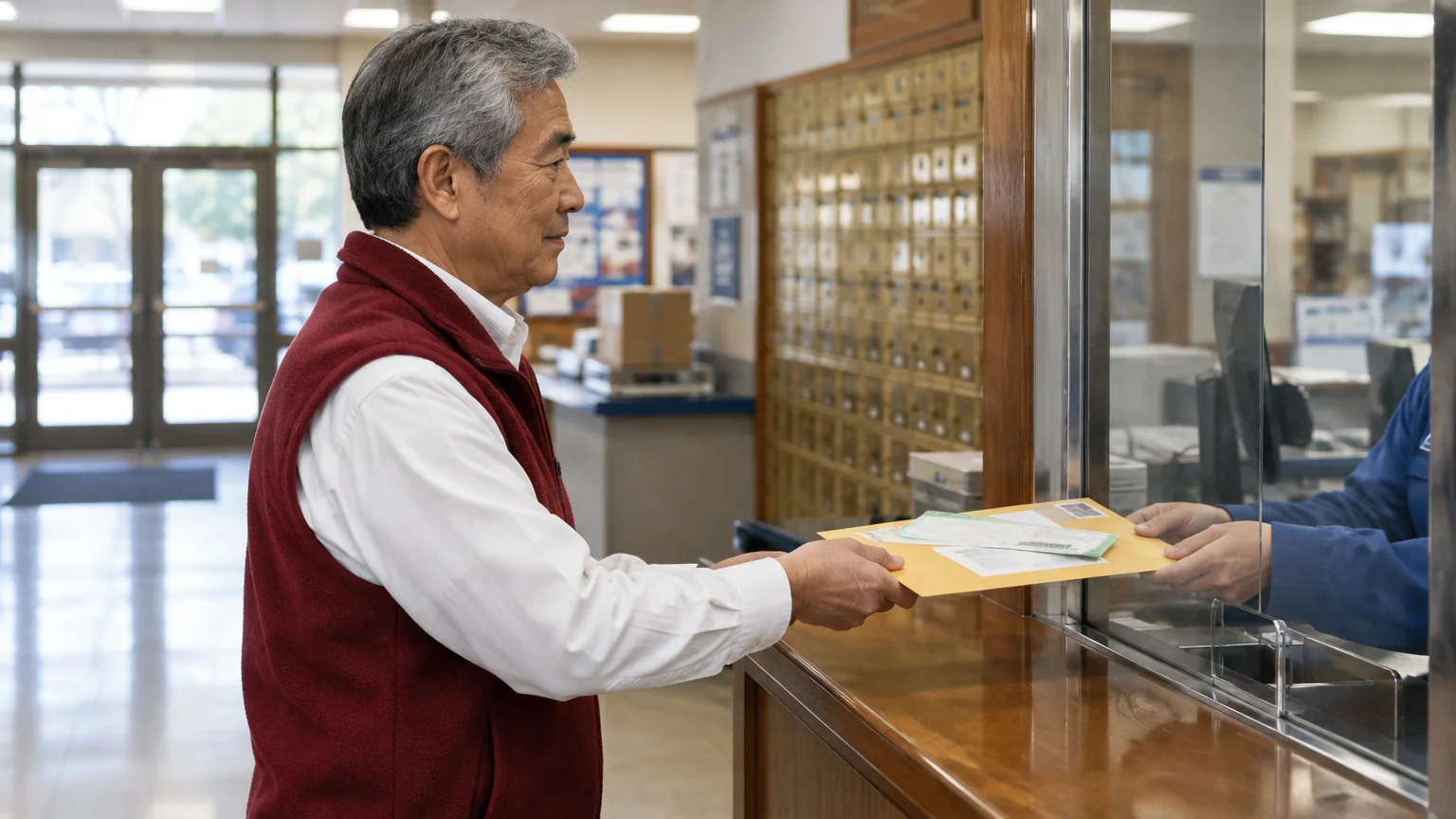
Submitting an effective leak adjustment claim requires meticulous recordkeeping and clear communication. Follow this proven sequence to file your dispute successfully.
- Contact municipal customer service immediately to record a formal dispute notice on your account.
- Request a temporary hold on late fees and service disconnections while your claim undergoes review.
- Purchase replacement hardware and photograph the defective part next to the new flapper.
- Log your water meter reading 24 hours after completing the repair to verify consumption dropped.
- Download the official utility leak adjustment application form from your city website.
- Attach your itemized hardware receipt or licensed plumber invoice to the completed application.
- Submit the dispute packet by certified mail or through the utility customer web portal.
- Call the customer billing supervisor fourteen days after submission to confirm packet receipt.
Never skip paying your normal baseline balance while the dispute remains under review. Paying your regular historical average keeps your utility account in good standing and stops disconnect notices.
Keep physical copies of every document you submit to the utility department. Maintaining organized paper records protects your claim if the municipal office misplaces your file.

Senior Utility Assistance and Budget Relief
The federal Low Income Household Water Assistance Program officially expired on March 31, 2024. As a result, water relief now operates exclusively through state, local, and utility-sponsored programs.
In addition to water relief programs, you may also benefit from strategies for budgeting for winter heating costs during colder months.
Many municipal utilities sponsor Customer Assistance Programs specifically for seniors aged 62 or 65 and older. These initiatives often discount baseline service rates or volumetric charges by 10 to 30 percent.
Check state-specific relief programs on Benefits.gov to find supplementary utility assistance. Local community development agencies administer emergency utility grants for income-qualified seniors.
If you need personal assistance evaluating municipal aid programs, reach out to the Eldercare Locator. This agency connects older adults with local Area Agencies on Aging that provide emergency grant guidance.
Pairing annual plumbing maintenance with local rate discounts protects your monthly retirement budget. Small proactive steps prevent unexpected utility shocks from derailing your finances.
Incorporate these proactive habits into your home maintenance routine:
- Replace rubber toilet flappers every three to four years before deterioration begins.
- Schedule seasonal dye tests at the start of spring and autumn every year.
- Request monthly billing rather than quarterly statements to catch usage spikes quickly.
- Inspect supply line connections and shutoff valves annually for moisture or corrosion.
Frequently Asked Questions
Can the water utility shut off my service while my dispute is pending?
Utilities generally pause shutoff actions while an official dispute is active. You must still pay your historical baseline amount on time to keep the account current.
Can I get an adjustment if I repaired the toilet myself?
Yes, municipal providers accept dated store receipts for parts like flappers and fill valves. Take clear photographs of the installed parts to include with your claim form.
Why did my water bill stay high the month after I fixed the leak?
Quarterly billing cycles often overlap the repair date, capturing days before the fix. Your bill will normalize once a full billing period runs without plumbing leaks.
How often can I apply for a water leak adjustment?
Most municipal utilities permit one leak forgiveness adjustment every 12 to 24 months per account. Check your local utility’s administrative policy for exact frequency limitations.
What should I do if the utility denies my sewer fee abatement?
File a formal administrative appeal with the municipal utility board or city council. Present your repair receipt, meter logs, and proof of fixed-income status during the hearing.
Disclaimer: This article provides informational guidance only; programs and local utility regulations change frequently. Verify your local utility policies directly and consult certified professionals for personalized billing assistance.