
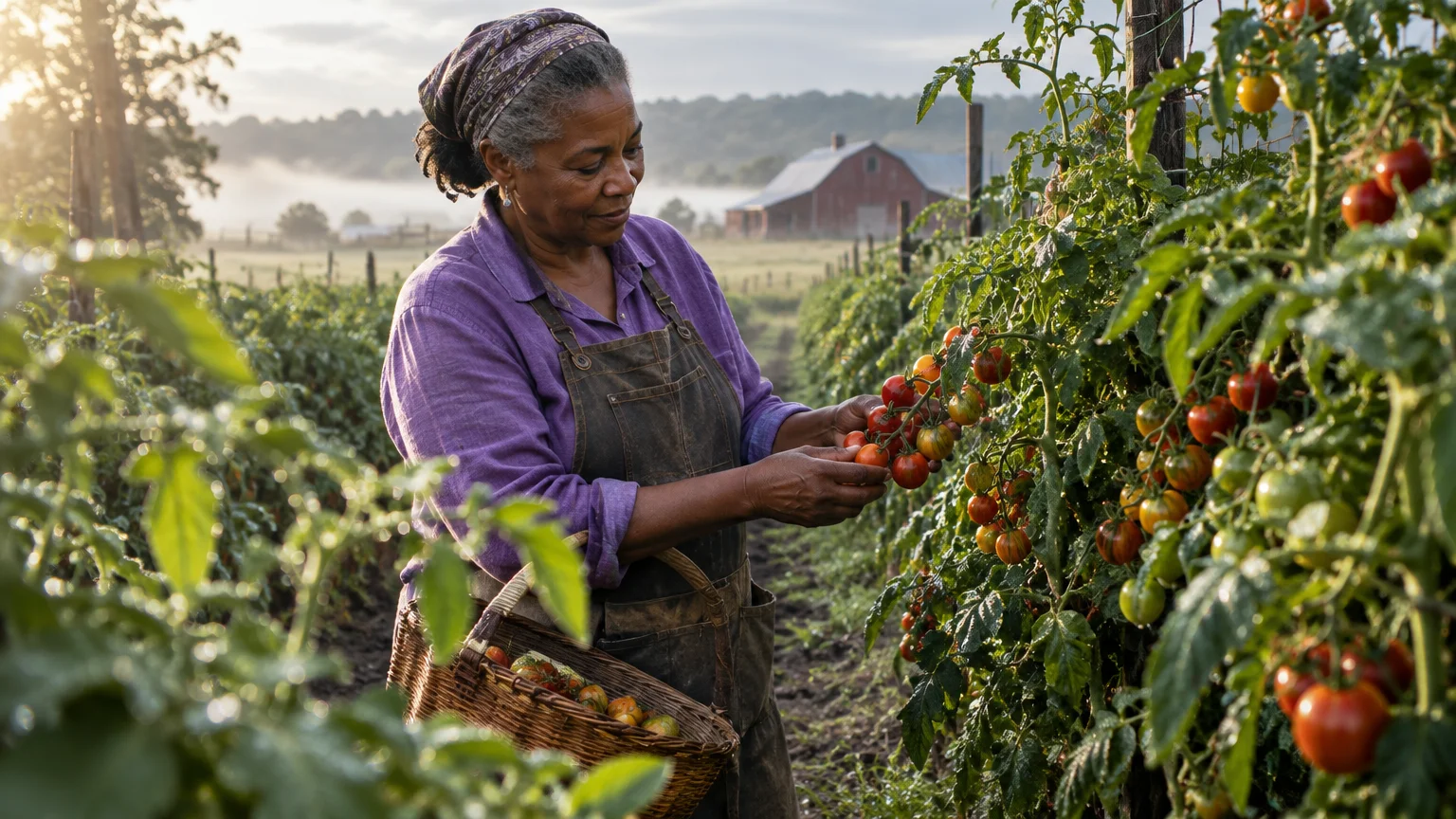
You can trade your seasoned gardening skills for free lodging in a private farm cottage without lifting heavy feed sacks. Many organic growers actively seek mature volunteers for meticulous greenhouse and nursery tasks.
Trading skills for room and board is just one of many creative lifestyle adjustments to reduce living costs without sacrificing adventure.
Unlike exchange programs tailored to gap-year backpackers, mature volunteers can easily arrange targeted, low-strain roles centered on seed saving, microgreen propagation, and greenhouse potting.
This practical guide outlines how to vet host accommodations, schedule gentle four-hour morning workdays, and volunteer on an organic farm comfortably during your retirement years.
In this guide8 sections
- Farm Exchange Networks for Seniors
- Tailoring Low-Strain Agricultural Roles
- Vetting Farm Accommodations and Amenities
- Exchange Platform Comparison
- Worked Example: A Two-Week Hudson Valley Farm Stay
- Health Coverage, Medicare Boundaries, and Ergonomic Safety
- Step-by-Step Guide to Booking Your Farm Stay
- Frequently Asked Questions
Farm Exchange Networks for Seniors
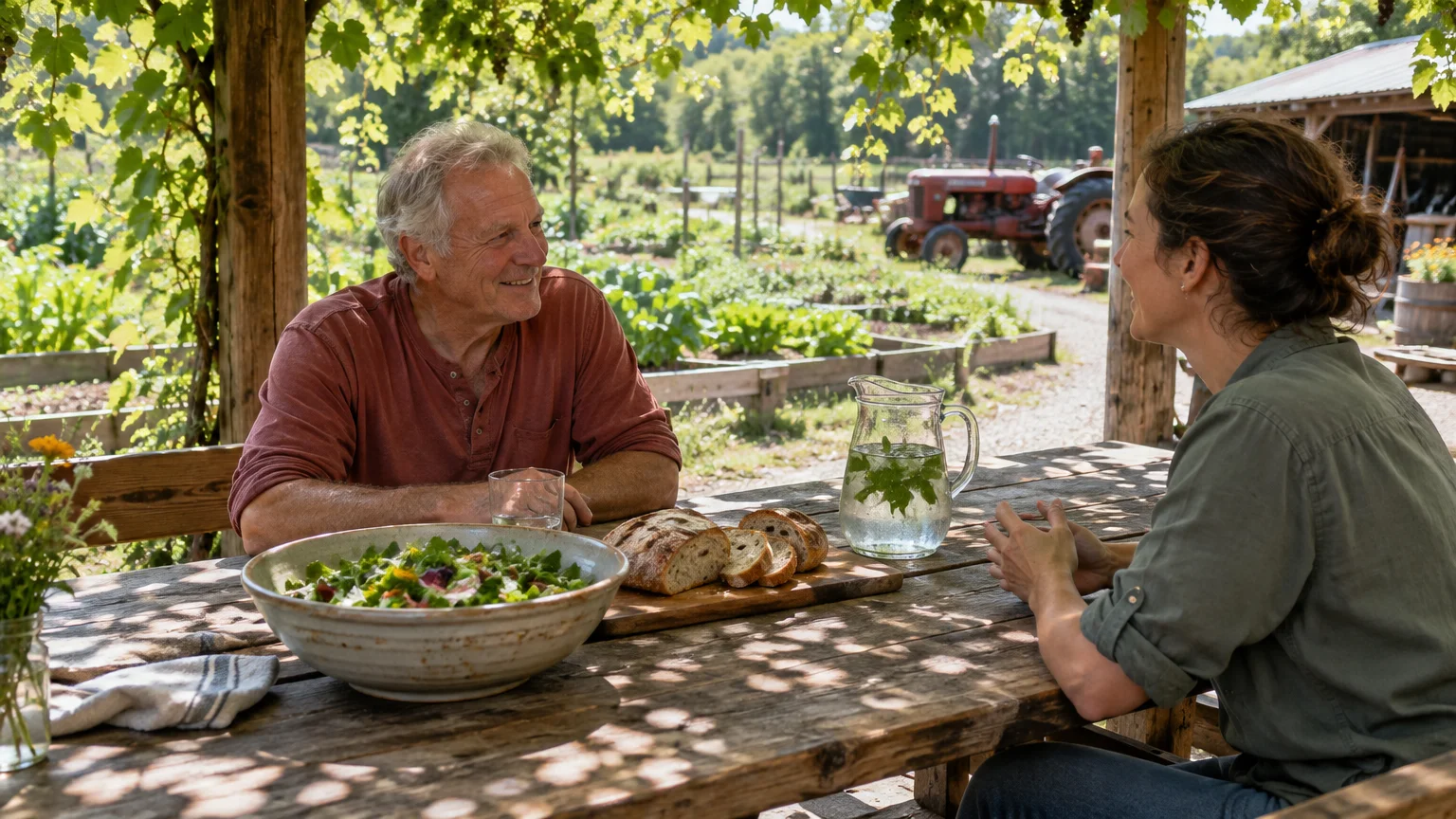
Organic farm exchanges operate on a non-monetary trade where hosts provide housing and meals in return for part-time volunteer help. These programs welcome older adults who bring dependable work habits and practical life experience.
If you enjoy community service but prefer structured programs with modest compensation, you might also look into senior companion stipends as another fulfilling option.
Worldwide Opportunities on Organic Farms, commonly known as WWOOF, is the oldest and most established network in this space. WWOOF-USA connects volunteers with more than 1,500 organic farms across all 50 states.
An individual annual membership for WWOOF-USA costs $45, while a joint membership for couples costs $70. The organization sets no upper age limit, requiring only that participants be at least 18 years old.
Because WWOOF operates as an international federation, your domestic membership covers only U.S. hosts. Traveling abroad requires a separate membership through that specific country’s national WWOOF organization.
Alternative platforms also offer agricultural and homestead placements. Workaway costs $69 per year for a solo account and $79 for a couple, featuring varied homestead and gardening opportunities.
HelpX provides another international option with a smaller U.S. footprint. A two-year premier membership costs €20, which equals roughly $22 USD.
Standard exchange agreements across these networks ask for roughly 20 to 25 hours of volunteer assistance each week. Hosts usually arrange this schedule as four to five hours per day, five days per week.
In exchange for your morning efforts, hosts provide private or shared lodging alongside full daily meals. Most farms stock fresh harvest items or invite you to share family-style home cooking.
Tailoring Low-Strain Agricultural Roles
Standard farm volunteering often conjures images of grueling field chores designed for youthful stamina. As an older gardener, you must define clear physical boundaries before committing to a farm placement.
Living on rural acreage also provides the perfect backdrop to start bird watching during peaceful afternoon downtime.
Pairing these gentle garden activities with low-impact exercises for retirees helps maintain flexibility and stamina throughout your trip.
Diversified organic farms have constant nursery and processing tasks that demand patience rather than brute strength. Commercial growers value the precision and reliability that an experienced home gardener provides.
You can propose specialized roles during your initial host communications. Emphasize your background in plant care, seed starting, and organized bench work.
Target the following low-impact farm tasks that keep you productive without straining your joints:
- Greenhouse seedling propagation: Sowing heirloom seeds into 72-cell plug trays and monitoring humidity domes on raised tables.
- Microgreen production: Seeding shallow trays of pea shoots, radish, and sunflower greens at comfortable waist-height workbenches.
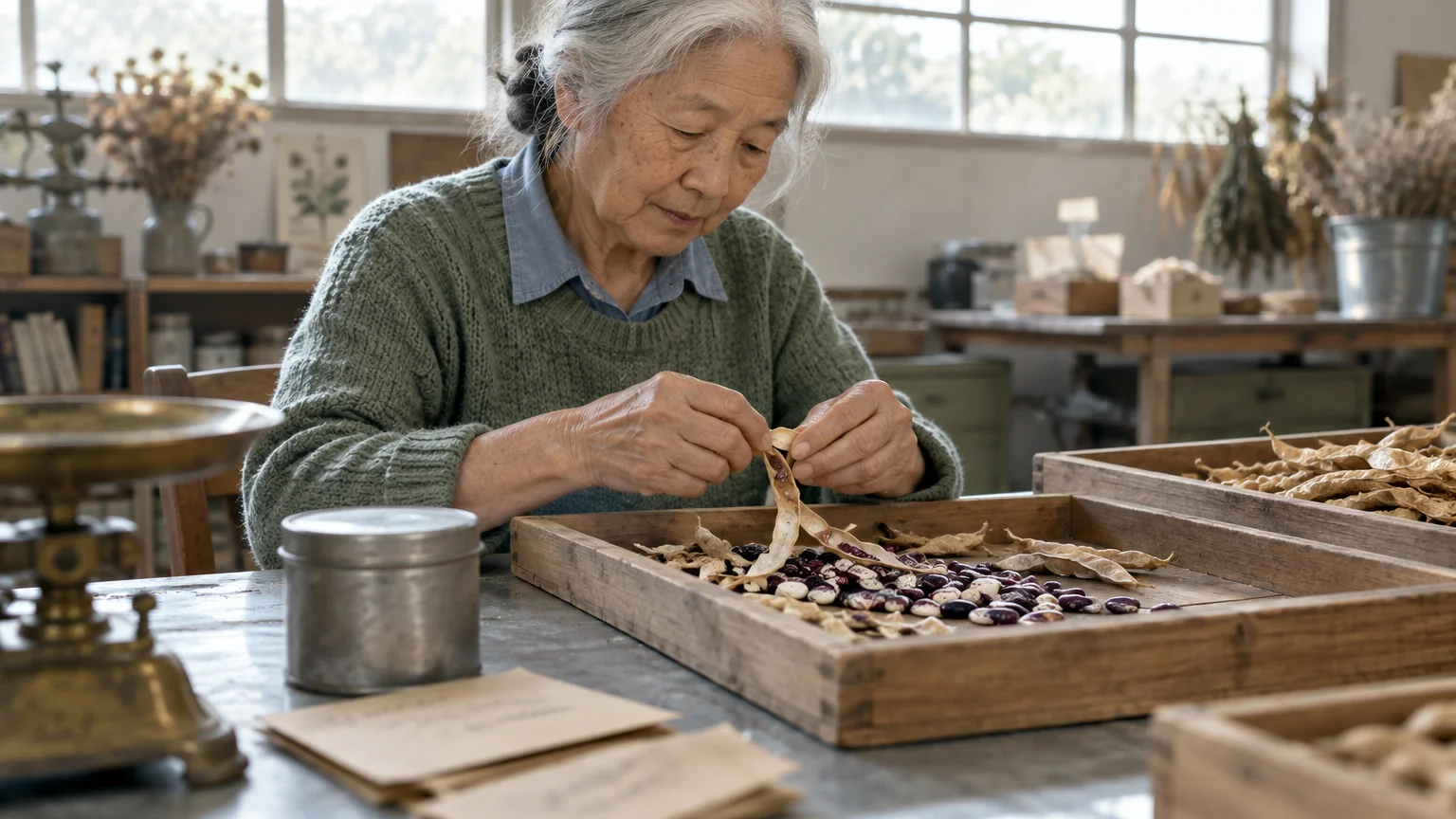
- Heirloom seed saving: Harvesting mature dry seed pods, winnowing chaff from heirloom beans, and packaging labeled seed envelopes.
- Drip irrigation maintenance: Walking vegetable rows to inspect emitter lines for blockages and replacing small micro-fittings.
- Culinary herb processing: Stripping rosemary, thyme, and mint leaves from woody stems for batch drying and glass jar storage.
- CSA box assembly: Sorting washed root vegetables, weighing greens, and packing Community Supported Agriculture boxes in shaded packing sheds.
Equally important is identifying heavy physical tasks that cause excessive wear on your spine and knees. You should politely exclude strenuous duties before agreeing to your travel dates.
Specify upfront that your volunteer agreement excludes the following heavy field operations:
- Broadforking compacted field beds or operating heavy rear-tine rototillers.
- Lifting 50-pound sacks of compost, organic amendments, or livestock feed.
- Hauling and stacking two-wire hay or straw bales.
- Digging manual drainage ditches or fence post holes.
- Ground-level hand weeding for extended hours without wheeled work seats.
When you present your skills as a nursery or propagation specialist, hosts view you as an asset. Clear upfront boundaries prevent uncomfortable misunderstandings once you step onto the property.
Vetting Farm Accommodations and Amenities
Lodging on organic farms varies from rustic canvas tents to fully furnished guest homes. While younger travelers may tolerate shared dorms, mature adults should insist on quiet, private quarters.
While farm stays offer temporary lodging trades, those seeking permanent lower-cost living arrangements can research affordable senior housing assistance programs.
Much like house-sitting for free travel lodging, clear expectations about living conditions are vital before committing to a stay.
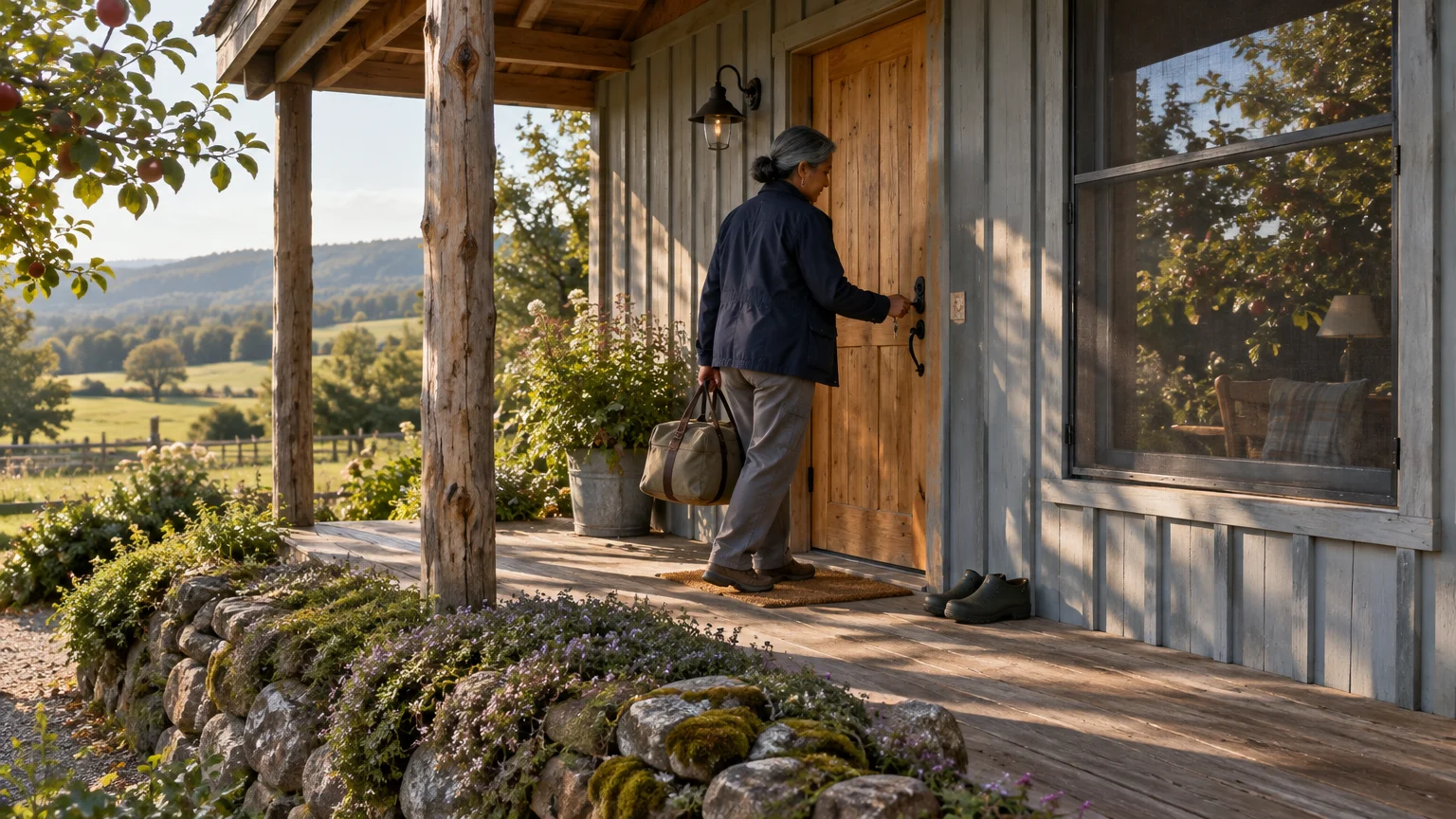
Many established hosts maintain dedicated guest cottages, converted carriage houses, or modern mobile homes for visiting helpers. Others provide private master bedrooms with attached baths inside the main farmhouse.
A restorative night of sleep is essential after a morning of physical activity outdoors. You should examine host profiles for specific lodging details and request interior photos before booking.
Ask prospective hosts these practical lodging questions before confirming your stay:
- Does the living unit contain a supportive mattress on a raised frame rather than a futon or air bed?
- Is the bathroom private or shared, and is it located inside your living quarters?
- What heating and cooling systems operate in the unit during early spring or midsummer?
- Are on-site laundry facilities available to wash soiled gardening clothes?
- How are daily meals managed, and does the host supply raw pantry ingredients or cooked dinners?
- How many miles separate the farm property from the nearest supermarket, pharmacy, and hospital?
Review the feedback section on the host profile to verify cleanliness and hospitality standards. Give preference to farms that show multiple positive reviews from older solo travelers or retired couples.
If you travel in an RV or camper van, ask about dedicated hookup spots. Many rural hosts offer free 30-amp electrical, water, and septic hookups in exchange for light volunteer work.
Exchange Platform Comparison
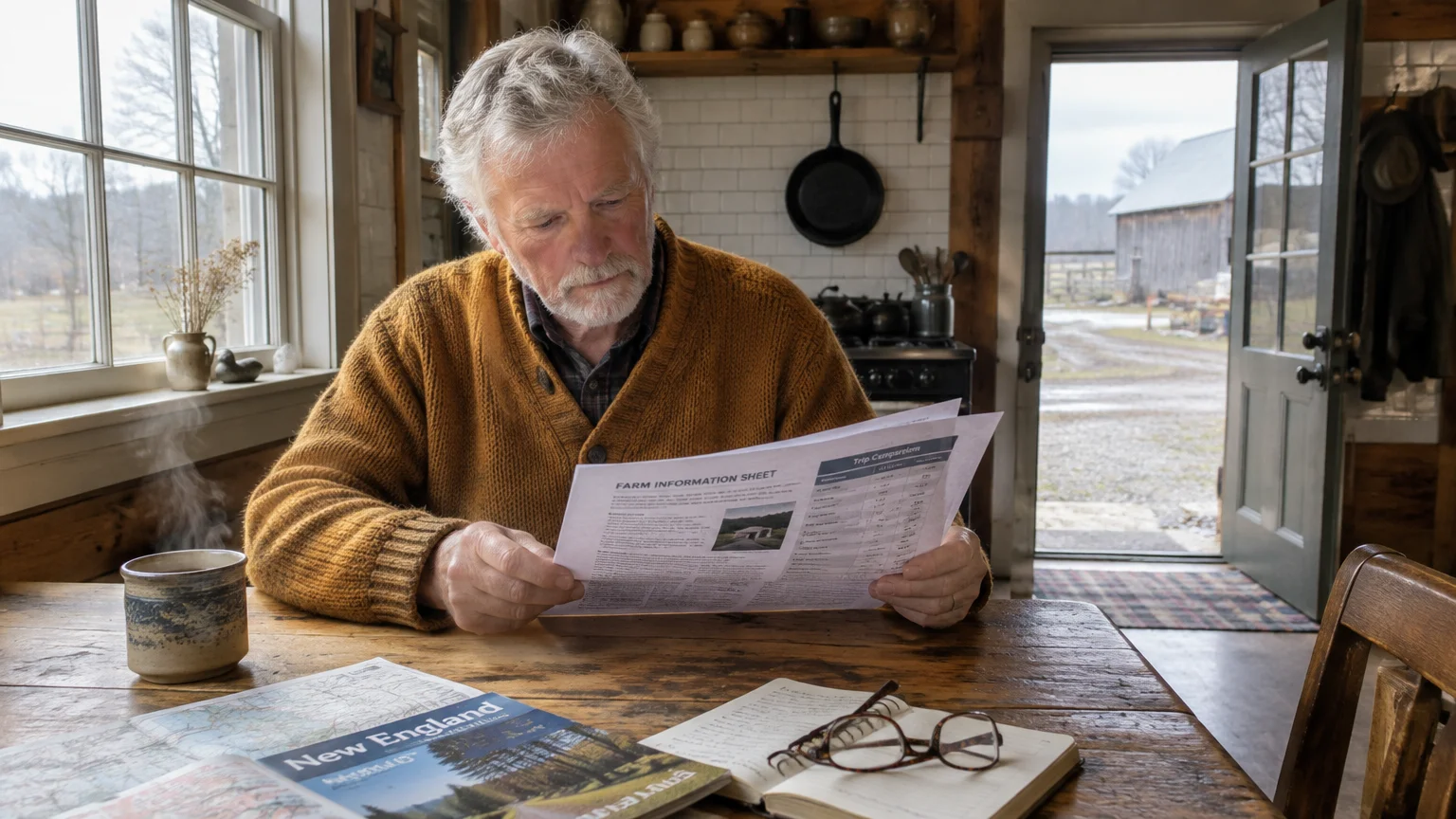
Selecting the right membership service depends on your regional travel plans, budget, and desired agricultural focus. Each platform operates under different fee structures and search capabilities.
Women traveling independently who prefer traveling alongside peers rather than staying solo on private homesteads can explore solo female travel groups for retirees.
If farm labor is not the right fit for your travel goals, exploring home exchange vacations in retirement offers another low-cost way to explore new destinations.
The comparison table below outlines the core features of the primary work-exchange networks operating in the United States.
| Platform | Annual Cost (USD) | Active U.S. Hosts | Accommodation Filter | Primary Focus |
|---|---|---|---|---|
| WWOOF-USA | $45 single / $70 joint | 1,500+ organic farms | Filters for private room, cabin, or camper | Certified organic agriculture and homesteading |
| Workaway | $69 single / $79 couple | 1,200+ mixed hosts | Filters for private room and camper space | Homesteading, gardening, animal care, and eco-projects |
| HelpX | €20 (~$22) for 2 years | 400+ mixed hosts | Basic search text filters only | Small farms, rural bed-and-breakfasts, and hobby gardens |
WWOOF-USA offers the most reliable directory if your primary goal is organic plant propagation and nursery work. Their search platform allows you to filter specifically for farms offering private bedrooms or detached cabins.
Workaway provides greater variety if you want a blend of light gardening, household projects, and cultural exchange. HelpX remains an affordable backup directory, though its domestic listings are less frequent.
Worked Example: A Two-Week Hudson Valley Farm Stay
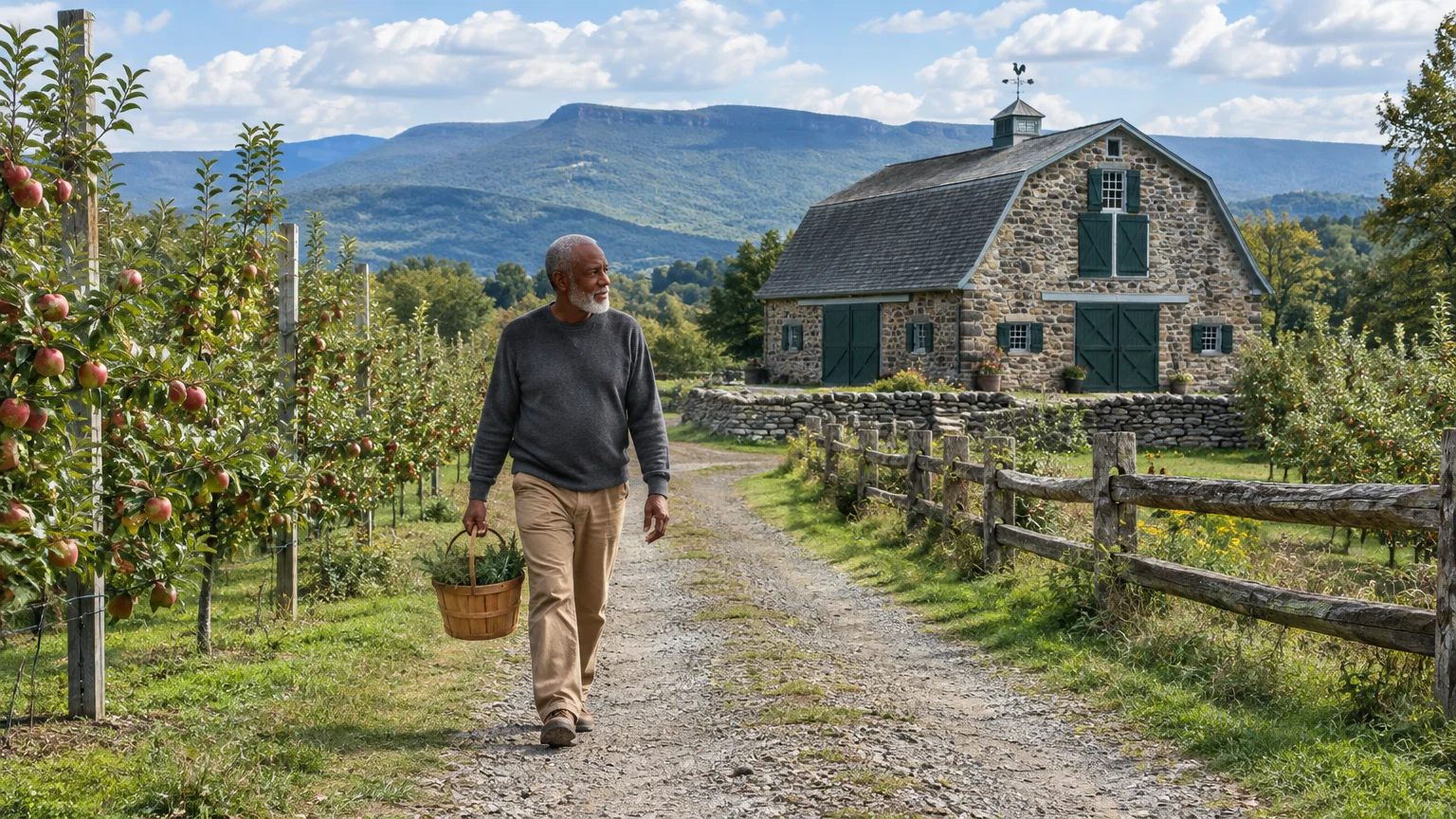
To see how an organic farm stay operates financially and logistically, consider the scenario of David, a 63-year-old retired gardener from eastern Pennsylvania. David arranged a 14-day volunteer stay at an organic orchard and nursery in Columbia County, New York.
For volunteers who prefer not to drive long distances between farm locations, taking advantage of Amtrak senior discount fares offers an economical alternative.
David contacted the farm owner three weeks before his May arrival date. He agreed to provide 20 hours of weekly greenhouse help in exchange for private lodging in a renovated carriage house and farm kitchen privileges.
David followed a consistent daily schedule from Monday through Friday throughout his two-week placement:
- 7:30 AM to 8:00 AM: Breakfast in the carriage house using farm-fresh eggs, sourdough bread, and coffee.
- 8:00 AM to 10:00 AM: Seeding heirloom tomato and pepper flats in the greenhouse on waist-high wooden tables.
- 10:00 AM to 10:15 AM: Mid-morning tea break and outdoor stretching in the garden arbor.
- 10:15 AM to 12:00 PM: Inspecting drip irrigation emitters and potting up rooted herb cuttings into 4-inch containers.
- 12:00 PM onward: Work obligations complete for the day; lunch, afternoon reading, and visits to nearby historic landmarks.
The financial ledger shows the dramatic cost savings of this volunteering structure compared to standard vacation travel.
David spent $45 on his annual WWOOF-USA membership. He logged 260 miles round-trip in his car, consuming $78 in gasoline, and spent $65 on personal grocery items to complement farm-grown vegetables.
His complete out-of-pocket expenditure for the two-week stay totaled $188. In return, David received lodging and meals that carry significant market value in the Hudson Valley region.
Short-term cottage rentals in Columbia County average $140 per night, representing $1,960 in accommodation value across 14 nights. Farm-supplied produce, eggs, and staple pantry goods provided roughly $420 in grocery value.
David generated $2,380 in room and board benefits while contributing 40 total hours of low-strain gardening assistance. He returned home with hands-on grafting experience to apply to his own home orchard.
“To plant a garden is to believe in tomorrow.” — Audrey Hepburn
Health Coverage, Medicare Boundaries, and Ergonomic Safety
Protecting your physical health is paramount when doing active work away from your home community. Staying within the United States keeps your routine healthcare simple and predictable.
Original Medicare Parts A and B provide coverage across all 50 states when you visit participating healthcare providers. You can locate nearby primary care clinics and urgent care centers using the directory tools on Medicare.gov before traveling.
International farm volunteering introduces significant insurance hurdles that retirees must recognize. Original Medicare does not cover doctor visits, emergency room treatment, or hospitalization outside the United States.
Standard Medigap supplemental plans C through G, M, and N include limited foreign emergency benefits. These policies reimburse 80% of emergency costs up to a $50,000 lifetime cap after you meet a $250 deductible.
If you plan to volunteer internationally, purchase private travel medical insurance that covers manual volunteer activities and medical evacuation. You must also check tourist visa laws, as countries like Canada and the United Kingdom treat volunteer room-and-board trades as unauthorized work.
Practicing joint preservation on the farm prevents muscle soreness and repetitive stress injuries. Public health advocates at AARP emphasize the importance of warming up muscles before undertaking repetitive outdoor activities.
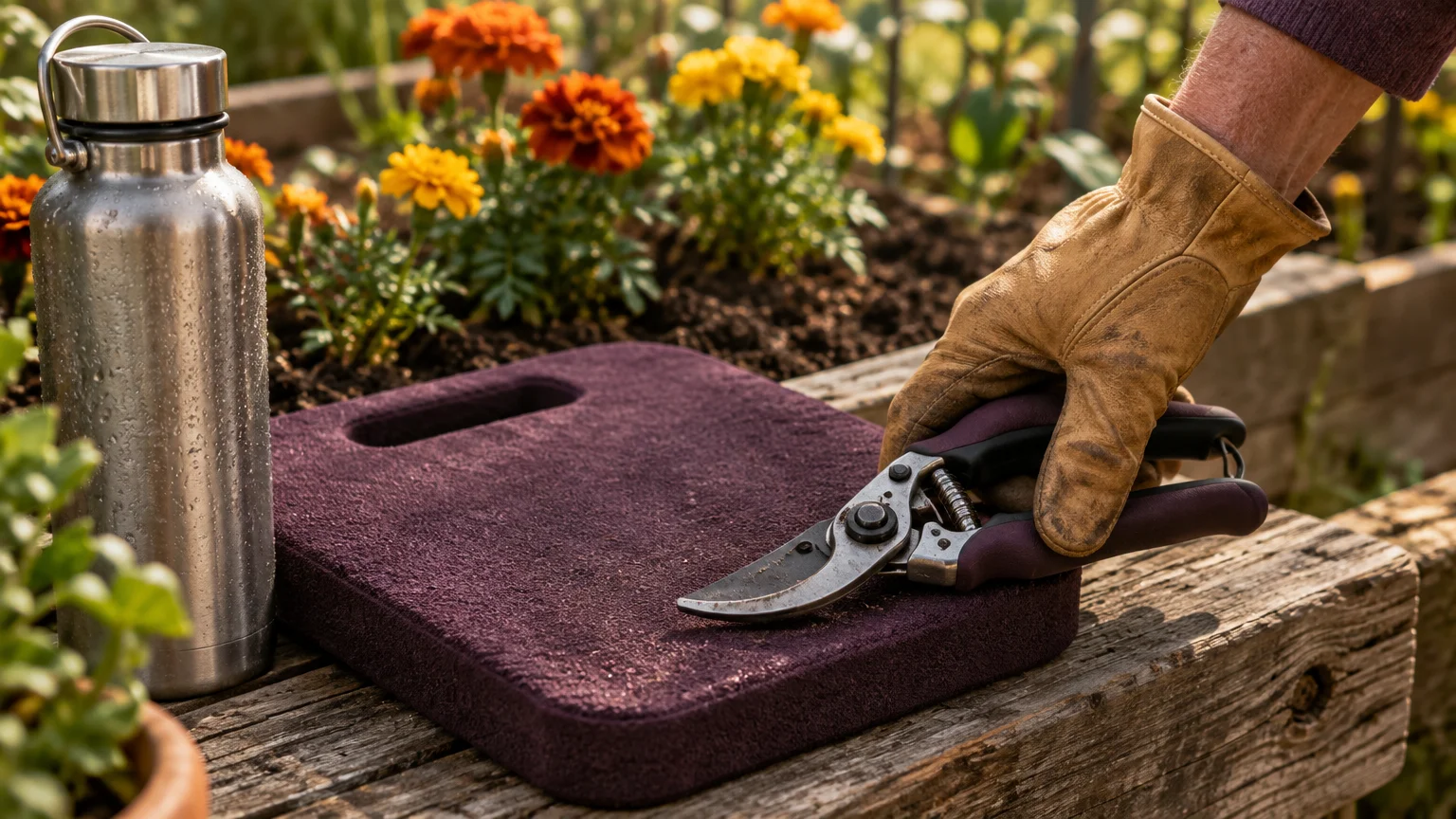
Pack these practical safety and ergonomic tools to protect your body during daily farm chores:
- A dual-height portable garden kneeler bench with sturdy aluminum support handles for easy standing.
- Ergonomic bypass hand pruners, such as the compact Felco F-6 model, to reduce wrist fatigue during cutting chores.
- A wide-brim sun hat rated UPF 50+ alongside zinc oxide sunscreen for daily ultraviolet protection.
- Supportive ankle-height work boots with non-slip lug outsoles to prevent falls on damp ground.
- A 32-ounce insulated water bottle to maintain hydration during morning greenhouse shifts.
For retirees balancing fixed retirement budgets, farm volunteering provides travel without room rates. Exploring seasonal travel options alongside official guidance on Benefits.gov helps you stretch fixed savings further.
Step-by-Step Guide to Booking Your Farm Stay
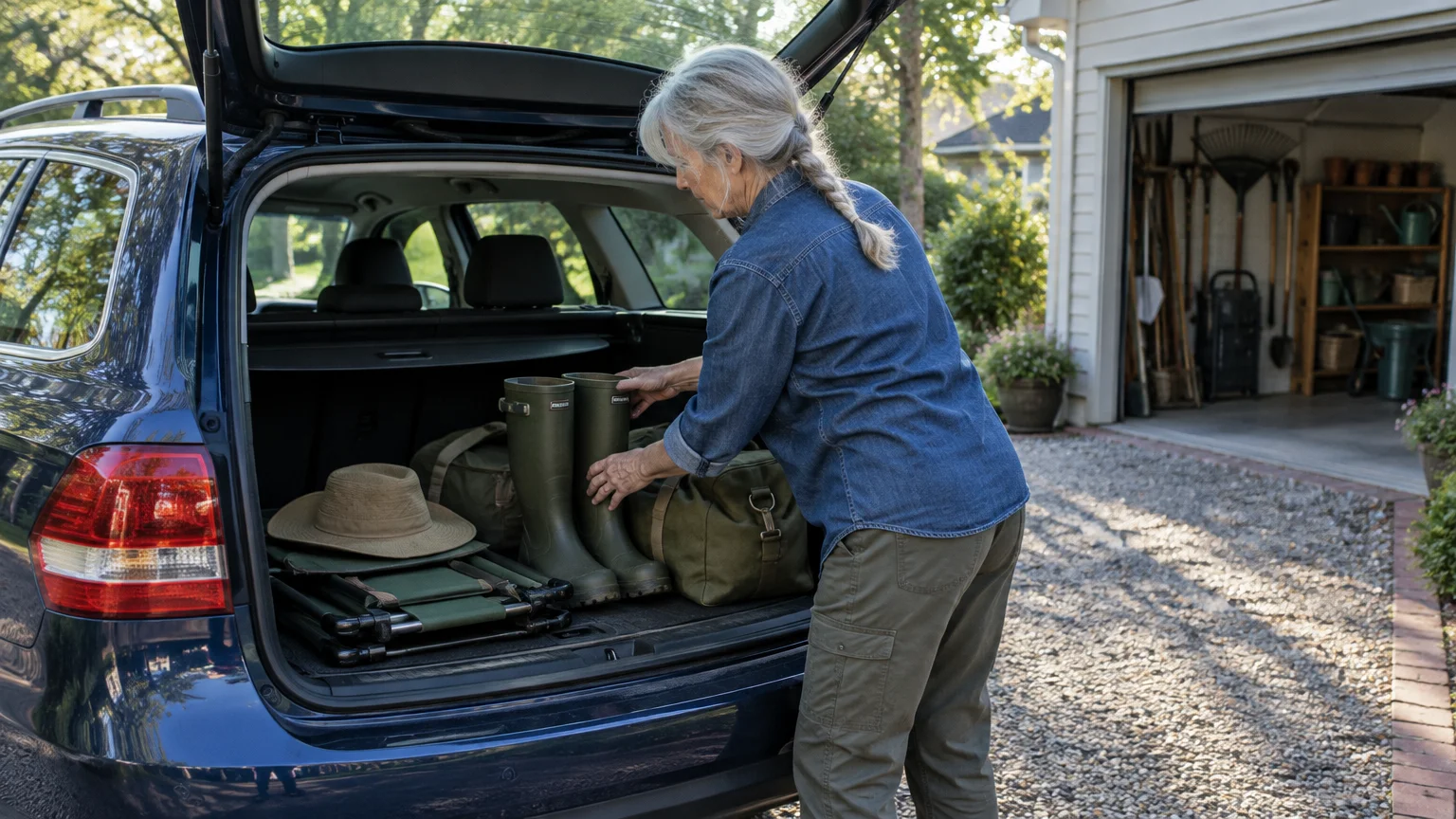
Booking a successful farm stay requires methodical communication and clear boundaries. Follow this sequential process to select a host and confirm your travel details.
- Build a clear volunteer profile: List your home gardening background, relevant handy skills, and preferred tasks. Explicitly state that you seek greenhouse, nursery, or packing duties rather than heavy field labor.
- Apply targeted search filters: Search host listings using filters for private bedrooms, detached guest houses, and non-smoking properties. Save four to six matching farms that produce specialty crops like herbs or cut flowers.
- Send an introductory inquiry: Write a concise introductory message describing your interest in their farm operations. Outline your preferred arrival dates, proposed work hours, and your specific propagation skills.
- Conduct a 20-minute phone interview: Speak with the host via phone or video before accepting a placement. Confirm sleeping arrangements, bathroom access, meal routines, and daily shift expectations.
- Confirm terms in an exchange message: Send a final written note through the platform summarizing your agreed morning hours and lodging terms. This written record prevents misunderstandings when you check in.
- Schedule an initial trial period: Limit your first visit to five to seven days. A short trial lets you assess physical comfort and compatibility before committing to longer seasonal stays.
Starting with a week-long trial gives you total control over the experience. If the placement matches your physical expectations, you can arrange an extended return trip later in the season.
Frequently Asked Questions
Is there an upper age limit to volunteer on an organic farm?
No maximum age limit exists on WWOOF-USA, Workaway, or HelpX. Platforms require only that volunteers be at least 18 years old to join independently.
Do organic farm hosts pay cash wages to volunteers?
Standard placements do not pay hourly wages or monetary stipends. Hosts provide private lodging, utilities, and full daily meals in exchange for roughly 20 hours of weekly labor.
Can couples volunteer together on an organic farm?
Couples can volunteer together by purchasing joint platform memberships on WWOOF-USA or Workaway. Many rural hosts maintain guest cottages or RV spaces that easily accommodate two adult volunteers.
What should you do if assigned farm work is too strenuous?
Speak with your host immediately and remind them of your agreed task restrictions. Most hosts gladly reassign mature volunteers to nursery seeding, greenhouse watering, or produce packing.
Does Medicare cover medical care if you get hurt volunteering in another state?
Original Medicare Parts A and B provide coverage in all 50 U.S. states through participating healthcare providers. Simply present your Medicare card at local clinics or emergency rooms near the host property.
Disclaimer: This article is for informational purposes only. Benefits, programs, and regulations can change.
We encourage readers to verify current information with official government sources and consult with qualified professionals for personalized advice.



1 Comment