
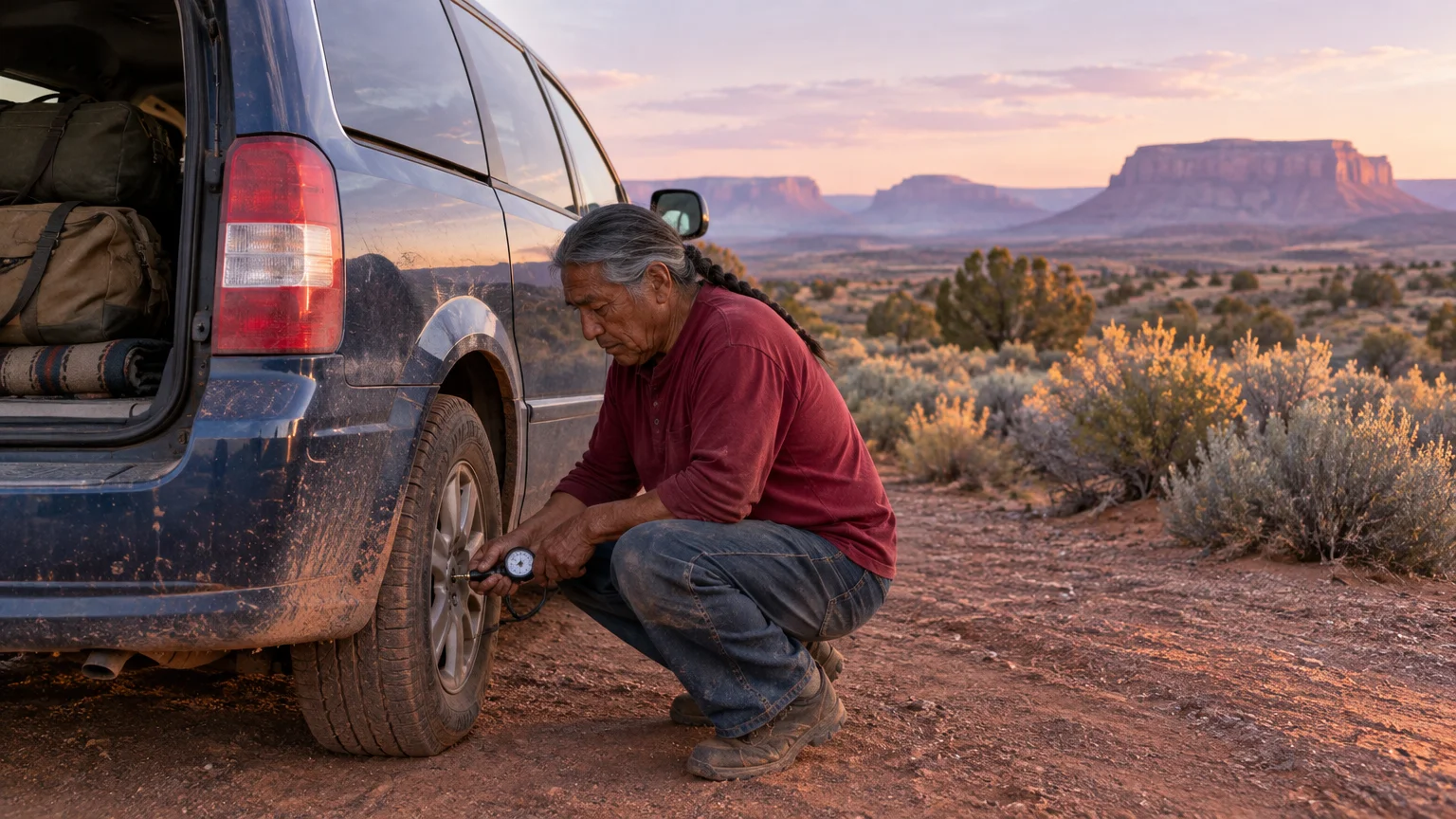
You can travel across America in a converted minivan on a fixed retirement income for less than $35 a day. Eliminating lodging costs makes this lifestyle practical, even when living primarily on Social Security benefits.
Keeping track of daily road receipts is easy when using free budgeting tools for retirees right from your smartphone.
Most guides suggest expensive RV parks or commercial gym chains for daily living. In contrast, pairing free dispersed public land apps with municipal park day passes delivers safe parking and hot showers for under $3 per day.
This practical blueprint shows you exactly how to equip your minivan, manage meals, protect your health, and stretch your monthly retirement budget on the open road.
In this guide8 sections
- The $35 Daily Budget Blueprint for Minivan Travel
- Zero-Dollar Overnight Stays on Public Lands
- Solving the Shower and Hygiene Puzzle for Pennies
- Essential Low-Cost Minivan Build Setup
- Managing Healthcare and Prescriptions Across State Lines
- Campground Discount Programs and Passes Compared
- Solo Safety and Practical Routines for Women Travelers
- Frequently Asked Questions
The $35 Daily Budget Blueprint for Minivan Travel
Living on a fixed income requires disciplined financial planning before driving away from your driveway. A daily spending target of $35 translates to $1,050 across a standard 30-day month.
Applying strategic methods for budgeting for travel in retirement makes seeing the country feasible without exhausting your nest egg.
Setting aside small amounts beforehand by building a dedicated travel sinking fund ensures you can handle unplanned vehicle repairs without disrupting your everyday finances.
This spending cap leaves the remainder of a standard monthly retirement payment available for ongoing obligations at home. You avoid debt by treating fuel, food, and recreation as fixed daily allotments.
“A penny saved is a penny earned.” — Benjamin Franklin
Consider a 66-year-old traveler receiving an average Social Security benefit of $1,850 per month. By keeping road spending under $1,050, she reserves $800 each month for insurance, vehicle registration, and emergency savings.
You can review federal benefit calculations directly through the Social Security Administration website to verify your exact monthly payment deposit dates before mapping your itinerary.
Managing fuel expenses requires limiting total daily driving mileage. A standard minivan, such as a 2016 Dodge Grand Caravan, averages 20 to 24 miles per gallon on highway corridors.
Driving 40 miles each day consumes roughly 1.8 gallons of gasoline. At a national average price of $3.50 per gallon, fuel costs roughly $6.30 per day.
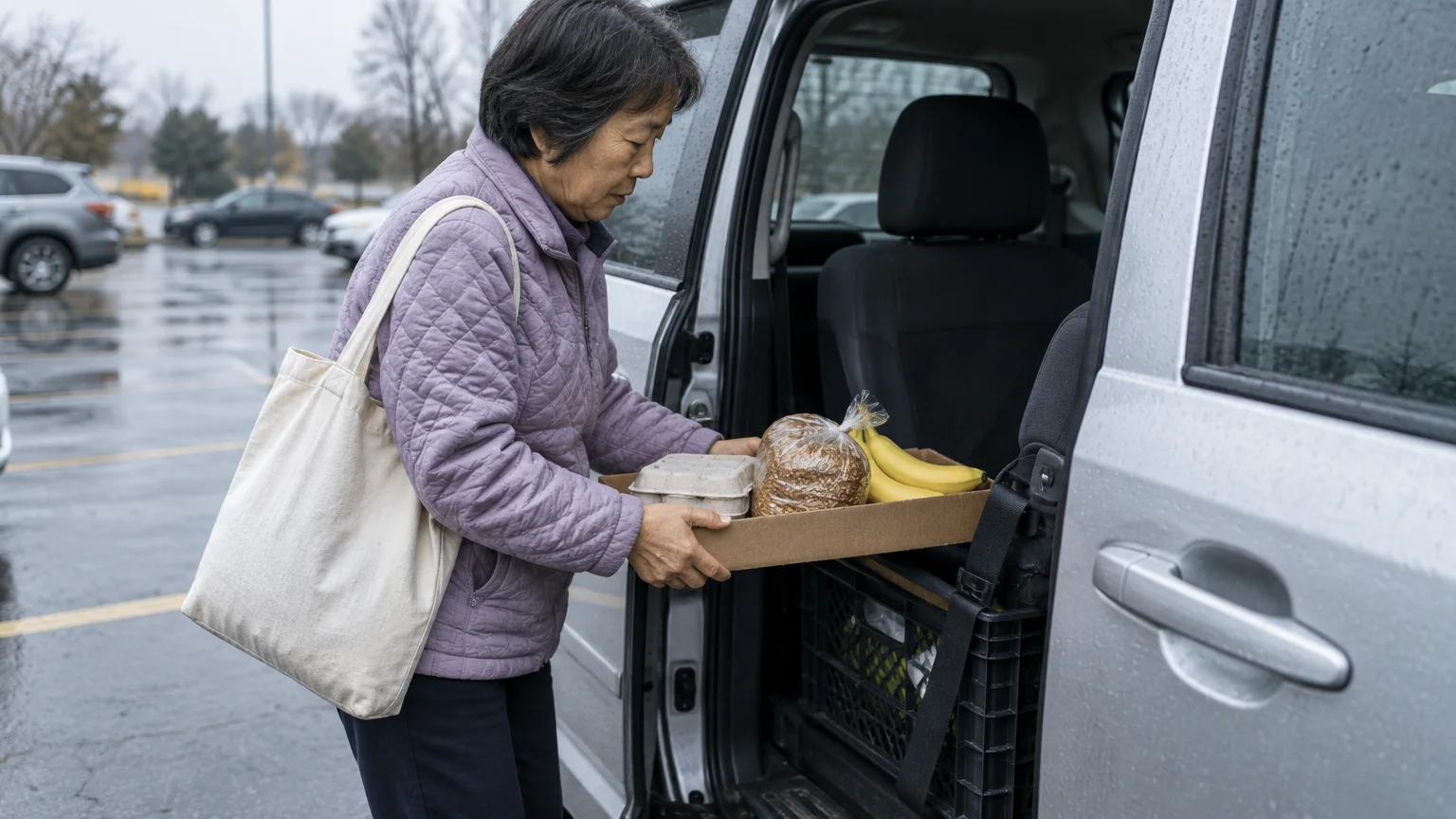
Preparing simple meals inside the vehicle limits grocery spending to $12.00 per day. Buying staples like oatmeal, canned beans, eggs, and seasonal produce at discount grocery stores keeps food affordable.
Allocating $3.00 per day covers twice-weekly municipal facility showers and basic water refills. The remaining $13.70 covers routine vehicle maintenance reserves and incidental campground access fees.
Zero-Dollar Overnight Stays on Public Lands
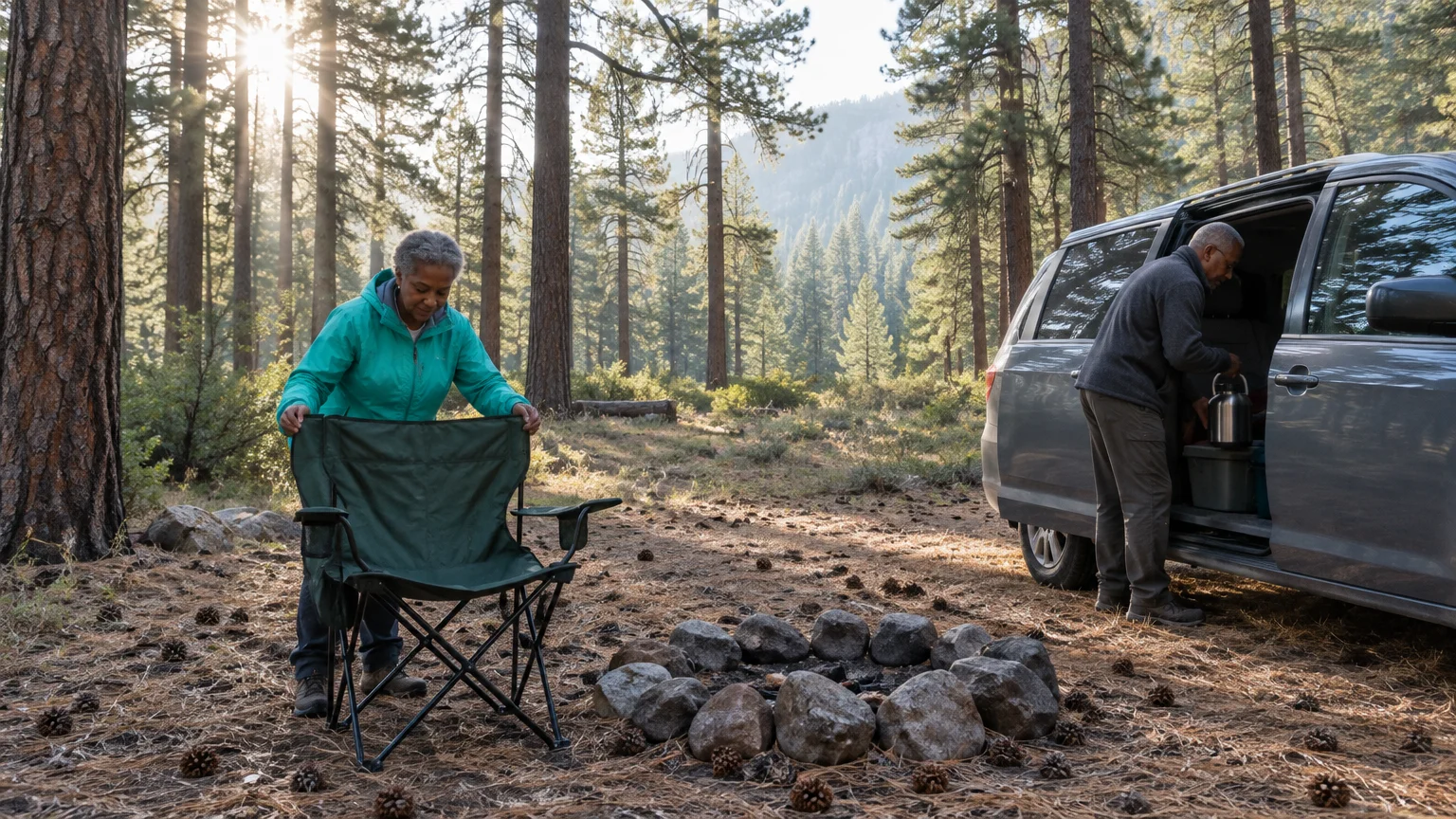
Dispersed camping allows you to park overnight on designated public lands without paying nightly campsite fees. These lands belong to the American public and offer peaceful wilderness views.
If you plan to follow warmer weather across southern states all winter, consult our guide to budgeting for an RV snowbird season to plan seasonal expenditures.
The Bureau of Land Management (BLM) and the United States Forest Service (USFS) manage hundreds of millions of public acres. Most of these parcels sit across the western states and parts of the upper Midwest.
Dispersed camping on BLM and USFS land allows a maximum stay of 14 days within any 28-day timeframe. Once you reach the 14-day limit, regulations require moving your vehicle at least 25 miles away.
Smartphone apps simplify locating these designated dispersed parcels. Tools such as iOverlander, Freecampsites.net, and Campendium catalog free legal locations with user reviews and cellular signal reports.
You must follow specific ground rules when camping on unimproved federal property:
- Camp only within 150 feet of established motor vehicle routes to protect wild vegetation.
- Pack out all household garbage, food scraps, and used personal hygiene materials.
- Observe local seasonal fire bans, which frequently prohibit open campfires during dry summer months.
- Keep gray water dumping at least 200 feet away from lakes, rivers, and natural springs.
- Avoid setting up camp in areas marked with private property boundary markers.
Always inspect physical signage at trailheads and forest service access gates. Local district rangers change access rules based on road washouts, wildlife preservation, or high fire danger.
Downloading offline maps before leaving cell coverage prevents losing your travel route in remote canyons. Keep a printed road atlas behind the front seat as an emergency backup.
Solving the Shower and Hygiene Puzzle for Pennies
Maintaining daily hygiene without paying for expensive private RV parks requires a smart local strategy. Commercial gym chains charge $25 to $45 monthly, but their facilities require driving into congested metropolitan areas.
Small-town municipal parks and county community centers offer a far better alternative for budget camper van travel. Local parks departments operate clean facilities designed for area residents that welcome daily visitors.
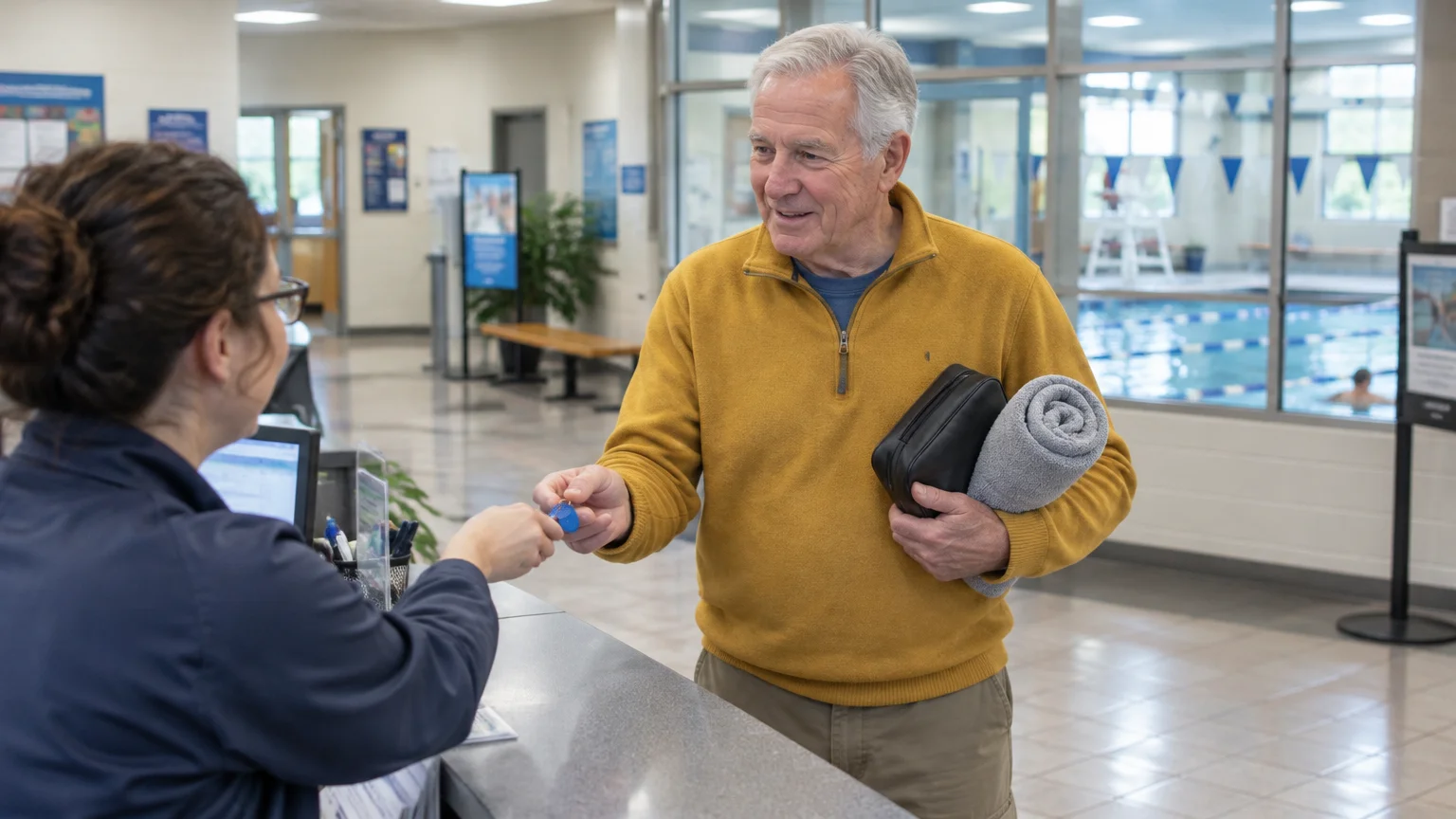
Most municipal community centers and public swimming pools sell single-visit day passes for $3 to $5 to older adults. These day passes grant access to hot locker-room showers, private changing stalls, and electrical outlets.
You can locate affordable shower access across the country using several practical options:
- Municipal aquatic centers, which often discount admission during adult lap-swim hours.
- County recreation complexes, which feature locker facilities alongside walking tracks.
- State park day-use areas, which provide coin-operated hot showers for $1 to $2.
- Commercial truck stops, which offer private shower suites for $12 to $15 when passing through interstate corridors.
- Public beach pavilions in coastal states, which offer outdoor freshwater rinse stations at no cost.
Between municipal center visits, you can clean up using no-rinse personal cleansing wipes designed for post-surgical care. A single package costs $8 and provides two weeks of daily cleanups.
You can also build a zero-cost solar shower using a clean two-gallon garden pump sprayer painted matte black. Placing the pressurized sprayer in the sun for two hours yields warm water for outdoor hair washing.
Essential Low-Cost Minivan Build Setup
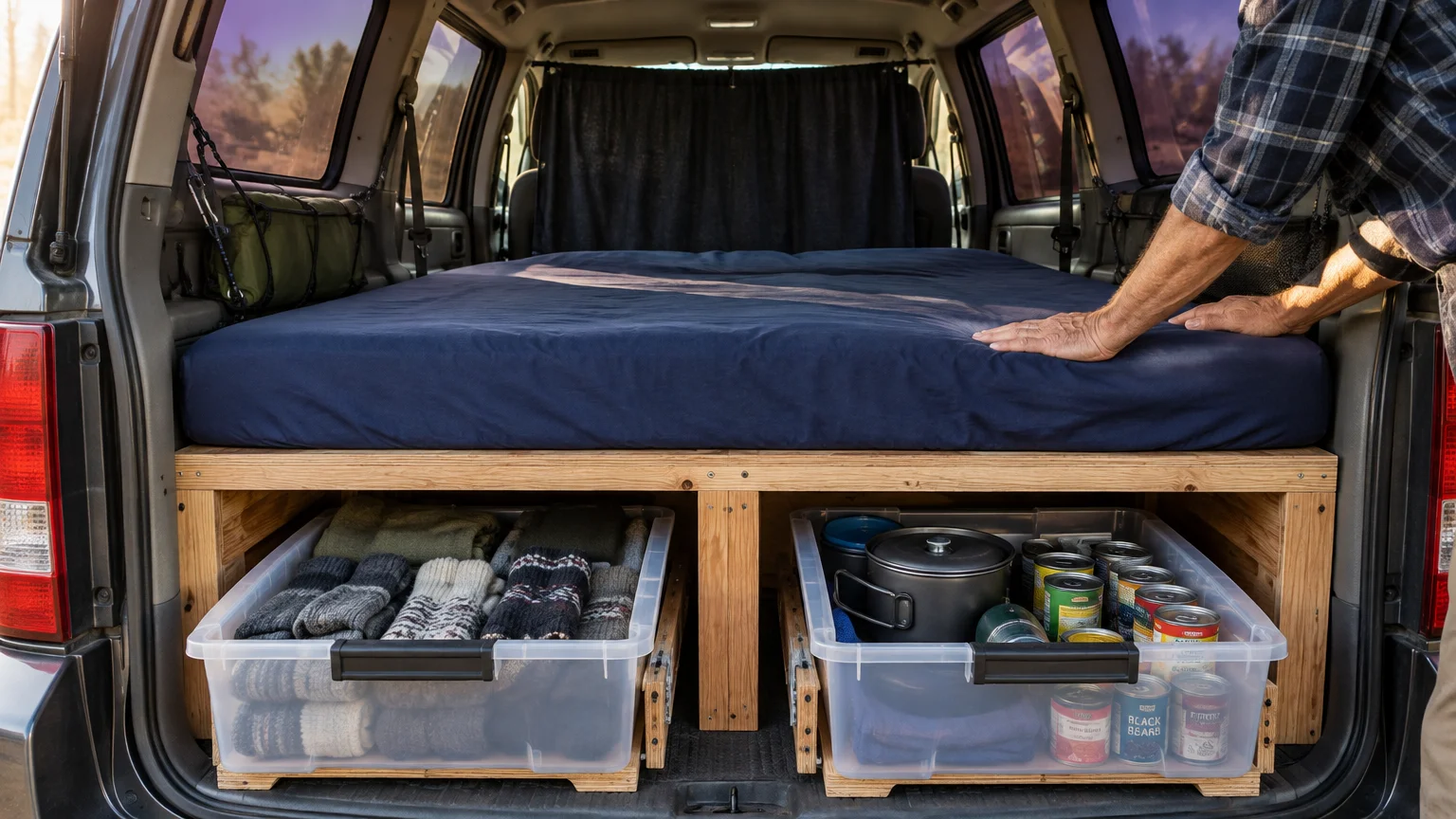
You do not need custom cabinetry or expensive lithium battery banks to travel comfortably. A standard minivan provides adequate space for a reliable, modular camping setup.
Once your build is complete, you can test it on scenic regional drives like a campervan fall foliage route in New England.
Passenger minivans offer distinct advantages over large cargo vans or commercial RVs. Models like the Toyota Sienna and Dodge Grand Caravan blend into ordinary traffic without advertising that someone sleeps inside.
A converted minivan avoids commercial campground restrictions that sometimes prohibit older full-size motorhomes. It also fits into standard parking spaces at grocery stores, trailheads, and municipal parks.
Build your sleeping and living platform using readily available household items:
- Fold the second- and third-row passenger seats completely flat into the floor compartments.
- Lay a four-inch high-density foam twin mattress directly on the flat vehicle floor.
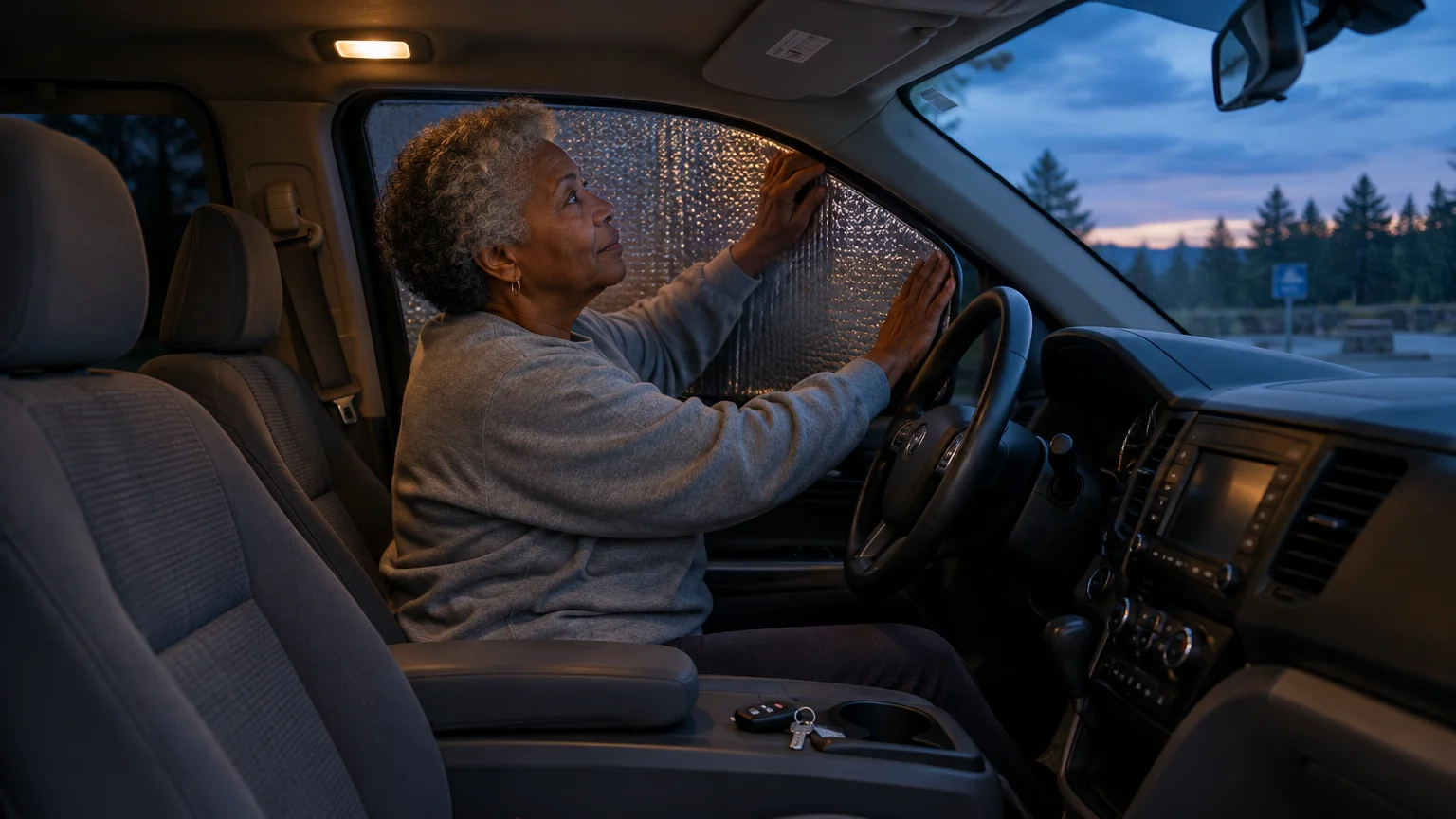
- Cut reflective bubble-foil insulation panels to match the interior dimensions of every rear window.
- Paint the outward-facing side of the window panels matte black to create privacy that looks like dark window tint.
- Position a five-gallon rigid water container equipped with a manual spigot behind the front passenger seat.
- Install magnetic window screens over the sliding side windows to allow cross-ventilation during warm nights.
- Place a portable five-gallon bucket toilet with pine sawdust in the rear corner for nighttime emergencies.
Cooking inside a small vehicle creates dangerous carbon monoxide and moisture buildup. Keep your kitchen equipment simple and prepare meals outside on the rear bumper or at picnic tables.
A single-burner portable butane camping stove costs roughly $30 and boils two cups of water in four minutes. Store your dry goods inside clear plastic storage bins stacked beside the mattress platform.
Power your cell phone, reading light, and small fan using a 240-watt-hour portable power station. You can recharge the power pack using the vehicle’s 12-volt accessory port while driving down the highway.

Managing Healthcare and Prescriptions Across State Lines
Traveling across state borders on a fixed income requires understanding how health insurance operates outside your home county. Healthcare gaps can result in significant out-of-pocket bills if emergencies arise.
Retirees aged 65 and older rely on Medicare for primary health coverage. However, your policy structure dictates whether doctors in other states will treat you affordably.
Original Medicare (Parts A and B) offers nationwide medical flexibility. Any doctor, clinic, or hospital in the United States that accepts Medicare can bill the program directly for covered services.
You can verify nationwide participating medical providers by searching Medicare.gov before traveling through new regions. This open network makes Original Medicare ideal for extended camper van trips.
In contrast, Medicare Advantage (Part C) plans rely on localized health maintenance organizations or preferred provider networks. Out-of-network care under Advantage plans is generally restricted to emergency and urgent room treatments.
If you experience non-emergency joint pain or skin irritations while traveling on an Advantage plan, local regional clinics may deny coverage. Switching to an Original Medicare plan during open enrollment protects mobile travelers from unexpected denials.
Managing prescription medications while driving requires specific advance coordination:
- Request 90-day supplies of critical medications from your prescribing doctor before departing on a long trip.
- Transfer recurring prescriptions to large nationwide retail pharmacies that permit refills at any retail branch.
- Sign up for mail-order delivery services routed to general delivery at local post offices along your planned route.
- Store prescription bottles inside an insulated container to protect pills from extreme summer vehicle heat.
- Carry written paper copies of your active medical diagnoses and current drug lists inside the glove compartment.
You can check your eligibility for supplementary public assistance programs through Benefits.gov to ensure you do not forfeit state-administered assistance while mobile.
Campground Discount Programs and Passes Compared
While dispersed camping on public land costs nothing, you will sometimes prefer developed campgrounds with flush toilets and water spigots. Several discount programs reduce the cost of developed campsites significantly.
Combining public land boondocking with tips for visiting national parks on a tight budget keeps your entrance and activity expenses to an absolute minimum.
Carrying an America the Beautiful pass pays for itself quickly, as detailed in our comprehensive National Park senior pass guide.
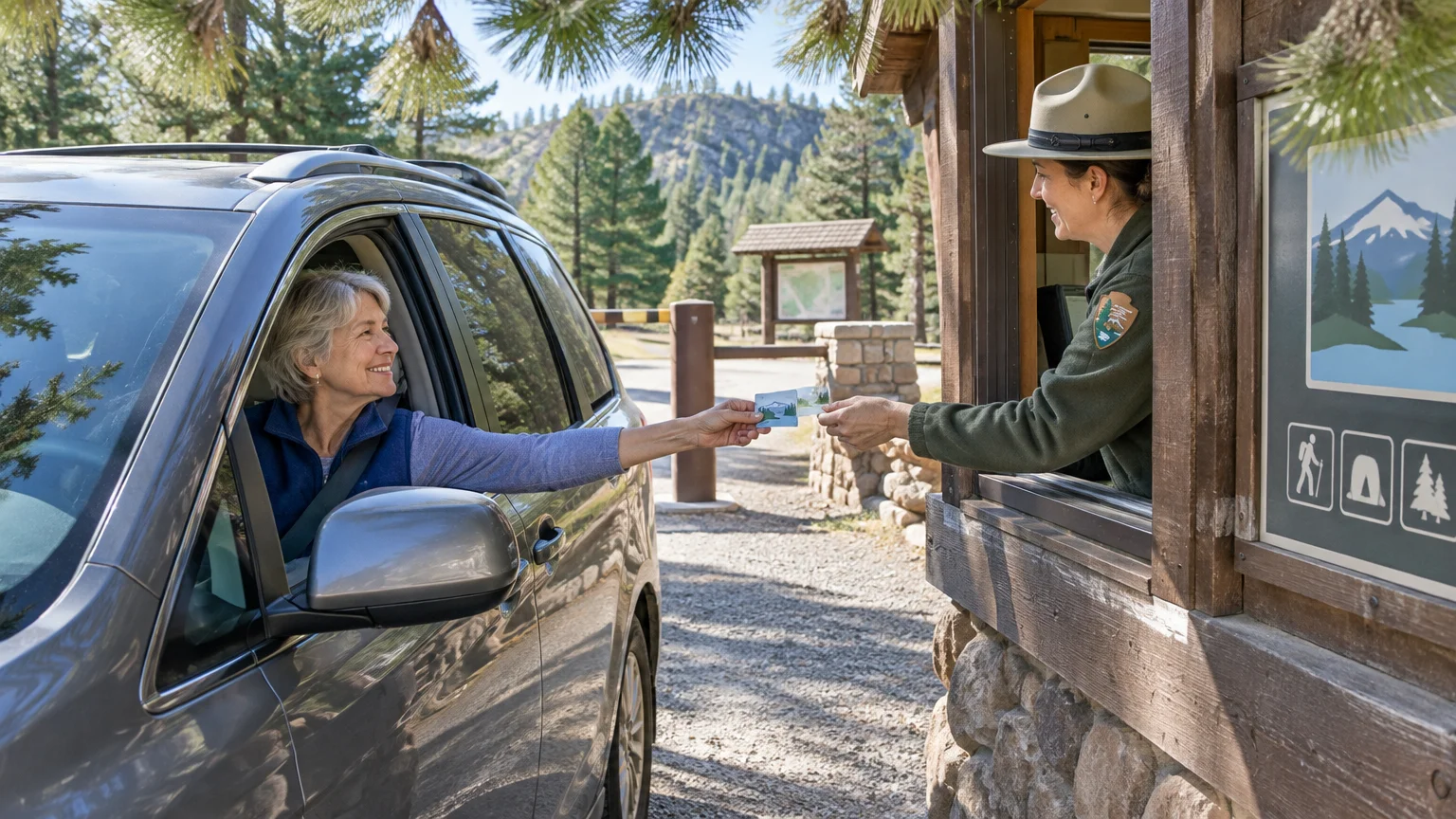
One of the most valuable resources for older road travelers is the lifetime national park senior pass, which significantly reduces fees at federal recreation sites across the country.
The National Park Service (NPS) offers the America the Beautiful Senior Pass to U.S. citizens aged 62 and older. This pass costs $80 for a lifetime credential or $20 for an annual permit.
The Senior Pass covers entry fees at national parks, national monuments, and federal wildlife refuges. Even better, it provides up to a 50 percent discount on camping fees at federally managed public campgrounds.
Private membership clubs offer alternative discounts at commercial RV parks and small businesses. Choosing the right program depends on your travel style and vehicle equipment.
| Program Name | Membership Cost | Typical Nightly Savings | Key Rules & Limitations | Campsite Network Size |
|---|---|---|---|---|
| America the Beautiful Senior Pass | $80 Lifetime / $20 Annual | 50% off standard camping | Age 62+ required; applies to federal public lands only | Over 2,000 recreation sites |
| Passport America | $49 per year | 50% off private RV parks | Frequent blackout dates; often valid weekdays only | Over 1,200 private campgrounds |
| Harvest Hosts Classic | $99 per year | Free overnight parking ($0 fee) | Patron purchase ($20–$30) requested; self-contained rigs | Over 5,000 farms & small businesses |
For a solo traveler in a converted minivan, the federal Senior Pass provides the greatest dollar-for-dollar return. A campsite that costs $20 per night drops to just $10 per night with your pass.
Passport America works well if you occasionally need full utility hookups to run an air conditioner during heat waves. However, private RV parks often exclude Friday and Saturday nights from the discount program.
Harvest Hosts connects travelers with local farms, breweries, and museums for unique overnight stays. However, guidelines request that you spend $20 to $30 patronizing the host business, which stretches a strict $35 daily budget.
Solo Safety and Practical Routines for Women Travelers
Traveling alone as an older woman requires consistent routines that protect your physical safety and comfort. Confidence on the road develops from following clear daily habits rather than relying on chance.
Your vehicle is your primary safety asset. Keeping your minivan mobile and operational ensures that you can leave an uncomfortable environment instantly without stepping outside.
Establish a disciplined routine every afternoon to prevent settling into camp after darkness falls:
- Arrive at your intended sleeping location by 4:00 PM to evaluate the surrounding neighborhood in full daylight.
- Park your minivan facing toward the exit route so you can drive forward immediately without backing up.
- Keep the driver’s seat completely clear of luggage, clothing, and gear at all times.
- Place your vehicle ignition key fob in the exact same spot near your bed every evening.
- Install dark privacy window coverings before turning on interior reading lights after sunset.
- Step outside briefly before turning in to verify that no light leaks illuminate your silhouettes from inside.
- Depart immediately if an area feels uncomfortable, without second-guessing your instincts.
Avoid placing bumper stickers or personalized decals on your vehicle that indicate your name, gender, or solo travel status. An ordinary vehicle that appears unoccupied is your best defense against unwanted attention.
Share your daily travel coordinates with an adult child or trusted friend each afternoon. A brief text message confirming your intended overnight campsite coordinates keeps loved ones informed without sacrificing your independence.
Keep a portable air horn and a high-lumen tactical flashlight on your sleeping platform. Emitting a loud blast or bright strobe light deters curious wildlife and alerts nearby campers if you require urgent assistance.
Frequently Asked Questions
How do you find safe and legal free camping locations?
You can locate legal, no-cost campsites on public lands using applications like iOverlander and Freecampsites.net.
Always verify that the site sits on Bureau of Land Management or U.S. Forest Service territory, and check local motor vehicle use maps to confirm designated dispersed camping corridors.
Where can you take a shower while living in a camper van?
Municipal recreation centers and county aquatic pools offer day passes ranging from $3 to $5, making them the most cost-effective option. You can also find single showers at commercial truck stops for $12 to $15, or use developed state park day-use facilities.
Does Original Medicare cover healthcare expenses while traveling out of state?
Yes. Original Medicare Parts A and B cover medical services from any doctor or hospital that accepts Medicare across all 50 states.
However, Medicare Advantage plans usually restrict non-emergency care to regional provider networks.
What vehicle is best for an affordable solo camper build?
A pre-owned passenger minivan, such as a Dodge Grand Caravan or Chrysler Pacifica with Stow ‘n Go seating, offers the best balance of cost and reliability. These vehicles achieve 20 to 25 highway miles per gallon and fit standard parking stalls without drawing attention.
How do you manage toilet needs inside a compact minivan?
A portable five-gallon bucket system fitted with a snap-on toilet seat provides a reliable, low-cost solution. Line the bucket with heavy-duty compostable waste bags and add wood pellets or pine shavings after each use to control odors.
Disclaimer: This article is for informational purposes only. Benefits, programs, and regulations can change.
We encourage readers to verify current information with official government sources and consult with qualified professionals for personalized advice.



4 Comments