

You can spend ten days in southern Spain on a fixed retirement income for under $3,000 total. Traveling during the November low season cuts typical lodging expenses by 55% while bypassing sweltering summer heat and overwhelming crowds.
With intentional planning and smart trade-offs, budgeting for travel in retirement lets you experience dream destinations without overspending.
Most budget guides claim transatlantic travel requires endless loyalty points or uncomfortable hostel stays. In contrast, this realistic strategy proves that a 65-year-old couple can afford comfortable private rentals, daily dining, and high-speed rail on Social Security alone.
Targeting the Mediterranean off-season unlocks steep transit discounts and low flat-rate apartment pricing. Careful timing allows you to stretch fixed monthly benefits without touching retirement nest eggs.
In this guide9 sections
- The Off-Season Advantage: Why November Beats Peak Summer
- The $3,000 Spain Budget: A Worked 10-Day November Itinerary
- Mastering European Transit Discounts for Seniors
- Lodging Strategies: Slashing Accommodation Costs by 55%
- Managing Healthcare and Medicare Risks Abroad
- Border Rules, Passport Validity, and New Entry Systems
- Daily Spending Benchmarks Across Off-Season Southern Europe
- Smart Currency Practices for Fixed-Income Travelers
- Frequently Asked Questions

The Off-Season Advantage: Why November Beats Peak Summer
Peak summer travel in Europe strains physical stamina and drains fixed retirement budgets. In July and August, temperatures in southern Spain regularly exceed 100 degrees Fahrenheit, making outdoor sightseeing dangerous for older adults.
Retirees looking for longer stays often expand this approach into planning a 30-day winter stay in Spain to take advantage of monthly off-season rental discounts.
Summer hotel rates also surge to unsustainable levels as international crowds compete for basic hotel rooms. A standard double room in Seville that costs $180 in July drops to $75 in November.
Choosing off season travel europe seniors prefer transforms the entire experience. Daytime temperatures in Andalusia hover around a pleasant 65 degrees, creating ideal conditions for walking historic city centers without heat exhaustion.
Flight prices drop alongside lodging costs. Major carriers reduce transatlantic fares by 30% to 45% once October ends, offering substantial savings before holiday spikes begin in late December.
Popular sights like the Alhambra in Granada become accessible without fighting shoulder-to-shoulder crowds. You can explore historic monuments at an unhurried, comfortable pace.
A penny saved is a penny earned.
Selecting the low season rather than the shoulder season europe budget maximizes every dollar. April and October still carry higher shoulder rates, while November offers true off-peak pricing across the Mediterranean.

The $3,000 Spain Budget: A Worked 10-Day November Itinerary
This worked example outlines a complete 10-day trip for a 65-year-old couple based on actual November costs. It proves that a cheap europe trip retirement plan can stay within a strict $3,000 limit.
To prepare comfortably for upfront costs like transatlantic flights, consider setting aside cash in a dedicated retirement travel sinking fund throughout the year.
The itinerary covers arrival in Madrid, five nights in Seville, and four nights in Granada before returning home. Every category reflects realistic, confirmed prices without skipping comfort or security.
- Roundtrip airfare for two from Boston (BOS) to Madrid (MAD): $1,150
- Nine nights in private one-bedroom vacation apartments: $675 ($75 per night average)
- Regional rail transit using senior discount passes: $160
- Daily food and groceries: $650 ($65 per day for the couple)
- Museum and cultural admissions: $140
- Travel medical insurance policies: $125
- Emergency buffer and incidental expenses: $100
The total comes to exactly $3,000 for both travelers combined. That works out to $1,500 per person for an international vacation that covers lodging, transport, dining, and activities.
According to the Social Security Administration, the average monthly retirement benefit is roughly $1,900 per worker. This entire vacation fits within the combined monthly income of two average beneficiaries.
By scheduling meals around midday lunch specials and cooking light evening meals, you protect your daily allowance. Fixed incomes require structured boundaries, and this model delivers dependable cost controls.

Mastering European Transit Discounts for Seniors
European national rail networks offer generous age-based discounts that surpass standard promotions. Most American retirees miss these deals because foreign booking websites do not display them automatically.
While European rail cards offer generous local savings, domestic travelers can take advantage of rail savings at home with an Amtrak senior discount.
In Spain, national rail operator Renfe provides the Tarjeta Dorada to anyone aged 60 and older. The card costs six euros per person and remains valid for one full year from purchase.
This card grants 25% to 40% discounts on high-speed AVE trains depending on the day of travel. It also takes 40% to 50% off mid-distance and commuter trains across the country.
- Arrive at the customer service desk at Madrid Atocha or Seville Santa Justa rail station.
- Present your original U.S. passport to verify that you are at least 60 years old.
- Pay the six-euro processing fee using a credit card or cash.
- Receive your printed Tarjeta Dorada card featuring your unique registration number.
- Enter that number during checkout on Renfe ticket kiosks or official websites to apply your discounted fare.
France offers a similar benefit called the SNCF Carte Avantage Senior for travelers aged 60 and above. That card costs 49 euros per year and provides guaranteed 30% discounts on high-speed TGV trains.
French senior cardholders also receive fare caps of 49 euros for trips under 90 minutes. Longer trips between 90 minutes and three hours cap at 69 euros in second class.
If you plan to visit multiple countries, look into the Eurail Senior Pass. Travelers aged 60 and older receive an automatic 10% discount on both first-class and second-class global passes.

Lodging Strategies: Slashing Accommodation Costs by 55%
Accommodation represents the largest variable expense on any overseas trip. Shifting your travel window to November triggers immediate price drops on short-term rentals and boutique apartments.
If you want to reduce accommodation fees down to virtually zero, exploring home exchange vacations offers another viable option for retirees.
Property owners in southern Spain drop nightly rates by up to 55% to fill units during slower months. A centrally located apartment in Seville that rents for 165 euros in June drops to 75 euros in November.
Renting a private apartment with a full kitchen creates secondary savings across your entire stay. Preparing breakfast and coffee at home saves an estimated $15 per day for a couple.
Before confirming an off-season rental, review building heating systems carefully. Traditional Andalusian brick buildings keep interiors cool during summer, but November evenings require functional wall heating or heat pumps.
- Select ground-floor apartments or buildings with working elevators (ascensores) to avoid carrying luggage up historic stairwells.
- Confirm the unit includes a reverse-cycle air conditioner or radiator heating for cool November nights.
- Look for units located within 500 yards of local transit stops to limit long walking distances with groceries.
- Filter searches for clothes washers to eliminate commercial laundry fees and minimize luggage weight.
- Request weekly or multi-night discounts directly from property managers when staying longer than four nights.
Booking through verified rental platforms protects your payments while providing secure messaging. Avoid sending direct wire transfers or off-platform deposits to unknown property hosts.
Staying in residential neighborhoods rather than tourist zones also lowers grocery prices. Neighborhood markets offer fresh produce, bread, and staples at local shelf prices.

Managing Healthcare and Medicare Risks Abroad
Healthcare planning requires strict attention before leaving U.S. soil. Many retirees assume their domestic health insurance travels with them across international borders.
According to Medicare.gov, Original Medicare (Parts A and B) provides zero coverage for medical services outside the 50 United States and U.S. territories. Part D prescription drug plans also exclude overseas pharmacies.
If you rely solely on Original Medicare, an unexpected medical emergency abroad results in 100% out-of-pocket liability. You must understand your supplemental coverage options before departure.
Standard Medigap supplement plans (Plans C, D, F, G, M, and N) include limited foreign travel emergency coverage. This benefit carries precise rules and caps that you must track carefully.
- A strict $50,000 lifetime coverage maximum across all foreign medical claims.
- A $250 annual deductible before benefits apply.
- Coverage pays 80% of billed emergency charges, leaving you responsible for 20% coinsurance.
- Coverage applies only to emergency care received during your first 60 consecutive days outside the U.S.
- Zero coverage for emergency medical evacuation or medical repatriation back to the United States.
Medical evacuation flights from Europe to the United States frequently cost between $50,000 and $200,000. Because Medigap excludes this service, buying a standalone travel medical policy is essential.
For a 10-day trip, a 65-year-old couple can purchase a comprehensive international policy for roughly $125 total. That policy provides $250,000 in emergency evacuation and direct payment coordination with European hospitals.
Carry your primary doctor’s contact information and a detailed printed list of generic prescription names. European pharmacies dispense medications using international generic titles rather than American brand names.

Border Rules, Passport Validity, and New Entry Systems
Border regulations across the European Union have introduced updated digital security protocols. Knowing these rules prevents boarding denials and unexpected border delays at airport checkpoints.
Remaining aware of the 90-day threshold is also vital when organizing an extended getaway like a winter slow-travel stay in Portugal’s Algarve.
American citizens travel visa-free in the Schengen Area under the 90/180-day rule. You may remain inside the zone for up to 90 days within any rolling 180-day window.
Exceeding that 90-day threshold triggers severe penalties, including administrative fines and multi-year entry bans. For a 10-day vacation, this limit provides more than enough flexibility.
Your passport must be valid for at least three months beyond your scheduled departure date from the Schengen territory. Additionally, European border officials require passports issued within the past 10 years.
The European Union Entry/Exit System (EES) now operates across external Schengen borders. This digital border system replaces traditional ink passport stamps with electronic facial scans and fingerprint checks.
Looking ahead, the European Travel Information and Authorisation System (ETIAS) is expected to launch in 2027. American travelers will submit an online pre-travel authorization before departure.
The standard ETIAS application fee is 20 euros per traveler. However, travelers aged 70 and older are exempt from paying this fee, though they must still submit the authorization request.
If your flight transits through London Heathrow or Gatwick, note the UK Electronic Travel Authorisation (ETA). American visitors entering the United Kingdom must obtain this digital permit for 10 British pounds.

Daily Spending Benchmarks Across Off-Season Southern Europe
Southern European countries offer differing levels of off-season affordability. Comparing these regions helps you choose the best match for your monthly retirement budget.
Andalusia in Spain and the Algarve in Portugal rank among the most economical destinations in Western Europe. Both regions provide modern infrastructure, high healthcare standards, and extensive senior transit benefits.
| Destination Region | Nov. Apartment (Per Night) | Daily Food Budget (Couple) | Senior Transit Discount |
|---|---|---|---|
| Andalusia, Spain | $75 | $65 | Renfe Tarjeta Dorada: 25%–40% off high-speed rail |
| Algarve, Portugal | $70 | $60 | CP Trains: 50% off regional fares for age 65+ |
| Sicily, Italy | $80 | $70 | Trenitalia Senior discounts with CartaFRECCIA |
| Peloponnese, Greece | $65 | $55 | KTEL regional bus senior fare reductions |
Dining out in southern Europe during the off-season offers significant savings through midday dining traditions. In Spain, restaurants offer the fixed-price menu del dia between 1:00 PM and 4:00 PM.
This menu costs between 12 and 16 euros per person and includes a first course, main dish, bread, dessert, and a drink. Eating your primary meal at midday lowers daily food spending substantially.
You can supplement midday dining with fresh ingredients from neighborhood municipal markets. Buying local cheeses, cured meats, and fresh fruit keeps evening meals light, nutritious, and inexpensive.
Researching benefits through resources like AARP reveals additional foreign hotel promotions. Combining membership perks with local off-season discounts delivers the lowest possible trip costs.
Smart Currency Practices for Fixed-Income Travelers
Foreign transaction charges and poor currency conversion rates quietly erode fixed retirement budgets. Protecting your dollars requires setting up zero-fee financial tools before leaving home.
Most basic credit cards impose a 3% foreign transaction fee on every international charge. On a $3,000 trip, that unnecessary fee wastes $90 that could fund meals or transit.
Carry at least one credit card that charges zero foreign transaction fees. Many major banks and credit unions offer fee-free travel cards without annual maintenance charges.
When paying by card at European terminals, merchants often ask whether you prefer billing in U.S. dollars or euros. This mechanism is called Dynamic Currency Conversion (DCC).
Always choose to pay in local euros rather than U.S. dollars. Choosing dollars allows the local merchant processor to set an inflated exchange rate, adding hidden markup fees of 5% to 8%.
- Notify your credit card issuers of your foreign travel dates to avoid automated fraud freezes on your accounts.
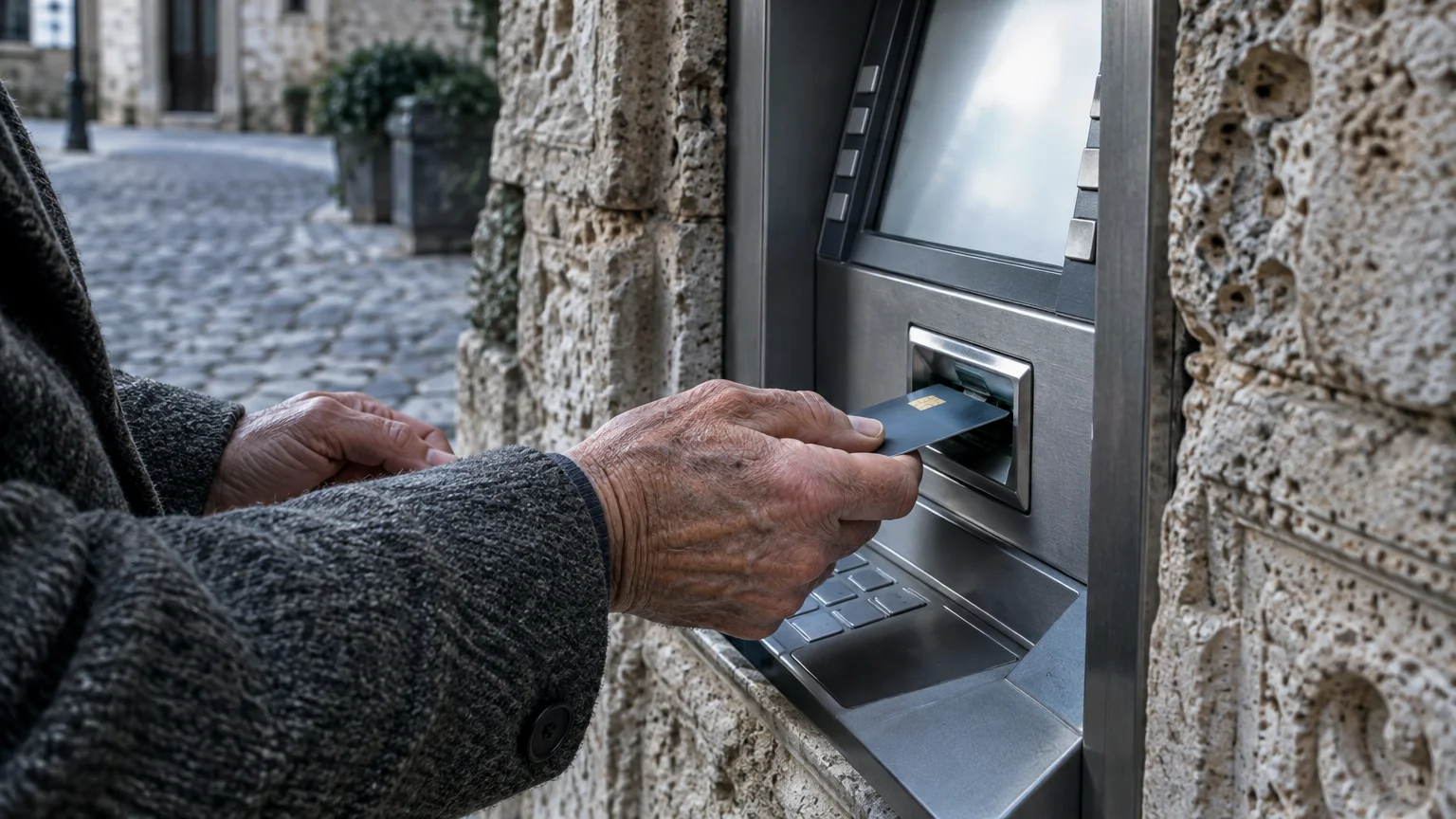
- Withdraw euro cash only from bank-affiliated ATMs (cajeros automaticos) attached to brick-and-mortar financial institutions.
- Avoid standalone blue-and-yellow commercial ATMs located in tourist corridors, which add aggressive flat fees and poor conversion rates.
- Keep a backup debit card stored in an apartment safe separate from your daily wallet.
Following disciplined financial habits prevents currency drain on your accounts. You keep your hard-earned funds directed toward your travel experiences rather than international banking markups.
Frequently Asked Questions
Can a retired couple travel abroad comfortably on a Social Security income?
Yes, careful timing makes international travel achievable on fixed benefits. Traveling during November reduces lodging costs by up to 55% and keeps total 10-day trip costs under $3,000.
Does Medicare cover emergency room visits while traveling in Europe?
Original Medicare Parts A and B offer no coverage outside the United States. Certain Medigap supplement plans provide foreign emergency benefits, but they carry a $50,000 lifetime limit and exclude medical evacuation.
How do American seniors qualify for train discounts in Spain?
Americans aged 60 and older can purchase the Renfe Tarjeta Dorada at any Spanish rail station ticket counter. It costs six euros and offers discounts between 25% and 50% across the rail network.
What happens if a passport expires within three months of traveling to Europe?
Airlines will deny boarding if your passport expires within three months of your planned departure from the Schengen zone. Renew your passport early to ensure it holds at least six months of remaining validity.
Is November weather warm enough for sightseeing in southern Spain?
November daytime highs in southern Spain average 65 to 68 degrees Fahrenheit with comfortable sunshine. The mild weather provides ideal conditions for walking and sightseeing without the extreme heat of summer.
Disclaimer: This article is for informational purposes only. Benefits, programs, and regulations can change.
We encourage readers to verify current information with official government sources and consult with qualified professionals for personalized advice.



1 Comment