
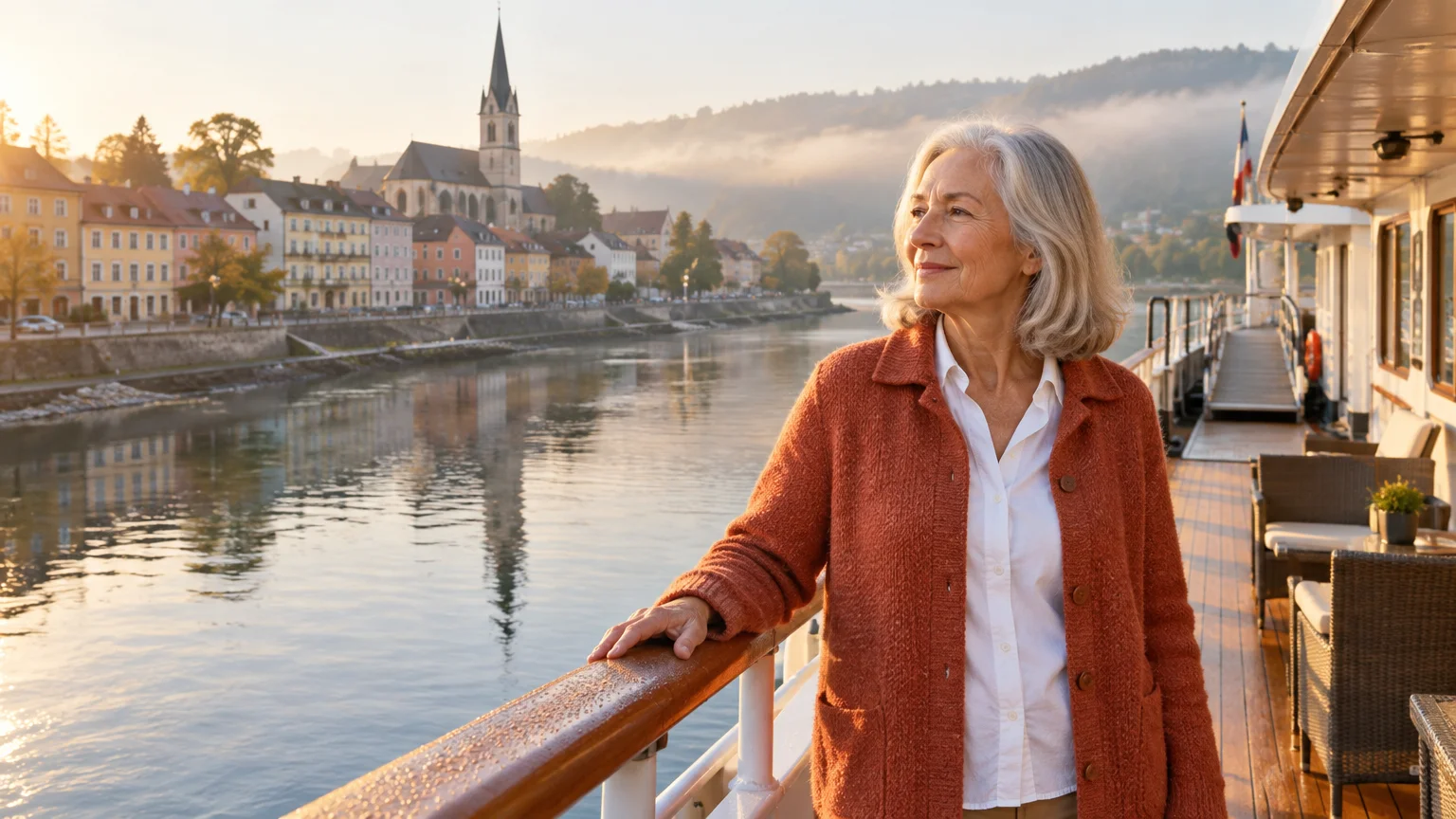
European cultural journeys do not require crowded ocean liners or double-occupancy price penalties. If you travel solo in retirement, small-ship river cruising offers an intimate way to explore historic towns with ease.
Most booking sites hide the fact that premier river operators completely eliminate single supplements on specific spring departures across the Danube and Rhine. You do not have to pay for an empty bed.
By targeting these seasonal allocations, you can secure private staterooms at standard per-person rates while enjoying docking in historic city centers. Here is how to plan your trip efficiently.
In this guide9 sections
- Why Small-Ship River Travel Fits Solo Travelers Over 70
- The Real Cost of the Single Supplement and How to Eliminate It
- Top River Cruise Lines with Zero Single Supplements for Spring Sailings
- Comparing Spring Rhine and Danube Solo Packages
- A Worked Budget Example: 7-Night Danube Spring Itinerary
- Physical Accessibility, Safety, and Onboard Logistics
- Managing Healthcare and Finances Away from Home
- Step-by-Step Guide to Booking Your Solo River Cruise
- Frequently Asked Questions
Why Small-Ship River Travel Fits Solo Travelers Over 70
Ocean mega-ships often carry 4,000 passengers and resemble floating amusement parks. In contrast, European river regulations restrict vessel lengths to 135 meters (443 feet) so ships can pass through narrow river locks.
For retirees interested in domestic nature voyages rather than European history, exploring the Alaska Inside Passage with your grandkids provides another scenic small-ship route.
For women seeking organized companionship beyond shipboard cruising, exploring solo female travel groups for retirees can also provide wonderful land-based community.
This physical restriction caps guest capacity between 120 and 190 travelers. You will never wait in long lines or walk quarter-mile corridors to reach the dining room.
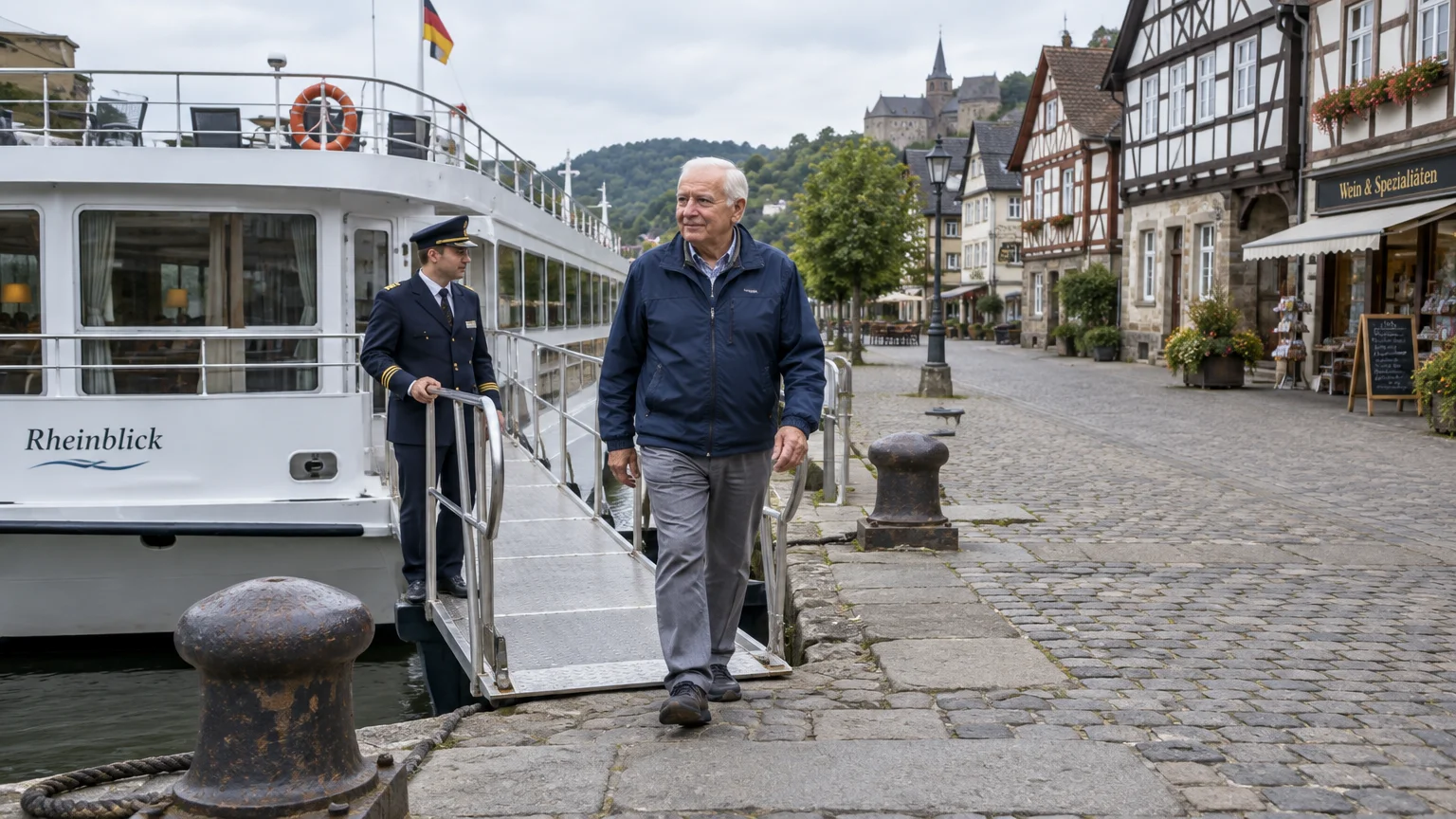
River ships dock directly in the heart of cities like Vienna, Strasbourg, and Budapest. You simply walk across the gangway to reach historic squares, avoiding tender boats and lengthy shuttle transfers.
Social dynamics on a small vessel naturally support solo seniors. Open-seating dining rooms feature tables of six or eight, allowing you to join fellow travelers for dinner without structured seating pressures.
According to Cruise Lines International Association (CLIA) industry reports, solo vacationers now represent roughly 10% of cruise passengers. Retirees driving this demand seek cultural immersion, safety, and manageable physical environments.
- Low passenger counts: Enjoy quiet lounges, attentive crew service, and uncrowded observation decks with fewer than 190 guests onboard.
- Direct city center access: Step straight off the gangway into charming historic villages without waiting for tour bus transfers.
- Easy interior layouts: Travel between your stateroom, the dining salon, and the library in under two minutes without exhaustion.
- Built-in community: Share daily excursions and evening meals with small groups of curious, culturally minded travelers your age.
The Real Cost of the Single Supplement and How to Eliminate It
The single supplement is an added surcharge that cruise lines charge solo guests occupying a standard two-person cabin. Because base fares assume two paying passengers, operators routinely charge solos 150% to 200% of the advertised rate.
Retirees who prefer settling in one destination over moving between ports can look into how to plan a 60-day winter slow-travel stay in Portugal’s Algarve for affordable long-term lodging.
If a cabin costs $3,000 per person based on double occupancy, a solo passenger paying a 100% supplement must pay $6,000. That markup penalizes solo seniors on fixed retirement incomes.
Fortunately, river lines adjust their pricing strategies during the spring shoulder season. From late March through early May, several operators waive this fee entirely on select itineraries.
Cruise lines use three primary strategies to accommodate solo travelers without double charges:
- Permanent baseline waivers: Eliminating the supplement on lower-deck staterooms for all departures across the entire sailing season.
- Dedicated solo staterooms: Building purpose-built single cabins that carry zero supplement fee year-round.
- Capacity-controlled seasonal promotions: Releasing a limited quota of standard double cabins to solo travelers at zero markup during spring departures.
- Dedicated solo departures: Chartering entire ships exclusively for solo guests with no supplement across any cabin category.
Securing these rooms requires understanding operator release schedules. Because lines reserve only three to six waiver cabins per vessel, you must book early to claim them.

Top River Cruise Lines with Zero Single Supplements for Spring Sailings
Not all cruise lines treat solo seniors equally. Four major European river cruise operators offer structured policies that eliminate or drastically slash single supplements on spring sailings.
Tauck: Complete Category 1 Stateroom Waivers
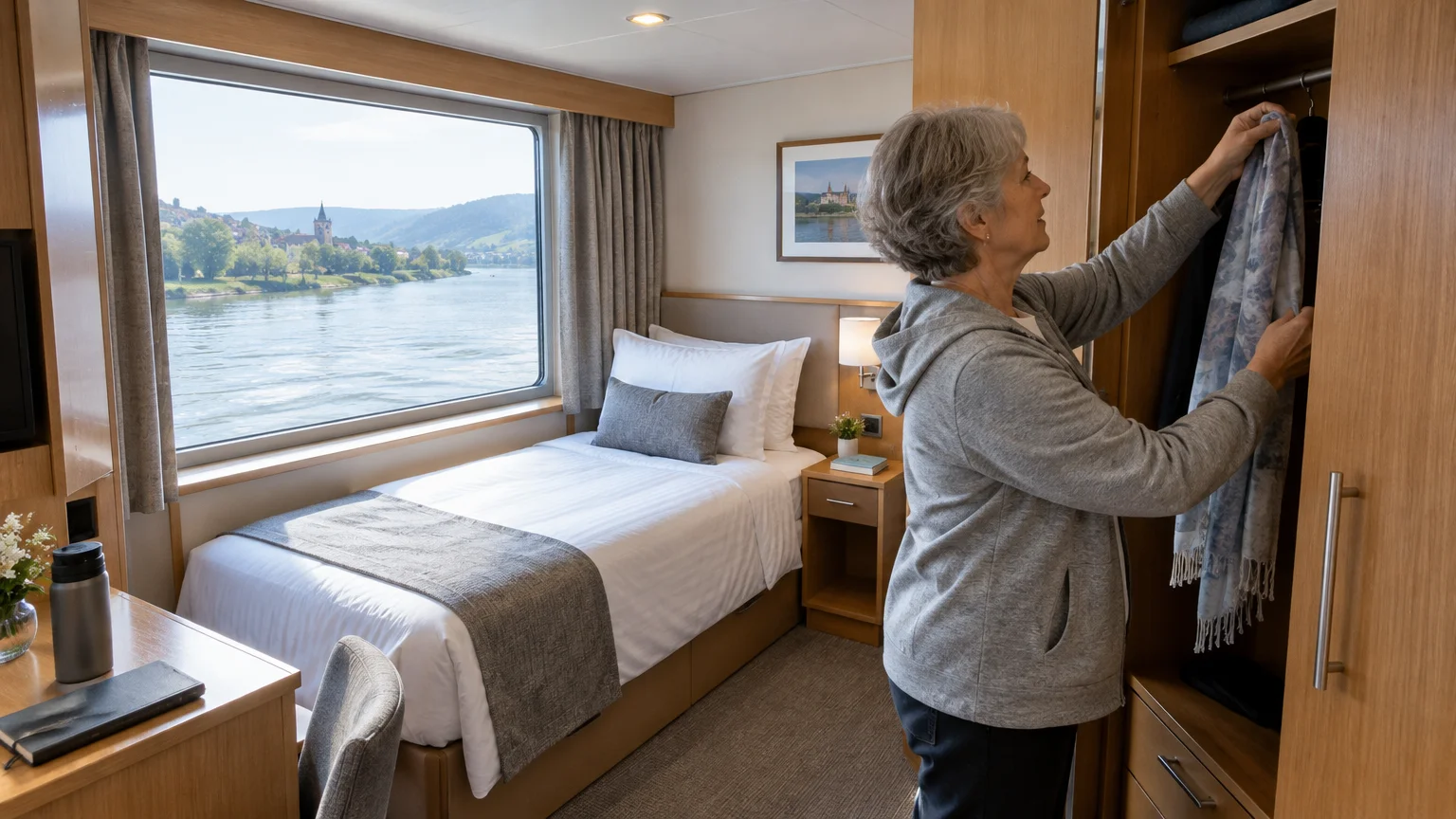
Tauck offers one of the most generous solo programs in the river cruise industry. The company permanently waives the single supplement on every Category 1 stateroom across all European river vessels on every departure.
If educational exploration appeals to you, learning how to get Road Scholar travel grants offers another path to low-cost lifelong learning overseas.
This waiver applies to more than 250 annual departures on the Danube, Rhine, Rhône, and Seine rivers. These Category 1 rooms sit on the lower deck and feature eye-level river views.
If you prefer an upper-deck cabin with a French balcony, Tauck also cuts up to $1,000 off single supplements on select Category 4 and 5 staterooms on designated spring dates.
Riviera River Cruises: Dedicated Solo Ships and Allocations
Riviera River Cruises sets aside four to six supplement-free standard cabins on every European departure throughout the year. Once those cabins sell out, standard rates apply.
Riviera also schedules dedicated solo-only departures across the Rhine and Danube in the spring. On these specific sailings, 100% of guests are traveling solo, and zero single supplements apply to any cabin tier.
The company designated the MS George Eliot to operate entire seasons tailored specifically for independent travelers. The onboard team arranges casual mixers and group tables so no one eats alone unless they choose to.
AmaWaterways: Custom Solo Staterooms
AmaWaterways designs purpose-built single staterooms measuring approximately 140 square feet on four of its European vessels: AmaLyra, AmaDolce, AmaDante, and AmaCello.
These rooms feature full French balconies and queen-size beds with zero single supplement fee. You receive the same luxury amenities as double staterooms without paying for empty floor space.
AmaWaterways also releases promotional waivers on standard double cabins for early spring sailings along the Danube. These limited offers either eliminate the supplement or discount it to 10%.
Avalon Waterways: Capacity-Controlled Stateroom Quotas
Avalon Waterways operates an inventory-release system for solo cruisers. On select spring sailings, Avalon waives the supplement fee on a designated quota of Deluxe Staterooms and Panorama Suites.
If you want to complement relaxed river sailing with an active pilgrimage across historic European landscapes, consider walking the Camino de Santiago over 65.
Their Panorama Suites feature wall-to-wall, floor-to-ceiling panoramic windows that slide open to create an open-air balcony. This design lets you enjoy river scenery from your bed without losing interior living space.
Because Avalon limits these waivers to two or three cabins per departure, booking these spring slots requires reserving your date six to nine months in advance.
Comparing Spring Rhine and Danube Solo Packages
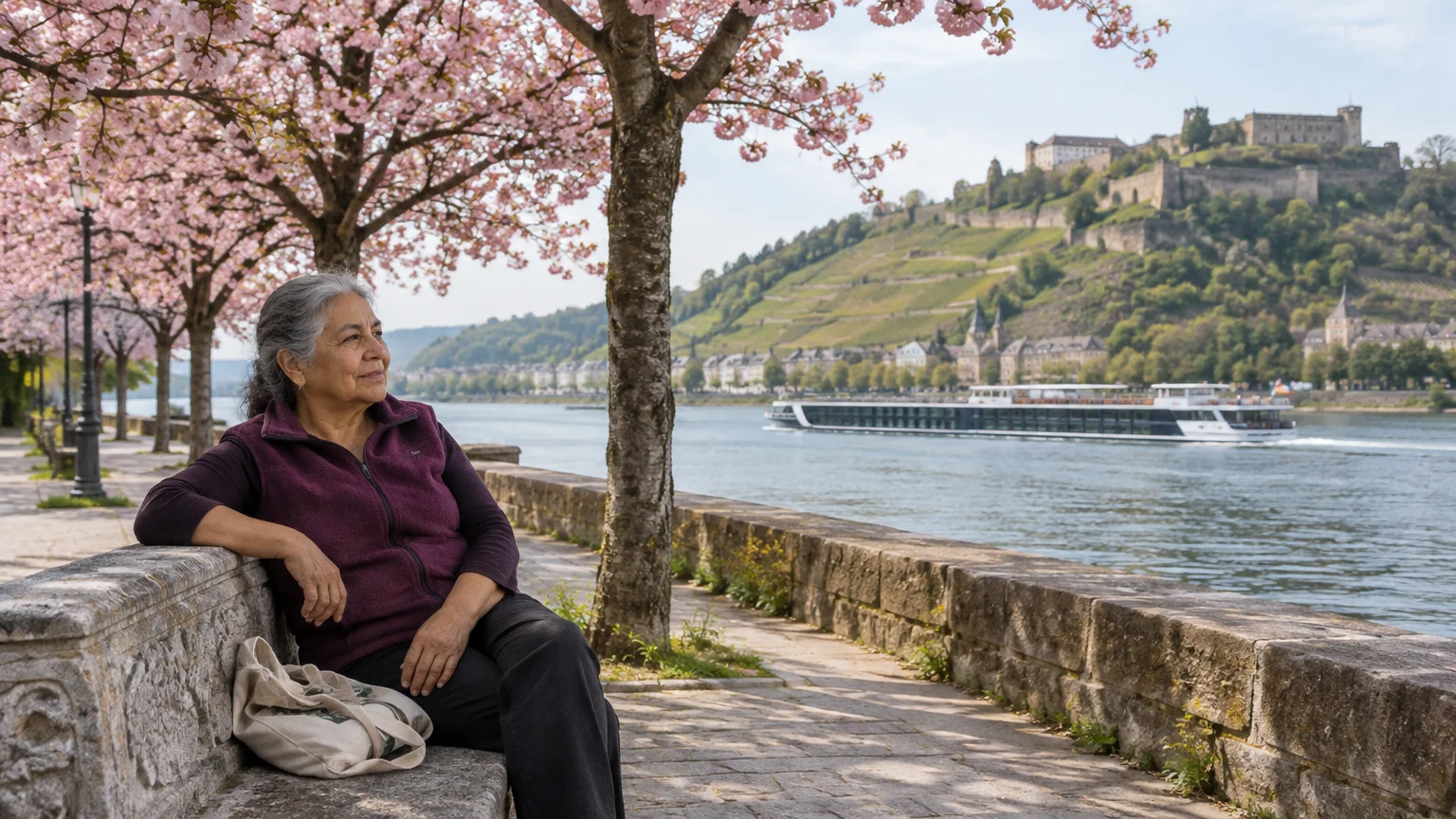
Spring is an ideal time for older solo travelers to experience Europe. Mild temperatures reduce heat exhaustion, and tourist crowds remain light in historic ports.
During unguided afternoons exploring historic capital centers, be sure to ask for museum admission discounts for seniors at prominent cultural sights.
The Rhine River offers dramatic scenery through the Rhine Gorge, passing terraced vineyards and historic castles between Basel and Amsterdam. The Danube River provides flat, walkable access to major capitals including Vienna, Bratislava, and Budapest.
The table below compares verifiable solo options across leading cruise operators for seven-night spring itineraries:
| Cruise Line | Cabin Type & Vessel | Route & Season | Guest Capacity | Typical Solo Base Fare | Single Supplement Cost |
|---|---|---|---|---|---|
| Tauck | Category 1 (Lower Deck) | Danube: Regensburg to Budapest (April) | 130 guests | $3,990 – $4,490 | $0 (Waived completely) |
| Riviera River Cruises | Standard Stateroom (MS George Eliot) | Rhine: Cologne to Basel (April/May) | 140 guests | $2,899 – $3,499 | $0 (Dedicated solo departure) |
| AmaWaterways | Single French Balcony (AmaDante) | Danube: Vilshofen to Budapest (March/April) | 144 guests | $3,299 – $3,899 | $0 (Purpose-built single cabin) |
| Avalon Waterways | Panorama Suite (Suite Ship) | Rhine: Amsterdam to Basel (April) | 166 guests | $3,400 – $4,100 | $0 (Promotional quota waiver) |
When selecting your route, consider walking demands. Danube itineraries feature flatter cobblestone paths near docking slips, whereas certain Rhine village stops involve steeper inclines up to castle ruins.
April sailings through the Netherlands and Belgium also showcase peak tulip blooms. These itineraries stay almost entirely on calm canal waterways with minimal lock turbulence.
A Worked Budget Example: 7-Night Danube Spring Itinerary
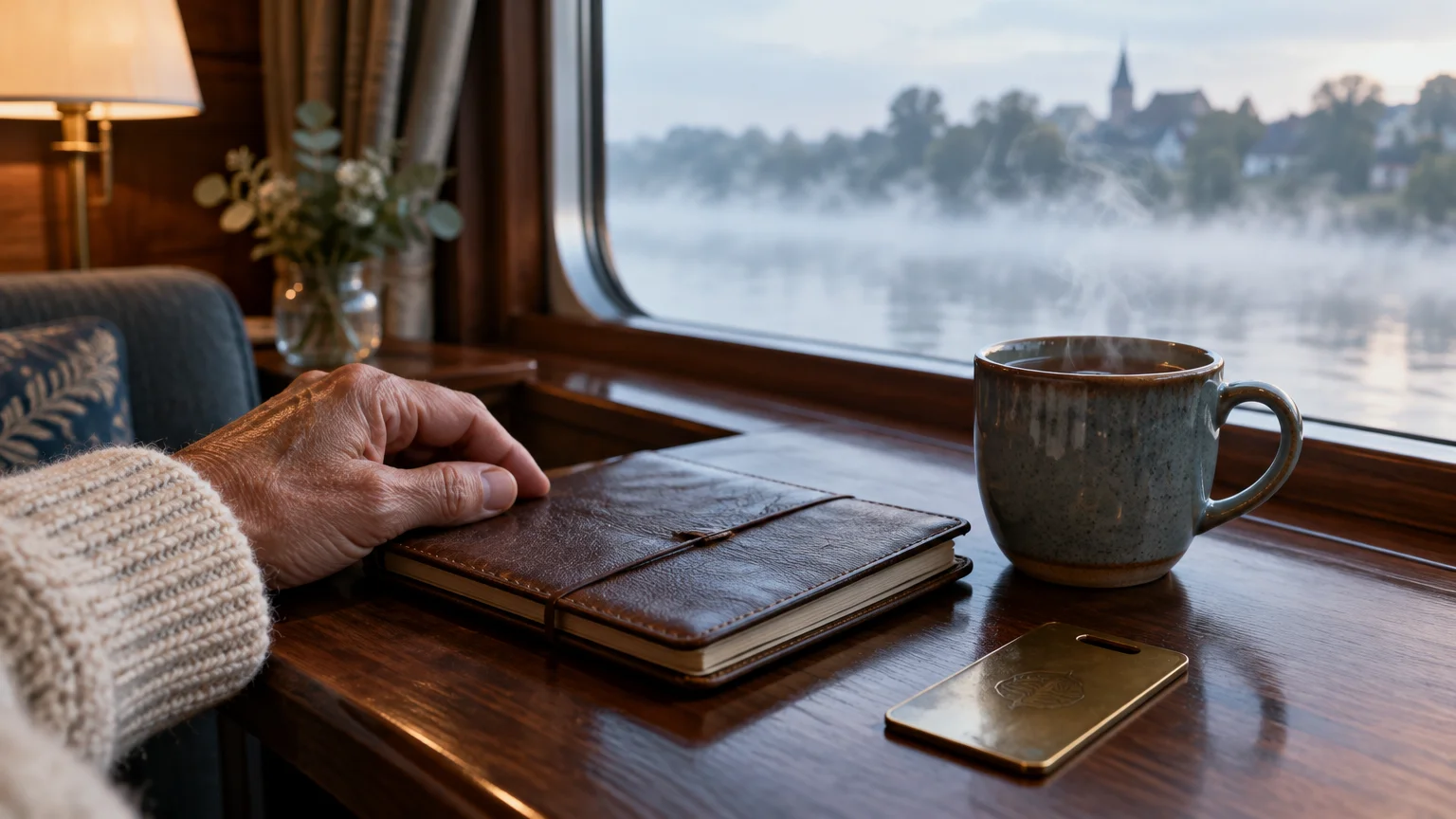
To understand the financial benefits of these solo policies, examine this realistic budget for a 72-year-old solo traveler named Eleanor. She is booking a seven-night Danube cruise from Passau to Budapest in late April.
When preparing your travel budget, account for private medical coverage abroad since traveling with Medicare outside the U.S. leaves significant gaps in emergency care.
To prepare for upfront costs without raiding core savings, consider setting up a dedicated travel sinking fund well before reserving your departure.
Eleanor secures a Category 1 stateroom with Tauck, utilizing their permanent zero-supplement solo policy. This avoids the traditional double-occupancy penalty entirely.
Unlike ocean lines, river cruises bundle almost all daytime excursions and meals into the upfront ticket. This structure prevents unexpected bills that strain monthly retirement income.
- Base Cruise Fare (Tauck Category 1, 7 Nights): $3,990.00
- Single Supplement Fee: $0.00 (Standard penalty of $3,990 waived)
- Daily Shore Excursions (Included): $0.00 (Value: ~$650)
- Beer, Wine, and Soft Drinks with Meals (Included): $0.00 (Value: ~$250)
- Port Taxes and Government Fees (Included): $0.00 (Value: ~$210)
- Airport Transfers to/from Vessel (Included): $0.00 (Value: ~$140)
- Roundtrip Economy Airfare (JFK to Munich, Budapest to JFK): $980.00
- Comprehensive Travel Insurance (Medical & Evacuation): $360.00
- Discretionary Cash (Tips, Cafes, Souvenirs): $180.00
- Total Out-of-Pocket Investment: $5,510.00
Had Eleanor booked a standard ocean cruise or an un-waived river cabin, her cruise ticket alone would have reached $7,980. Choosing a waived-supplement spring departure saves her nearly $4,000 on baseline costs.
To maintain control over your spending before traveling overseas, review practical budgeting guidelines from the Consumer Financial Protection Bureau to avoid surprise bank conversion fees.
Physical Accessibility, Safety, and Onboard Logistics
Safety and mobility represent major priorities for independent older women traveling overseas. River ships offer distinct physical advantages over giant ocean vessels, though you must prepare for specific terrain challenges.
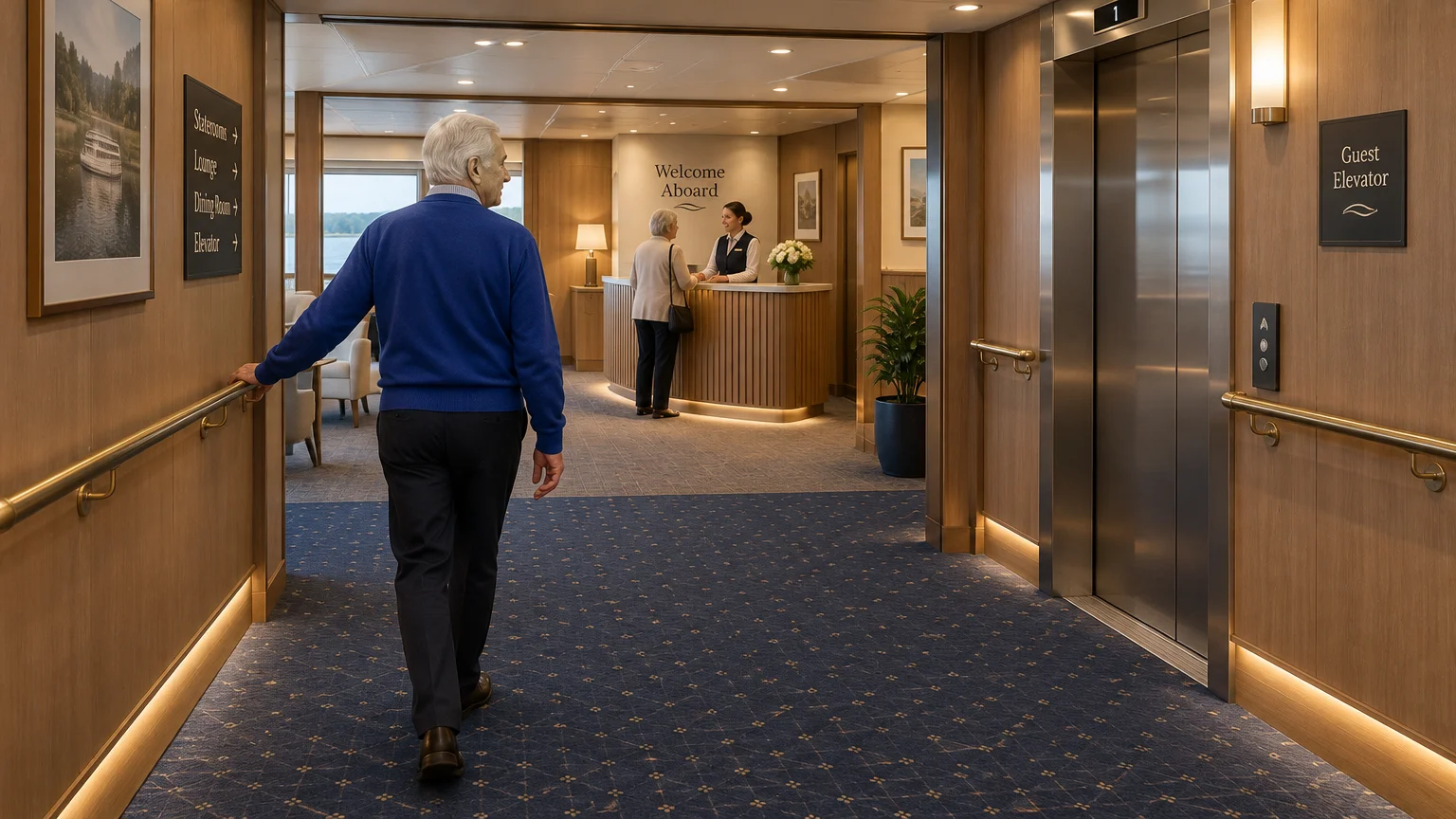
Vessel interiors feature compact layouts. Most ships have an elevator connecting the main cabin decks, though elevators rarely access the open top sun deck.
River cruise lines assign shore excursions according to walking pace. You can join the gentle walker group, which takes frequent rest stops, avoids steep stairs, and focuses on level historic streets.
You must prepare for cobblestone streets. Historic river towns like Dürnstein, Germany, and Melk, Austria, feature uneven medieval stones that require supportive walking shoes.
- Pack sturdy footwear: Wear broken-in walking shoes with thick rubber treads to cushion your joints on cobblestones and wet gangways.
- Request gentle walking groups: Sign up for gentle excursions at the hospitality desk every evening to match your personal comfort level.
- Watch for rafted ships: River vessels sometimes dock side by side; you may need to walk through another ship’s lobby to reach the shore.
- Use quiet listening devices: Ships provide lightweight audio headsets so you can hear tour guides clearly without crowding the front of the group.
Ship security is straightforward and reassuring. Keycard access controls entry at the single gangway, and front desk staff track every guest departing and returning from shore.
Managing Healthcare and Finances Away from Home
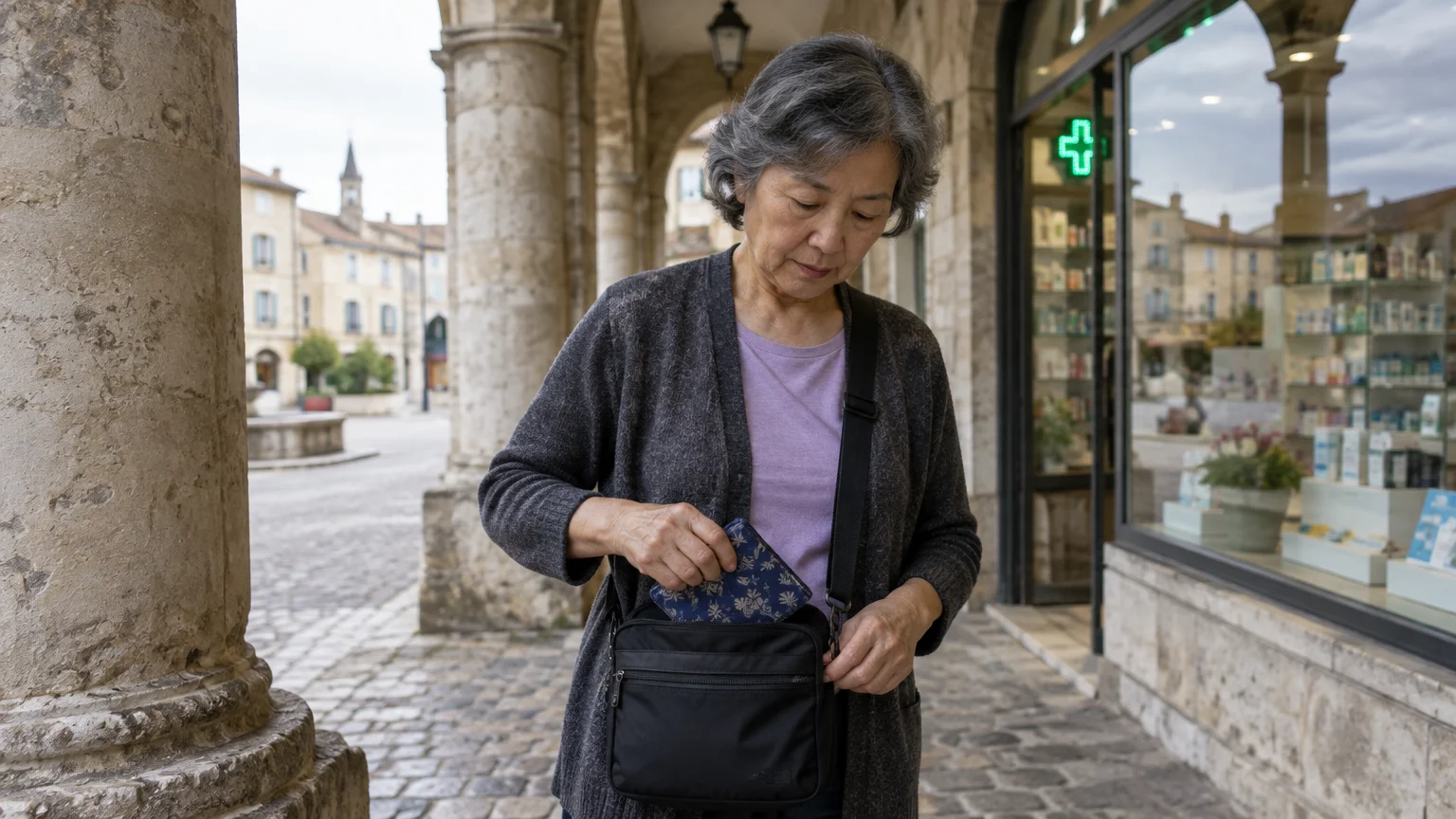
Traveling independently internationally requires clear health and financial preparations before leaving home. Never assume domestic coverage applies outside American borders.
Standard Medicare Part A and Part B do not cover medical care outside the United States except in rare border situations. Consult official coverage rules on Medicare.gov before departure to check your foreign emergency benefits.
If you have a Medigap policy (such as Plans C, D, F, G, M, or N), you may have lifetime foreign travel emergency coverage up to $50,000. However, you should still purchase dedicated travel medical and evacuation insurance.
Evacuation insurance is vital. If you experience an emergency along the Danube, an emergency transport back to the United States can cost more than $100,000 out of pocket without proper coverage.
For your banking, carry two no-foreign-transaction-fee credit cards and notify your bank of your itinerary dates. Avoid exchanging money at airport kiosks, which charge steep markups.
Independent travelers can also consult travel planning checklists and packing resources provided by AARP to streamline international departures.
- Carry 90 days of medication: Keep all prescription medicines in your carry-on luggage inside their original labeled pharmacy bottles.
- Bring a paper medication list: Include generic medication names, dosages, and physician phone numbers in your travel folder.
- Use bank ATMs in town: Withdraw local euros at major bank ATMs in port rather than high-fee currency exchange booths.
- Make digital passport copies: Email photos of your passport and insurance cards to yourself and a trusted emergency contact at home.

Step-by-Step Guide to Booking Your Solo River Cruise
Securing a zero-supplement stateroom requires following a structured booking sequence. Because cruise lines allocate only a small number of waiver cabins per sailing, follow these exact steps.
- Start searching nine to twelve months early: Cruise lines release their spring schedules in mid-summer; book during August or September to grab allocated solo cabins for the following April.
- Request category-specific waivers by name: When speaking with booking agents, specifically ask for Tauck Category 1 rooms or Riviera solo-allocated inventory.
- Choose spring shoulder dates: Target departures between March 25 and April 30, when operators are most eager to fill cabins without applying surcharges.
- Evaluate overall package inclusions: Compare ticket prices based on included excursions, port taxes, and airport transfers rather than base cruise fares alone.
- Secure trip cancellation insurance early: Buy your travel insurance within 14 days of your initial deposit to cover pre-existing medical conditions.
- Arrange direct or low-stress flights: Book daytime flights or open-jaw itineraries (flying into Munich, out of Budapest) to eliminate unnecessary regional train transfers.
Frequently Asked Questions
Are river cruises safe for a woman traveling solo over 70?
River cruises rank among the safest international travel options for solo seniors. Ships carry fewer than 190 guests, entry is strictly monitored at a single gangway, and guided excursions keep you with organized groups from dock to destination.
Do I have to eat meals alone on a river cruise?
You will rarely eat alone unless you choose to. River ships feature open seating in the main dining room with tables for six to eight guests, allowing you to join friendly groups easily every evening.
What happens if I have mobility trouble on cobblestones?
Most river lines split daily tours into multiple walking groups based on speed and mobility. You can choose the gentle group, which explores flat areas at a relaxed pace with benches and fewer stairs.
Can I get a cabin with a balcony without paying a single supplement?
Yes, though options are limited. Riviera River Cruises waives supplements across all cabin grades on dedicated solo departures, and AmaWaterways features French-balcony solo staterooms on select European vessels.
Does Medicare cover medical emergencies on a European river cruise?
Original Medicare does not cover healthcare services outside the United States. You must carry supplemental travel health insurance that includes medical coverage and emergency evacuation protection.
Disclaimer: This article is for informational purposes only. Benefits, programs, and regulations can change.
We encourage readers to verify current information with official government sources and consult with qualified professionals for personalized advice.


