A retired couple 65 and older planning annual road trips and city visits on a fixed budget often overspends by defaulting to senior museum rates. At major museums, advertised senior pricing trims very little off adult tickets.
Treating every museum, garden, and zoo discount as interchangeable leads to denied reciprocal cards, unused memberships, and surprise fees at the gate. Matching each stop to the specific rule that governs it keeps those travel dollars intact.
Paying the posted senior door rate when online or resident prices cost less
Asking for the 65 and older rate at a flagship museum counter costs more than many traveling retirees expect. At The Met and MoMA, the senior rate saves only $8 off adult admission.
This fee trap happens because museums set separate prices for out-of-state visitors, walk-up buyers, and local residents. Posted 2026 rates at three major institutions show how wide those price gaps run.
- The Met (New York): $22 for out-of-state seniors, against $30 for adults; New York State residents pay what they wish.
- MoMA (New York): seniors pay $20 online or $22 in person; adults pay $28 online or $30 in person.
- Art Institute of Chicago: seniors pay $26 from out of state, $21 if they live in Illinois and $14 if they live in Chicago.

The fix starts with checking each museum’s official admission page before you travel, since museums change prices often. Book online when digital tickets cost less than walk-up admission, and carry photo ID showing your age.
For in-state trips, carry proof of address to claim resident pricing instead of the out-of-state senior rate. As with senior discounts at major retailers, advertised senior rates rarely offer the best deal for repeat visitors.
Buying a museum membership without clearing the five-visit threshold or tier rule
Buying a membership at a museum you visit only one or two times turns a discount into a wasted fee. Picking the lowest senior tier can also leave you without reciprocal travel perks.
A single-museum membership fails when your planned visits fall short of its break-even point. Membership fees vary widely, and some museums offer lower senior levels, so check the numbers before joining.
For example, a visitor 65 or older paying a $22 senior rate twice a month spends $528 a year across 24 visits. A $100 membership pays for itself on the fifth visit, when tickets would have reached $110.
Tier rules create a second trap when travelers assume every membership includes North American Reciprocal Museum (NARM) Association or Reciprocal Organization of Associated Museums (ROAM) access. Each home museum chooses which levels carry reciprocal perks, often around $100 a year or more.
Even with the right logo on your card, reciprocal admission normally covers only general entry for the people named on the card. Special exhibitions, parking, and ticketed events may still cost extra at the destination museum.
Join directly only where you plan at least five visits, and verify your tier includes NARM or ROAM before paying. A travel sinking fund spreads renewals and extra exhibition fees across the year.
Relying on a small-museum reciprocal card inside 15-mile and 50-mile exclusion zones
A common retirement tip advises joining an inexpensive small historical society for about $100 to enter major metro museums for free. For retirees visiting flagship museums near home or near a trip base, that shortcut routinely fails at the ticket counter.
The cause is a geographic wall built into reciprocal networks. NARM lets participating museums refuse reciprocal admission when your home museum is within 15 miles, blocking local back-door entry.
Some flagship institutions push that boundary even farther out. In NARM’s member directory, museums marked with two or three asterisks apply the 15-mile exclusion, and a pound sign (#) marks a 50-mile exclusion; some symbols also restrict special exhibitions.
In a major metro area, the flagship museum you most want to visit often sits within 15 miles of nearly every small museum you could join. ROAM, which leans toward art museums, lets destinations enforce similar local exclusions.
Before buying a reciprocal membership, check the destination museum’s directory listing and exclusion symbols. Call its admissions desk if nearby-member rules look unclear, since the destination museum decides whether to honor your card.
If you want reciprocal entry strictly for out-of-town travel, pick a home museum well outside your metro area’s 15-mile and 50-mile zones. For a flagship museum near home, skip the reciprocal workaround and buy a direct membership there instead.
Expecting garden and zoo cards to work like museum passes on road trips
Retirees who pack a botanical garden or zoo membership expecting the same rules as NARM museums hit three costly surprises on the road. Wider distance cutoffs, partial discounts, and missing family names turn planned free stops into full-price outings.
The 90-mile cutoff on garden reciprocity
The American Horticultural Society’s Garden Network offers free or discounted admission across participating public gardens, and AHS sells a $35 senior membership for one adult 65 or older that carries Garden Network privileges. Its standard individual level costs $50.
That card fails near home because participating gardens can refuse reciprocal entry whenever you or your home garden are within 90 miles. That 90-mile exclusion makes the AHS senior card a travel-only pass rather than a local discount.
Reserve your $35 AHS membership for trips beyond 90 miles, and check each garden listing first. At Missouri Botanical Garden’s top non-member rate of $16 a person, two members save $32 in one visit.
Half-off zoo tickets, dynamic pricing, and excluded grandchildren
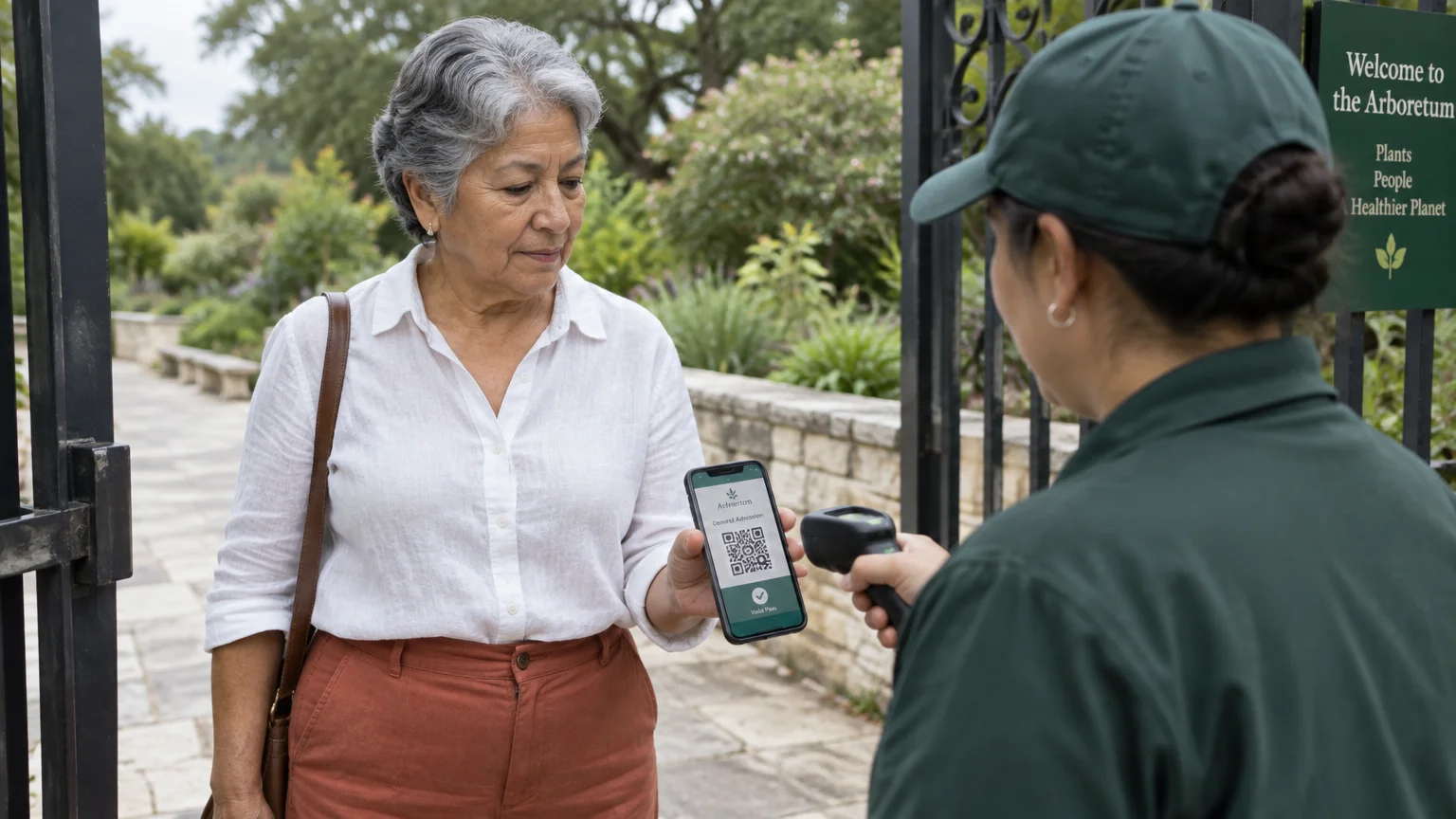
Zoos and aquariums accredited by the Association of Zoos and Aquariums (AZA) run a separate reciprocal network that trips up unprepared travelers. Participating zoos commonly give 50 percent off general admission rather than free entry, and each zoo sets its own terms.
Dynamic ticket pricing and guest exclusions catch travelers off guard. Many zoos set prices by date and advance purchase, as the Indianapolis Zoo and Nashville Zoo calendars show, changing what 50 percent off is worth.
Grandchildren can also trigger unexpected ticket costs at the gate because reciprocal discounts usually follow whoever your home zoo membership covers. If grandchildren are not named on your home tier, you pay their admission separately.
Before visiting a reciprocal zoo, check its date-based ticket calendar and confirm that your home membership level names any grandchildren traveling with you. Bring photo ID alongside your digital or printed membership card so gate staff can verify your household.
Misreading timing traps, pass scope, and eligibility rules on free-entry programs
Free museum programs save substantial travel money, yet arriving on the wrong weekend, skipping reservations, or carrying the wrong pass turns a free afternoon into a full-price charge. Each free program restricts either who qualifies, which dates count, or which institutions participate.
First-weekend bank cards and advance library passes
Bank of America, Merrill and Bank of America Private Bank cardholders get one free general admission at participating museums on the first full weekend of every month. Showing up on another weekend forfeits the perk entirely.
Because the benefit covers one admission per card, a couple needs two eligible cards to enter free together. Check the state-by-state museum list ahead of time and bring both your card and photo ID.
Public library museum passes fail spontaneous trips because you must book them through your library first. Each library sets advance windows, guest caps, and paper or digital formats, so search your library website for “museum pass” before leaving home.

Federal parks passes, timed Smithsonian tickets, and SNAP eligibility
Retirees planning cultural road trips also run into rejections when mixing up federal park passes, free national museums, and income-based discount programs. Knowing which gate honors which credential prevents costly surprises on arrival.
- Always-free federal and university sites: The Smithsonian museums in Washington, D.C., and the National Zoo charge no admission, and many university and city museums are free, though busy Smithsonian buildings require free timed-entry passes reserved ahead.
- America the Beautiful Senior Pass: Our National Park Senior Pass guide explains who qualifies and how to buy one, but this pass covers federal sites such as national parks rather than private or city art museums.
- Museums for All with a SNAP EBT card: Retirees who receive SNAP can present an EBT card and photo ID to get admission for $5 or less, often free, typically for up to four people, while our guide to SNAP benefits for seniors covers income rules and applications.
Match first-weekend museum stops to Bank of America cards and book library or Smithsonian timed passes before leaving home. Use your National Park Senior Pass strictly at federal sites, and count on Museums for All only with an active EBT card.