
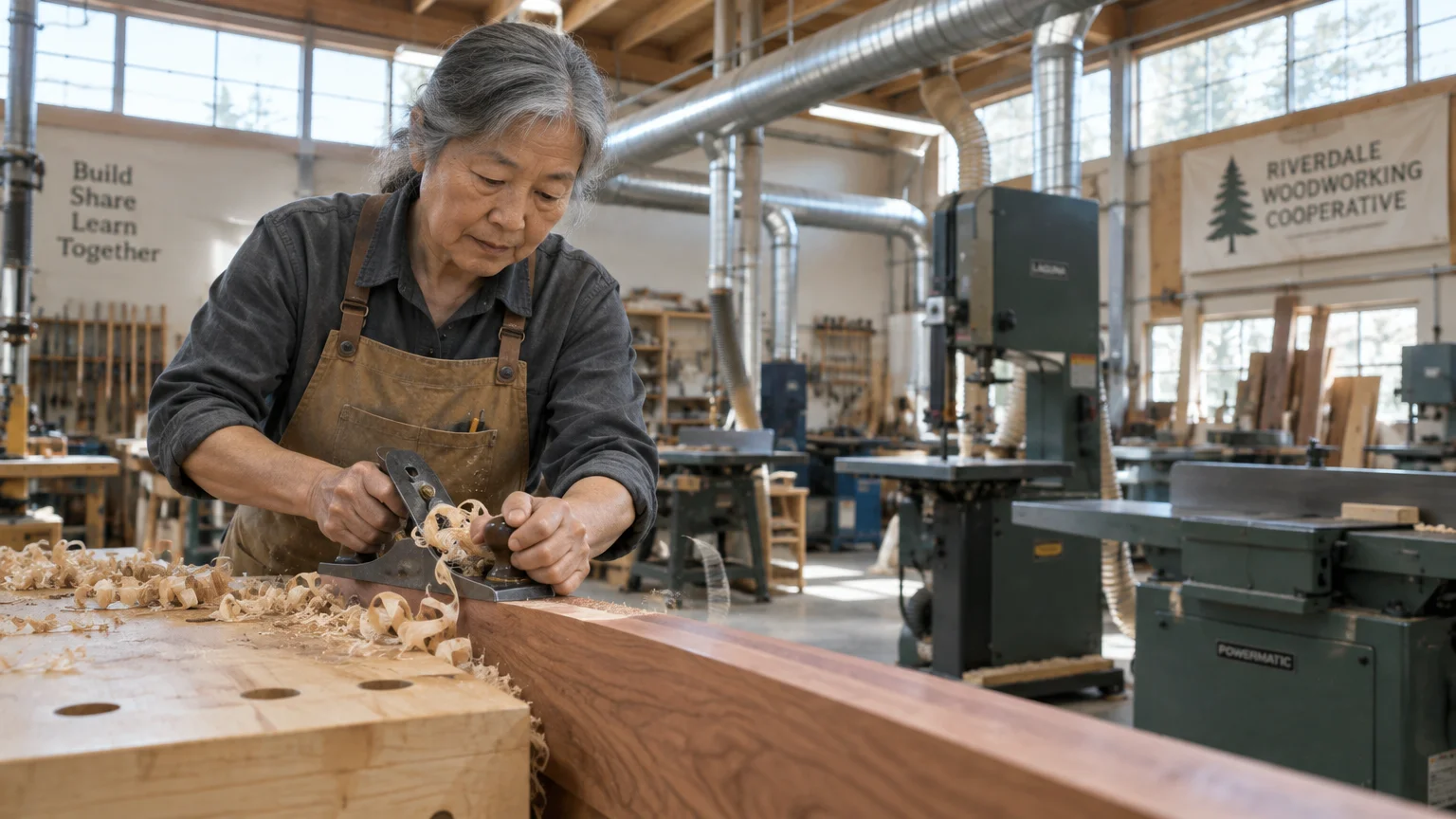
Downsizing from a single-family house into a condominium often means selling off your stationary machinery and sacrificing your garage workspace. You do not have to abandon your craft simply because you lack dedicated square footage in your new residence.
A shared workshop also provides the space and tools needed to build elevated cedar planters for senior-friendly gardening.
Joining a community woodshop gives you immediate access to industrial three-phase machinery and skin-sensing safety saws for less than the cost of a rental storage locker. This cooperative approach eliminates residential dust hazards while providing expansive bench space for small furniture builds.
In this guide9 sections
- Why Downsizing Does Not End Woodworking
- Comparing Community Woodshop Types and Costs
- Industrial-Grade Equipment Without Maintenance Overhead
- Table Saw Safety and Certification Standards
- Worked Example: Building a Coffee Table in a Shared Shop
- Health Benefits and the Men’s Sheds Movement
- Checklist for Evaluating a Local Maker Cooperative
- Tool Libraries Versus Full-Service Woodshops
- Frequently Asked Questions
Why Downsizing Does Not End Woodworking
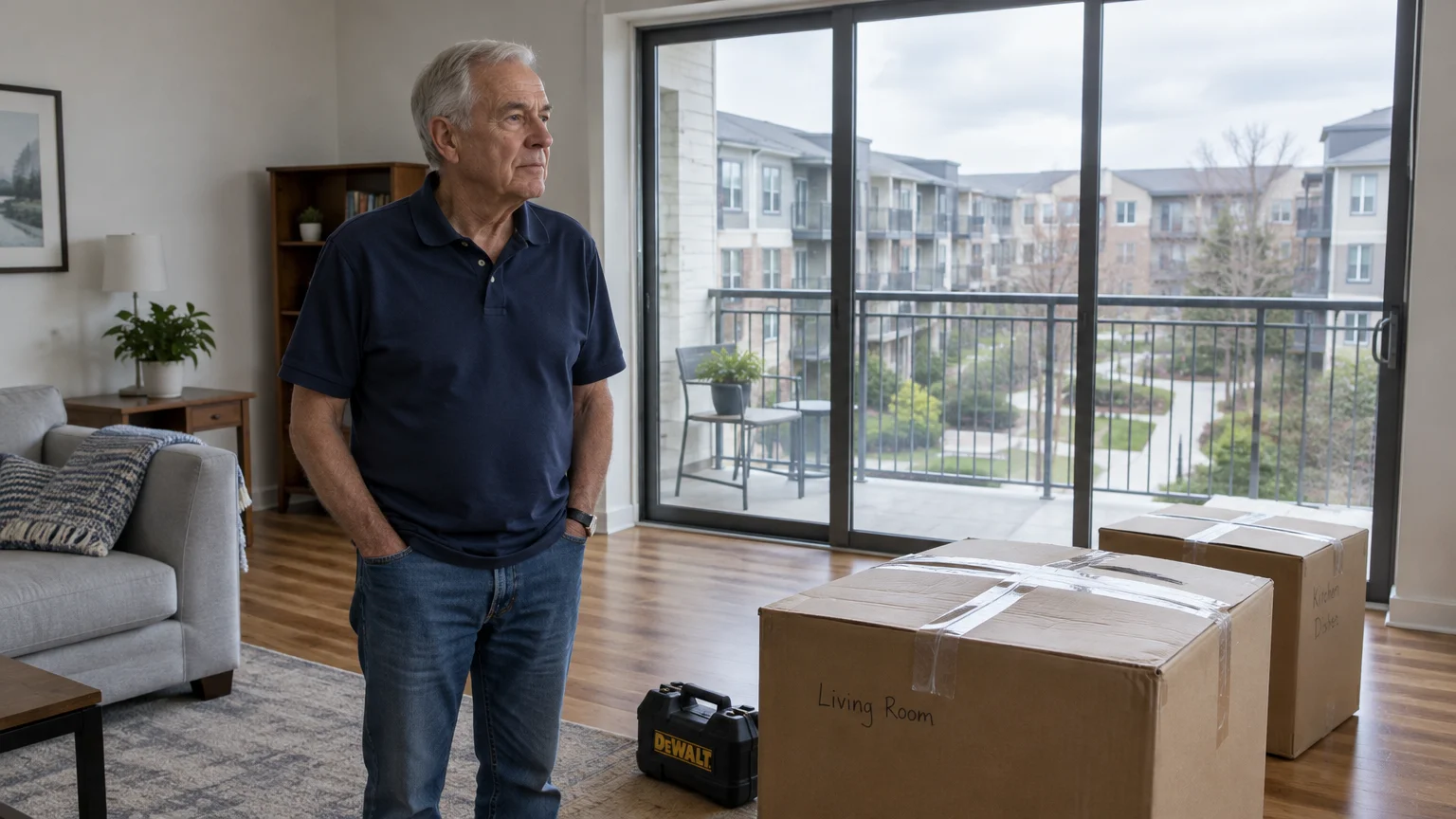
Condo living brings low exterior maintenance, but homeowners associations strictly enforce noise ordinances and fire codes. Running an unshielded router or planer through a shared condo wall will quickly trigger neighbor complaints.
If transporting supplies without a personal truck poses a challenge, exploring local senior transportation options can simplify trips to nearby makerspaces.
While decluttering your home usually means parting with large garage gear, it also presents an opportunity to simplify your creative footprint.
Residential units also lack the dedicated 220-volt circuits required to run heavy-duty stationary machinery. Subpanels in condo units rarely support the 30-amp draw demanded by commercial cabinet saws or industrial dust collectors.
Fine sawdust creates a severe indoor air quality issue in small living footprints. Respirable wood particles linger in the air for hours and settle into carpets, ductwork, and furnishings.
A community woodshop relocates these loud, messy processes to a purpose-built industrial facility. You keep your creative routine without compromising your living environment.
- Homeowners association noise limits restrict high-decibel equipment past early evening hours.
- Standard 120-volt, 15-amp branch circuits trip under the load of heavy woodworking motors.
- Limited living storage prevents keeping sheet goods or rough-sawn hardwood boards on hand.
- Inadequate ventilation systems fail to exhaust toxic finishes and fine wood particulate.
Comparing Community Woodshop Types and Costs
Shared workshops vary widely in pricing, machinery quality, and target membership. Finding the right fit depends on your budget and how often you plan to build.
Opting for a shared workspace is an effective way of cutting retirement costs while maintaining an active building hobby.
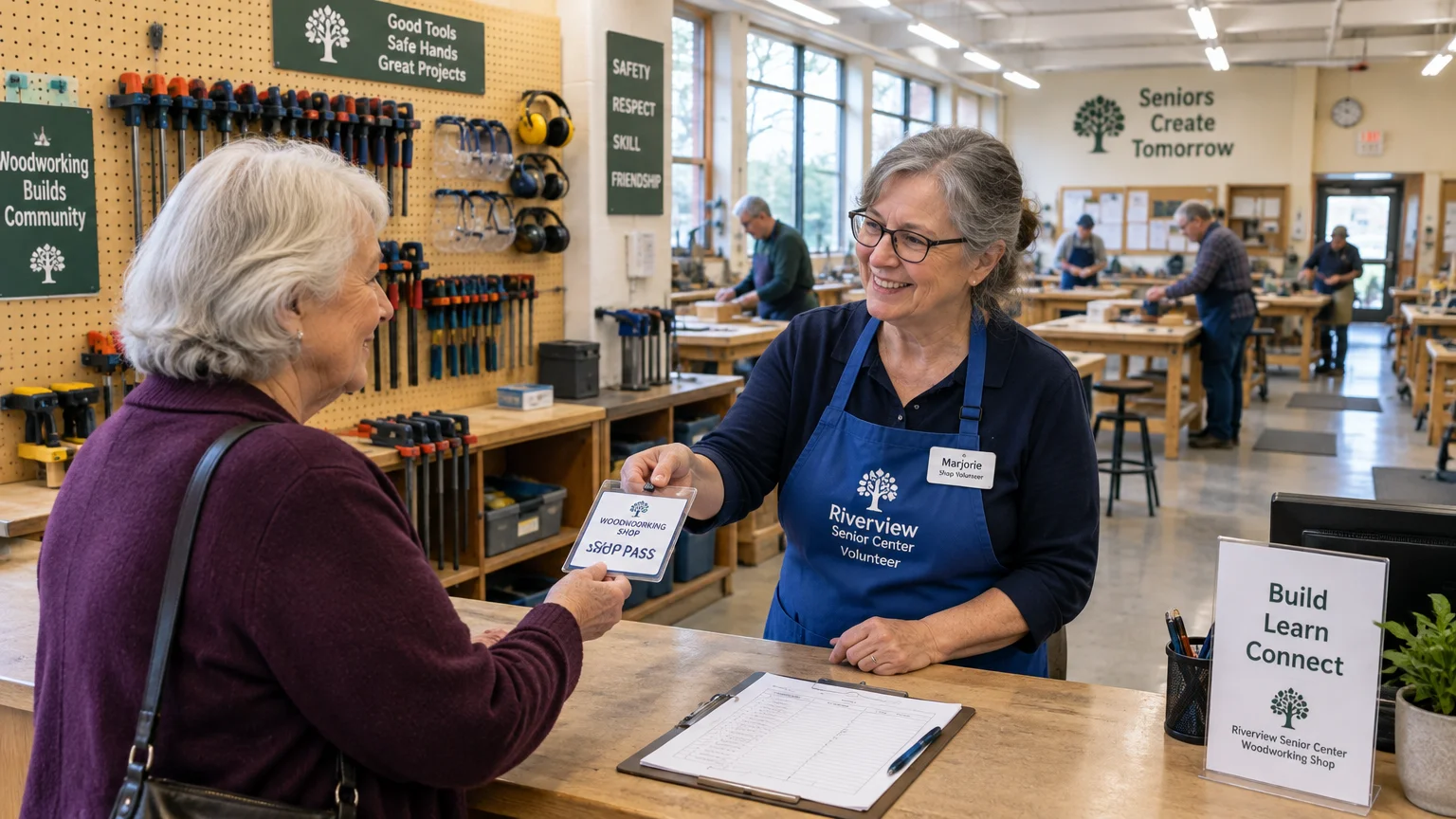
Municipal senior centers often run subsidized woodshops through city parks and recreation departments. These facilities cost between $20 and $55 per year, or roughly $5 to $25 per month for open bench sessions.
General non-profit makerspaces provide broader access to digital fabrication alongside traditional woodworking. Standard memberships range from $35 to $90 per month, with senior discounts frequently shaving 10% to 50% off published rates.
Commercial woodworking cooperatives cater to serious hobbyists and small-scale custom furniture makers. These professional collectives charge between $150 and $350 or more each month, offering 24-hour access and private lumber storage.
| Shop Category | Average Monthly Cost | Senior Discount Rate | Machinery Caliber | Storage Availability |
|---|---|---|---|---|
| Municipal Senior Center Woodshop | $5 – $25 | Subsidized base rate | Light-duty stationary tools | Day-use only |
| Nonprofit Maker Cooperative | $35 – $90 | 10% – 50% off | Commercial cabinet saws and jointers | Rental cubbies and racks |
| Commercial Woodworking Collective | $150 – $350+ | Rarely offered | Industrial 3-phase machinery | Dedicated project bays |
Municipal shops offer unbeatable affordability for basic birdhouses, turnings, and small boxes. Non-profit maker cooperatives strike the best balance for retirees who want industrial machines without paying commercial rents.
Industrial-Grade Equipment Without Maintenance Overhead
Setting up an equivalent home workshop demands a massive initial capital outlay. Purchasing a cast-iron cabinet saw, helical jointer, thickness planer, and bandsaw typically costs between $5,000 and $15,000 out of pocket.
Many facilities supply ergonomic push blocks and oversized lever handles that, much like adaptive kitchen tools, reduce joint pain during repetitive tasks.
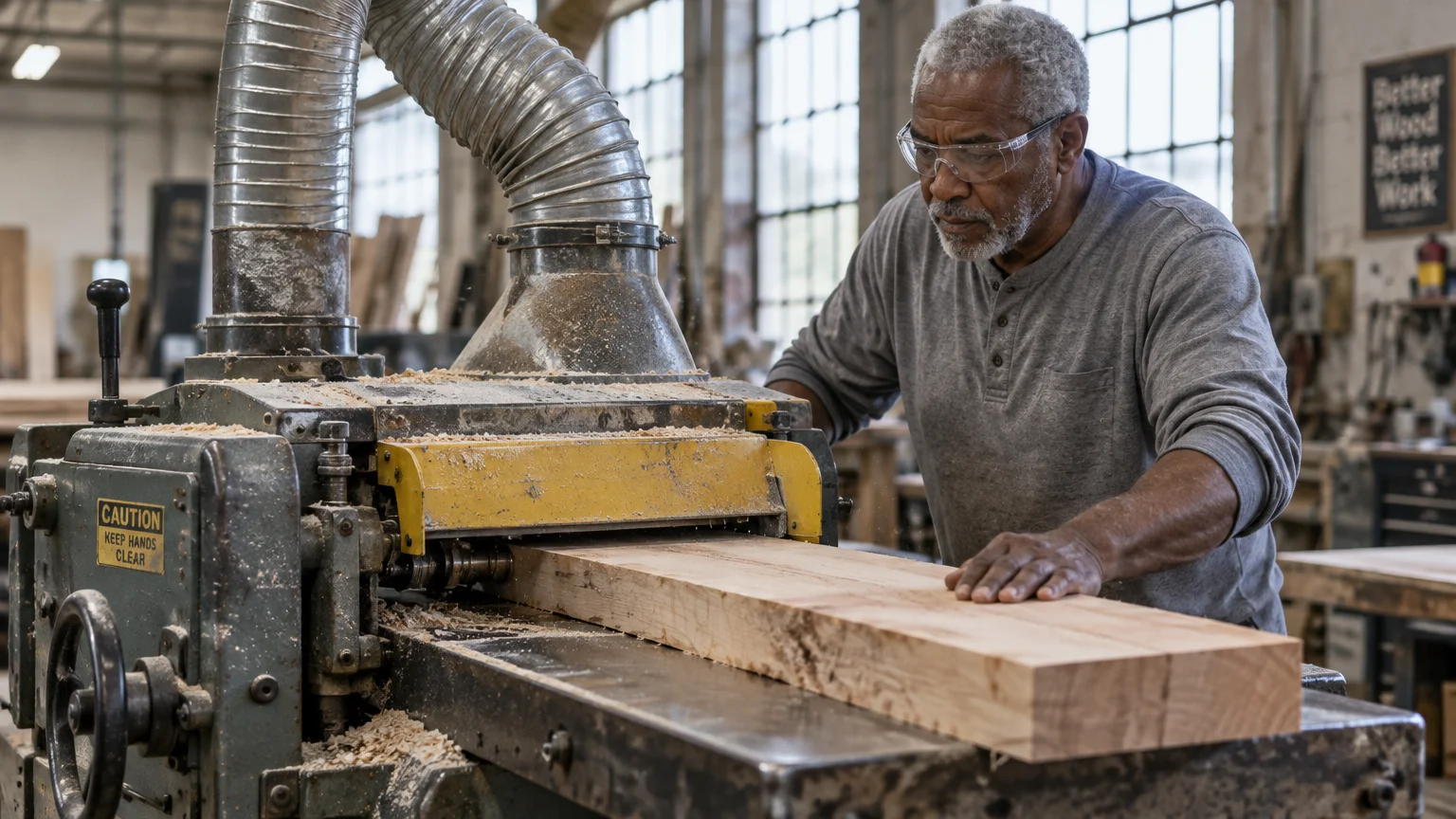
Shared facilities absorb these equipment costs entirely. You gain immediate access to industrial machines that outclass standard benchtop consumer tools.
Heavy machinery also demands continuous mechanical upkeep. Planer knives dull, cast-iron tables rust in humid weather, and drive belts require frequent alignment checks.
In a cooperative shop, dedicated staff technicians and volunteer shop stewards handle machine calibration. You focus purely on cutting joints and assembling your furniture.
- SawStop 3-horsepower or 5-horsepower cabinet saws with cast-iron extension wings and high-accuracy T-glide fences.
- Heavy-duty 8-inch to 12-inch jointers equipped with carbide helical cutterheads for tear-out-free edge jointing.
- Industrial 15-inch to 20-inch stationary thickness planers capable of surfacing wide hardwood slabs.
- Commercial cyclonic dust extraction systems rated at 2,000 CFM or higher, ducted directly to blast gates at each station.
- Large 14-inch to 18-inch bandsaws fitted with wide resaw blades for slicing thick veneers and rough lumber.
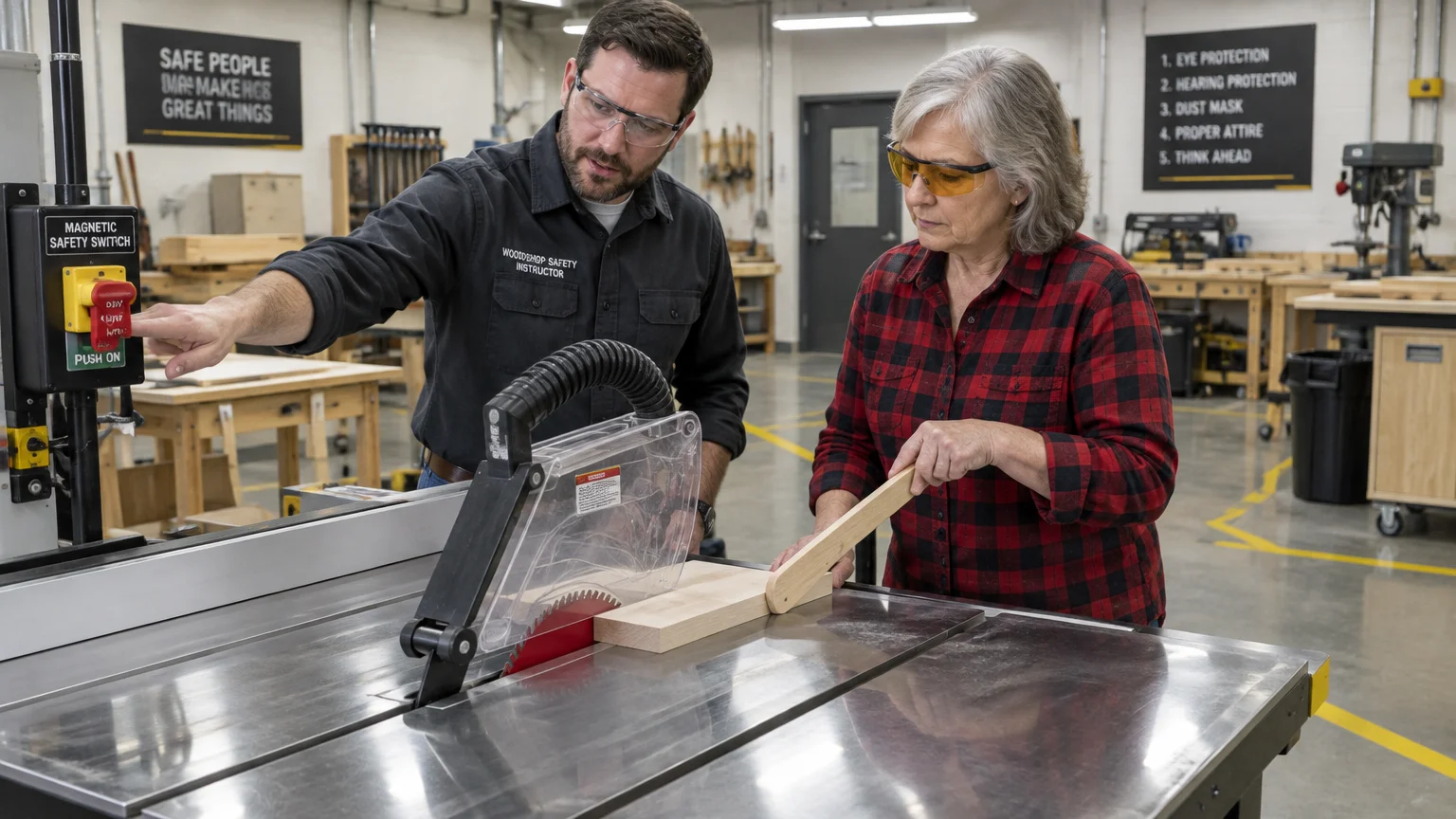
Table Saw Safety and Certification Standards
Safety is the primary operating priority for shared workshops. Operating unfamiliar machinery alongside other members demands rigid protocol adherence.
Data from the Consumer Product Safety Commission shows that table saws cause approximately 30,000 to 40,000 emergency room visits and 4,000 amputations each year. These injury rates make strict insurance requirements universal across community woodshops.
Most cooperative shops mandate Active Injury Mitigation technology, specifically SawStop systems. These saws carry an internal cartridge that runs an electrical signal through the blade, stopping the spinning arbor within milliseconds if it detects skin contact.
Before cutting any wood, you must complete a formal shop orientation and checkout class. These sessions cost between $20 and $150 and verify that you understand safe feed speeds, push stick usage, and dust gate procedures.
- Demonstration of proper stance and push stick technique on the cabinet saw.
- Verification of minimum stock lengths—typically 10 to 12 inches—before feeding boards across the jointer.
- Inspection of rough lumber for embedded metal, nails, or loose knots using a handheld metal detector.
- Compliance with personal protective equipment rules, including ANSI Z87.1 eye protection and hearing protection.
Worked Example: Building a Coffee Table in a Shared Shop
“Measure twice, cut once.” — Traditional Woodworking Proverb
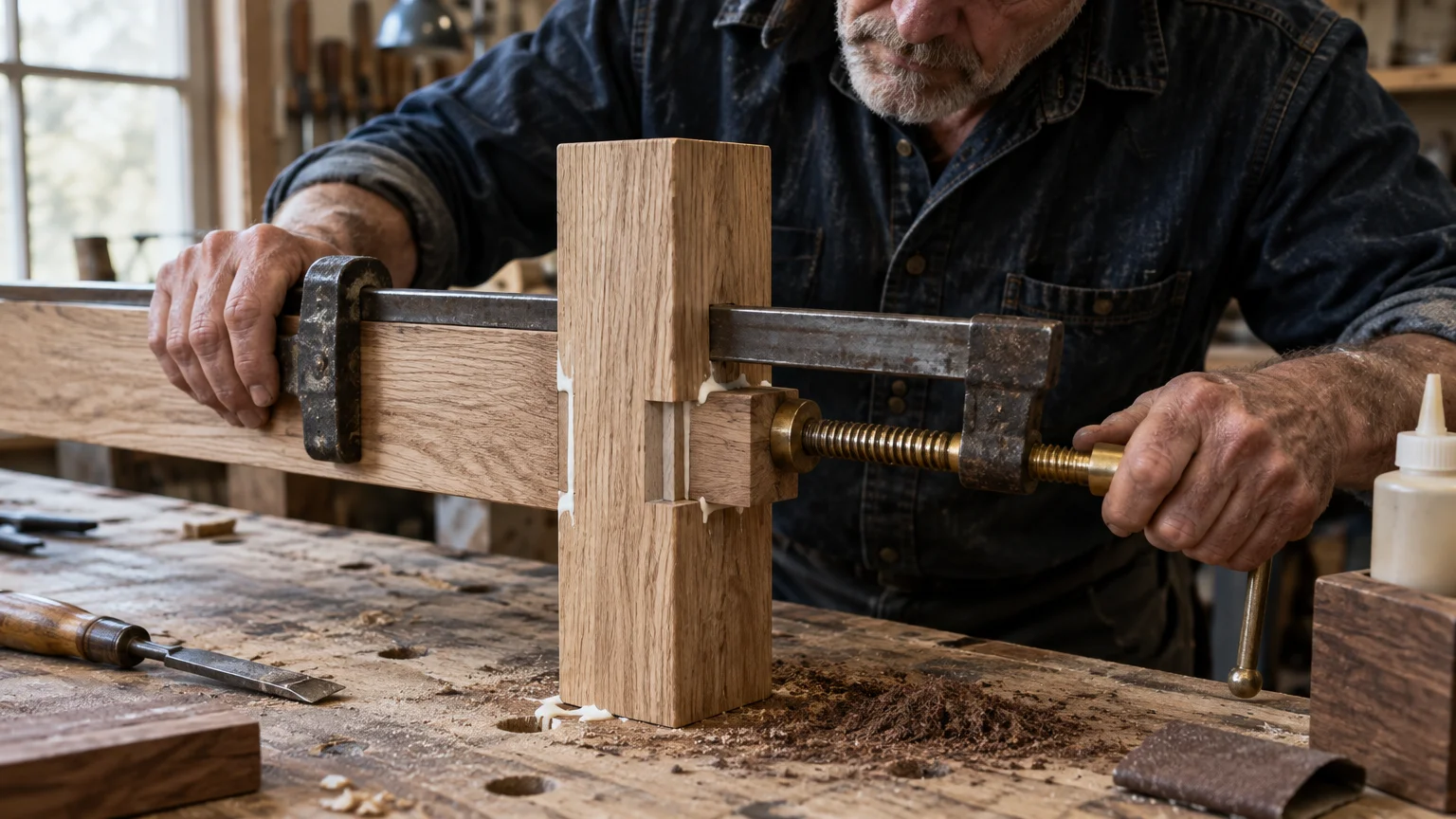
To understand how a community shop works in practice, examine this realistic furniture project. Consider building a 48-inch by 24-inch solid Pennsylvania cherry coffee table with tapered legs and mortise-and-tenon joinery.
These same precision woodworking tools can be used to construct custom thresholds and home modifications for accessibility.
You purchase 22 board feet of rough-sawn 4/4 cherry lumber at $7.50 per board foot, totaling $165. In a condo, processing this warped, rough lumber is impossible without dedicated milling machines.
At the community shop, you begin at the rough breakdown bench. Over three scheduled sessions totaling nine shop hours, you complete the milling, joinery, and pre-assembly glue-up.
- Flatten one face of each 48-inch cherry board on the 12-inch jointer, setting the depth of cut to precisely 1/16th inch (25 minutes).
- Plane the opposite faces parallel on the 20-inch helical planer down to a uniform finished thickness of 3/4 inch (20 minutes).
- Rip table top boards to 4.25-inch widths on the SawStop cabinet saw using a 50-tooth combination blade, then joint the mating edges (35 minutes).
- Cut four 18-inch by 2-inch cherry leg blanks on the Laguna bandsaw, tapering two adjacent faces from 2 inches down to 1.125 inches (40 minutes).
- Cut mortises in the legs using a dedicated hollow-chisel mortiser with a 3/8-inch bit, and cut matching tenons on the aprons using a dado stack (55 minutes).
- Edge-glue the top panels using four 48-inch parallel jaw bar clamps on the shop assembly table (45 minutes).
A non-profit makerspace membership costs $65 per month, plus a one-time $40 safety certification fee. Completing the table costs $105 in shop dues, compared to spending over $6,200 to purchase and wire the equivalent stationary equipment at home.

Health Benefits and the Men’s Sheds Movement
Retirement frequently disrupts daily routines and reduces natural social interactions. Leaving a long career can produce an unexpected sense of isolation, especially after downsizing into a new neighborhood.
Spending hours active on your feet in a shop pairs naturally with other low-impact exercises for retirees to maintain balance and physical stamina.
Many members combine their workshop sessions with community volunteering in retirement by constructing toys or repairs for local organizations.
Organizations like the U.S. Men’s Sheds Association combat isolation by establishing community workshops focused on older adults. Originating in Australia with over 3,000 sheds globally, the movement creates spaces where retirees work collaboratively on personal and community projects.
Community workshops provide intellectual stimulation and problem-solving opportunities that keep cognitive skills sharp. Calculating board angles, reading blueprints, and setting joinery tolerances exercise spatial reasoning.
You can locate local senior workshops and wellness programs through the Eldercare Locator, a public service supported by the U.S. Administration on Aging. These regional networks connect older adults with enriching neighborhood activities.
Federal aging initiatives supported by the Administration for Community Living emphasize that meaningful social hobbies lower the risk of cognitive decline in older adults. Engaging in shared crafts keeps you physically active and socially connected.
According to resource guides published by AARP, staying engaged in collaborative craft cooperatives helps retirees maintain functional motor coordination and strong peer networks.
Checklist for Evaluating a Local Maker Cooperative
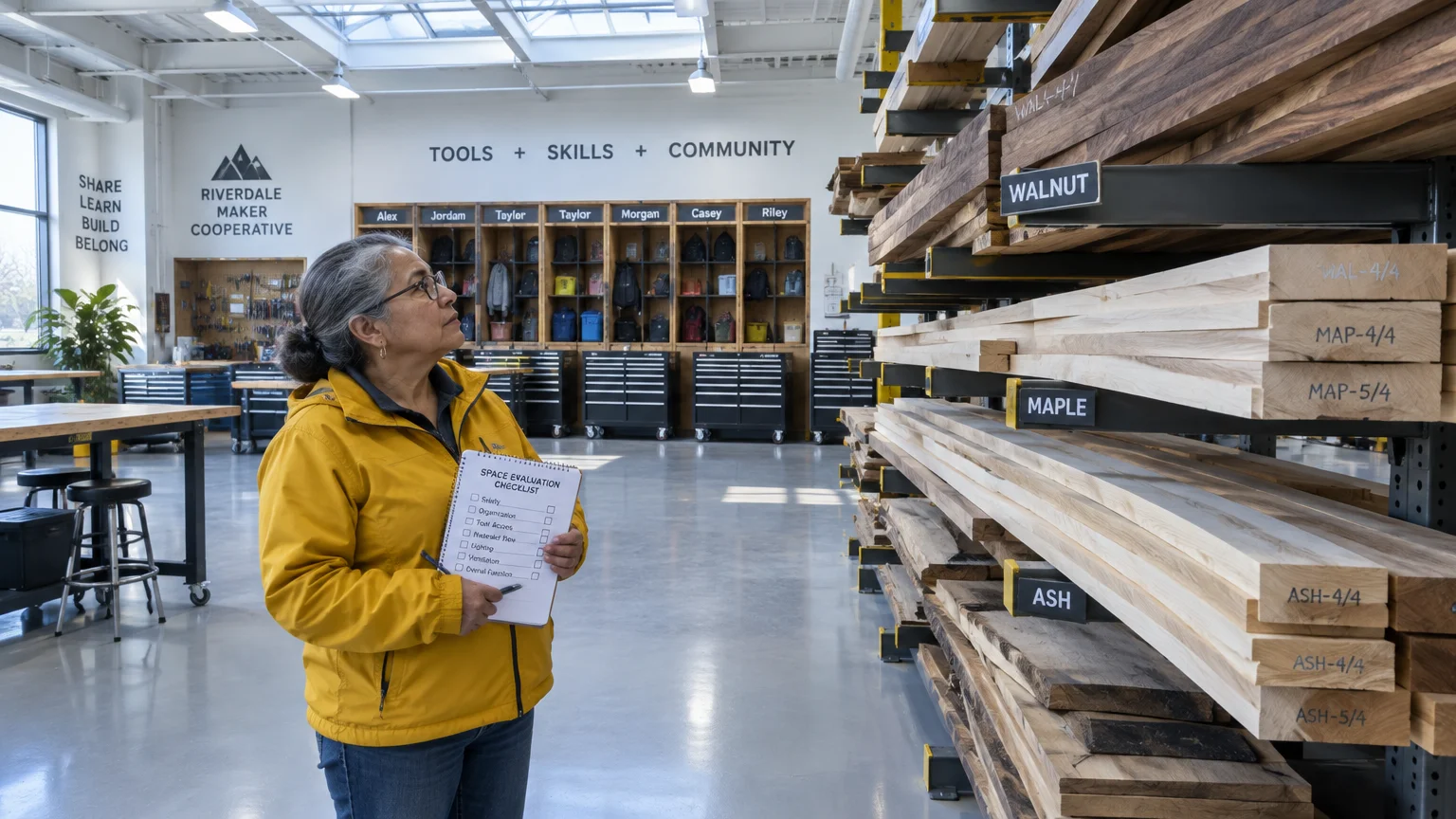
Before paying an initiation fee or signing a monthly contract, you should visit several facilities during their peak operating hours. Observing how a shop runs in person reveals safety standards and overall shop culture.
Examine machine maintenance schedules and clean-up enforcement closely. A well-managed shop shows clear evidence of pride, organized tooling, and active supervision.
- Dust extraction velocity: Look for clean floors and check whether cyclonic ductwork connects directly to the bandsaws and sanders.
- Machine blade condition: Inspect table saw teeth and jointer inserts for burned pitch or chips that signal poor maintenance.
- Lumber storage policies: Ask whether the facility provides vertical lumber racks or project cubbies to store glued panels overnight.
- Open shop hours: Confirm that the hours align with your schedule, particularly if you prefer weekday morning work sessions when shops are quietest.
- Supervision and staffing: Ensure trained shop monitors or safety stewards remain on-site whenever high-speed machinery operates.
Tool Libraries Versus Full-Service Woodshops
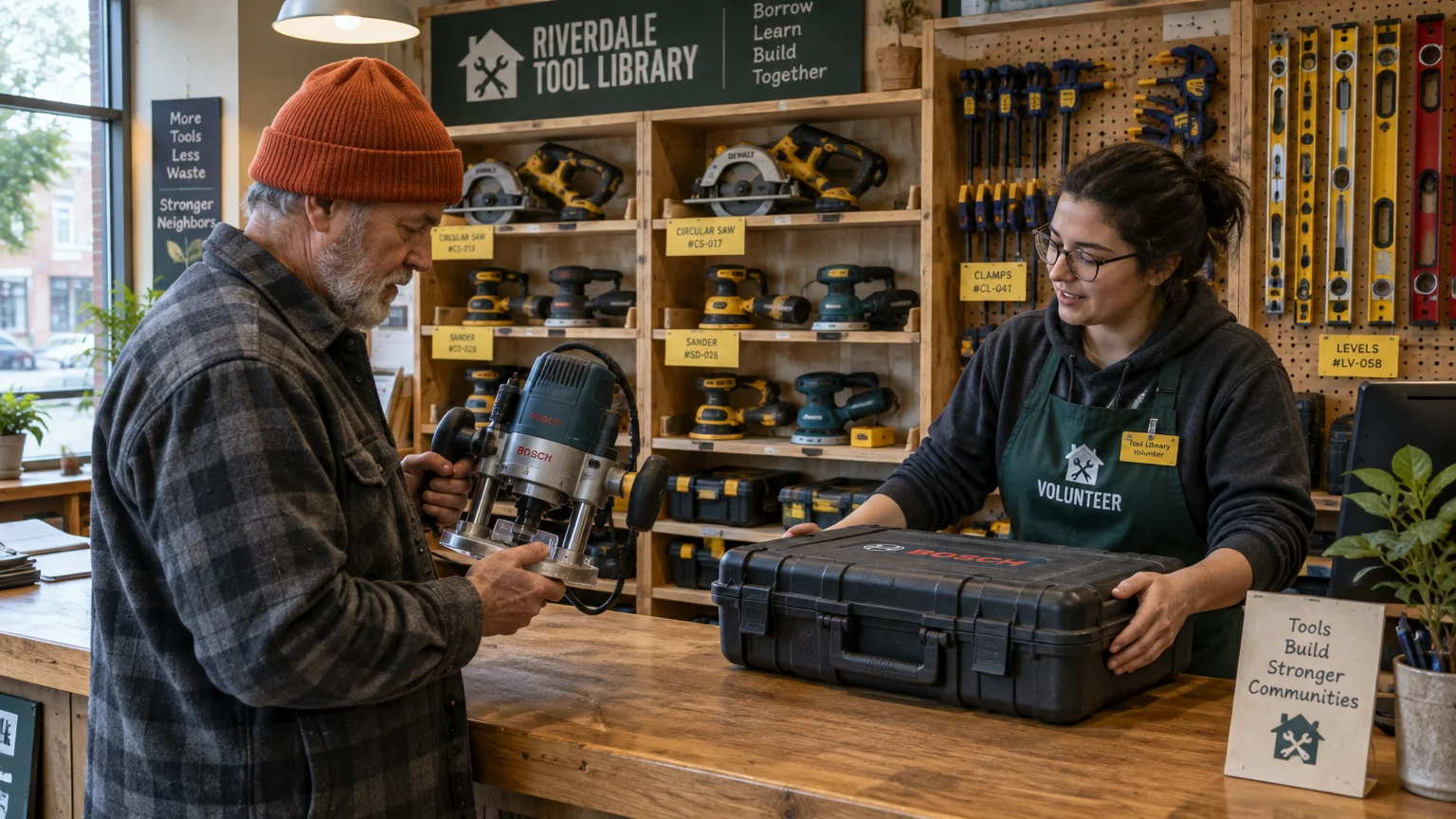
If your condo community allows light assembly on an outdoor patio or in a parking stall, a community tool library offers an affordable alternative. Tool libraries function like book libraries, lending handheld power tools for off-site use.
Tool libraries charge minimal annual fees, often between $30 and $100 per year. They supply track saws, random orbital sanders, biscuit joiners, and cordless drills that you can bring home for minor tasks.
However, tool libraries cannot replace the structural capabilities of a dedicated woodworking collective. Heavy milling tasks like face jointing, thickness planing, and resawing lumber require stationary cast-iron machinery that only a permanent shop provides.
Many retirees adopt a practical hybrid strategy. They cut and mill their heavy rough lumber at a makerspace, then perform final assembly and finish application at home using portable tools borrowed from a library.
- Use a tool library for cordless jigsaws, palm routers, and sanders needed for on-site condo trim repairs.
- Use a tool library to test specialty tools like pocket-hole jigs or moisture meters before buying them.
- Use a dedicated woodshop for jointing warped hardwood boards wider than six inches.
- Use a dedicated woodshop for high-capacity dust collection during intense thickness planing and routing.
- Use a dedicated woodshop for clamping large furniture carcasses that exceed condo floor space.
Frequently Asked Questions
Do I need prior woodworking experience to join a community woodshop?
Most community woodshops welcome all skill levels, from complete novices to seasoned craftsmen. Beginners must complete foundational safety classes, where instructors teach tool basics before granting open-shop machine privileges.
What happens if I trip a SawStop blade safety cartridge?
If your wood triggers the brake cartridge due to hidden moisture or skin contact, you must replace the single-use cartridge and damaged blade. Most shops require the operator to pay the replacement cost, which typically totals $150 to $220.
Can I store my unfinished furniture projects and lumber at the shop?
Storage policies depend on the facility. While municipal senior shops usually operate on a day-use basis, most nonprofit makerspaces and commercial collectives offer rentable project cubbies and lumber racks for $15 to $50 per month.
Are community woodshops covered by Medicare or senior recreation stipends?
Original Medicare does not cover workshop memberships. However, some Medicare Advantage plans offer wellness flex cards or recreation allowances that extend to select municipal community center activities.
What personal protective equipment must I bring to my first session?
You should bring your own ANSI Z87.1-certified safety glasses, closed-toe leather work boots, and N95 particulate respirators or rated dust masks. Most shops provide disposable foam earplugs, but high-decibel passive earmuffs offer superior protection.
Disclaimer: This article is for informational purposes only. Benefits, programs, and regulations can change.
We encourage readers to verify current information with official government sources and consult with qualified professionals for personalized advice.


