
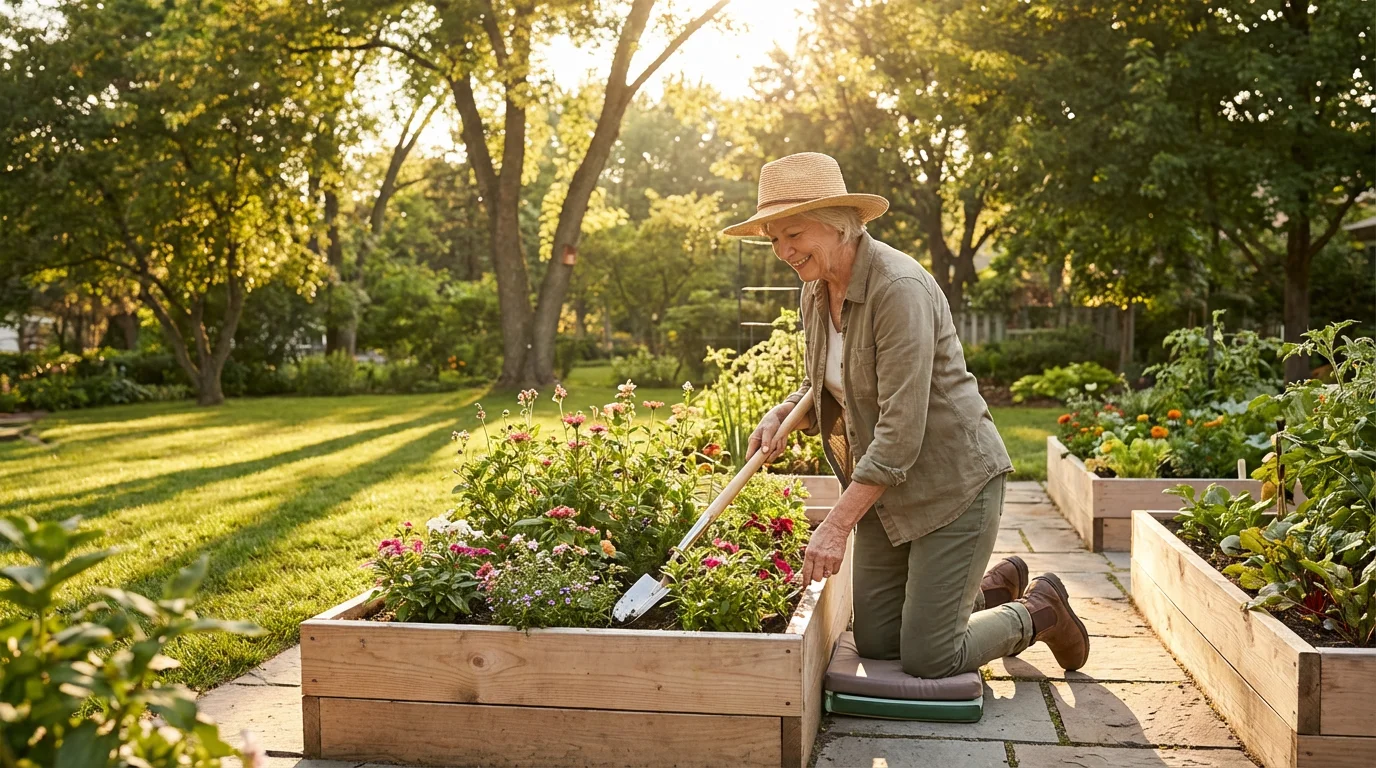
Gardening offers immense joy and a deep connection to nature. For many Americans nearing or in retirement, it serves as a fulfilling hobby, a source of fresh produce, and a gentle form of exercise.
However, as we age, physical limitations can make traditional gardening challenging, leading some to give up this cherished activity. You do not need to abandon your passion for cultivating a beautiful space or growing your own food.
This guide provides practical, actionable insights and real-world solutions to help you continue enjoying senior gardening without strain. We focus on adaptive gardening techniques, smart garden design, and the right tools to keep your hands in the soil comfortably and safely.
You can transform your garden into an accessible oasis, ensuring years of productive and enjoyable growing ahead.
In this guide8 sections
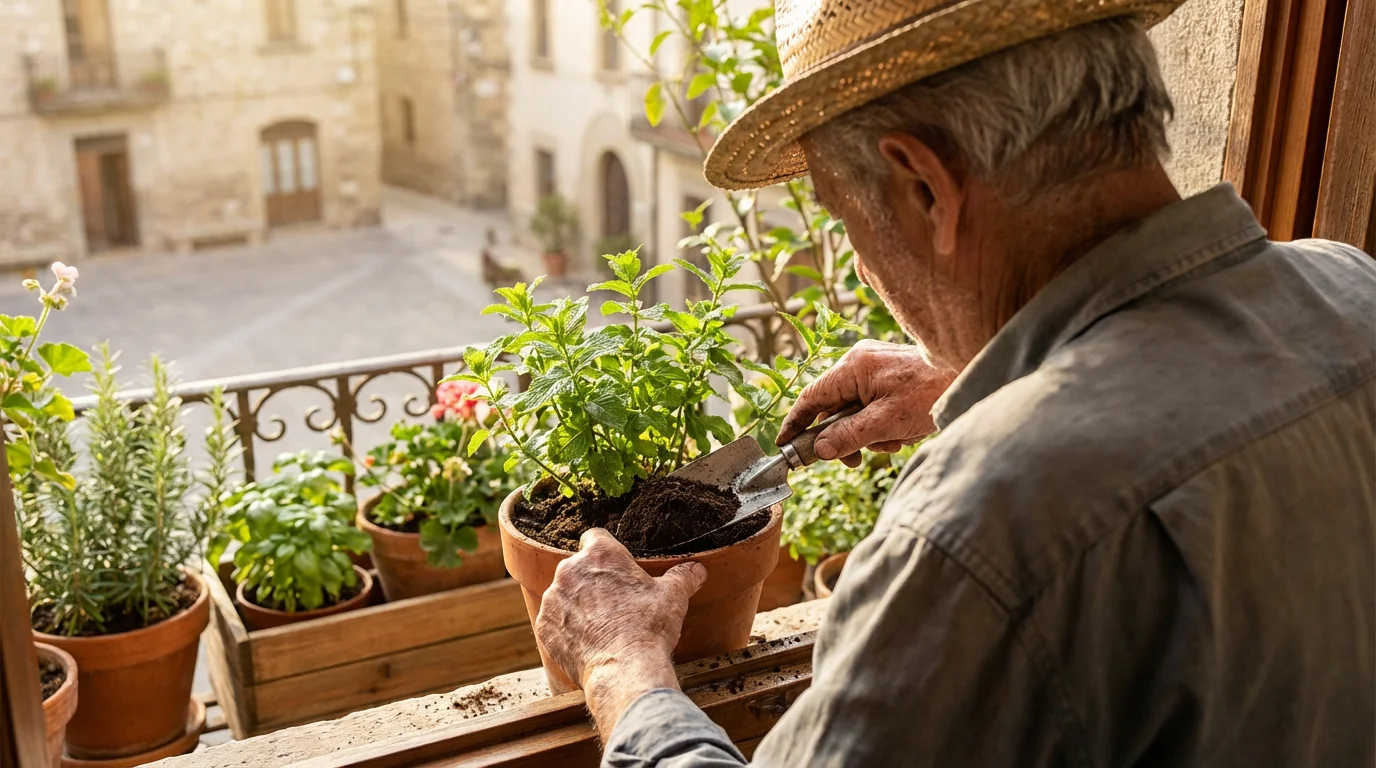
Why Keep Gardening? The Benefits for Seniors
Continuing your gardening journey brings a wealth of physical and mental benefits. Engaging with your garden provides gentle exercise, strengthens muscles, and improves flexibility.
It also offers a significant boost to your mental well-being, reducing stress and fostering a sense of purpose.
For those participating in community gardens, exploring senior transportation options can provide a reliable way to reach your plot without the stress of driving.
Supplementing your home-grown vegetables with SNAP benefits for seniors can help ensure you always have access to a complete, healthy diet.
Under USDA special rules for the elderly, households with members age 60 or older benefit from higher asset limits and can deduct qualifying out-of-pocket medical costs.
Additionally, growing your own produce is a practical strategy for cutting retirement costs and reducing your monthly food expenses.
Numerous studies highlight the positive impact of gardening on older adults. For instance, research suggests that regular gardening can lower the risk of dementia and improve cognitive function.
You gain fresh air, sunshine, which aids Vitamin D production, and the satisfaction of nurturing life. This active engagement keeps you connected to your environment and promotes overall health.
AARP highlights how gardening offers significant health benefits for seniors, ranging from physical activity to stress reduction.
“The best time to plant a tree was 20 years ago. The second best time is now.”
Beyond personal health, gardening can also foster social connections. Community gardens offer opportunities to meet like-minded individuals, share tips, and build friendships.
You also enjoy the freshest produce available, picked directly from your yard. This ensures you consume healthy, nutritious food, free from supermarket additives.
Smart Garden Design: Adapting Your Space
An accessible garden begins with smart design choices that minimize bending, lifting, and reaching. Think about how you move through your garden and identify areas that currently pose challenges.
Your goal is to create a space that accommodates your physical needs while remaining beautiful and productive.
While investing in permanent garden accessibility, it is also worth checking if you qualify for property tax exemptions for seniors to help manage overall home ownership expenses.
Much like decluttering your home, clearing unnecessary items from your garden paths improves both safety and ease of movement.
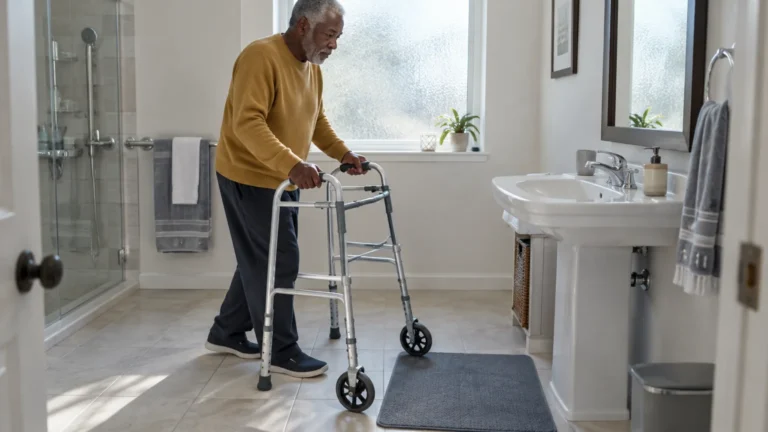
Consider the layout of your planting areas and pathways. Wide, level paths with non-slip surfaces prevent falls and allow easy movement with a walker or wheelchair.
You can use gravel, pavers, or firm mulch to create these safe routes. Ensure adequate space around garden beds for comfortable access from all sides.
Raised Beds: Your Back’s Best Friend
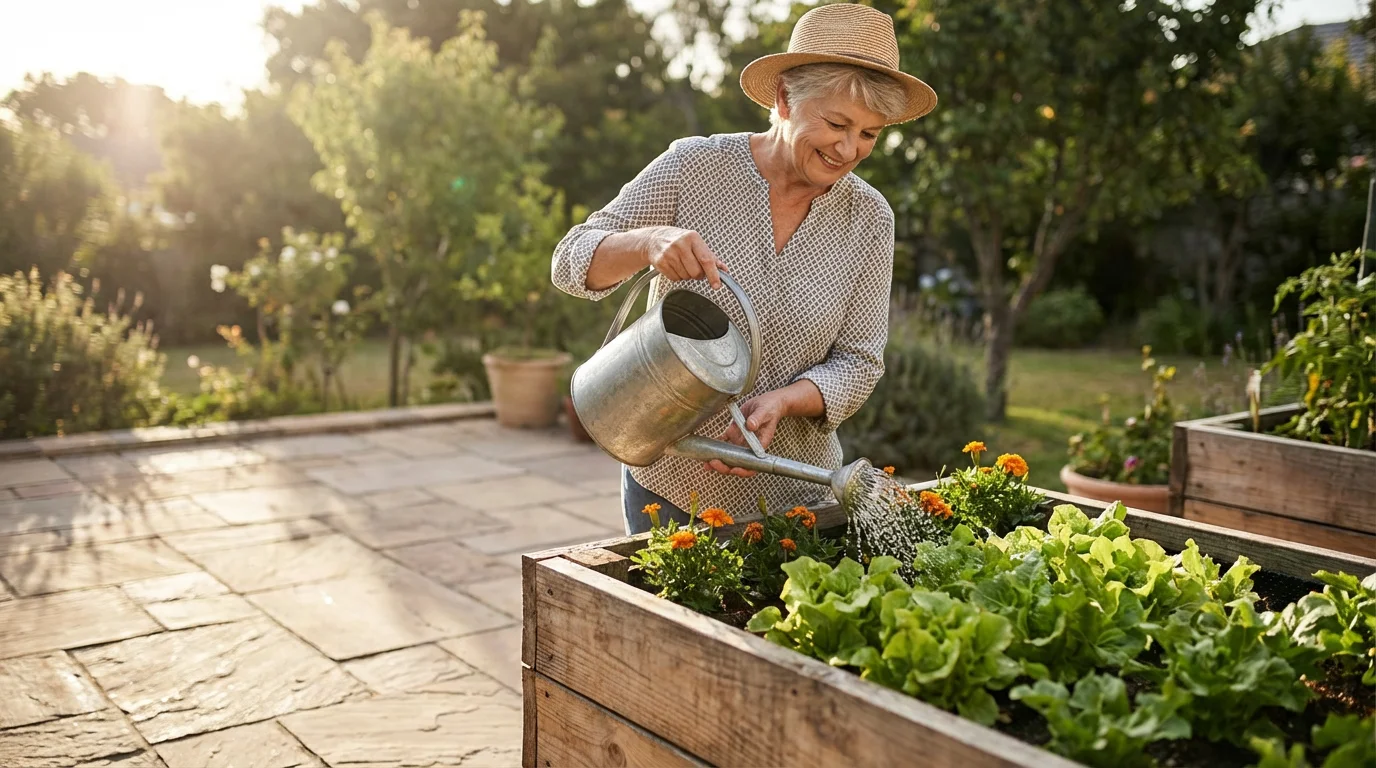
Raised garden beds are perhaps the most impactful adaptive gardening solution for seniors. They bring the soil up to a comfortable working height, significantly reducing the need to stoop or kneel.
This design choice protects your back, knees, and hips, allowing you to garden for longer periods without discomfort.
You can construct raised beds from various materials, including wood, stone, metal, or recycled plastic. Each material offers different aesthetic and durability qualities.
When planning, consider both the initial cost and the long-term maintenance required. Concrete blocks provide a sturdy, long-lasting option, while cedar planks offer a natural look and resistance to rot.
Here is how to build a simple raised garden bed:
- Choose Your Location: Select a spot with good sun exposure, ideally 6-8 hours daily, and easy access to water.
- Gather Materials: You will need untreated lumber, for example cedar or redwood, or other durable materials, screws or nails, a drill or hammer, and a level. For a 4×8 foot bed, four 8-foot boards and four 4-foot boards work well.
- Assemble the Frame: Lay out your boards to form the rectangular or square shape. Join the corners using screws or nails, ensuring they are tightly secured.
- Level the Area: Clear any debris from the chosen spot. Place your assembled frame and use a level to ensure it sits evenly on the ground. Adjust by adding or removing soil underneath if necessary.
- Add a Liner (Optional): You can line the bottom with hardware cloth to deter rodents or landscape fabric to prevent weeds from growing up into your bed.
- Fill with Soil: Fill the bed with a high-quality soil mix, which usually consists of topsoil, compost, and other amendments. This provides an optimal growing environment for your plants.
For comfortable senior gardening, aim for a raised bed height of at least 18-24 inches. This height allows you to work while seated on a stool or bench.
Width is also important, typically no more than 3-4 feet, allowing you to reach the center easily from either side without overstretching. Consider adding a wide ledge to your raised bed design; this provides a convenient place to sit, rest tools, or set planting trays.
Beyond raised beds, consider vertical gardens for growing herbs or small vegetables. These systems allow you to grow upwards, saving space and making harvesting more accessible.
Container gardening also offers flexibility, letting you move plants to ideal sun spots or closer to your home for easy care. Large, lightweight containers with wheels are particularly useful.
Ergonomic Tools and Equipment
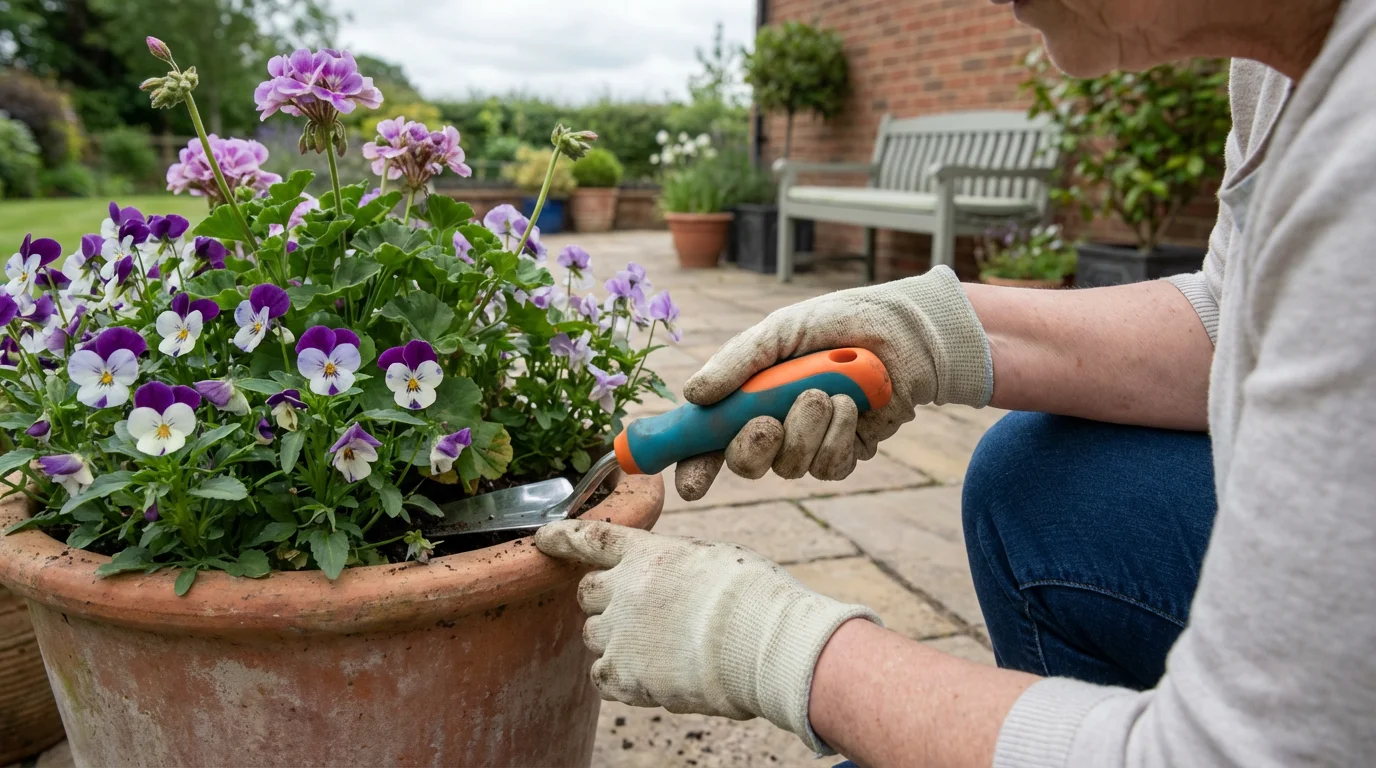
The right tools make all the difference in reducing strain and making gardening more enjoyable. Ergonomically designed tools are essential for adaptive gardening.
These tools are specifically shaped to minimize stress on your joints and muscles, allowing you to work longer and more comfortably.
Before purchasing new supplies, check for senior discounts at major retailers to help lower the cost of high-quality ergonomic gear.
Look for tools with comfortable, padded grips that are easy to hold. Lightweight materials, such as aluminum or composite plastics, reduce the effort required for digging and lifting.
Long-handled tools help you reach plants without bending, protecting your back and knees. Examples include extended cultivators, hoes, and trowels.
Here are key ergonomic tools to consider:
- Long-Handled Trowels and Weeding Forks: These allow you to reach into beds without excessive bending.
- Lightweight Watering Cans and Hoses: Heavy watering cans strain wrists and backs. Choose lighter models or use a hose with an adjustable nozzle.
- Rolling Garden Seats or Kneelers: These provide a comfortable place to sit or kneel, reducing pressure on your knees and making it easier to move along garden rows. Many kneelers flip over to become a sturdy seat.
- Pruners with Ratchet Mechanisms: These require less hand strength, making pruning tasks manageable even with reduced grip strength.
- Garden Scooters or Carts: These transport tools, soil bags, and harvested produce without heavy lifting.
Automate watering with soaker hoses or drip irrigation systems. These systems deliver water directly to the plant roots, minimizing water waste and eliminating the need to haul heavy hoses or watering cans.
You can set them on a timer for consistent hydration, freeing up your time and energy.
Choosing the Right Plants for Easier Care
Selecting the right plants is crucial for a senior-friendly garden. Focus on low-maintenance varieties that thrive with minimal intervention.
This approach reduces the time and physical effort you spend on pruning, pest control, and frequent watering.
Selecting hardy, low-maintenance plants is a smart component of retirement budgeting as it reduces the recurring costs of water and replacements.
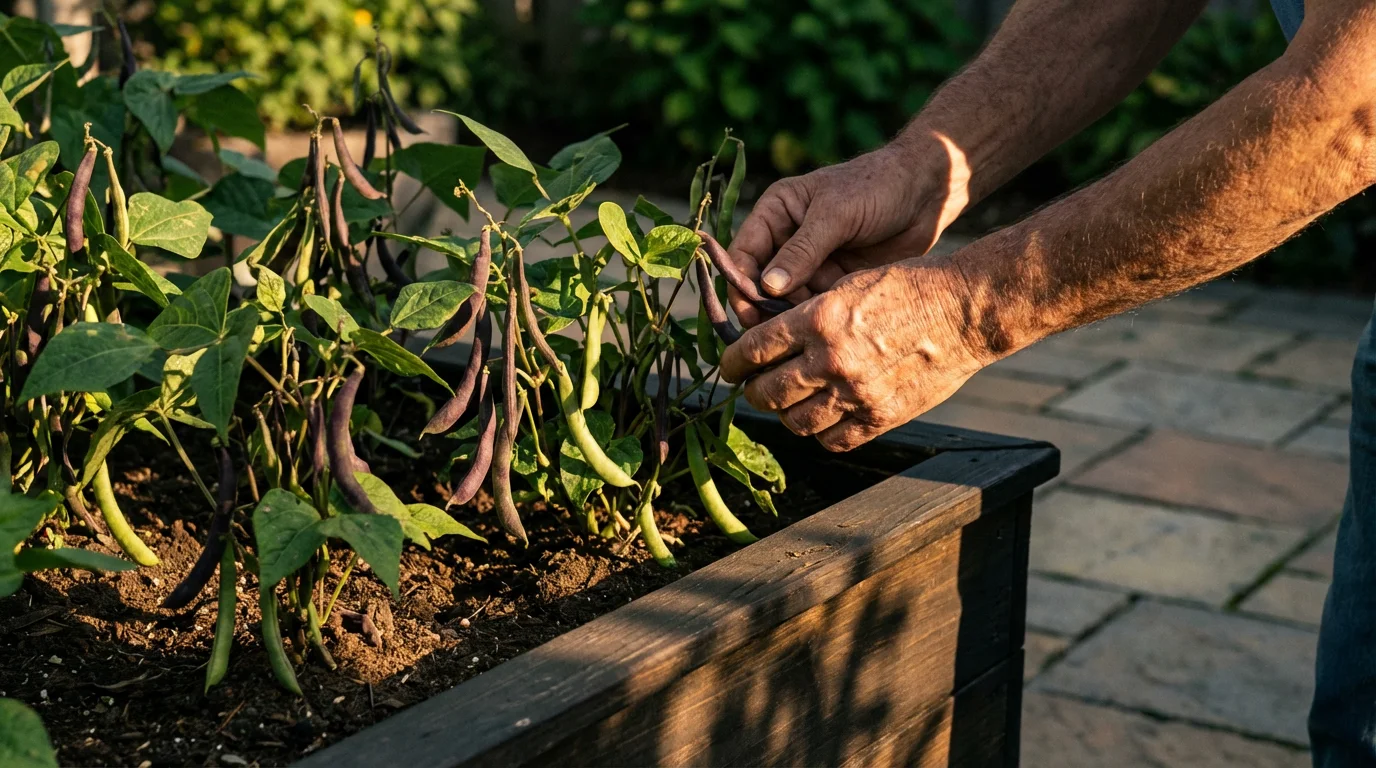
Consider plants with bush habits instead of vining ones. Bush beans, for example, grow compactly and produce harvestable pods at an accessible height, unlike pole beans that require extensive trellising.
Many herbs, such as mint, rosemary, and thyme, are incredibly resilient and require little attention once established. They also offer wonderful aromas and culinary uses.
Good choices for easy-care vegetables include:
- Leafy Greens: Lettuce, spinach, and kale grow quickly and tolerate partial shade. You can harvest outer leaves repeatedly, extending their yield.
- Bush Beans: These varieties produce generously without needing tall supports.
- Radishes and Carrots (in deep raised beds): Quick-growing and satisfying, these root vegetables require minimal effort once planted.
- Cherry Tomatoes (determinate varieties): Look for bush-type cherry tomatoes that do not grow excessively tall and produce fruit at an easy-to-reach level.
- Peppers: Bell peppers and chili peppers are generally low-maintenance and thrive in containers or raised beds.
For flowers, choose annuals or perennials known for their hardiness and minimal care requirements. Marigolds, zinnias, impatiens, and hostas are excellent options.
They offer vibrant colors and textures without demanding constant attention. Drought-tolerant plants, like succulents or certain ornamental grasses, also reduce watering frequency, making your gardening routine lighter.
Avoid plants that require constant bending for harvesting, intricate pruning, or heavy lifting when mature. Pumpkins or sprawling squash plants can demand significant space and effort, for instance.
Opt for compact varieties or smaller, manageable harvests instead.
Simplifying Garden Tasks
Even with an adaptive setup, smart strategies for garden tasks can further reduce strain. Efficiency is key to enjoying your garden without overexertion.
Break down larger tasks into smaller, manageable chunks throughout the week.
If you decide to hire help for major landscaping projects, be sure to stay vigilant and avoid common scams targeting seniors to protect your finances.
You can consult FTC guidance on how to avoid a scam to spot warning signs, such as contractors demanding full payment upfront through reloadable gift cards or wire transfers.
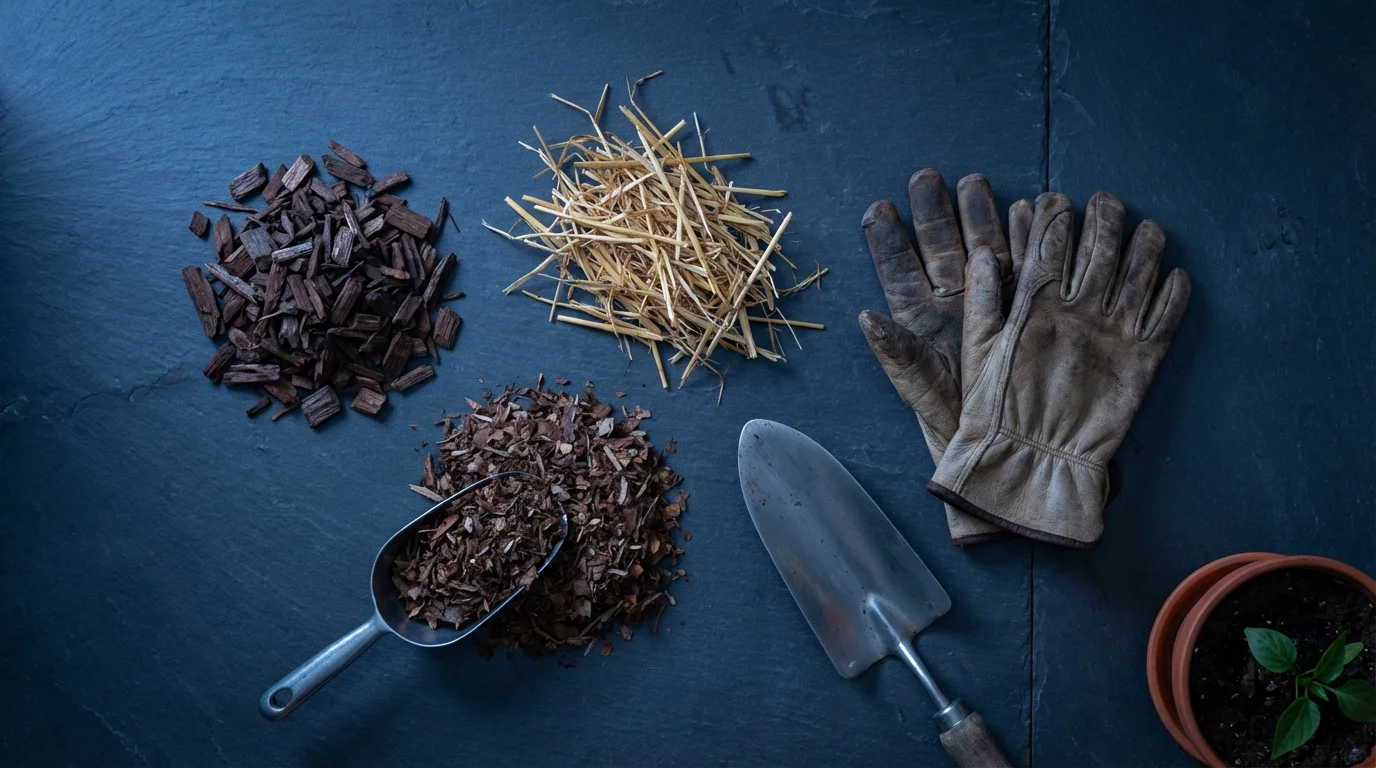
Mulching is one of the most effective ways to simplify garden maintenance. Applying a 2-4 inch layer of organic mulch, such as wood chips, straw, or shredded leaves, offers multiple benefits.
It suppresses weeds, retains soil moisture, and moderates soil temperature. This means less weeding for you and less frequent watering.
Consider these task-simplifying techniques:
- Succession Planting: Instead of planting your entire crop of lettuce at once, plant small batches every two weeks. This extends your harvest period and avoids overwhelming you with a huge crop all at once.
- Companion Planting: Placing certain plants together can naturally deter pests and improve growth, reducing the need for chemical interventions or constant monitoring. Marigolds near tomatoes can help keep nematodes away, for instance.
- Smart Watering: Water deeply and less frequently rather than shallowly every day. This encourages roots to grow deeper, making plants more resilient to dry spells. As mentioned, drip irrigation systems are ideal.
- Embrace Weeds Early: Address small weeds as soon as you see them, rather than letting them grow large. Small weeds pull out much more easily, requiring less effort.
- Garden in Zones: Organize your garden into zones based on accessibility and plant needs. Keep frequently harvested items closest to your home or patio for convenience.
Do not strive for a perfectly manicured garden. A slightly less “perfect” garden that brings you joy and relaxation is far more valuable.
Embrace a more natural approach to garden care, allowing some wildness, if it means less stress for you.

Staying Safe and Comfortable Outdoors
Safety and comfort are paramount when gardening, especially as you age. Outdoor work, even light gardening, requires awareness of your body and the environment.
Prioritizing these aspects ensures your gardening remains a source of pleasure, not peril.
Always protect yourself from the sun. Wear a wide-brimmed hat, sunglasses, and lightweight, long-sleeved clothing to shield your skin.
Apply broad-spectrum sunscreen with an SPF of 30 or higher to exposed skin. Seek shade during the hottest parts of the day, typically between 10 AM and 4 PM, especially in summer months.
Hydration is critical. Keep a water bottle handy and take frequent sips, even if you do not feel thirsty.
Dehydration can lead to fatigue, dizziness, and other health issues. For added safety, tell a family member or neighbor when you plan to be in the garden, particularly if you garden alone.
Here are essential safety tips:
- Pace Yourself: Do not try to do too much at once. Break tasks into shorter periods, taking frequent breaks to rest and rehydrate.
- Listen to Your Body: If you feel pain, fatigue, or dizziness, stop immediately. Push yourself gently, but do not overdo it.
- Warm-Up and Cool-Down: A few minutes of gentle stretching before and after gardening can prevent muscle stiffness and injury.
- Wear Appropriate Footwear: Choose sturdy, closed-toe shoes with good grip to prevent slips and protect your feet from tools or thorns.
- Use Gloves: Gardening gloves protect your hands from blisters, cuts, and dirt, and some offer extra grip.
- Buddy Up: Consider gardening with a friend or family member. This makes the activity more social and provides an extra layer of safety.
Many communities offer programs and resources for seniors that can support outdoor activities. The Administration for Community Living (ACL) helps fund various local services, including senior centers which might have gardening clubs or related wellness programs.
You can find local resources through the Eldercare Locator, a service funded by the ACL.
Frequently Asked Questions
What are some easy gardening tips for seniors?
Focus on adapting your garden setup and choosing the right plants. Use raised beds or container gardens to bring plants to a comfortable working height.
Select low-maintenance plants like leafy greens, bush beans, and resilient herbs. Employ ergonomic tools with long handles and padded grips to reduce strain.
Remember to pace yourself, stay hydrated, and work during cooler parts of the day.
How high should a raised garden bed be for seniors?
For optimal comfort and to minimize bending, a raised garden bed should ideally be between 18 and 24 inches high. This height allows you to work comfortably while standing or sitting on a stool or bench.
If you use a wheelchair, adjust the height to suit your specific reach and comfort requirements, often aiming for 24-30 inches with an open base underneath.
What tools make gardening easier for older adults?
Ergonomic tools are key. Look for lightweight tools made of aluminum, long-handled cultivators and trowels that prevent bending, and pruners with ratchet mechanisms that require less grip strength.
Rolling garden seats, kneelers, and garden carts also significantly reduce physical strain by providing support and easing transportation of materials.
Can gardening help with arthritis?
Yes, gardening can be beneficial for individuals with arthritis, provided you take proper precautions and use adaptive techniques. The gentle movements can help maintain joint flexibility and muscle strength.
However, it is crucial to avoid overexertion, use ergonomic tools, and take frequent breaks. Always listen to your body and consult your doctor if you experience increased pain.
What are the best plants for a senior-friendly garden?
Choose plants that require minimal care, do not demand frequent bending, and thrive in your local climate. Good options include leafy greens, lettuce, spinach, kale, bush beans, cherry tomatoes, determinate varieties, peppers, and resilient herbs like mint, rosemary, and thyme.
For flowers, consider marigolds, zinnias, and hostas, which offer beauty with little fuss.
Disclaimer: This article is for informational purposes only. Benefits, programs, and regulations can change.
We encourage readers to verify current information with official government sources and consult with qualified professionals for personalized advice.


1 Comment