
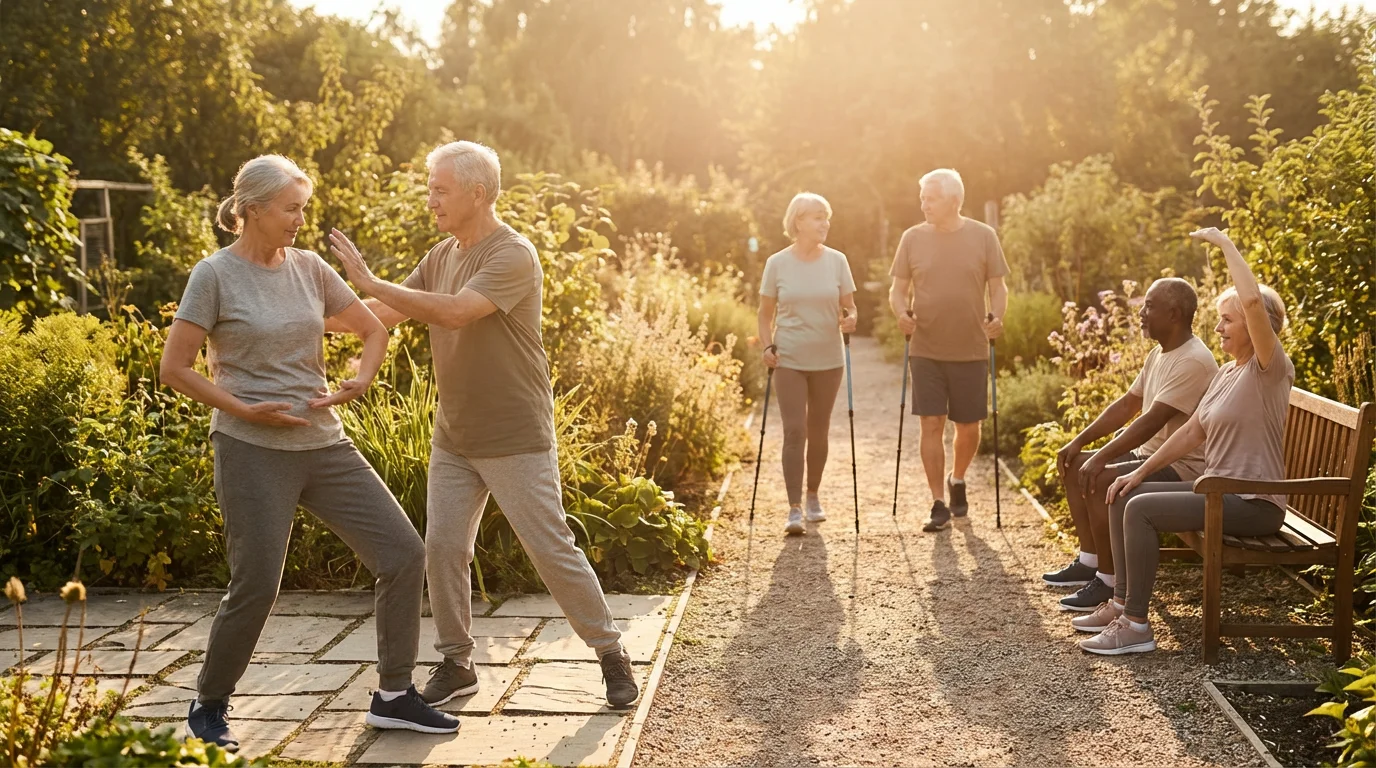
Maintaining your physical health helps you get the most out of retirement. Staying active supports your independence, boosts your mood, and helps manage chronic conditions.
Low-impact exercises offer an ideal solution, providing all the benefits of physical activity without excessive strain on your joints. This guide explores the best low-impact exercises for seniors, helping you build a sustainable and enjoyable senior fitness routine.
Whether you are aging in place or downsizing your home for a more manageable lifestyle, staying active is the best way to ensure you can navigate your environment safely.
In this guide8 sections
Why Low-Impact Exercise Matters for You
Engaging in regular physical activity is not just about staying fit, it directly impacts your quality of life in retirement. For many retirees, concerns about joint pain or injury can deter them from exercise.
Low-impact exercises address these concerns head-on, delivering significant health benefits without the jarring movements that can exacerbate existing conditions or cause new ones.
You can also explore senior-friendly tech like fitness trackers and apps to monitor your heart rate and daily progress.
Studies show that consistent physical activity helps maintain muscle mass and bone density, which naturally decline with age. This reduces your risk of falls and fractures.
Furthermore, regular exercise improves cardiovascular health, manages blood sugar, and can even sharpen cognitive function. You will find that an active lifestyle provides more energy for daily tasks, improves sleep patterns, and offers a strong defense against age-related health issues.
Consider the benefits you gain from prioritizing active aging:
- Enhanced Joint Health: Low-impact movements lubricate joints, reducing stiffness and pain associated with conditions like arthritis.
- Improved Balance and Stability: Strengthening core muscles and practicing controlled movements significantly lowers your risk of falls.
- Stronger Bones and Muscles: Weight-bearing low-impact exercises, like walking, help maintain bone density and slow muscle loss.
- Better Cardiovascular Health: Regular activity strengthens your heart and lungs, improving circulation and endurance.
- Boosted Mood and Mental Well-being: Exercise releases endorphins, acting as a natural mood elevator and stress reducer.
- Increased Energy Levels: Contrary to what you might think, expending energy through exercise actually boosts your overall energy throughout the day.
What Defines Low-Impact Exercise?
Low-impact exercise refers to any physical activity that minimizes stress on your joints. This means at least one foot remains in contact with the ground or a surface at all times, preventing the jarring impact that occurs during activities like running or jumping.
The goal is to move your body through a full range of motion while cushioning your joints from repetitive shocks.
Much like planning your physical health, your retirement budgeting must account for changing needs and potential healthcare requirements over time.
High-impact activities involve both feet leaving the ground simultaneously, creating a force that travels up your legs into your hips and spine upon landing.
While these activities can be beneficial for some, they often present unnecessary risks for older adults, especially those with pre-existing joint conditions or osteoporosis. Low-impact alternatives provide an equally effective workout, focusing on smooth, continuous movements that are kinder to your body.
Key characteristics of low-impact exercises include:
- Minimal Joint Stress: Movements are fluid and controlled, avoiding sudden jolts.
- Continuous Ground Contact: One foot (or hand) always maintains contact with the ground or equipment.
- Scalability: You can easily adjust the intensity to match your fitness level and comfort.
- Accessibility: Many low-impact options require minimal equipment and can be done almost anywhere.
- Versatility: They can incorporate cardio, strength, flexibility, and balance training.
Top Low-Impact Exercises for Retirees
You have many excellent choices when it comes to low-impact exercises. The key is finding activities you enjoy and can perform consistently.
Here are some of the best options that cater specifically to senior fitness:
If your preferred gym or community pool is across town, look into senior transportation options that can help you get there without the stress of driving.
If you enjoy spending time outdoors, senior-friendly gardening is another rewarding way to keep your body moving.
Walking
Walking stands as one of the most accessible and effective forms of low-impact exercise. You do not need special equipment, just comfortable shoes.
Walking regularly improves cardiovascular health, strengthens leg muscles, and helps maintain bone density. Start with short walks and gradually increase your distance and pace.
- Start Small: Begin with 10-15 minute walks, 3-4 times a week.
- Increase Gradually: Aim to increase your walking time or distance by 5-10 minutes each week.
- Vary Your Terrain: Walk on different surfaces like pavement, grass, or a track to engage different muscles.
- Use Proper Form: Keep your head up, shoulders relaxed, and arms swinging naturally.
Swimming and Water Aerobics
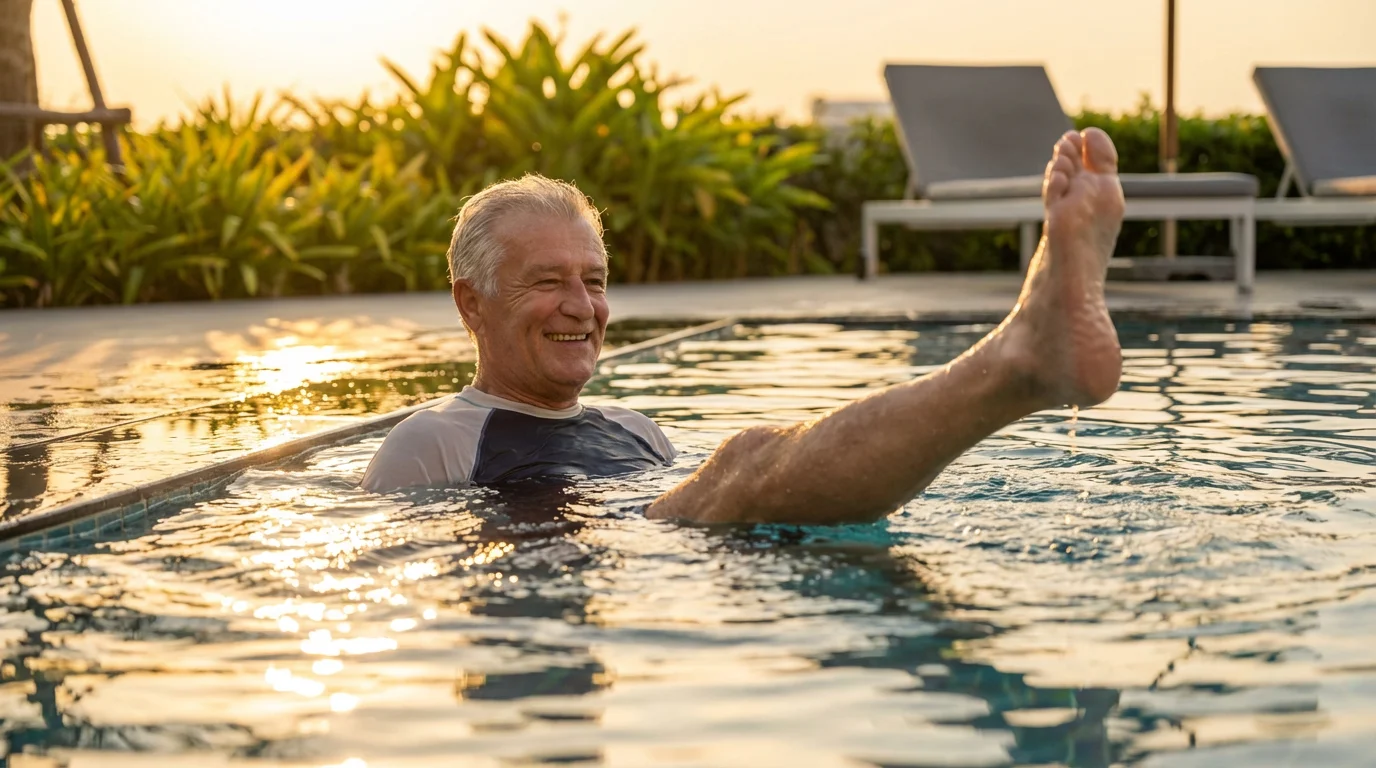
Water-based exercises offer unparalleled benefits, as the buoyancy of water supports your body weight, drastically reducing impact on your joints. This makes swimming and water aerobics ideal for individuals with arthritis, joint pain, or recovering from injuries.
You get a full-body workout that builds strength, endurance, and flexibility.
- Full Body Engagement: Swimming works most major muscle groups.
- Joint Protection: The water’s buoyancy removes stress from your joints.
- Cardiovascular Boost: It is an excellent way to improve heart and lung health.
- Community Classes: Many senior centers and gyms offer specialized water aerobics classes.
Cycling (Stationary or Outdoor)
Cycling offers an effective cardiovascular workout that is gentle on your knees and hips. A stationary bike is a convenient option for home use, providing a safe and controlled environment.
Outdoor cycling allows you to enjoy scenery and fresh air, but always prioritize safety, wearing a helmet and choosing well-maintained paths.
- Cardiovascular Benefits: Boosts heart health without high impact.
- Leg Strength: Builds strength in your quadriceps, hamstrings, and calves.
- Adjustable Intensity: You control the resistance and speed, tailoring the workout to your level.
- Low Risk of Falls: Stationary bikes offer a very stable option.
Yoga and Tai Chi
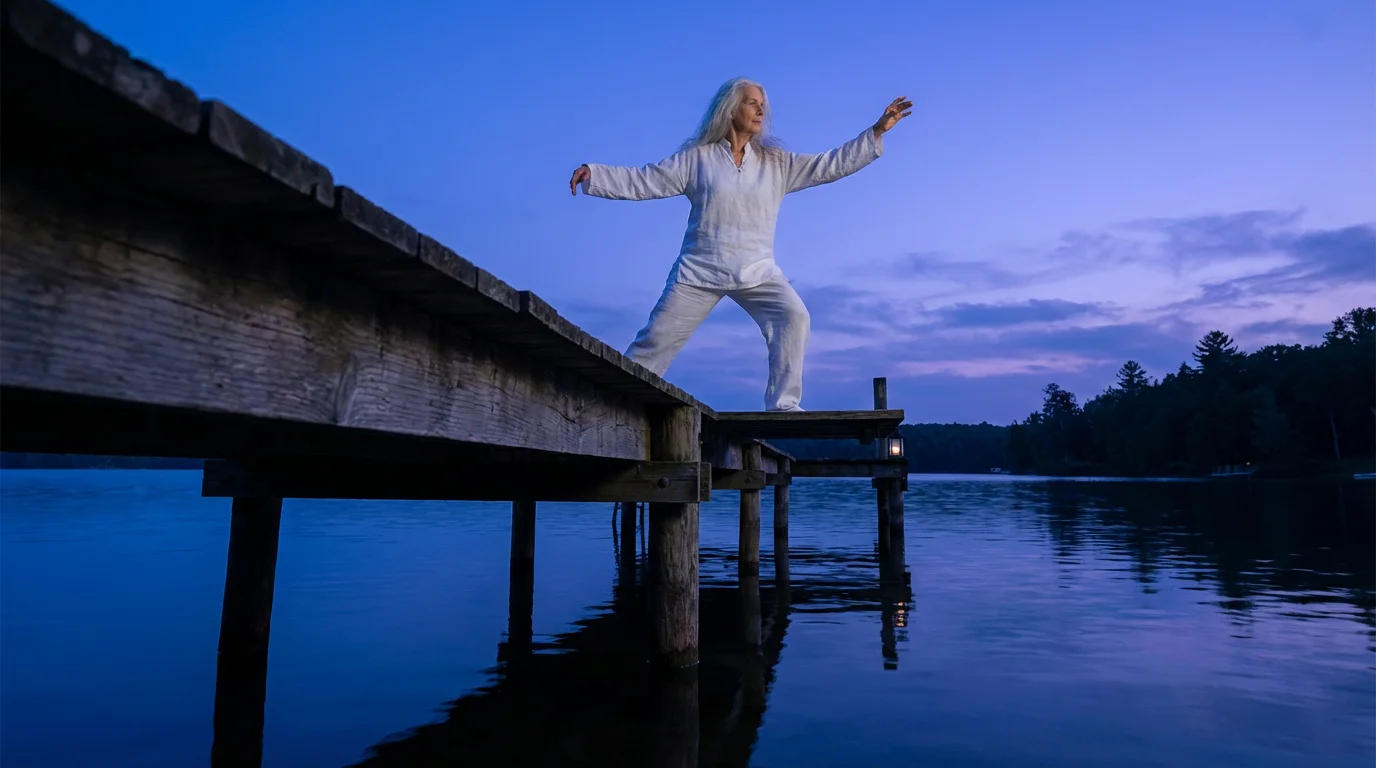
These ancient practices are excellent for improving flexibility, balance, and mental well-being. Yoga focuses on gentle stretches, controlled breathing, and holding postures, which strengthens muscles and improves joint mobility.
Tai Chi, often called “meditation in motion,” involves slow, flowing movements that enhance balance, coordination, and mental focus, significantly reducing fall risk for older adults.
- Improved Flexibility: Stretches muscles and increases range of motion in joints.
- Enhanced Balance: Critical for preventing falls, a major concern for seniors.
- Stress Reduction: Mind-body connection promotes relaxation and reduces anxiety.
- Core Strength: Many poses and movements engage and strengthen your core.
Strength Training with Light Weights or Resistance Bands
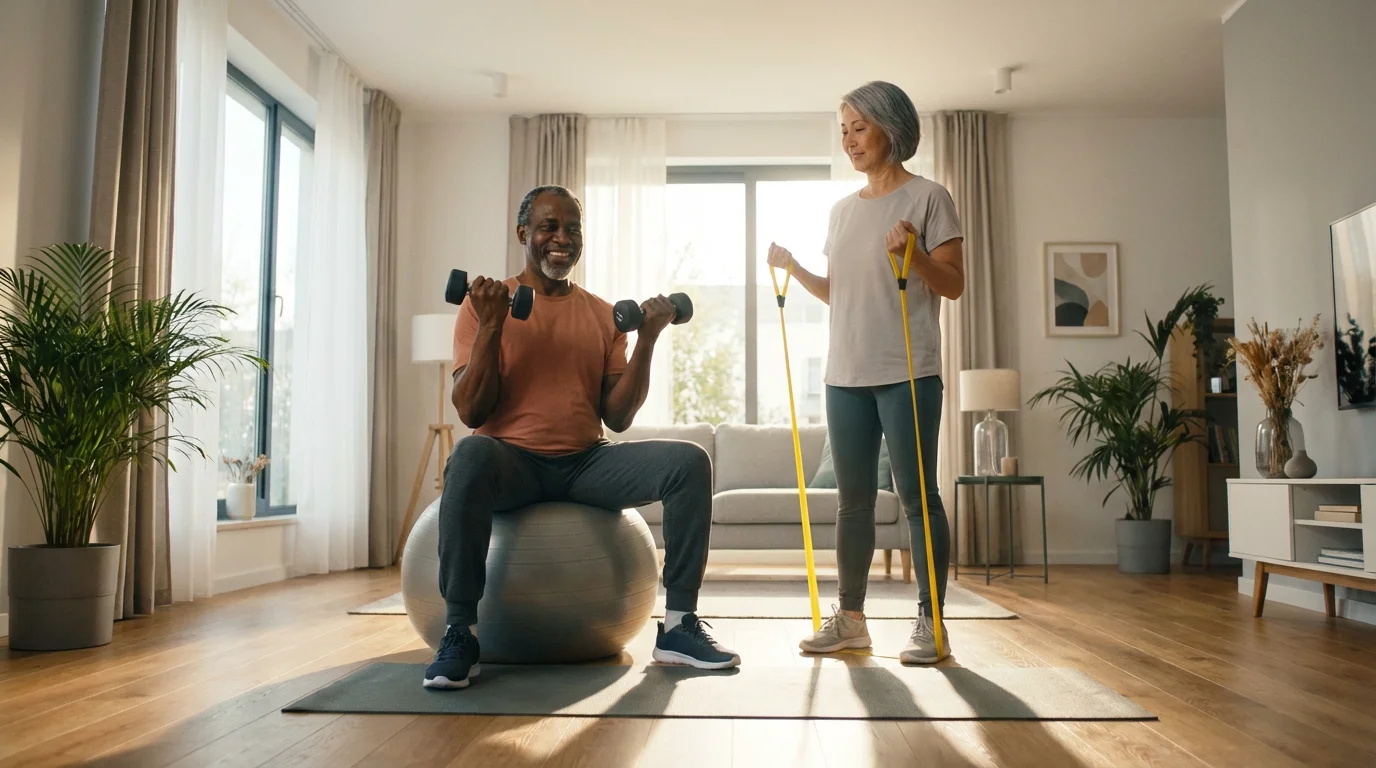
Maintaining muscle mass is vital for active aging. Strength training, even with light weights or resistance bands, can significantly improve your ability to perform daily activities.
You can use bodyweight exercises, such as modified squats or wall push-ups, or incorporate light dumbbells and resistance bands. Always focus on proper form to prevent injury.
- Start Light: Use weights that allow you to complete 8-12 repetitions with good form.
- Focus on Major Muscle Groups: Include exercises for your legs, arms, chest, back, and core.
- Consistency: Aim for 2-3 strength training sessions per week, with a rest day in between.
- Consider a Trainer: A certified trainer can teach you proper form and create a personalized plan.
Pilates
Pilates emphasizes core strength, flexibility, and body awareness. It uses controlled movements to engage deep abdominal and back muscles, which are crucial for posture and balance.
Many Pilates exercises can be modified to suit various fitness levels and physical limitations, making it a safe and effective option for retirees.
- Core Strengthening: Builds strong abdominal and back muscles, essential for stability.
- Improved Posture: Focus on alignment helps correct postural imbalances.
- Enhanced Flexibility: Gentle stretches lengthen muscles and increase joint mobility.
- Mind-Body Connection: Promotes mental focus and coordination.
“Use it or lose it.” This timeless adage truly applies to your physical capabilities.
Regular movement is key to maintaining your strength, flexibility, and independence throughout retirement.
Designing Your Senior Fitness Routine
You should aim for a balanced exercise program that includes cardiovascular activity, strength training, flexibility, and balance exercises. The American Heart Association recommends that adults get at least 150 minutes of moderate-intensity aerobic activity per week, or 75 minutes of vigorous activity.
For older adults, this translates to about 30 minutes of moderate activity, five days a week, plus strength training on two or more days.
Understanding the financial benefits of preventative health is a key step in avoiding common budgeting mistakes that can arise from unexpected medical needs.
When building your fitness routine, remember to account for the costs of gym memberships or equipment within your broader retirement financial plan.
To support your new activity level, focus on your diet by exploring nutritious retirement recipes that provide lasting energy.
Here is a practical approach to building your routine:
- Consult Your Doctor: Before starting any new exercise program, discuss it with your healthcare provider. This ensures the activities are safe and appropriate for your specific health conditions.
- Set Realistic Goals: Do not expect to become a marathon runner overnight. Start with achievable goals, such as walking for 15 minutes three times a week, and gradually build up from there.
- Vary Your Activities: Incorporate different types of low-impact exercises throughout your week. This prevents boredom, works different muscle groups, and reduces the risk of overuse injuries.
- Listen to Your Body: Pay attention to how your body feels. Some soreness is normal, but sharp pain means you need to stop and rest, or modify the exercise.
- Schedule Your Workouts: Treat your exercise time like any other important appointment. Consistency is more important than intensity, especially when starting.
Safety First: Exercising with Confidence
While low-impact exercises are inherently safer for seniors, practicing good safety habits remains crucial. Taking precautions minimizes your risk of injury and ensures your exercise routine is enjoyable and sustainable.
Your well-being should always be your top priority.
For many seniors, exercising at home feels much safer and more relaxing when they have reliable home security systems in place.
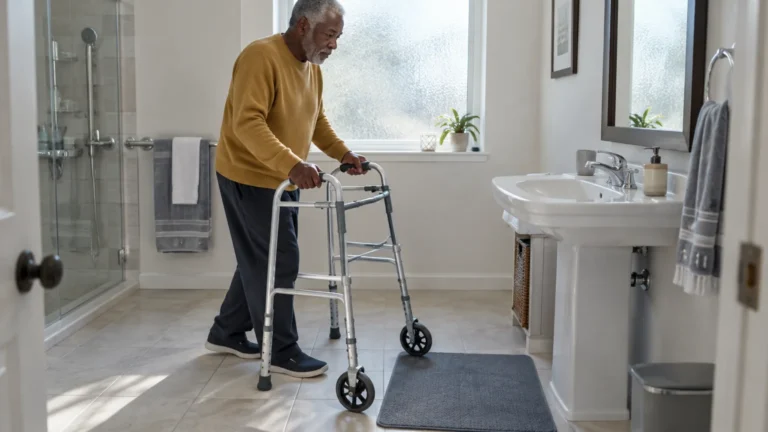
Creating a safe space for movement is vital, so consider performing essential home safety checks to prevent trips and falls in your living area.
Follow these essential safety guidelines:
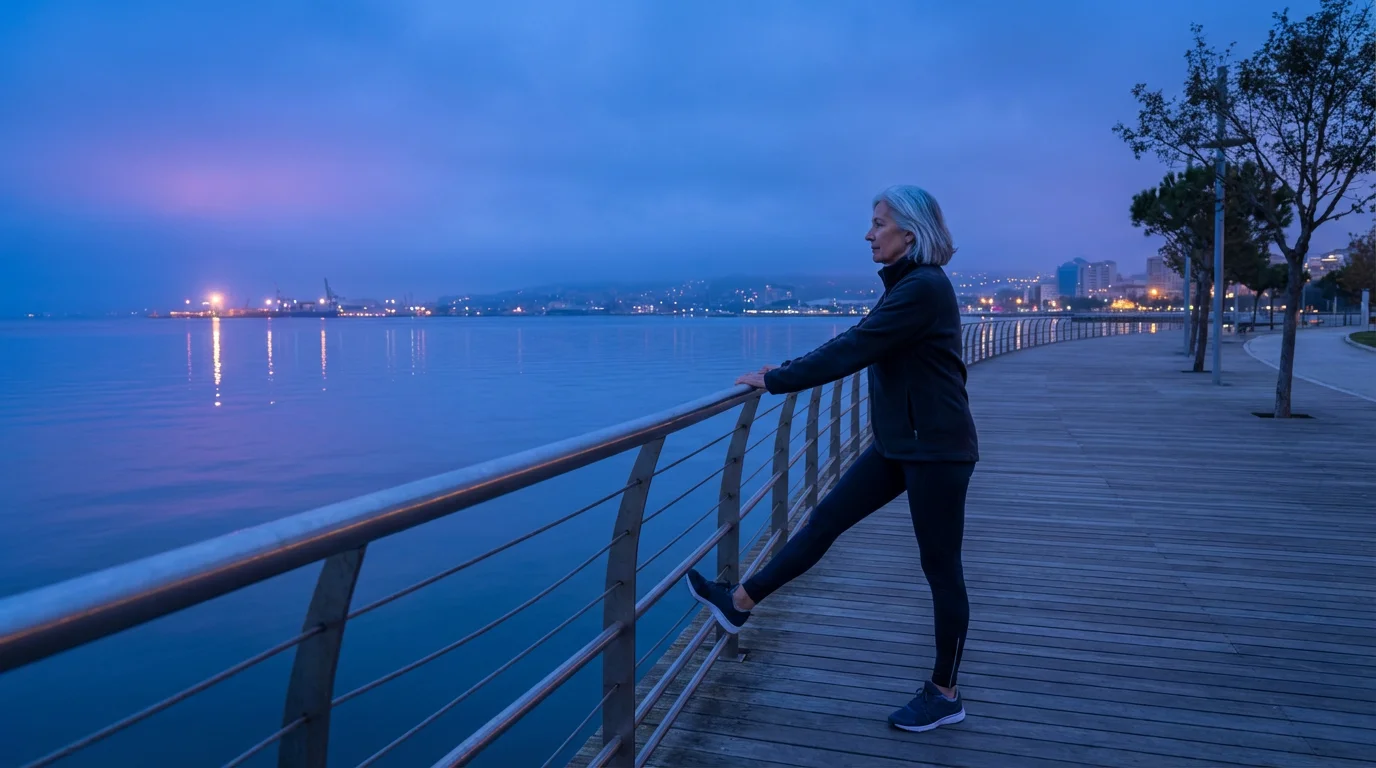
- Warm Up Properly: Dedicate 5-10 minutes to light cardio and dynamic stretches before your main workout. This prepares your muscles and joints for activity.
- Cool Down Thoroughly: After your workout, spend 5-10 minutes with static stretches, holding each stretch for 20-30 seconds. This improves flexibility and aids muscle recovery.
- Stay Hydrated: Drink water before, during, and after your exercise, even if you do not feel thirsty. Dehydration can lead to fatigue and muscle cramps.
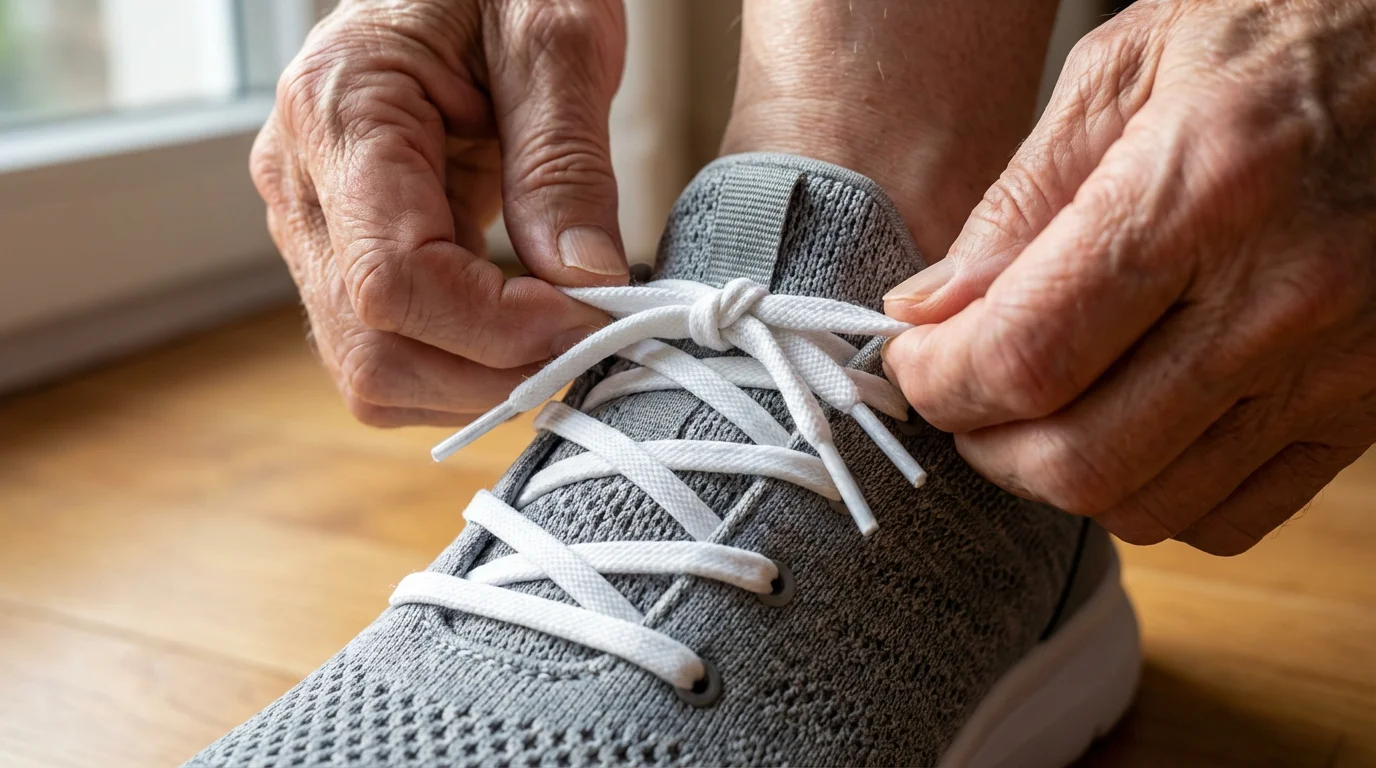
- Wear Appropriate Footwear: Choose comfortable, supportive shoes designed for your specific activity. Good footwear provides stability and cushions your feet.
- Dress for the Weather: If exercising outdoors, wear layers you can remove or add as needed. Protect yourself from the sun with hats and sunscreen.
- Know Your Limits: Do not push yourself too hard, especially when starting a new activity. Gradual progression is key.
- Be Aware of Your Surroundings: If exercising outdoors, choose well-lit, safe areas. If indoors, ensure your space is clear of hazards.
- Consider a Partner: Exercising with a friend or in a group can provide motivation and an extra layer of safety.

Making Exercise a Daily Habit
Turning exercise into a consistent part of your retirement life requires planning and commitment. You will experience the greatest benefits from your senior fitness efforts through regularity.
Think about ways to integrate activity seamlessly into your week, making it feel less like a chore and more like an enjoyable part of your routine.
Practical strategies for lasting consistency:
- Find Activities You Enjoy: If you dislike an exercise, you will not stick with it. Experiment with different low-impact options until you discover what truly motivates you.
- Set a Schedule: Block out specific times for your workouts in your calendar. Treating it as a non-negotiable appointment increases adherence.
- Exercise with a Friend: A workout buddy provides accountability and makes exercising more social and fun.
- Join a Group or Class: Many community centers, gyms, and senior-focused organizations offer low-impact exercise classes like water aerobics, senior yoga, or walking groups. These provide structure and social interaction. For local resources, you can explore the Eldercare Locator from the Administration for Community Living, which connects you to services for older adults. https://eldercare.acl.gov/
- Track Your Progress: Use a journal, a fitness tracker, or a simple app to log your workouts. Seeing your improvements can be a powerful motivator.
- Reward Yourself: Set small, non-food rewards for reaching milestones. This reinforces positive habits.
- Make it Convenient: Choose activities that are easy to access. If your gym is too far or a class conflicts with your schedule, you are less likely to participate.
- Connect Exercise to Other Activities: Walk to the store instead of driving, or do light stretches while watching TV.
Many resources, like those offered by AARP, provide tips and programs specifically designed to keep older adults active and engaged. You can find valuable information on AARP.org regarding senior fitness and healthy living.
Overcoming Common Barriers to Activity
You might encounter obstacles to maintaining an active lifestyle, which is perfectly normal. Recognizing these common barriers and developing strategies to overcome them helps you stay on track with your active aging goals.
Common challenges and practical solutions:
- Lack of Motivation:
- Solution: Find an exercise partner, join a group, or set small, achievable goals with rewards. Remind yourself of the long-term health benefits.
- Pain or Discomfort:
- Solution: Consult your doctor to rule out serious issues. Adjust your exercise intensity or try a different low-impact activity that is gentler on your body. Focus on proper form.
- Time Constraints:
- Solution: Break up your exercise into shorter bursts throughout the day. Even 10-minute walks three times a day add up to your recommended 30 minutes.
- Cost of Gym Memberships or Equipment:
- Solution: Many effective low-impact exercises, like walking, stretching, and bodyweight strength training, are free. Look for community programs or senior centers that offer low-cost or free classes. Public pools often have senior discounts.
- Fear of Injury:
- Solution: Start slowly, warm up thoroughly, and use correct form. Consider working with a physical therapist or certified personal trainer who specializes in senior fitness for guidance.
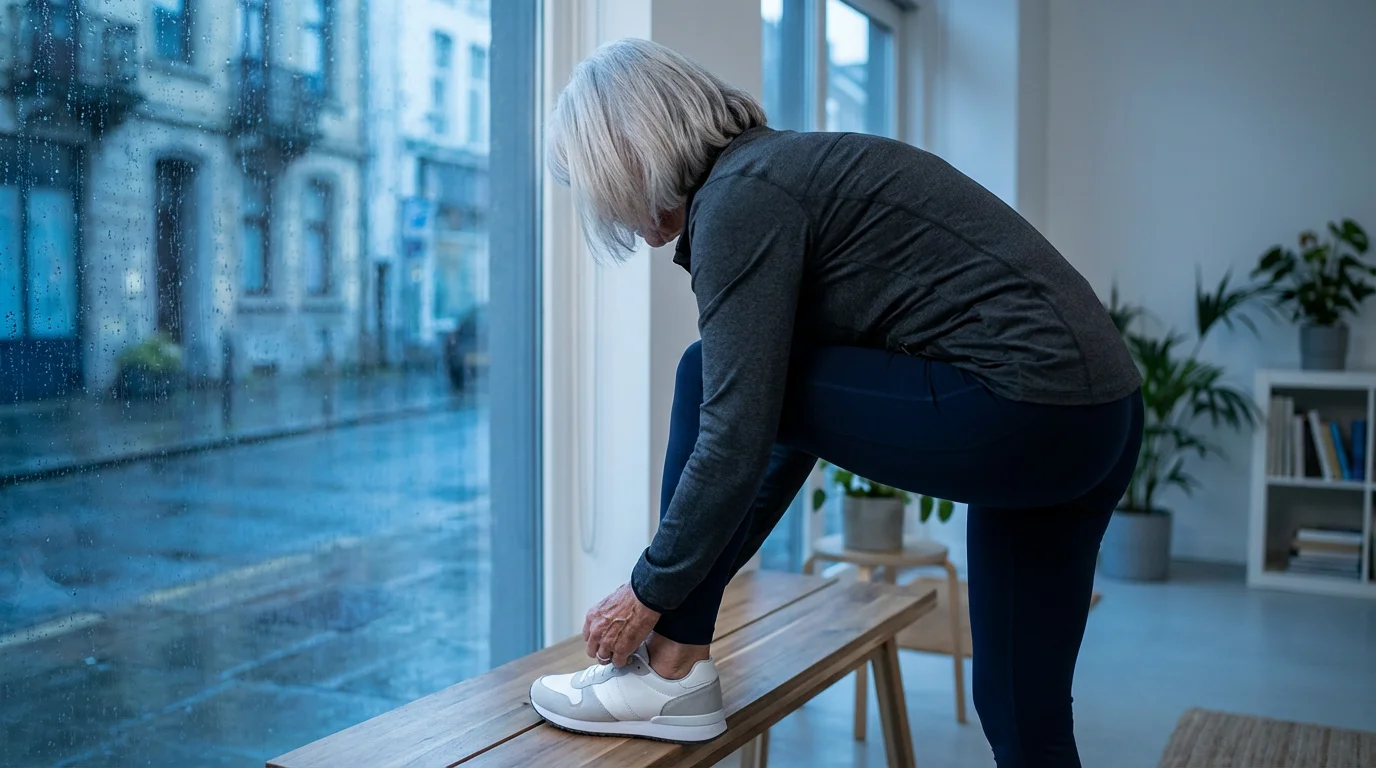
- Weather Limitations:
- Solution: Have indoor alternatives ready. Use a treadmill, stationary bike, or do home-based exercises like yoga or Pilates videos when outdoor conditions are unfavorable.
Frequently Asked Questions
What is considered a low-impact exercise for seniors?
Low-impact exercise for seniors typically involves activities where at least one foot remains in contact with the ground at all times, minimizing stress on joints. Examples include walking, swimming, cycling, yoga, Tai Chi, and strength training with light weights or resistance bands.
How much exercise should retirees get each week?
For most retirees, experts recommend at least 150 minutes of moderate-intensity aerobic activity per week, which can be broken down into 30 minutes, five days a week. Additionally, include muscle-strengthening activities for all major muscle groups at least two days a week.
Can low-impact exercises help with joint pain?
Yes, low-impact exercises can significantly help with joint pain, especially for conditions like arthritis. Gentle, controlled movements lubricate joints, strengthen surrounding muscles for better support, and improve flexibility, often leading to reduced pain and stiffness.
Always consult your doctor before starting any new routine if you have chronic joint pain.
Do I need special equipment for low-impact exercises?
Many low-impact exercises require little to no special equipment. For instance, walking only needs comfortable shoes.
For others, you might use a yoga mat, light dumbbells, resistance bands, or a bicycle. Public gyms and community centers often have equipment available if you prefer not to purchase your own.
Is it ever too late to start exercising in retirement?
It is never too late to start exercising. Even beginning a moderate exercise routine in your 60s, 70s, or beyond can yield significant health benefits, including improved strength, balance, mood, and cognitive function.
Start slow, listen to your body, and consult your doctor to find suitable activities.
Disclaimer: This article is for informational purposes only. Benefits, programs, and regulations can change.
We encourage readers to verify current information with official government sources and consult with qualified professionals for personalized advice.


3 Comments