
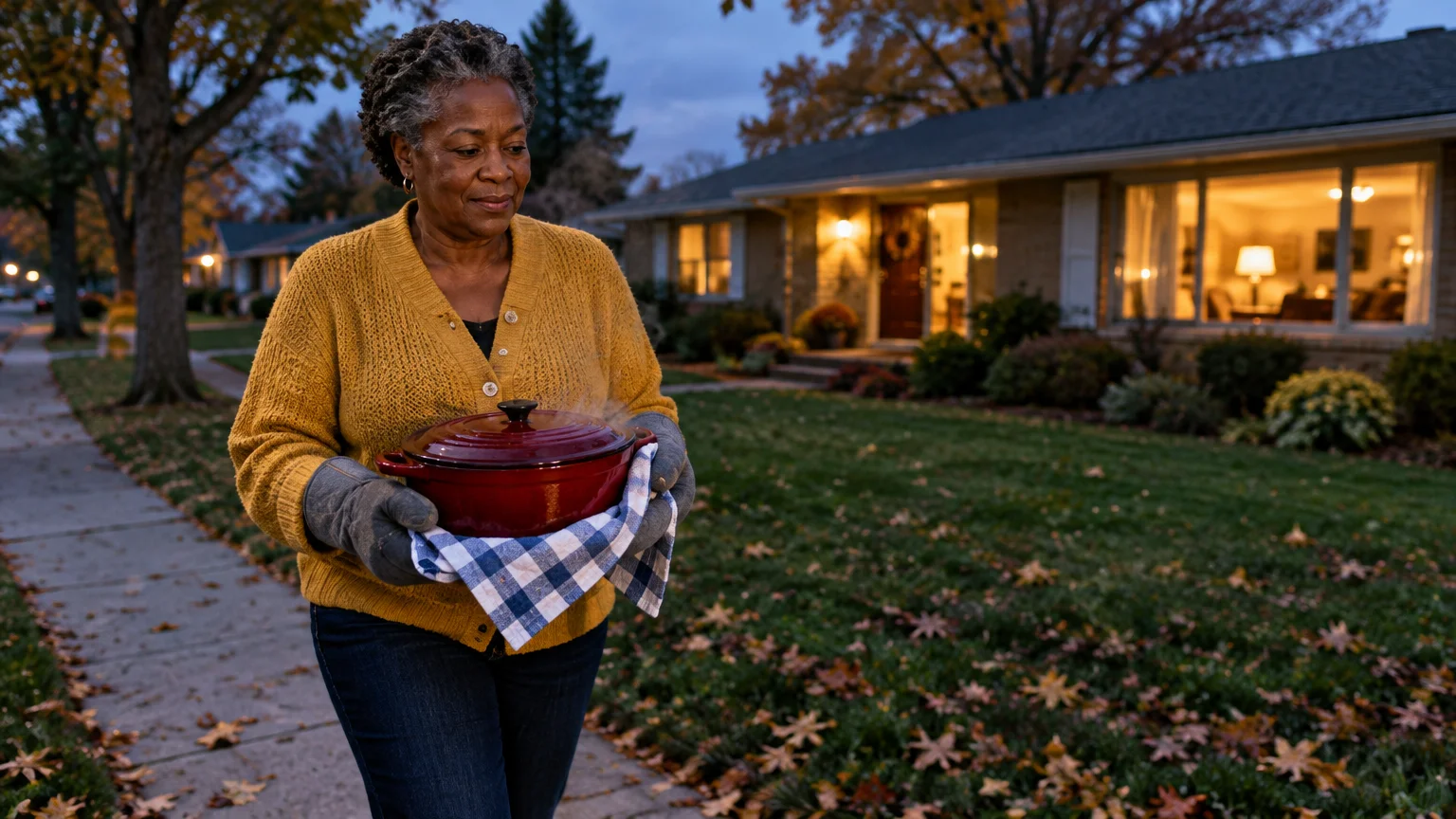
You can transform complex artisan cooking into a vibrant social ritual without spending twelve hours trapped alone in your kitchen. A monthly neighborhood supper club lets you share your culinary passion with local peers while distributing the workload evenly.
Most dinner parties exhaust the host, but dividing a four-course regional menu across four households caps your active kitchen prep at ninety minutes. This collaborative system guarantees restaurant-quality food, builds tight local bonds, and keeps retirement entertaining completely stress-free.
Here is your exact blueprint to launch a self-sustaining culinary circle on your street.
In this guide8 sections
- Establishing the Four-Household Revolving Model
- Structuring Regional Culinary Themes and Course Distribution
- A Worked Example: The Tuscan Harvest Dinner Budget and Timeline
- Equipment and Table Setup for Six to Eight Guests
- Comparing Club Hosting Formats and Kitchen Workloads
- Food Safety and Dietary Boundary Protocols
- Scheduling and Digital Coordination Tools
- Frequently Asked Questions

Establishing the Four-Household Revolving Model
The four-household structure provides the ideal balance for culinary hobbies for retirees. It creates a complete dinner party of six to eight people, which fits around a standard dining table without requiring rented furniture.
While cooking for a group creates vibrant community, mastering meal prep for solo living ensures your everyday weekday dinners remain just as satisfying.
Under this system, each household hosts once every four months. The host coordinates the table setting and provides the main course, while the remaining three members bring the appetizer, side dishes, and dessert.
Studies highlighted by AARP show that regular communal meals combat social isolation and strengthen cognitive vitality among older adults. Sharing the culinary workload preserves these benefits without creating entertaining fatigue.
Recruit neighbors who live within a ten-minute walk or drive of your home. Keeping travel distances short ensures that delicate sauces, hot casseroles, and chilled pastries arrive in prime condition.
Follow this sequence to launch your group successfully:
- Identify three neighboring couples or solo friends who enjoy home cooking, baking, or trying new global recipes.
- Host an informal thirty-minute coffee session to discuss culinary interests, food allergies, and preferred dining nights.
- Establish an initial four-month trial schedule where each household hosts exactly one regional dinner.
- Agree on a standard schedule, such as the second Saturday of every month from 6:00 PM to 9:30 PM.
- Set an absolute limit of eight attendees to keep conversation manageable and preserve table space.
Structuring Regional Culinary Themes and Course Distribution
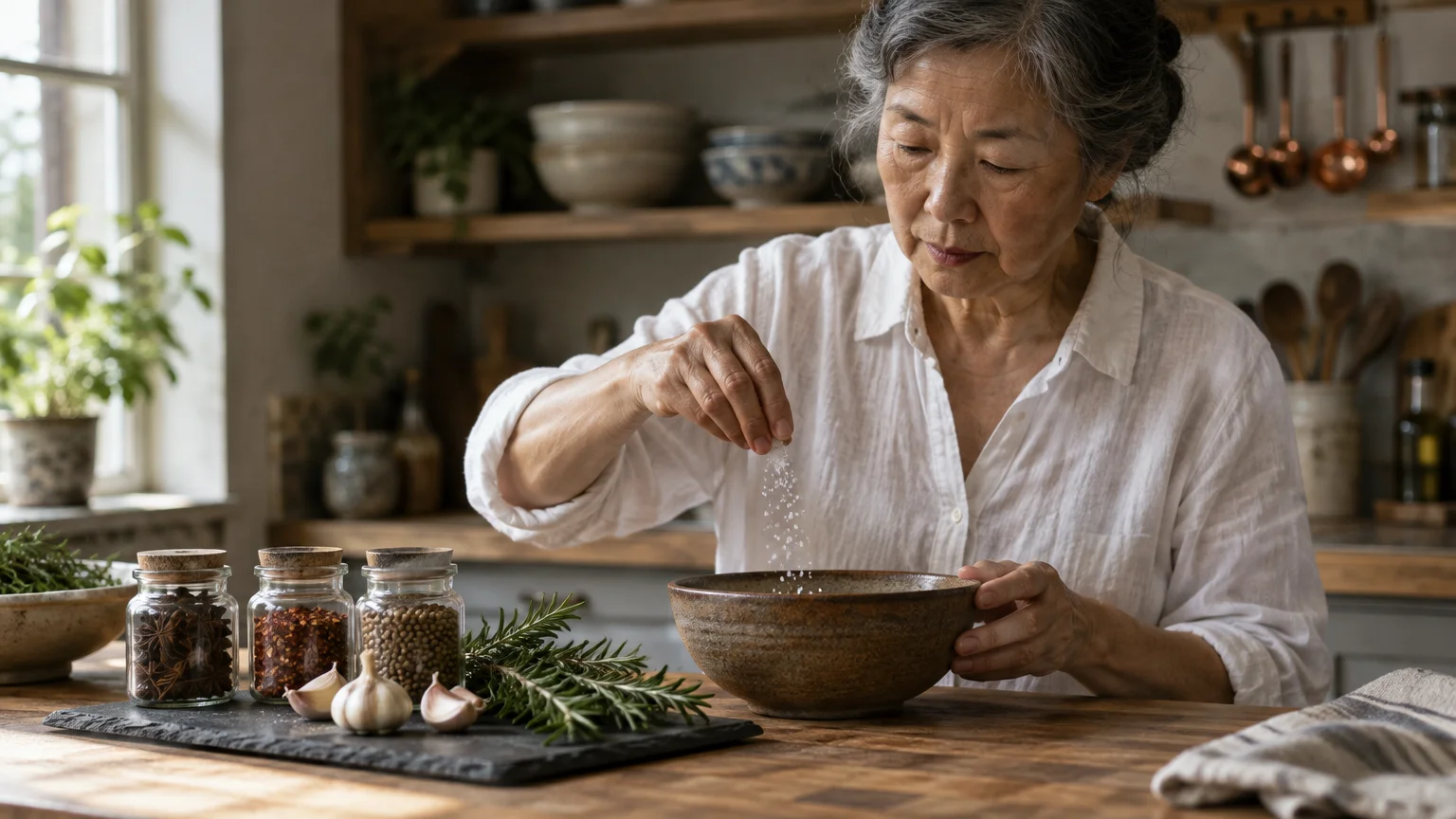
A neighborhood dinner parties seniors model thrives when you move beyond ordinary potluck fare. Organizing each monthly dinner around a specific culinary region encourages creative technique and introduces members to authentic global ingredients.
Beyond neighborhood dining circles, many older adults also enjoy volunteering in retirement to expand their social connections and give back to their towns.
The host household selects the regional theme four weeks before the event. This lead time gives cooking enthusiasts adequate space to research recipes, source specialty spices, and test techniques.
Course assignments rotate automatically alongside the hosting duties. The host always takes the main entrée because it requires the most stove and oven management during the party.
Guest households bring the complementary courses ready to serve. This division prevents crowded countertops and keeps the host’s oven free for the centerpiece dish.
Consider these curated regional themes for your first season:
- Oaxacan Mole Tradition: Slow-simmered chicken in dark chocolate mole negro, paired with handmade heirloom corn tortillas, roasted poblano rajas, and Mexican cinnamon flan.
- Provençal Autumn Bistro: Classic beef daube braised in red wine with niçoise olives, accompanied by tapenade crostini, buttered leeks, and poached pears in spiced syrup.
- Pacific Northwest Salmon Feast: Cedar-planked sockeye salmon with marionberry glaze, served alongside wild rice pilaf, roasted chanterelle mushrooms, and an apple-huckleberry crisp.
- Basque Tapas and Pintxos: Braised lamb shank with pimentón, accompanied by gildas skewers, blistered Padrón peppers, garlic shrimp, and Basque burnt cheesecake.
A Worked Example: The Tuscan Harvest Dinner Budget and Timeline
Running a retirement supper club keeps specialty dining affordable. Cooking elevated dishes at home costs a fraction of the bill at fine-dining establishments.
Applying smart grocery shopping strategies helps keep ingredient expenses low when sourcing specialty items for group dinners.
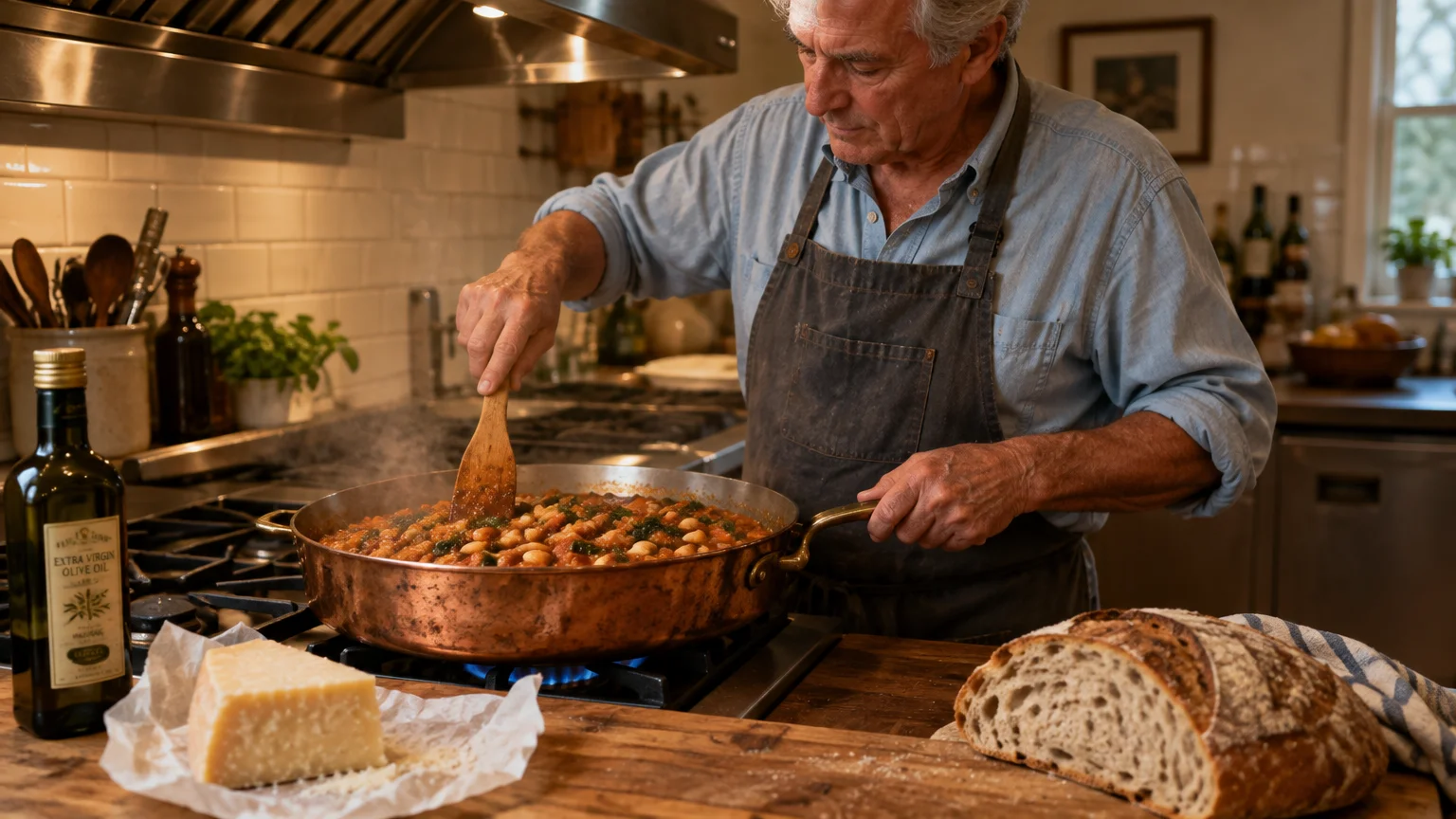
In this worked example, four households (eight total diners) assemble a multi-course Tuscan dinner on a Saturday in October. The host couple prepares braised beef ragu over handmade pappardelle pasta.
Household Two brings an antipasto platter featuring prosciutto di Parma, marinated artichoke hearts, and crostini with chicken liver mousse. They spend $24.50 and require 35 minutes of active kitchen prep.
The host couple spends $46.80 on 3.5 pounds of beef chuck roast, fresh herbs, San Marzano tomatoes, and semolina flour. They spend 75 minutes making pasta from scratch and simmer the ragu at 275°F for 3 hours.
Household Three prepares side dishes consisting of shaved fennel salad with citrus vinaigrette and roasted Broccolini with garlic. Their grocery bill totals $18.20 with 25 minutes of prep time.
Household Four provides an olive oil rosemary polenta cake paired with Vin Santo whipped mascarpone. Their ingredients cost $16.50, and baking takes 45 minutes of preparation.
The entire four-course gourmet meal costs $106.00 total, which equates to $13.25 per person. A comparable restaurant meal with tax and gratuity would cost at least $65.00 per person.
Use this sample event schedule to keep the evening structured and relaxed:
- 6:00 PM: Guests arrive with prepared dishes; host pours beverages and seats guests around the antipasto board.
- 6:45 PM: Host drops fresh pasta into boiling salted water for 3 minutes, tosses it with hot ragu, and plates the main course.
- 7:00 PM: Guests enjoy the pasta and ragu alongside the warm roasted Broccolini and crisp fennel salad.
- 8:00 PM: Tables are cleared into the host’s dishwasher, and Household Four presents the dessert with hot espresso.
- 9:15 PM: Dishes are packed, next month’s theme is announced, and guests depart by 9:30 PM.
Equipment and Table Setup for Six to Eight Guests
Hosting eight people requires functional kitchen staging rather than luxury gadgets. Efficient setups keep the dining area comfortable and prevent traffic jams around the sink.
Hosts managing joint pain can also rely on adaptive kitchen tools for arthritis to make heavy vegetable chopping and pot handling painless.
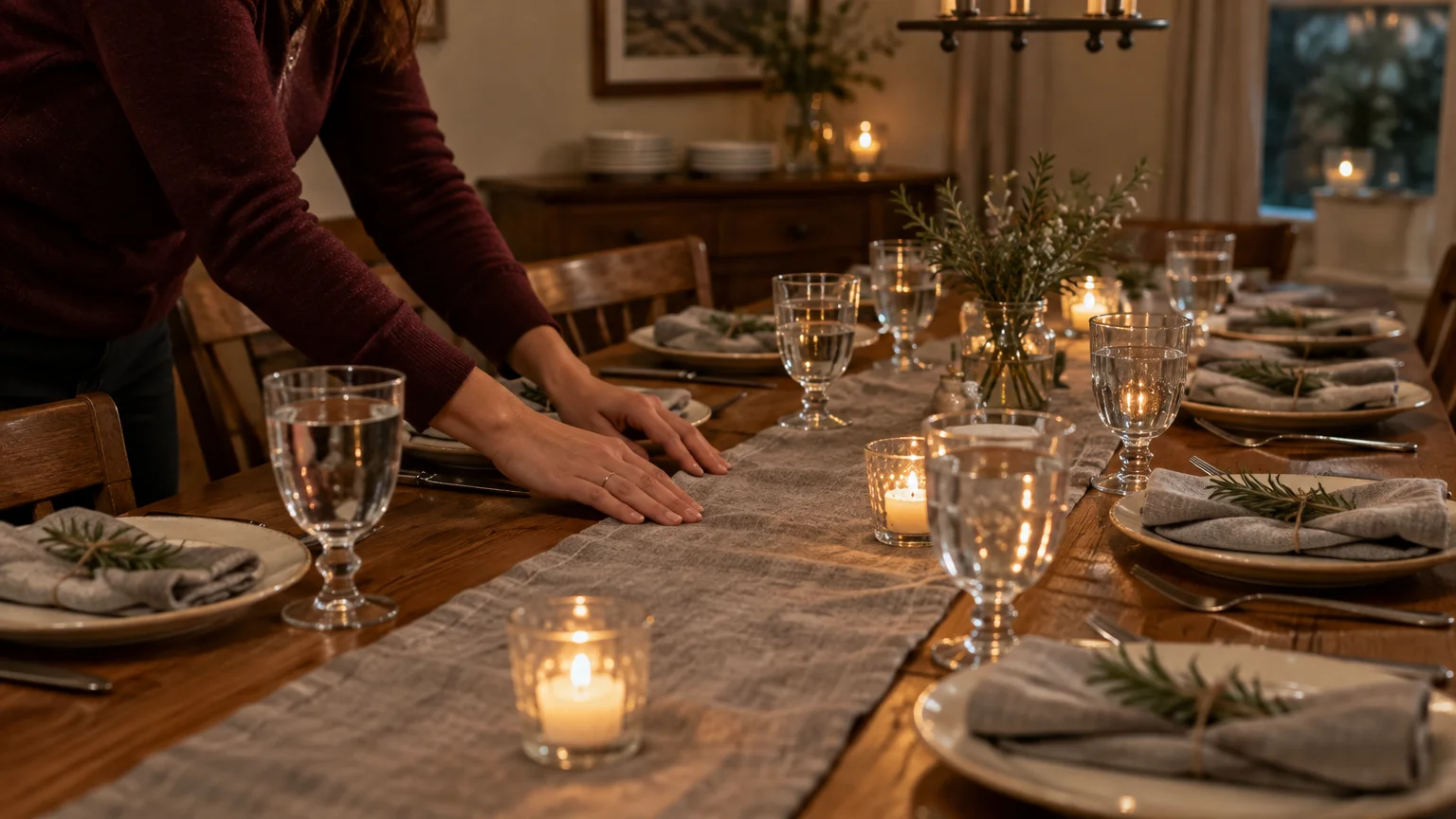
Your primary dining table should provide at least 24 inches of width per person. An eight-person gathering requires a table measuring at least 72 inches by 36 inches, or a circular table with a 60-inch diameter.
Guest cooks should transport hot items in insulated carriers rather than reheating everything on the host’s range. Equipment designed for temperature stability keeps food fresh and frees up counter space.
Community support resources through the Administration for Community Living highlight the role of accessible home environments in supporting active social lifestyles for seniors. Ensure all dining walkways remain clear of extension cords and pet items during gatherings.
Invest in these functional tools to simplify transportation and service across households:
- Insulated Casserole Carrier: A double-compartment tote like the Pyrex Portables system keeps hot side dishes warm for up to two hours during transit.
- Heavy Dutch Oven: A 5.5-quart or 6-quart enameled cast iron pot retains heat at the dining table, eliminating the need for electric buffet warmers.
- Quarter-Sheet Pans: Compact 9-inch by 13-inch rimmed baking sheets allow guests to organize prep ingredients, collect used tasting spoons, or stage glassware.
- Numbered Stemware Markers: Silicone wine charms or glass-marking pens prevent guests from mixing up drinks throughout a three-hour dinner.
- Bus Tub for Soiled Dishes: A discreet plastic wash bin placed on a pantry counter lets guests stack cleared plates without cluttering the main kitchen sink.
Comparing Club Hosting Formats and Kitchen Workloads
Choosing the correct operational structure determines whether your club lasts for years or collapses from host exhaustion. Different formats place wildly different burdens on host households.
Balancing entertaining expenses alongside regular household needs is an integral part of retirement budgeting for couples.
The revolving regional model remains the most sustainable choice for older adults managing fixed home layouts and personal energy levels. It distributes both monetary costs and culinary labor evenly among all participants.
Review the operational attributes of three common supper club formats below:
| Hosting Model | Active Host Prep Time | Average Grocery Cost per Host | Kitchen Capacity Needed | Dish Coordination Complexity |
|---|---|---|---|---|
| Revolving Regional (4 Households) | 75 to 90 minutes | $40 to $50 per cycle | Standard residential kitchen (single oven) | Moderate (theme-based course assignments) |
| Solo Host with Cash Reimbursement | 240 to 360 minutes | $120 to $160 upfront | Large culinary kitchen (double oven preferred) | Low (single cook manages the entire meal) |
| Unstructured Open Potluck | 45 to 60 minutes | $20 to $30 per cycle | Standard residential kitchen (buffet space needed) | High (frequent duplicate sides and dessert overlaps) |
The solo host model leads to swift burnout because one individual manages cleaning, prepping, cooking, and plating for the entire group. Over months, this burden leads hosts to cancel dates or quit.
Unstructured potlucks reduce prep time but produce disjointed meals. You may end up with three potato salads, heavy duplicate dips, and no cohesive culinary vision.
Food Safety and Dietary Boundary Protocols
Transporting warm sauces, poultry dishes, and egg-rich desserts between houses creates specific food safety considerations. Maintaining temperature discipline protects older adults, whose immune systems can be more sensitive to foodborne bacteria.
The U.S. Department of Agriculture defines the temperature danger zone as 40°F to 140°F. Perishable foods left in this range for more than two hours must be discarded.
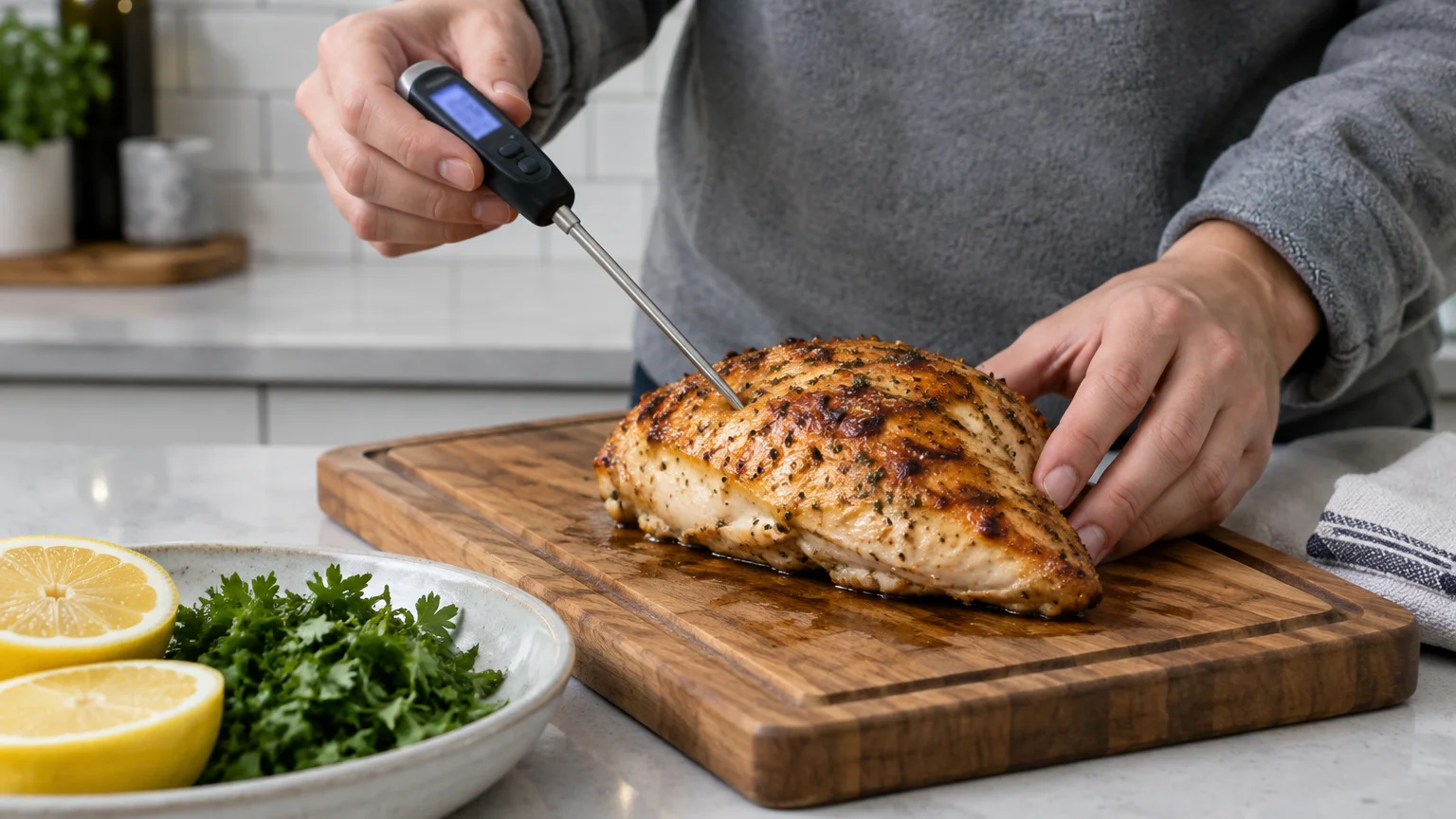
Use a digital instant-read thermometer, such as a ThermoWorks ThermoPop 2, to verify serving temperatures upon arrival. Hot foods must measure 140°F or higher, and chilled salads must remain at or below 40°F.
Establish crystal-clear guidelines regarding household dietary restrictions during your initial organizational meeting. Accommodating a true celiac allergy or severe nut allergy requires different prep methods than accommodating voluntary food dislikes.
Integrate these core safety rules into your supper club routine:
- Use Shallow Storage Containers: Cool leftover braises and stews in glass containers less than two inches deep so they reach 40°F quickly in the refrigerator.
- Label Allergen Ingredients: Place small index cards next to dishes indicating the presence of peanuts, tree nuts, shellfish, wheat, dairy, or soy.
- Transport with Cold Gel Packs: Carry mayonnaise-based slaws and custard desserts in coolers containing frozen gel packs rather than relying on loose ice.
- Sanitize Cutting Surfaces: Maintain dedicated color-coded cutting boards for raw meats and produce to eliminate cross-contamination risks when helping hosts slice food.

Scheduling and Digital Coordination Tools
Miscommunication regarding recipe choices and scheduling conflicts creates friction in neighborhood groups. Simple coordination systems keep everyone organized without forcing members to learn complex new software.
A single shared Google Sheet or Apple Numbers spreadsheet works best for tracking assignments. It provides one visible place for recording dates, addresses, menu themes, and course selections.
Appoint one member to serve as the seasonal coordinator. This person sends an email confirmation ten days before each dinner with the address, start time, and confirmed dishes.
Keep a clear substitute protocol for emergencies and travel. Retirement schedules often involve visiting grandchildren or seasonal trips, so flexibility keeps the club running smoothly.
Follow these operational bylaws to keep your club functioning without misunderstandings:
- Lock in Menus Two Weeks Early: Every cook posts their intended recipe title and primary ingredients to the shared document fourteen days before the dinner.
- Designate an On-Deck Substitute: Maintain a roster of two standby neighborhood couples who are willing to attend and bring a dish when a core member travels.
- Adopt a BYOB Beverage Format: The host provides water, coffee, and tea, while each guest household brings a wine or beer that pairs with the month’s regional cuisine.
- Enforce Clean-As-You-Go Hospitality: Guests who do not cook the main course wash serving platters and pack up table linens before leaving, so the host wakes up to a clean kitchen.
Frequently Asked Questions
How do we handle dinner club members with major dietary restrictions?
Address restrictions before forming the roster. If a member has severe celiac disease or life-threatening shellfish allergies, the entire group must commit to allergen-free recipes for every monthly theme.
What happens if a couple has to cancel on short notice due to illness?
The host absorbs the missing course by simplifying it, or an on-deck substitute neighbor takes the slot. Keep two frozen appetizer options on standby in the host freezer to handle last-minute cancellations without panic.
How should our group handle wine and cocktail pairings fairly?
Adopt a bring-your-own-beverage policy based on the monthly theme. The host suggests pairing styles, such as Chianti for Tuscan nights, and each household supplies their own preferred bottles.
Can single or widowed neighbors participate equally in a supper club?
Yes. Solo neighbors can either take single courses independently or partner with another single friend to share one of the four household slots on the hosting rotation.
Disclaimer: This article is for informational purposes only. Benefits, programs, and regulations can change.
We encourage readers to verify current information with official government sources and consult with qualified professionals for personalized advice.


