
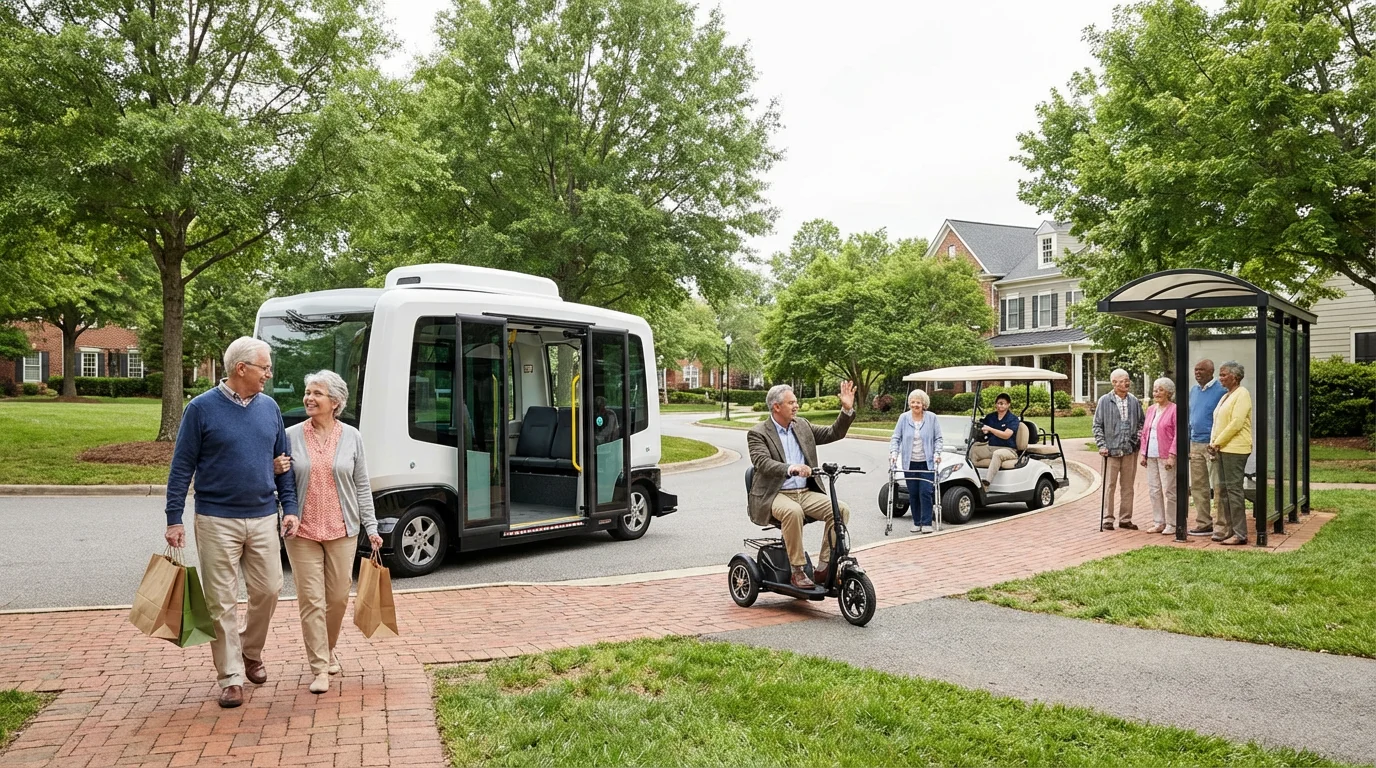
Life after driving does not mean losing your independence. Many Americans aged 55 and over face the decision to stop driving, whether due to health concerns, vision changes, or simply a desire to reduce stress.
This transition often raises questions about how to maintain essential daily activities like grocery shopping, doctor’s appointments, and social outings.
You have many viable options for getting around without a personal vehicle. This guide explores the various senior transportation services available, helping you discover reliable ways to stay active and connected in your community.
We offer practical, actionable insights to empower your mobility, ensuring you continue to enjoy a fulfilling retirement.
In this guide10 sections
- Maintaining Your Mobility and Independence
- Understanding Public Transit Systems
- Exploring Ride-Sharing Services
- Harnessing Senior-Specific Transportation Programs
- Volunteer Driver Programs and Community Support
- Navigating Medical Transportation Services
- Specialized Paratransit and Dial-A-Ride Options
- Planning Your Transportation Strategy
- Funding Your Transportation Needs
- Frequently Asked Questions
Maintaining Your Mobility and Independence
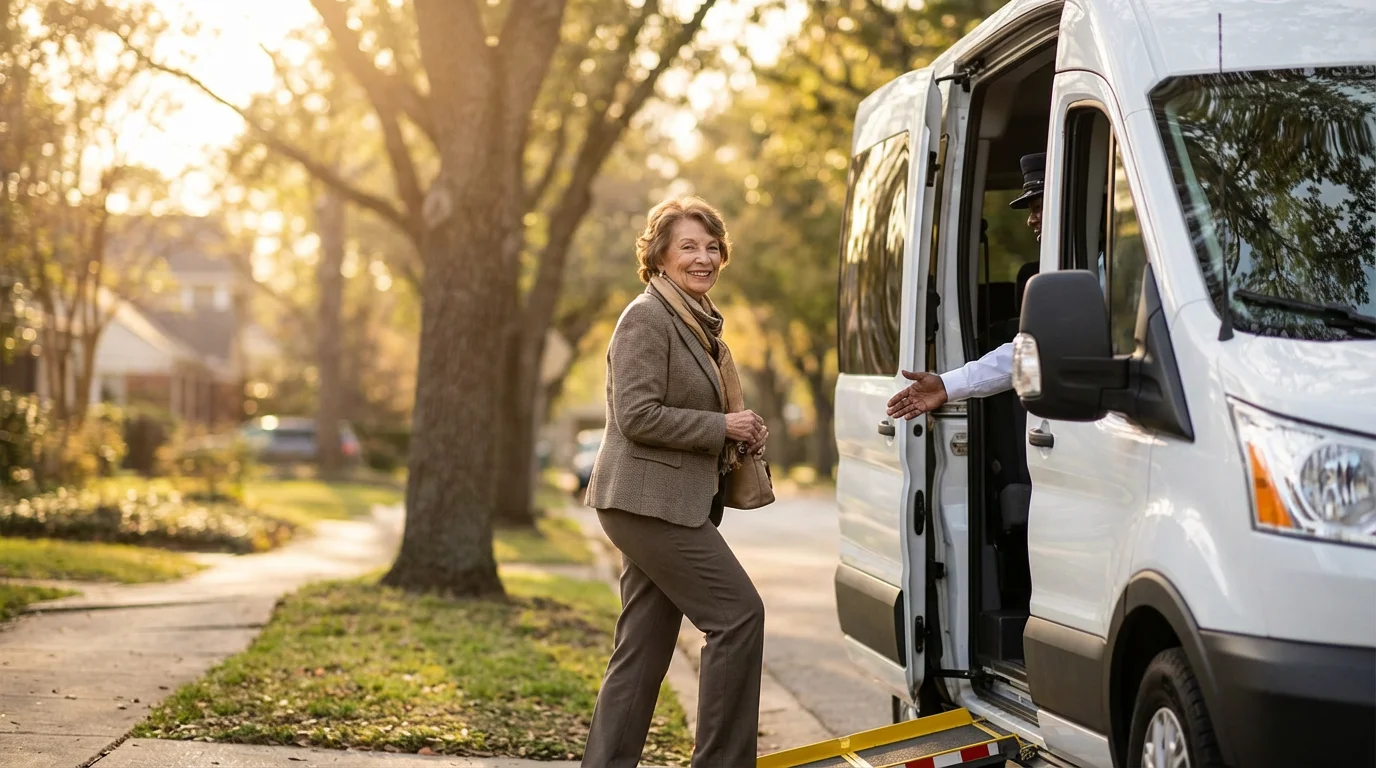
Your ability to get where you need to go directly impacts your quality of life in retirement. Studies consistently show that maintaining mobility helps older adults stay engaged, healthy, and independent.
According to AARP, a significant majority of older adults prioritize staying in their homes and communities as they age, a goal highly dependent on accessible transportation.
Reliable transportation allows you to manage daily errands, attend social events, and access essential services, all crucial components of successful aging.
Staying mobile also allows you to enjoy outdoor hobbies like senior-friendly gardening without physical overexertion.
Finding a home near transit hubs is often easier when you explore housing assistance programs for seniors that prioritize accessibility.
Consider the opportunities that open up when you have a plan for getting around. You can visit family, attend religious services, volunteer, or simply enjoy local attractions.
Creating a robust transportation plan helps you continue to live life on your terms.

Understanding Public Transit Systems
Public transit offers a cost-effective and environmentally friendly way to travel in many areas. Most cities and towns operate bus, subway, or light rail systems.
These services typically provide extensive routes and frequent schedules, connecting various neighborhoods and key destinations.
While transit helps with local errands, budgeting for travel is essential for those planning longer trips to visit distant family.
Many public transit agencies offer significant discounts for seniors. You often need a valid ID to prove your age, and some systems require a special senior pass.
Check your local transit authority’s website or visit their customer service center to learn about eligibility and how to apply for reduced fares.
Here are some advantages and considerations for using public transit:
- Cost Savings: Senior discounts make public transit much cheaper than owning and operating a car. You save on gas, insurance, parking, and maintenance.
- Environmental Benefits: Choosing public transit reduces your carbon footprint, contributing to cleaner air.
- Accessibility: Most modern buses and trains are wheelchair accessible and have features like kneeling buses for easier boarding.
- Route Planning: Use online tools, such as Google Maps, or consult printed schedules to plan your route in advance. Many systems also have apps that provide real-time tracking of buses and trains.
- Off-Peak Travel: Traveling during non-rush hours often means fewer crowds and a more comfortable experience.
Learning your local public transit system can take a little time, but the benefits of increased independence and significant savings are well worth the effort.

Exploring Ride-Sharing Services
Ride-sharing services like Uber and Lyft provide on-demand transportation directly from your home to your destination. You request a ride through a smartphone app, and a driver arrives to pick you up.
These services offer flexibility and convenience, especially for spontaneous trips or areas not well-served by public transit.
When setting up transportation accounts, always remain alert to scams targeting seniors that may occur through unsolicited apps or calls.
Many seniors find ride-sharing an excellent option because of its door-to-door service. You do not have to worry about parking or navigating unfamiliar routes.
While you typically need a smartphone and a credit card linked to the app, some services now offer options for booking rides through a phone call or through a family member’s account.
Consider these tips for using ride-sharing services safely and effectively:
- Set Up Your Account: If you are comfortable with smartphones, download the app, create an account, and link a payment method.
- Safety First: Always verify the driver’s name, license plate number, and car model against the information in your app before entering the vehicle.
- Share Your Trip: Most apps allow you to share your trip details with a trusted friend or family member so they know you arrived safely.
- Check Pricing: Fares can vary based on demand, time of day, and distance. Review the estimated fare before confirming your ride.
- Use a Designated Pickup Spot: Choose a well-lit, safe location for pickups, especially at night.
For those who do not use smartphones, some senior service organizations or family members can help arrange rides. Several specialized services cater specifically to seniors, offering more personalized assistance.
Harnessing Senior-Specific Transportation Programs
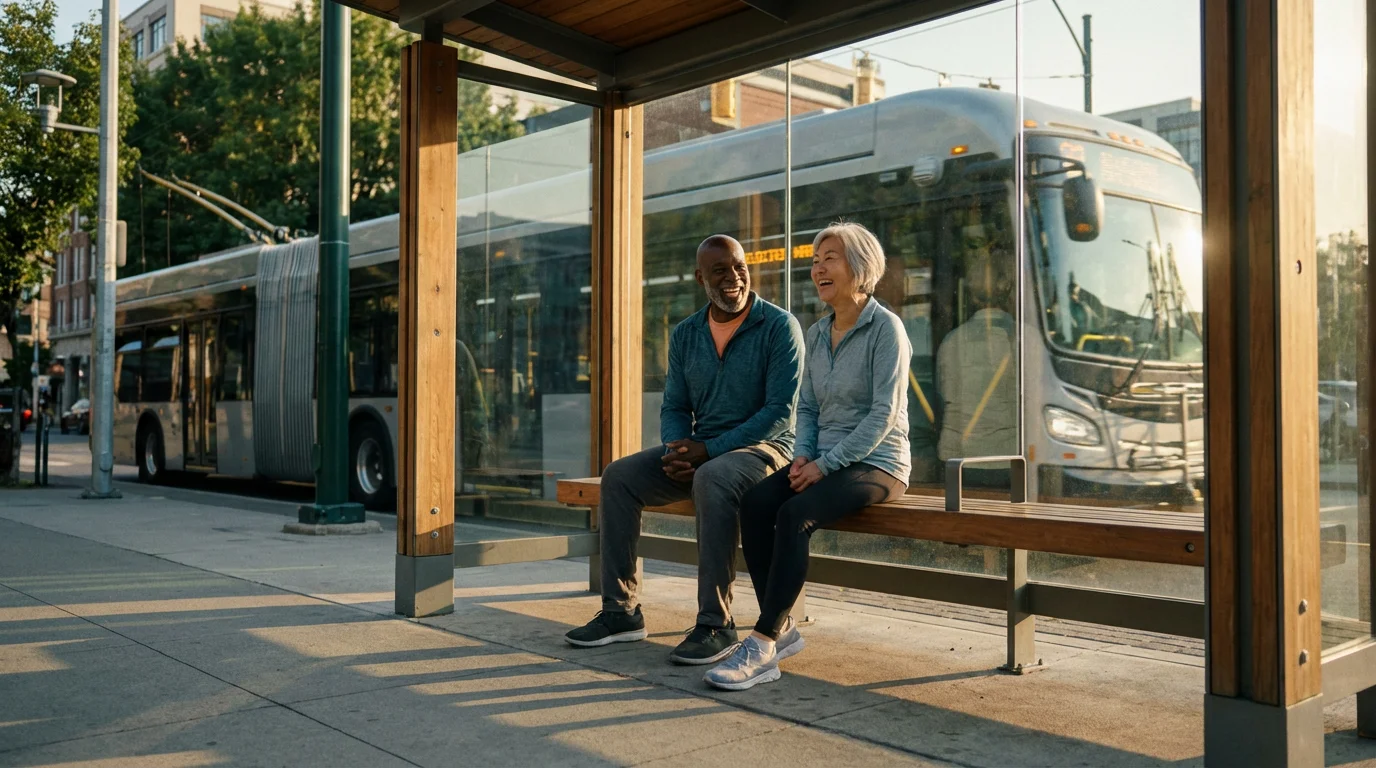
Many communities offer transportation services designed exclusively for older adults. These programs often provide subsidized rides, door-to-door service, or group outings, making them an invaluable resource.
Area Agencies on Aging (AAAs) typically coordinate or fund these services at the local level.
Beyond transport, programs like SNAP benefits for seniors can further help you manage your monthly living costs.
You can find local services through the Eldercare Locator, a public service of the U.S. Administration for Community Living. Enter your zip code or city and state to discover resources in your area, including transportation options.
Senior centers also frequently serve as hubs for these programs, offering information, sign-ups, and sometimes even direct transportation for their members.
These programs often include:
- Fixed-Route Shuttles: These run on specific schedules and routes, connecting senior residences with grocery stores, medical offices, and community centers.
- Demand-Response Van Services: You schedule these rides in advance, and a van picks you up and drops you off at your requested destination. This often requires a few days’ notice.
- Group Outings: Many senior centers organize group trips to shopping malls, cultural events, or local attractions, providing transportation as part of the activity.
- Subsidized Taxi Vouchers: Some programs offer vouchers or discounted rates for local taxi services, reducing the cost of independent travel.
Eligibility for these programs often depends on age, residency, and sometimes income. Contact your local AAA or senior center to understand the specific requirements and availability in your community.

Volunteer Driver Programs and Community Support
Volunteer driver programs offer a personalized and often very compassionate solution for seniors needing transportation. Non-profit organizations, faith-based groups, and community associations often coordinate these services, relying on volunteers who donate their time and vehicles.
If you need help understanding the legalities of community service agreements, affordable legal aid for seniors is often available.
These programs typically match a senior with a volunteer driver for specific appointments or errands. The service is often free or offered for a small donation to cover fuel costs.
Drivers frequently provide door-to-door assistance, including help getting in and out of the car, carrying packages, or waiting during appointments.
To find volunteer driver programs in your area:
- Contact Local Senior Centers: They are excellent resources for information on local community services.
- Reach Out to Faith-Based Organizations: Churches, synagogues, and other religious groups often have outreach programs that include transportation assistance.
- Inquire with Community Organizations: Look for local chapters of organizations like Lions Clubs, Rotary Clubs, or other civic groups that might offer or know of such services.
- Utilize the Eldercare Locator: As mentioned, this online tool can help you find local support services.
Because these programs rely on volunteers, they may have limitations on availability, travel distance, or the types of trips they can accommodate. Planning in advance is often key to securing a ride.

Navigating Medical Transportation Services
Accessing healthcare appointments is paramount for seniors. Many specialized services focus on non-emergency medical transportation (NEMT), ensuring you can get to doctors, specialists, and therapy sessions.
Transportation is just one factor in a larger budget; be sure to account for other surprising expenses that can impact your savings.
In addition to transport help, many low-income retirees also utilize free healthcare clinics for seniors to manage their overall wellbeing without financial strain.
Medicare generally does not cover routine transportation to medical appointments. However, certain Medicare Advantage plans (Part C) may include NEMT benefits as part of their supplemental offerings.
These benefits vary widely by plan and location, so review your plan’s specific details or contact your provider for clarification.
Medicaid, on the other hand, typically covers NEMT for eligible beneficiaries. If you qualify for Medicaid, you usually have access to rides to medically necessary appointments.
State Medicaid agencies or your managed care organization can provide details on how to arrange these services.
Other sources for medical transportation include:
- Local Hospitals and Clinics: Some healthcare providers offer shuttle services or have programs to assist patients with transportation.
- Disease-Specific Organizations: Foundations dedicated to specific conditions, like cancer or kidney disease, sometimes offer transportation assistance to treatment centers.
- Veteran Benefits: If you are a veteran, the Department of Veterans Affairs (VA) may provide transportation to VA medical facilities. Contact your local VA office for details.
Always confirm coverage and arrange transportation well in advance of your appointment. Many services require prior authorization from your doctor or a specified booking window.

Specialized Paratransit and Dial-A-Ride Options
For individuals with disabilities or those whose health conditions prevent them from using fixed-route public transit, specialized paratransit services offer a vital solution. The Americans with Disabilities Act (ADA) mandates that public transit agencies provide paratransit services comparable to their fixed-route services.
These services are often known as “Dial-A-Ride” or similar names.
Paratransit typically provides door-to-door or curb-to-curb service using accessible vehicles. To qualify, you must undergo an application process to determine if your disability prevents you from using the regular bus or train system.
This eligibility assessment ensures services reach those who need them most. The Administration for Community Living (ACL) supports programs that help older adults and people with disabilities live independently in their communities, often including transportation assistance.
Key characteristics of paratransit services:
- Eligibility Assessment: You complete an application and may need a doctor’s verification of your disability.
- Advance Booking: Rides usually require booking 24 hours to several days in advance.
- Fares: Fares are comparable to standard public transit fares, usually a few dollars per ride.
- Service Area: Paratransit operates within the same general service area as the fixed-route public transit system.
- Personal Care Attendants: Many services allow a personal care attendant to ride for free.
If you have mobility limitations, explore paratransit options with your local public transit agency. It provides a reliable and accessible way to navigate your community.
Planning Your Transportation Strategy
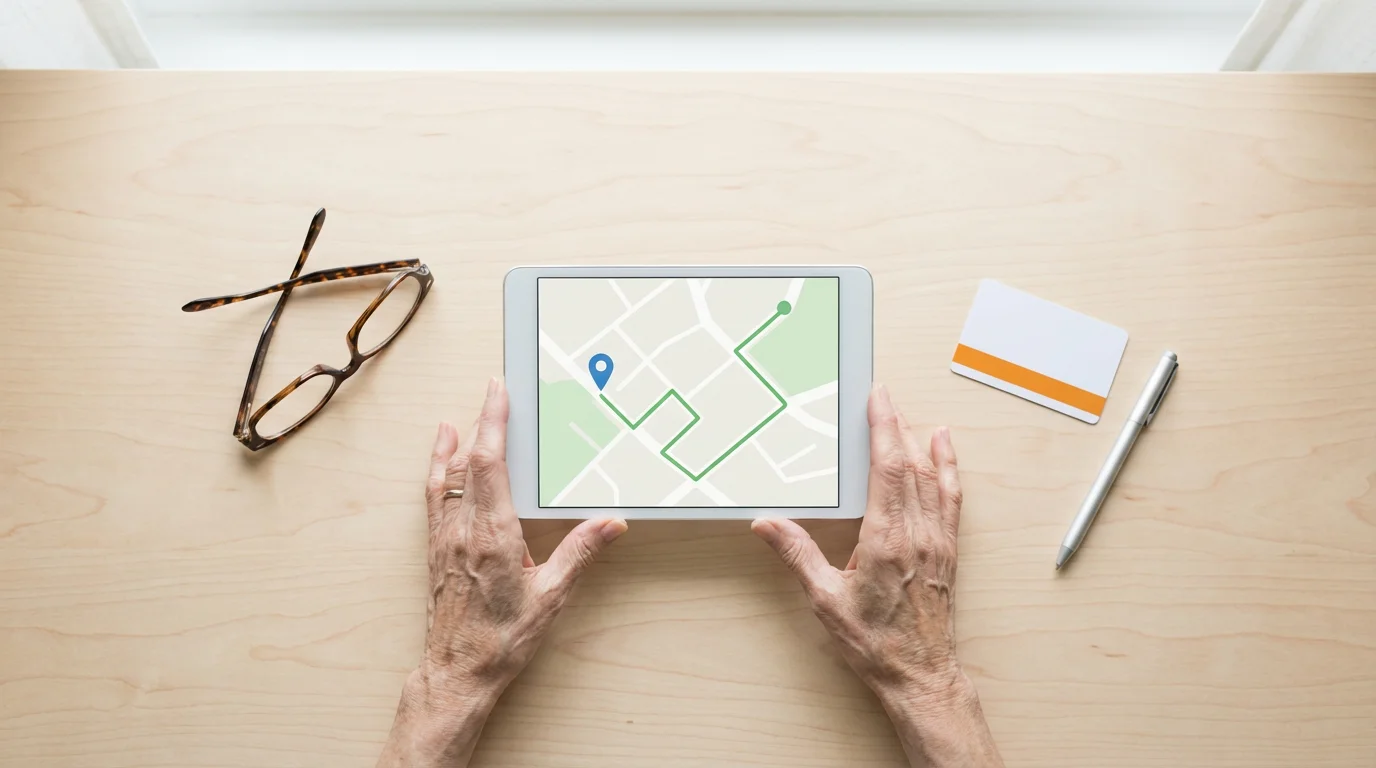
Creating a personalized transportation plan ensures you always have a way to get around. Instead of relying on a single option, consider combining several services to meet different needs.
For example, you might use public transit for regular errands, ride-sharing for spontaneous trips, and a volunteer driver for medical appointments.
Start by assessing your typical travel needs:
- How often do you need to travel?
- What are your most common destinations (e.g., grocery store, doctor, social events)?
- What is your budget for transportation?
- Do you have any mobility limitations that require accessible vehicles or assistance?
- How much advance notice can you typically give for a ride?
Once you understand your needs, research the options available in your specific community. Create a contact list with phone numbers for different services, and familiarize yourself with their booking procedures and fare structures.
Having a clear plan reduces stress and helps you maintain your independence.

Funding Your Transportation Needs
Transportation costs can add up, especially on a fixed income. Fortunately, many programs and resources can help offset these expenses.
Understanding these options empowers you to access the rides you need without financial strain.
Explore potential federal, state, and local programs through Benefits.gov, a comprehensive resource for government benefits. This portal can help you identify various assistance programs, some of which may include transportation subsidies.
Consider these funding sources and assistance programs:
- Senior Discounts: Always inquire about senior rates for public transit, taxis, and ride-sharing services.
- Medicaid: As mentioned, Medicaid often covers non-emergency medical transportation for eligible individuals.
- Medicare Advantage Plans: Some private Medicare plans include transportation as a supplemental benefit. Check your plan’s details carefully.
- Veterans Benefits: Veterans may qualify for transportation assistance through the VA, particularly for medical appointments.
- Local Grants and Subsidies: Many Area Agencies on Aging or local governments offer direct subsidies or vouchers for transportation services.
- Non-Profit Assistance: Organizations like the American Cancer Society or local charities sometimes provide transportation support for specific needs.
Do not hesitate to ask about financial assistance when inquiring about transportation services. Many programs exist specifically to help seniors manage their mobility costs.
Frequently Asked Questions
How do I find senior transportation near me?
You can find senior transportation services by contacting your local Area Agency on Aging, visiting a senior center, or using the Eldercare Locator online. Government websites like Benefits.gov can also point you to local programs and resources.
These resources will help you discover what options are available in your specific community.
Does Medicare cover transportation to doctor appointments?
Original Medicare generally does not cover routine transportation to doctor appointments. However, some Medicare Advantage plans (Part C) may include non-emergency medical transportation benefits as part of their additional services.
You should check with your specific Medicare Advantage plan provider to understand what coverage they offer.
Are ride-sharing services safe for seniors?
Ride-sharing services like Uber and Lyft implement various safety measures, including driver background checks and in-app safety features. You can enhance your safety by always verifying the driver’s name, license plate, and vehicle model before entering the car.
Share your trip details with a trusted contact and choose well-lit, safe pickup locations.
What if I have limited mobility or use a wheelchair?
If you have limited mobility or use a wheelchair, look for paratransit or Dial-A-Ride services offered by your local public transit agency. These services are ADA-compliant and provide accessible, door-to-door transportation.
Many senior-specific programs and volunteer driver programs also utilize accessible vehicles or offer assistance.
How much do senior transportation services cost?
The cost varies significantly depending on the service. Public transit often offers deeply discounted senior fares, sometimes just a few dollars per ride.
Ride-sharing services charge per trip, similar to a taxi, with prices fluctuating based on demand. Senior-specific programs, volunteer drivers, and paratransit may be free, require a small donation, or charge a subsidized fare, usually much less than commercial options.
Always inquire about exact costs and potential discounts.
Disclaimer: This article is for informational purposes only. Benefits, programs, and regulations can change.
We encourage readers to verify current information with official government sources and consult with qualified professionals for personalized advice.



2 Comments