

You can build conversational Spanish in your sixties without memorizing verb conjugation charts or taking high school grammar tests. Spending your winters renting an apartment in Mexico, Costa Rica, or Panama requires practical communication, not academic fluency.
Similar extended-immersion principles apply whether you are heading to the Americas or learning how to plan a 60-day winter slow-travel stay in Portugal’s Algarve.
These fundamental communication skills are just as valuable if you are planning a 30-day winter stay in Spain as they are across the Americas.
Adult brains acquire speech fastest through comprehensible auditory input—hearing meaningful Spanish spoken at a comfortable pace. This method bypasses rote drills and trains your ear to recognize everyday phrases used at produce markets and neighborhood bakeries.
With twenty to thirty focused minutes each morning, you can speak comfortably with Latin American vendors and neighbors before your winter trip begins.
In this guide9 sections
- Why Comprehensible Input Beats Grammar Drills After 60
- Cognitive Reserve: How Bilingualism Protects Aging Brains
- The 30-Minute Daily Auditory Immersion Blueprint
- Conversational Spanish for Wintering Abroad: Essential Scripts
- Tuition-Free College Auditing and OLLI Programs
- Software, Apps, and Library Resources Compared
- Worked Example: 16-Week Winter Preparation Schedule and Budget
- Practicing Spanish in Your Home Community
- Frequently Asked Questions
Why Comprehensible Input Beats Grammar Drills After 60
Traditional language classes force students to analyze grammar rules and conjugate verbs in written tables. This analytical approach strains adult working memory and creates hesitation when you try to speak.
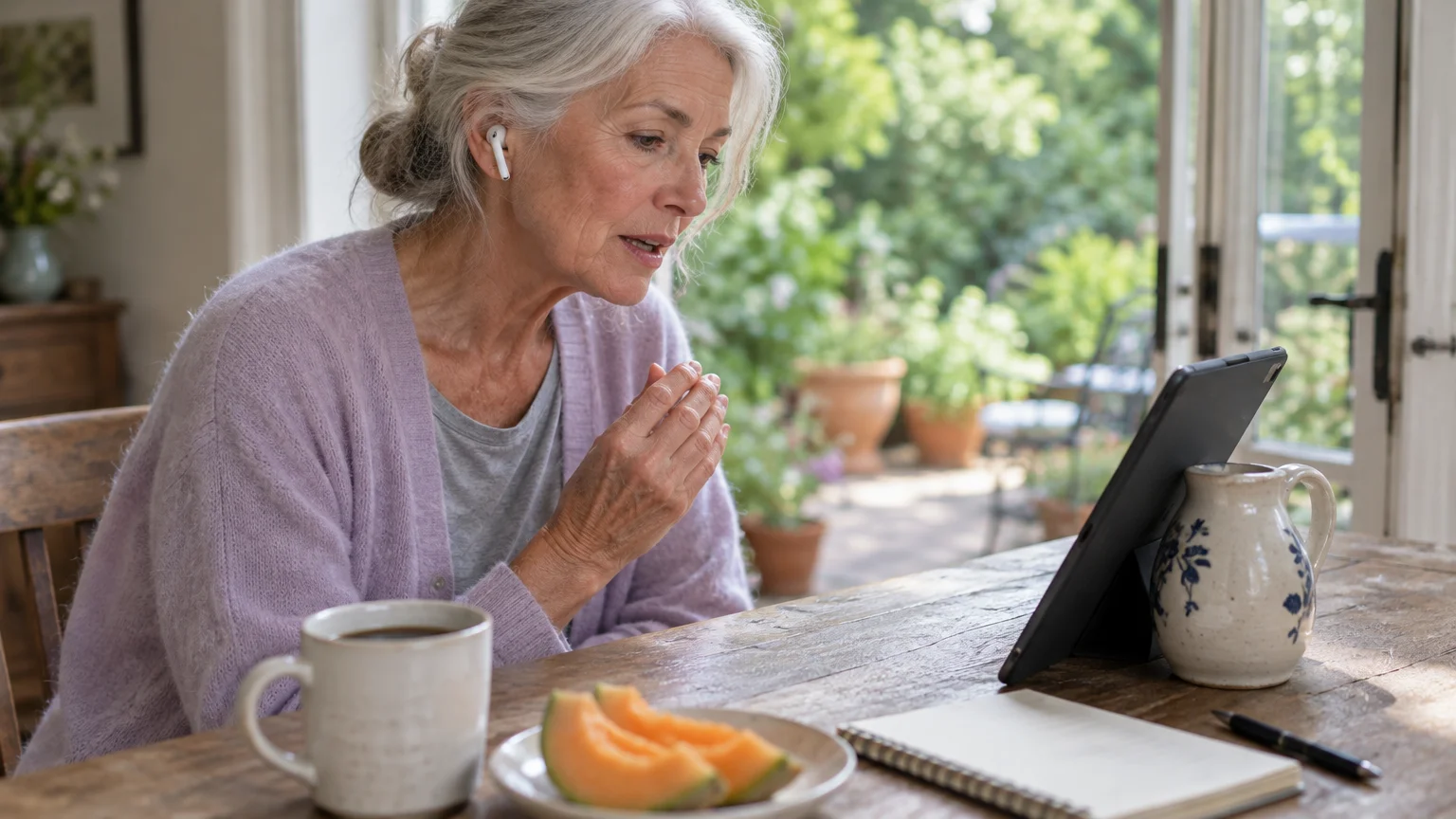
Comprehensible input flips this model. You acquire speech naturally by listening to Spanish content where you understand the general context through pictures, gestures, and tone of voice.
Linguist Stephen Krashen pioneered this theory, proving that humans absorb language when exposed to messages slightly above their current comprehension level. Children learn their native tongue this way, and older adults retain the exact same capacity.
When a native speaker points to a ripe papaya and says la papaya está madura, your brain links the sound directly to the fruit. You absorb the vocabulary without mentally translating words back and forth into English.
Bypassing grammar drills also eliminates language anxiety. You focus entirely on meaning, which builds spontaneous reaction time during real conversations at neighborhood markets.
“To have another language is to possess a second soul.” — Charlemagne

Cognitive Reserve: How Bilingualism Protects Aging Brains
Learning a language in retirement provides powerful biological advantages alongside travel convenience. The mental effort required to decode new speech sounds strengthens executive control networks in the brain.
Landmark neuropsychological research led by Dr. Ellen Bialystok shows that bilingualism builds cognitive reserve. This mental resilience delays the clinical onset of Alzheimer’s and dementia symptoms by an average of 4 to 4.5 years.
Subsequent clinical studies conducted at the University of Edinburgh and UCLA confirmed these findings among older adults. Even learners who start studying a second language in their sixties show measurable improvements in cognitive switching and attentional control.
When you practice conversational Spanish, your brain constantly suppresses English words while selecting Spanish equivalents. This dual-language conflict exercises the prefrontal cortex, keeping your neural wiring resilient against normal age-related decline.
You do not need native fluency to gain these protective benefits. The brain strengthens from the active, daily habit of decoding and producing unfamiliar sounds.
The 30-Minute Daily Auditory Immersion Blueprint
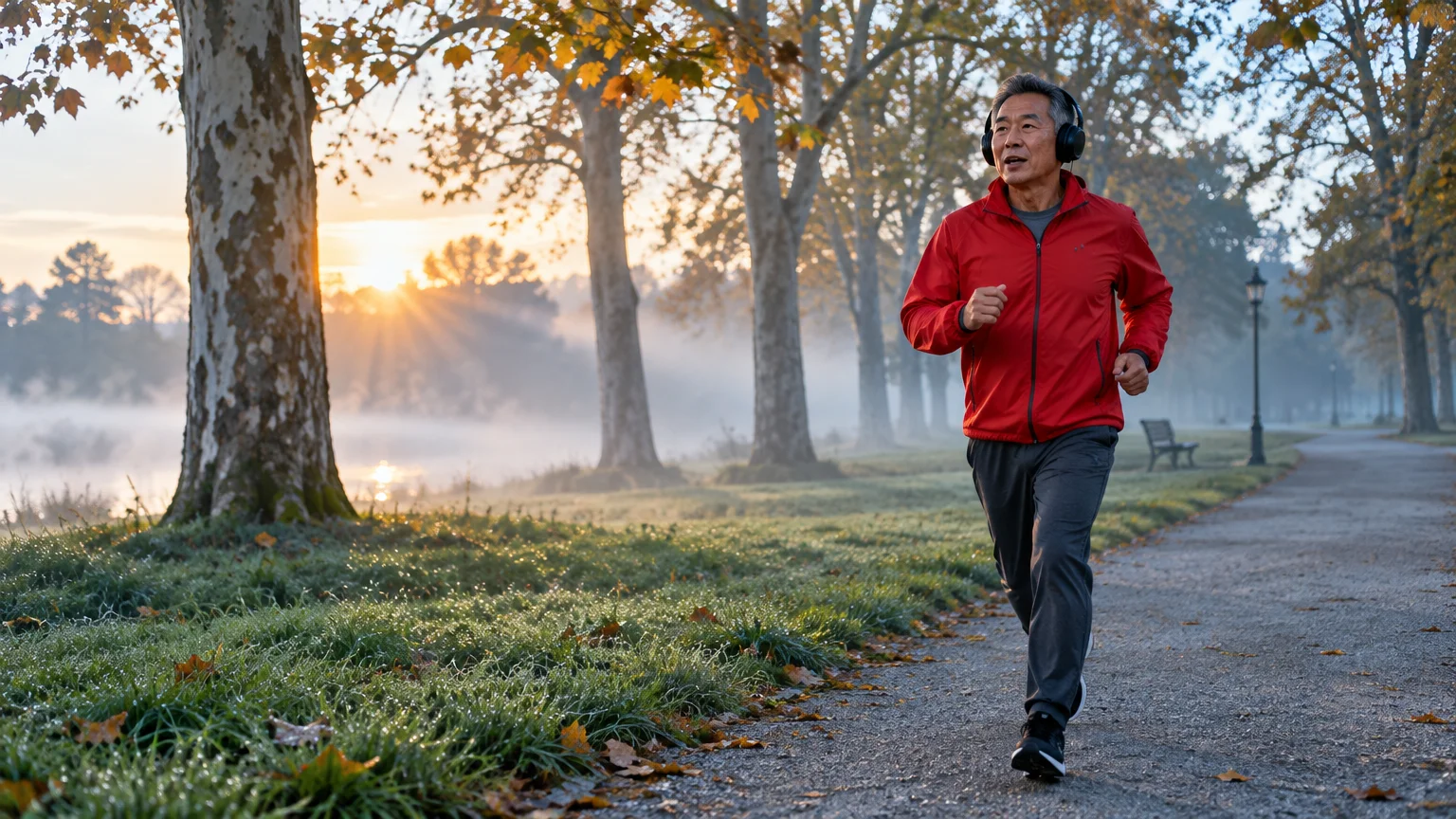
Consistency matters far more than study duration when learning language in retirement. A focused 30-minute morning session produces significantly better long-term retention than an exhausting three-hour marathon on the weekend.
Building consistent speaking confidence is especially rewarding if you plan to join solo female travel groups for retirees on cultural excursions across Spain and Latin America.
Dividing your daily practice into three distinct ten-to-fifteen-minute intervals protects your attention span and prevents mental fatigue. Follow this sequential routine six mornings per week:
- Contextual Listening (15 Minutes): Watch beginner comprehensible input videos on platforms like Dreaming Spanish at normal or slightly reduced playback speeds (0.75x). Focus on visual stories where drawings and physical gestures explain the narrative without English subtitles.
- Vocal Shadowing (10 Minutes): Listen to short native audio clips featuring market dialogues. Repeat the words aloud immediately after the speaker to train your tongue, jaw muscles, and breath control.
- Pronunciation and Audio Flashcards (5 Minutes): Review five to ten spoken phrases using audio-first digital flashcards. Say the answer out loud before the recording plays to reinforce auditory recall.
Always complete your listening practice before turning on English news or checking morning email. Your resting morning brain absorbs acoustic patterns with less cognitive interference.
Avoid taking detailed written notes during listening sessions. Taking notes forces your brain into analytical translation mode, which interrupts natural auditory absorption.
Conversational Spanish for Wintering Abroad: Essential Scripts
Retirees renting winter casitas in Latin America encounter predictable everyday situations. Mastering specific conversational scripts gives you immediate independence when shopping, dining, and greeting neighbors.
Combining everyday language skills with smart planning for off-season European travel on a fixed income can dramatically stretch your monthly retirement budget abroad.
Practicing conversational greetings is equally useful if you decide to house-sit for free travel lodging while caring for pets in Spanish-speaking destinations.
Learning these basic phrases will also prove indispensable if you plan on walking the Camino de Santiago over 65, where simple Spanish helps you navigate pilgrim hostels and cafes.
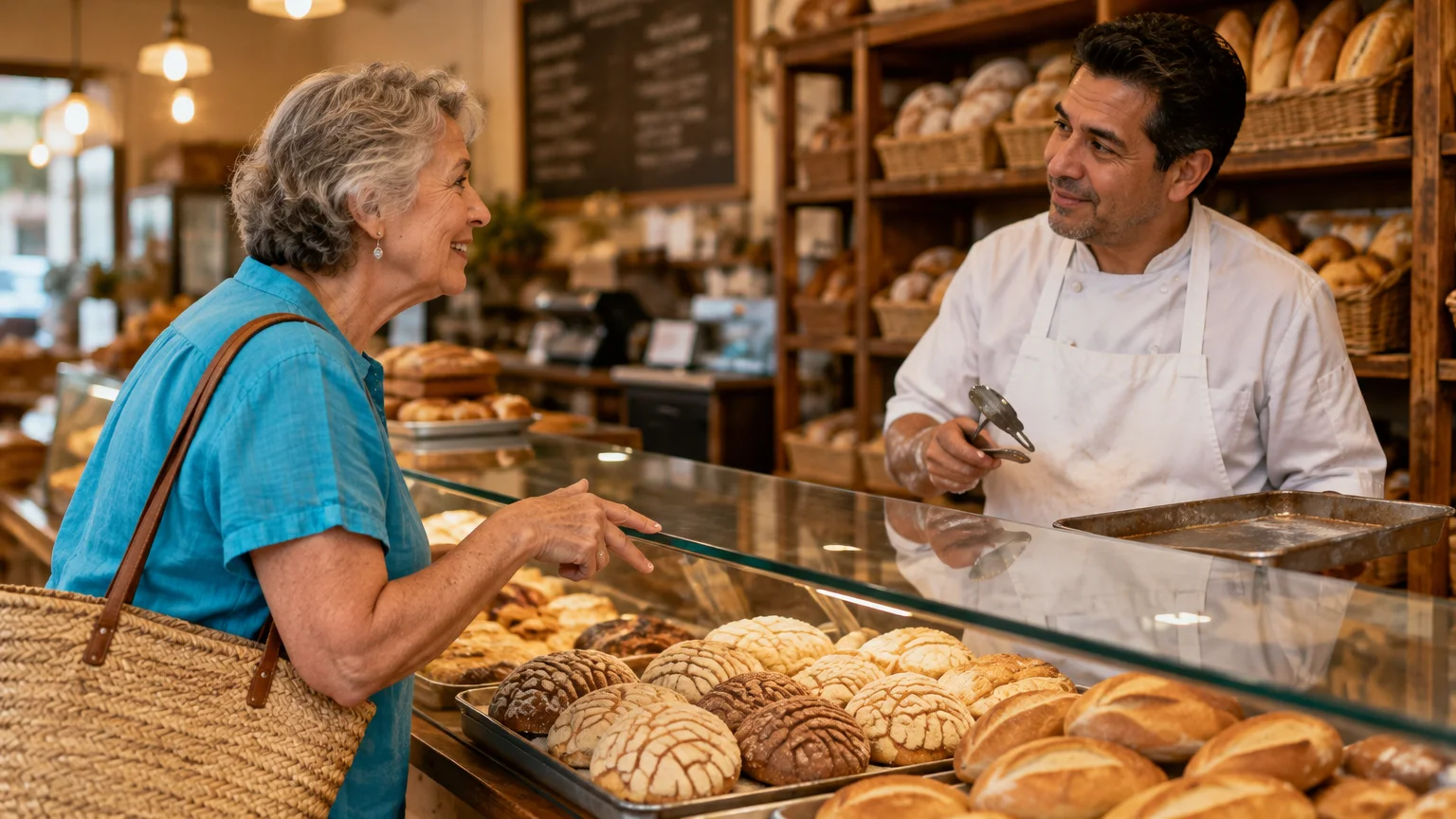
Focus your initial vocabulary on practical transactions rather than abstract conversational topics. Market vendors appreciate polite greetings followed by straightforward, practical requests.
Practice these essential market interactions until you can say them smoothly without pausing:
- Buenos días, ¿a cuánto está el kilo de jitomate? (Good morning, how much is a kilo of tomatoes?)
- Deme un kilo de plátanos que no estén muy maduros, por favor. (Please give me a kilo of bananas that are not too ripe.)
- ¿Tiene cambio de quinientos pesos? (Do you have change for a five-hundred-peso bill?)
- Muchas gracias, que tenga un excelente día. (Thank you very much, have an excellent day.)
- ¿Me puede cobrar esto, por favor? (Could you ring this up for me, please?)
Neighborhood interactions build goodwill with building managers, maintenance workers, and next-door residents. Friendly daily courtesies establish you as a respectful community member:
- Buenas tardes, ¿sabe a qué hora pasa el camión de la basura? (Good afternoon, do you know what time the garbage truck comes?)
- Disculpe la molestia, no tenemos agua caliente en el departamento. (Sorry to bother you, we do not have hot water in the apartment.)
- Mucho gusto en saludarle, soy su vecino del departamento cuatro. (Nice to greet you, I am your neighbor from apartment four.)
- ¿Hay alguna panadería buena cerca de aquí? (Is there a good bakery near here?)
Notice that these phrases use formal pronouns (usted rather than tú). Using formal address conveys warmth and respect when speaking with locals across Mexico and Central America.
Tuition-Free College Auditing and OLLI Programs
You can access structured classroom instruction without spending thousands of dollars on private language academies. Most public colleges permit older adults to audit undergraduate classes at zero tuition cost.
State statutory waiver laws grant tuition exemptions for senior residents on a space-available basis. For example, Texas Education Code § 54.365 permits residents aged 65 and older to audit up to six credit hours per semester tuition-free.
Similar statutory provisions exist under Virginia Code § 23.1-640 and North Carolina General Statute 115B-2.2 for residents aged 60 and older. Auditing lets you participate in beginner Spanish lectures and listening drills without taking exams or receiving letter grades.
Follow these concrete steps to secure your tuition-free course audit at a nearby public institution:
- Visit the university registrar’s website and locate the senior citizen tuition waiver application form.
- Provide proof of state residency and age verification using your driver’s license or state identification card.
- Browse the course catalog for Spanish 101 or Conversational Spanish for Beginners.
- Contact the course instructor via email during the registration drop-add period to request permission to audit their lecture.
- Submit the signed instructor permission slip to the registrar to finalize your non-credit enrollment.
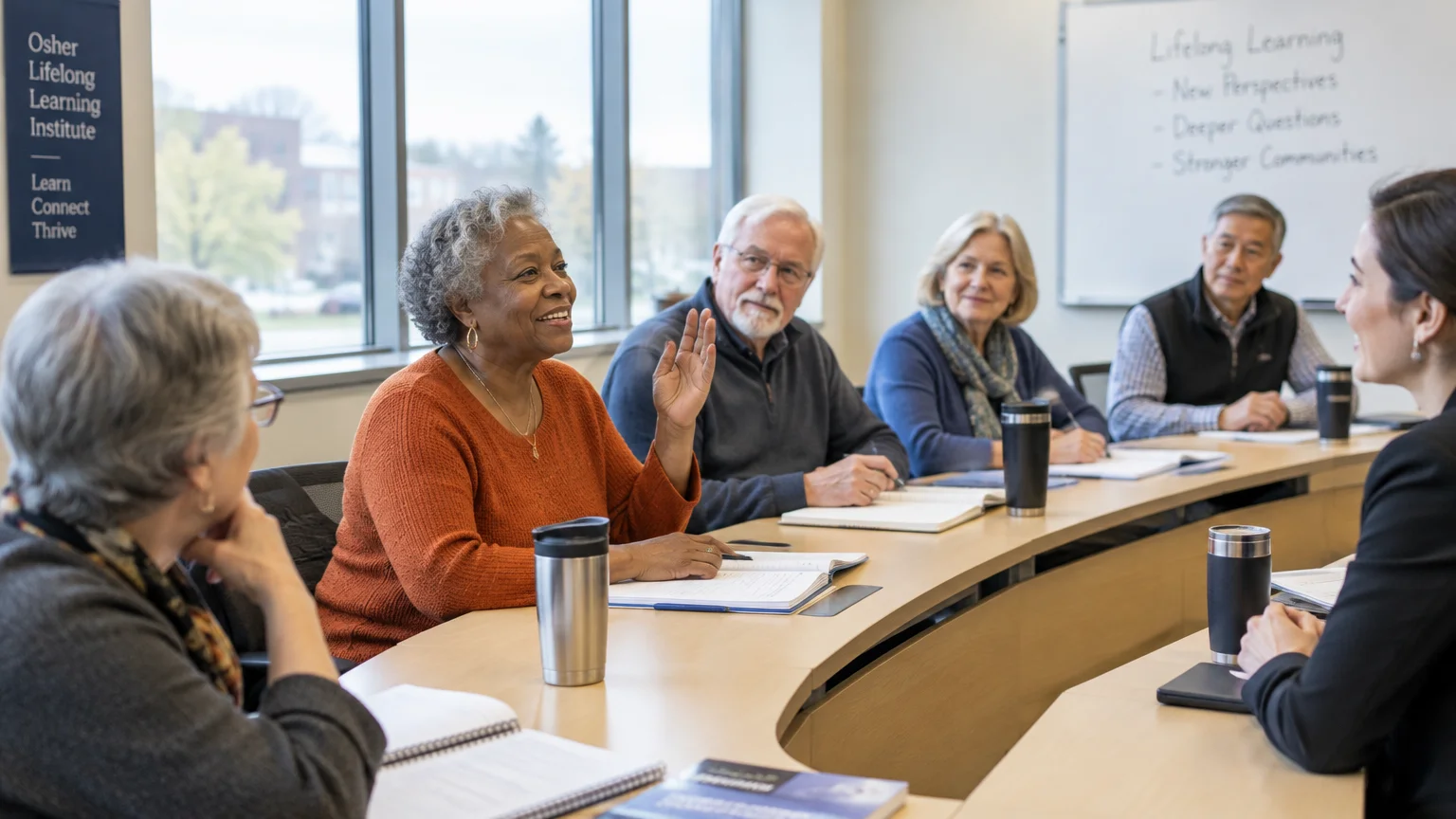
Another premier option is the Osher Lifelong Learning Institute (OLLI) network. Funded by the Bernard Osher Foundation, OLLI operates across 125 university campuses in all 50 states.
OLLI branches offer non-credit language courses specifically designed for adults aged 50 and older. These courses charge low membership fees, typically between $50 and $100 per term, with no grades or homework pressure.
Software, Apps, and Library Resources Compared
The commercial language market contains dozens of digital programs, but their costs and teaching methodologies vary dramatically. Many retirees spend hundreds of dollars on software when superior tools are available for free through public libraries.
Setting up tablets and speech-recognition tools properly with senior-friendly tech practices makes studying with language mobile apps much more comfortable.
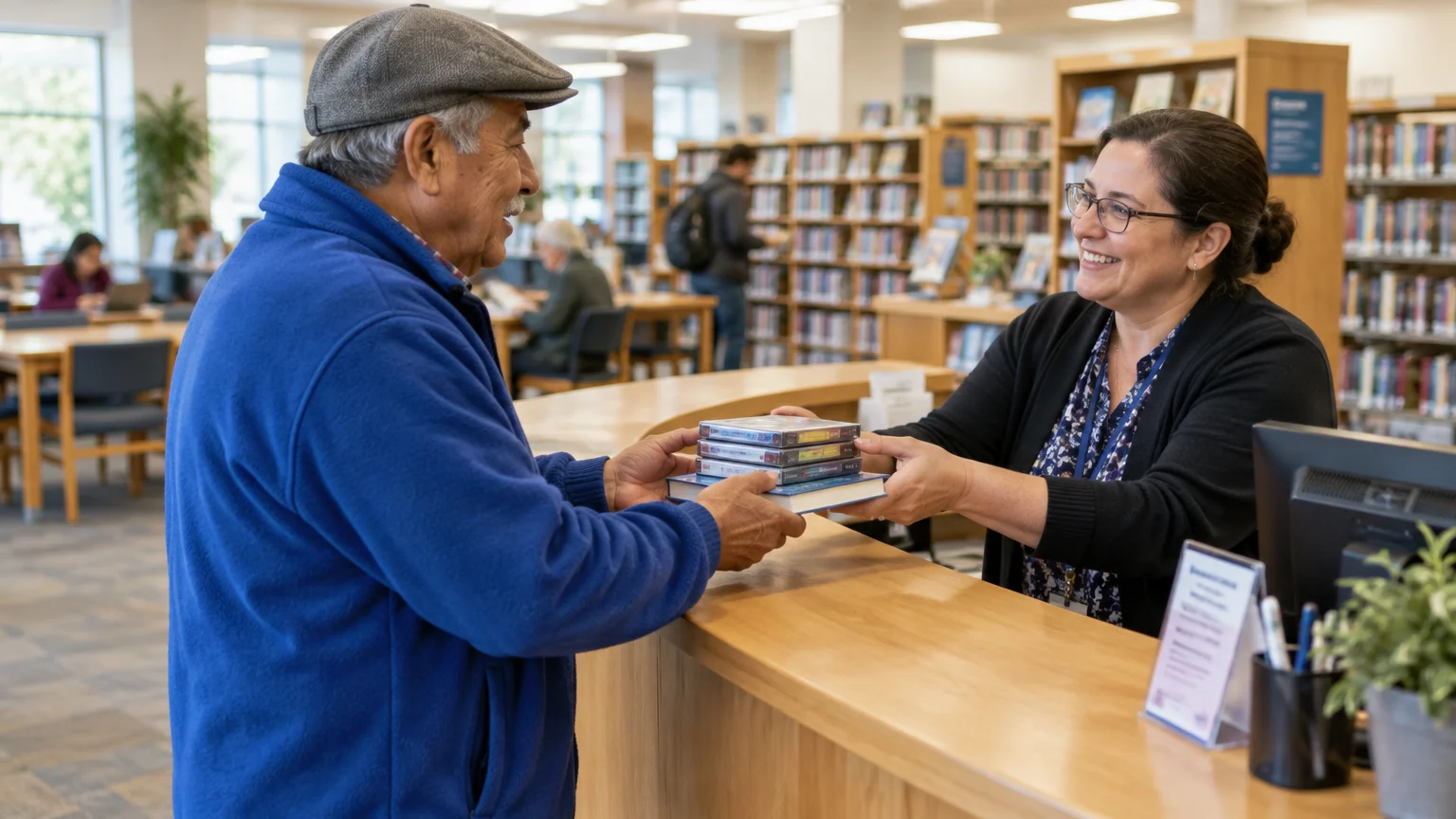
Before purchasing a subscription, check your municipal library system. Most public libraries provide free digital access to platforms like Mango Languages, Transparent Language, or Rosetta Stone using your regular library barcode number.
If you prefer dedicated paid apps, commercial pricing benchmarks range widely. Commercial platforms frequently run promotional sales or partner with senior advocacy groups.
The table below compares four proven language-learning platforms across price, delivery method, and core learning strengths:
| Platform | Out-of-Pocket Cost | Format & Pacing | Best For |
|---|---|---|---|
| Mango Languages (via Public Library) | $0.00 with local library card | Short audio dialogues with cultural context notes; self-paced | Retirees seeking free, practical market phrases with built-in voice comparison |
| Dreaming Spanish | $0.00 (Free Tier) to $8.00/month (Premium Tier) | Streamed video comprehensible input filtered by difficulty level | Auditory learners wanting natural ear training without grammar tables |
| Babbel | $6.95 to $12.95/month (or $199–$299 lifetime) | Structured interactive reading, writing, and audio modules | Learners who prefer light grammar explanations alongside conversational dialogue |
| OLLI Campus Seminars | $50.00 to $100.00 per term | Weekly 90-minute group sessions, in person or via Zoom | Retirees wanting peer accountability and friendly group conversation practice |
Look for digital subscription discounts through senior membership organizations. For instance, AARP periodically negotiates member discounts on select educational software and digital learning programs.
Avoid free versions of ad-heavy gamified apps that emphasize matching English words to cartoon illustrations. These puzzle-style games reward quick thumb taps rather than developing real-time listening comprehension.
Worked Example: 16-Week Winter Preparation Schedule and Budget
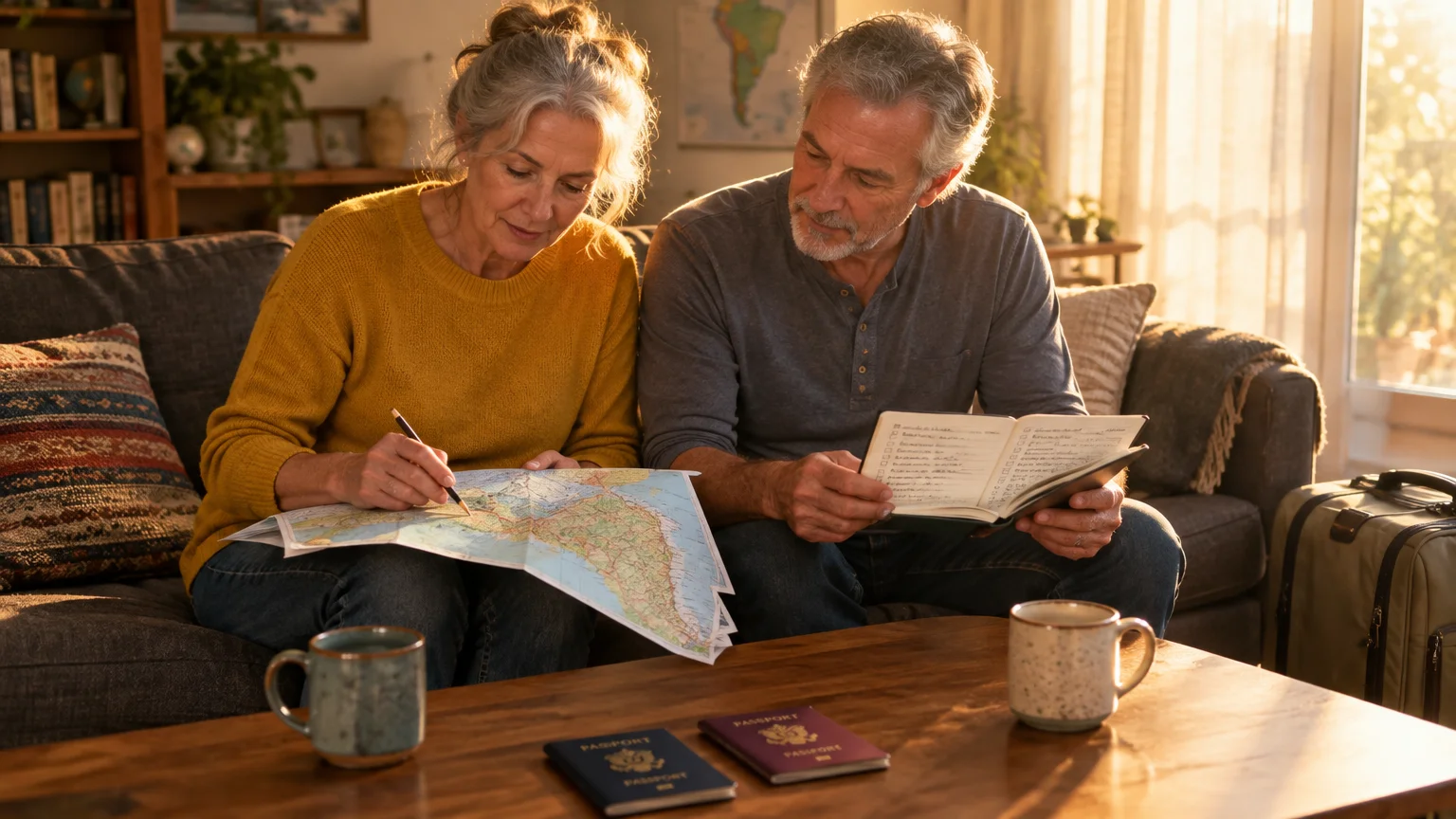
Consider a practical scenario: a 65-year-old retiree preparing for a 90-day winter stay in Oaxaca, Mexico. The departure date is set for January 5, leaving 16 weeks for study starting on September 1.
Setting aside modest sums ahead of time with a dedicated retirement travel sinking fund ensures your lessons and international living expenses are covered without tapping regular cash flow.
The learner commits to studying 30 minutes per day, six days per week. Over 16 weeks, that schedule equals 96 study days and 48 total hours of targeted conversational practice.
Here is the itemized budget and financial outlay for this 16-week study period:
- Public library card access to Mango Languages: $0.00
- Dreaming Spanish Premium subscription (4 months at $8.00 per month): $32.00
- Used Latin American Spanish visual pocket dictionary: $12.50
- Bi-weekly community conversation coffee group: $16.00 (cost of coffee)
- Total Direct Investment: $60.50
The retiree organizes the 16-week timeline into structured monthly progression milestones to measure conversational readiness:
- Weeks 1–4 (Foundational Ear Training): Complete 12 hours of Dreaming Spanish Superbeginner videos. Acquire 100 high-frequency nouns and verbs through visual context.
- Weeks 5–8 (Basic Interactions): Complete 10 hours of Beginner videos and finish Chapter 1 of Mango Languages. Practice saying greetings, numbers, and currency aloud every morning.
- Weeks 9–12 (Practical Transactions): Begin shadow-speaking market scripts. Shadow ten minutes of vendor dialogues daily, focusing on weights, prices, and food items.
- Weeks 13–16 (Real-World Fluency Drills): Attend a local conversation meetup. Practice ordering food, asking for directions, and making polite neighbor small talk at normal speaking speed.
By January 5, this learner has accumulated 48 hours of pure auditory Spanish. They land in Mexico capable of ordering meals, negotiating taxi fares, and greeting their winter neighbors with confidence.
Practicing Spanish in Your Home Community
You do not need to wait until your plane lands in Latin America to practice speaking conversational Spanish. The United States provides rich opportunities for immersive language exposure in almost every zip code.
Connecting with local community centers and volunteering in retirement provides natural opportunities to speak Spanish regularly with bilingual neighbors.
According to research from the U.S. Census Bureau and Pew Research Center, between 41 million and 44 million people speak Spanish at home in the United States. Spanish is by far the most spoken non-English language in the country.
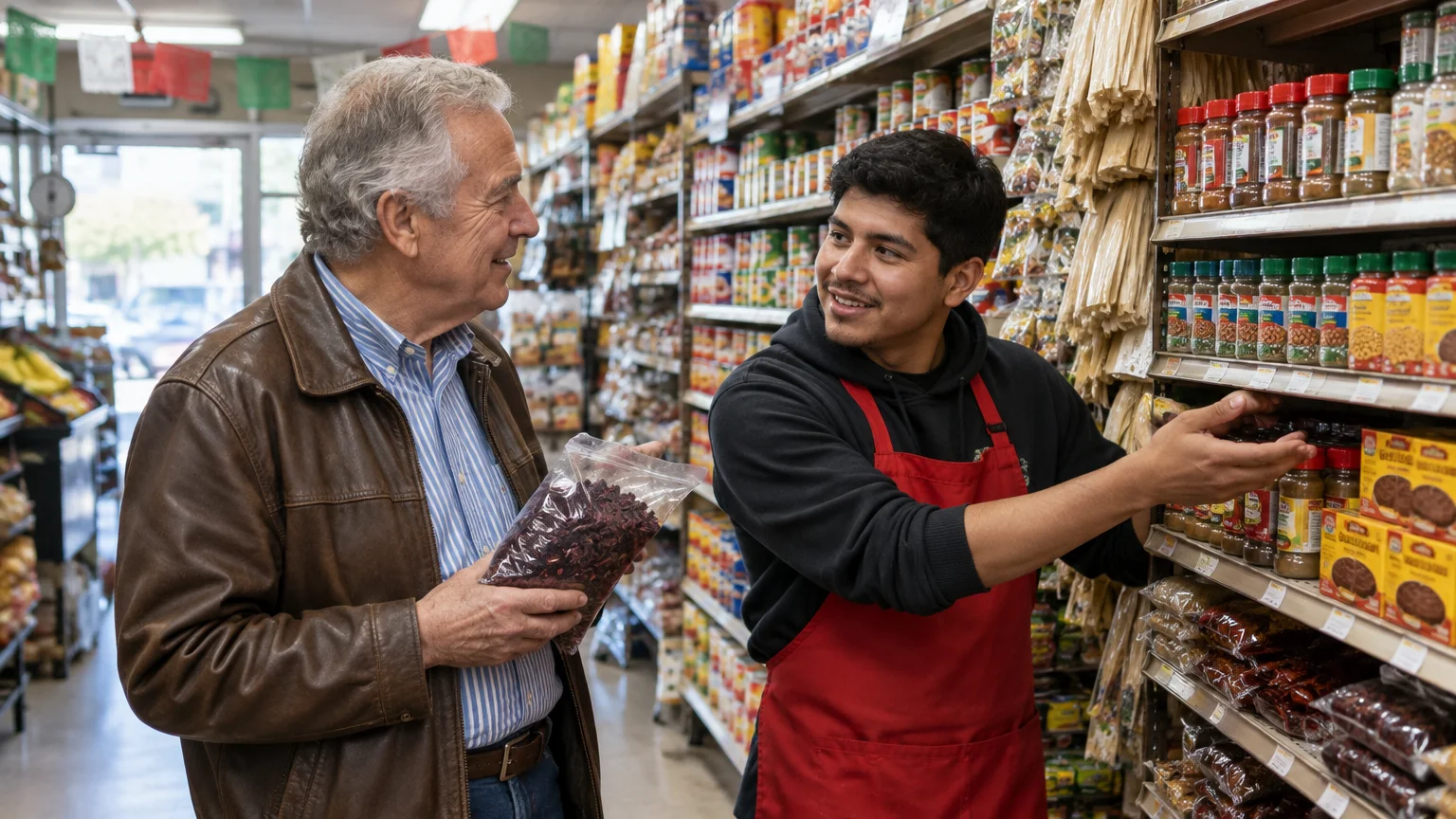
Turn everyday errands into low-pressure immersion practice. Shopping at local Hispanic grocery stores (supermercados) allows you to read bilingual product labels and practice greeting deli clerks.
You can also find community language exchanges at local senior centers. Community programs funded through the Administration for Community Living frequently support cross-cultural gatherings, volunteer literacy initiatives, and senior companion circles.
Check public support directories on Benefits.gov to discover county-level adult education classes and civic engagement opportunities. Volunteering at local food pantries or community gardens connects you with native Spanish speakers who welcome friendly, neighborly conversation.
Frequently Asked Questions
Is age 60 too late to learn conversational Spanish?
No, adults over 60 can acquire conversational Spanish effectively. While children absorb accents more easily, older adults possess broader vocabularies and superior learning discipline, allowing them to grasp conversational concepts rapidly through auditory immersion.
How many months does it take to speak conversational Spanish for travel?
With 30 minutes of daily comprehensible input, most retirees reach comfortable travel fluency in four to six months. This level allows you to order food, navigate markets, ask for directions, and hold pleasant neighborly chats.
Should I focus on Latin American Spanish or Spain Castilian Spanish?
Retirees planning to winter in Mexico, Central America, or South America should focus on Latin American Spanish. Latin American Spanish avoids the vosotros verb form and uses pronunciation patterns that match what you will hear in regional markets.
Can free library apps replace expensive software subscriptions?
Yes, premium language platforms like Mango Languages accessible through public libraries offer excellent conversational training. Combined with free comprehensible input videos online, library resources provide all the tools necessary for conversational fluency without spending hundreds of dollars.
What should I do when a native speaker talks too fast?
Politely say, ¿Puede hablar más despacio, por favor? Estoy aprendiendo español (Could you speak slower, please? I am learning Spanish).
Native speakers appreciate your effort and will happily slow down their speaking pace.
Disclaimer: This article is for informational purposes only. Benefits, programs, and regulations can change.
We encourage readers to verify current information with official government sources and consult with qualified professionals for personalized advice.



1 Comment