
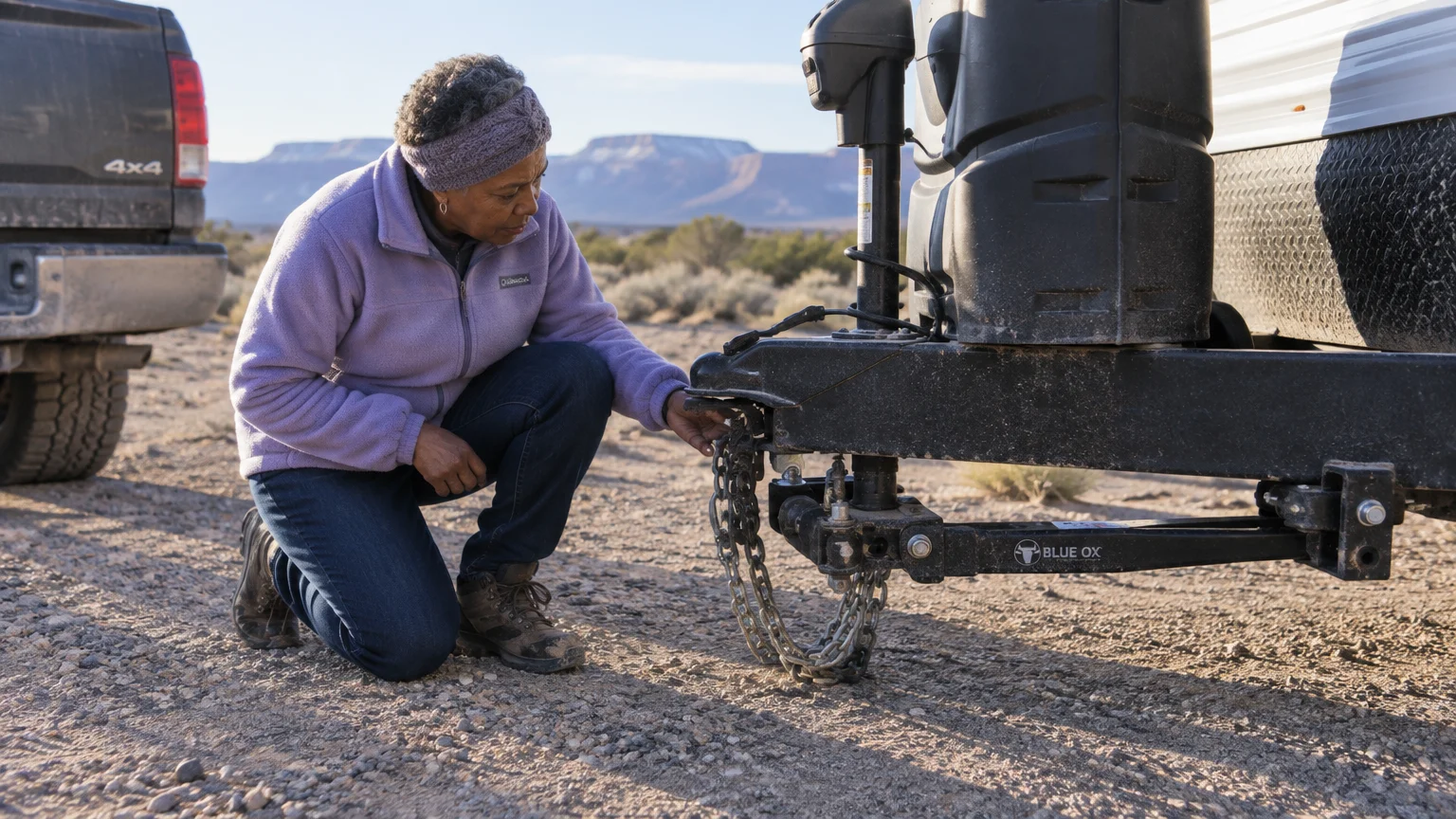
Heating a 28-foot travel trailer during a Sunbelt winter can drain your fixed income faster than lot rent alone. You can save thousands of dollars this winter by calculating hidden utility pass-through fees before booking your sites.
Gaining clarity on understanding your true retirement expenses is critical before taking your lifestyle on the road.
Many first-time retirees expect private RV park fees to stay predictable. In reality, metered electric surcharges and cold-snap furnace cycling often double anticipated monthly overhead.
Swapping private resort lots for federal long-term visitor permits creates a verified baseline savings delta of over $4,200 across five winter months.
In this guide10 sections
- Minnesota to the Sunbelt: Transit Fuel and Route Costs
- The Hidden Surcharges of Private Winter RV Parks
- BLM Long-Term Visitor Areas: Low-Cost Public Land Living
- Worked Financial Delta: Private Resort vs. LTVA Season
- Cold-Weather Energy Efficiency Tactics for Travel Trailers
- Managing Healthcare and Fixed Incomes on the Road
- Park Restrictions, Age Limits, and Incidental Fees
- Incidental Living Expenses and Desert Maintenance
- Step-by-Step Winter RV Budgeting Plan
- Frequently Asked Questions
Minnesota to the Sunbelt: Transit Fuel and Route Costs
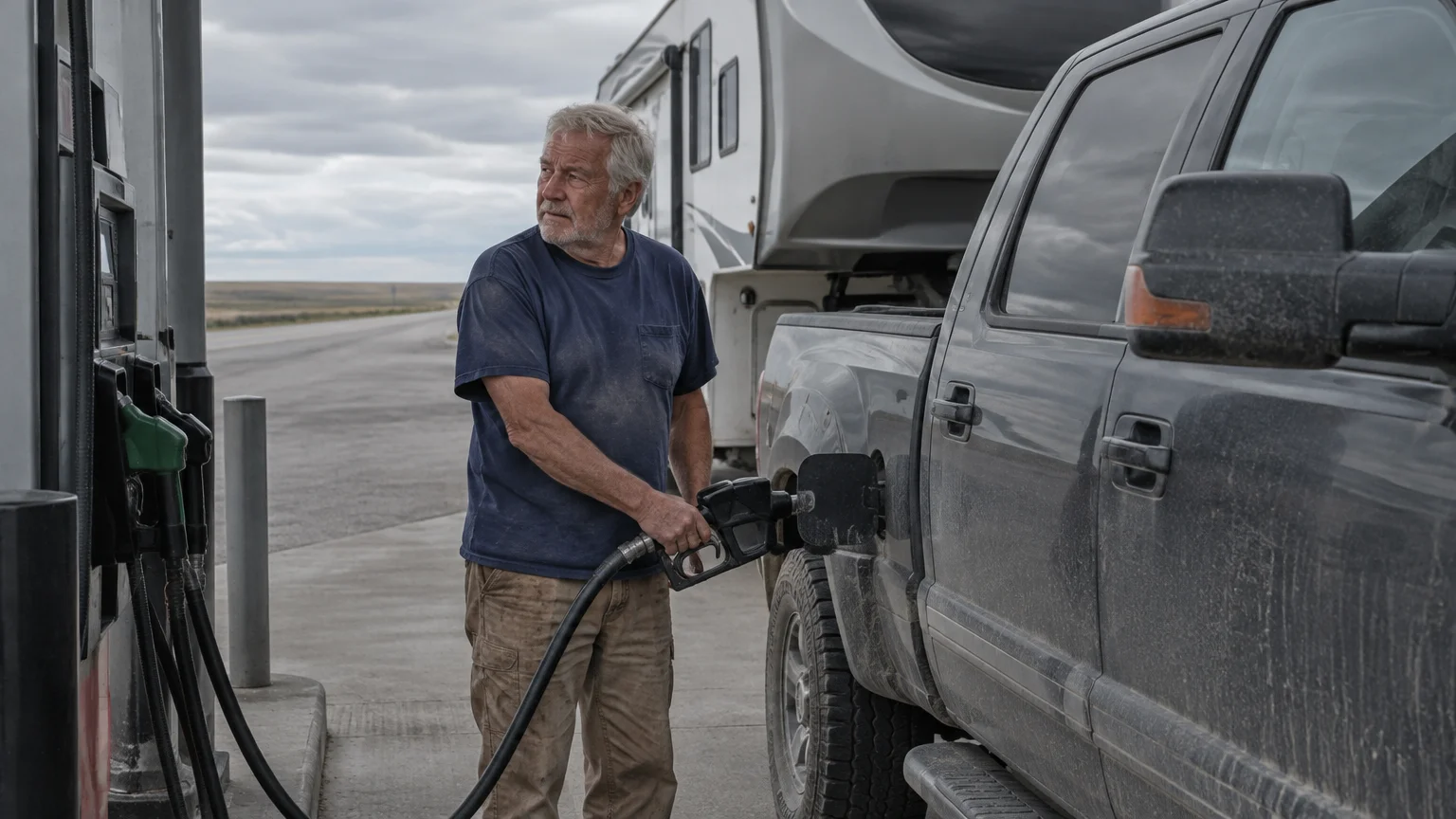
Towing a 28-foot travel trailer from Minneapolis down to southern Arizona or the Texas Rio Grande Valley requires substantial transit fuel. Most half-ton gas trucks average between 9 and 10 miles per gallon when towing loaded trailers on interstate highways.
Setting up a retirement travel sinking fund throughout the year makes absorbing seasonal road expenses much easier.
The driving distance between Minneapolis and Tucson spans roughly 1,550 miles each way. At an average fuel price of $3.30 per gallon, one-way transit fuel costs approximately $535.
A complete round trip across 3,100 highway miles requires $1,070 in vehicle fuel alone. Unexpected head winds across western Kansas and Oklahoma can lower efficiency to 8 miles per gallon, increasing round-trip fuel costs to $1,280.
Transit travel requires planned overnight staging points along the Interstate 35 and Interstate 10 corridors. Budgeting two intermediate travel stops in each direction prevents driver fatigue.
Commercial transit RV pull-through sites cost an average of $48 per night. Four transit camping nights across the round trip add $192 to your initial transit baseline.
- Round-trip towing fuel (3,100 miles at 9.5 MPG): $1,070
- Transit campground stays (4 nights total): $192
- Tow vehicle safety inspection and oil service: $115
- Trailer wheel bearing repacking and brake check: $220
- Turnpike tolls across Oklahoma and Kansas routes: $45
The Hidden Surcharges of Private Winter RV Parks
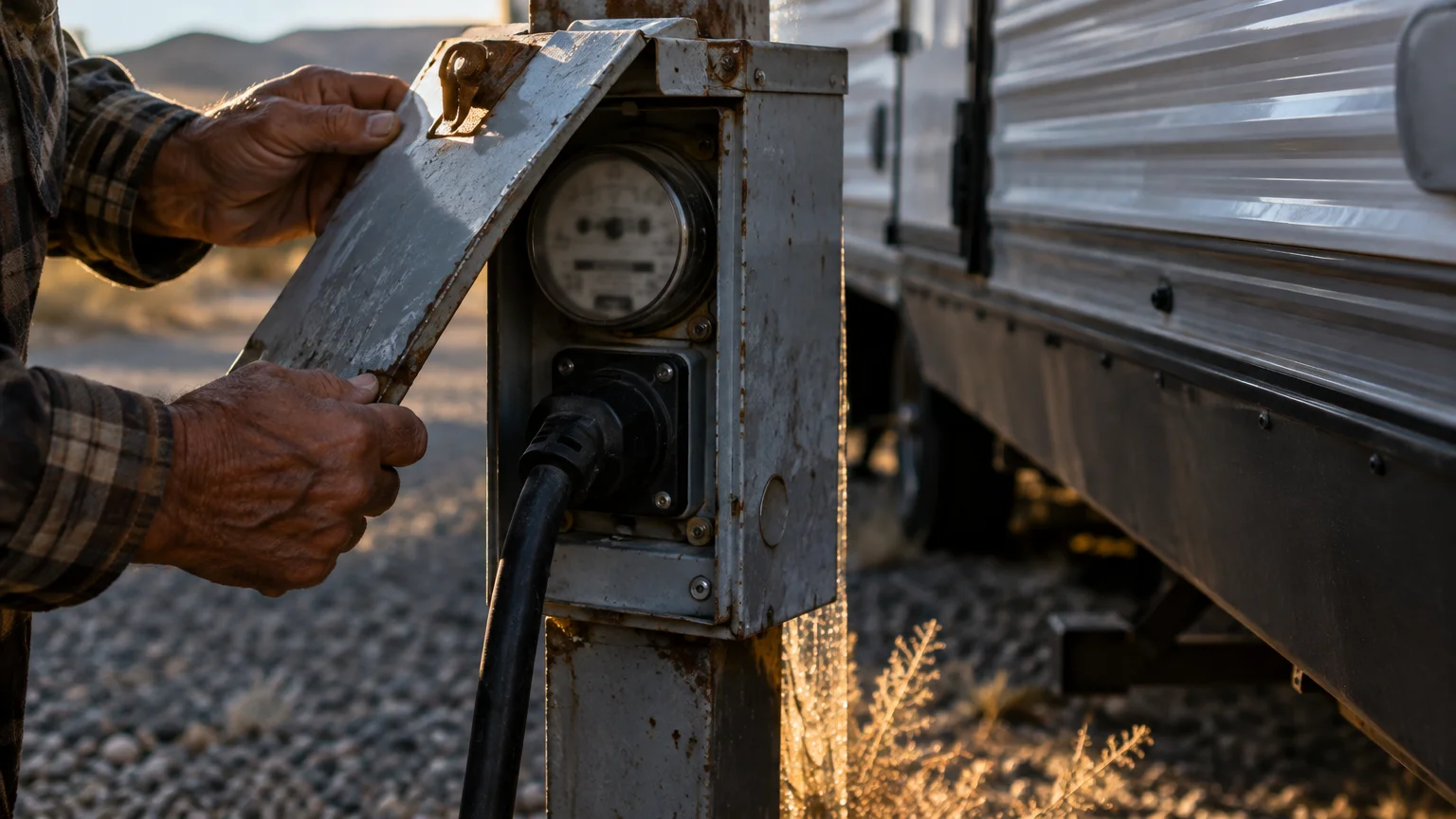
Monthly lot rentals in southern Arizona and Texas RV parks range from $650 to $1,300 per month. While nightly campers receive complimentary electricity, monthly seasonal guests must pay separate metered utility surcharges.
Failing to account for these ancillary park fees is one of the classic ways retirees run into trouble, but avoiding common budgeting mistakes in retirement helps keep road trips sustainable.
Private RV parks bill electricity at pass-through commercial rates ranging between $0.16 and $0.25 per kilowatt-hour. In colder desert pockets, nightly temperatures routinely drop into the low thirties between December and February.
Heating an uninsulated 28-foot travel trailer with two portable 1,500-watt electric space heaters draws 72 kilowatt-hours per day during sustained cold spells. That consumption generates a monthly electric surcharge between $180 and $310 above base lot rent.
Propane heating creates an additional out-of-pocket expense for winter travelers. Factory RV furnaces consume roughly one-third of a gallon of propane for every continuous hour of burner operation.
A standard 30-pound propane cylinder holds 7 gallons of liquid propane. Running your trailer furnace through sub-freezing desert nights empties a 30-pound tank every 7 to 10 days.
Refilling two 30-pound propane cylinders costs between $55 and $70 depending on local desert supply pricing. Heavy furnace usage adds $110 to $160 per month in baseline heating expenses.
BLM Long-Term Visitor Areas: Low-Cost Public Land Living
The Bureau of Land Management maintains designated Long-Term Visitor Areas across southern California and western Arizona. These public parcels provide designated winter camping zones specifically designed for extended seasonal living.
Many winter travelers combine dispersed public land stays with visiting national parks on a tight budget to explore southwestern landmarks without spending heavily on private lodging.
A seasonal LTVA permit costs $180 total and remains valid from September 15 through April 15. The permit allows continuous camping across designated sites such as Quartzsite, Arizona, and Imperial Dam near Yuma.
Holders of the America the Beautiful Senior Pass pay the standard $180 fee because LTVA permits are classified as special recreation use fees rather than standard amenity charges. However, this single pass covers up to seven full months of winter camping.
The LTVA permit includes access to central service stations featuring potable water stations, dump stations, and commercial trash dumpsters. Campers haul their own freshwater and transport waste tanks to centralized stations every 7 to 14 days.
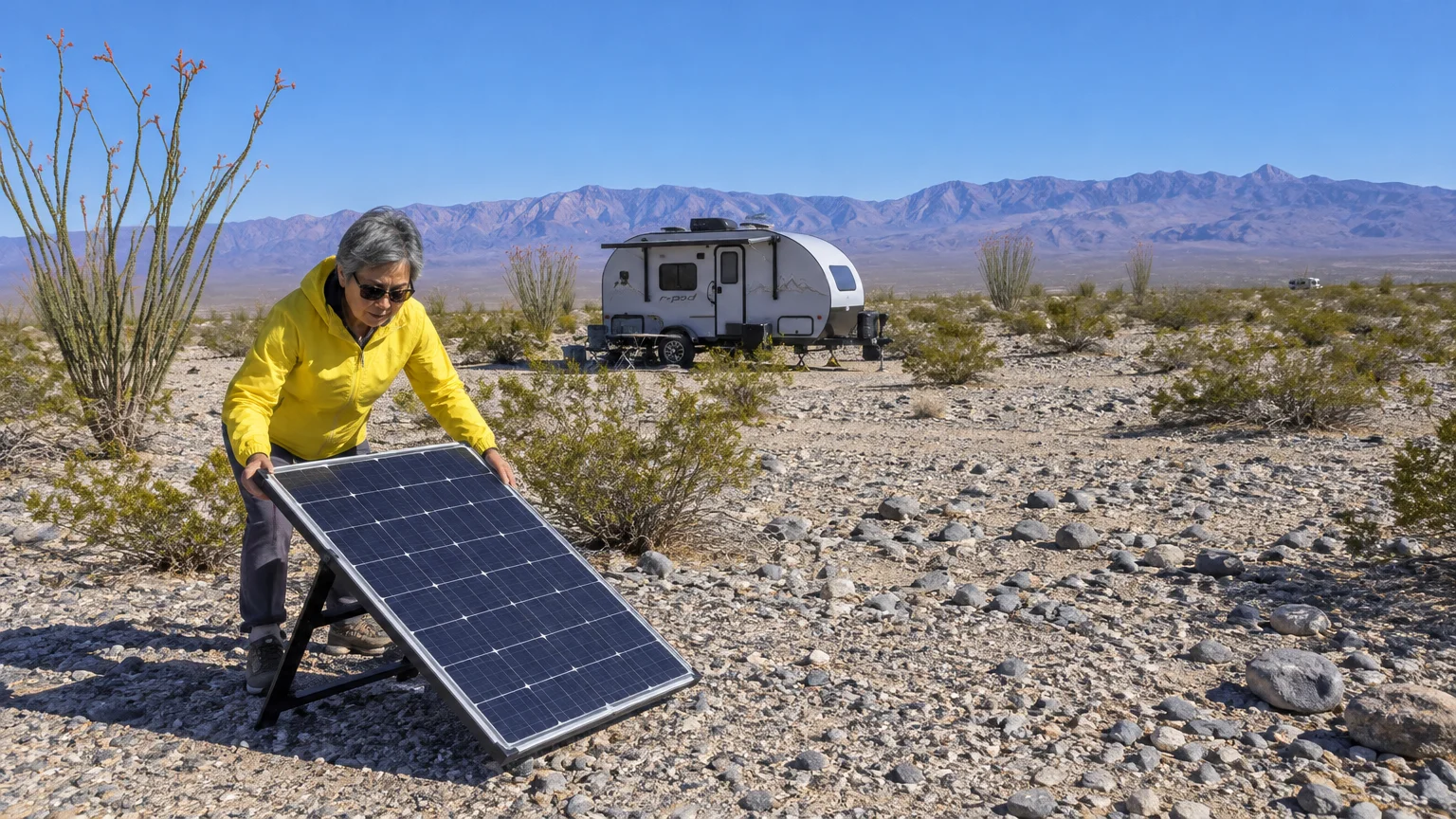
Public lands have no metered utility connections or electrical pedestals. Power depends entirely on solar arrays or portable gas inverter generators.
Running a quiet 2,000-watt inverter generator for 3 hours daily burns roughly 0.75 gallons of unleaded fuel. At $3.40 per gallon, generator power costs approximately $76 per month in generator fuel.
- BLM Seasonal LTVA Permit (7 months validity): $180
- Generator fuel (90 hours monthly run time): $76 per month
- Propane heating refills (2 tanks monthly): $65 per month
- Freshwater transfer bladder (45-gallon portable): $85 one-time cost
- Portable waste transport tank (28-gallon towable): $160 one-time cost
Worked Financial Delta: Private Resort vs. LTVA Season
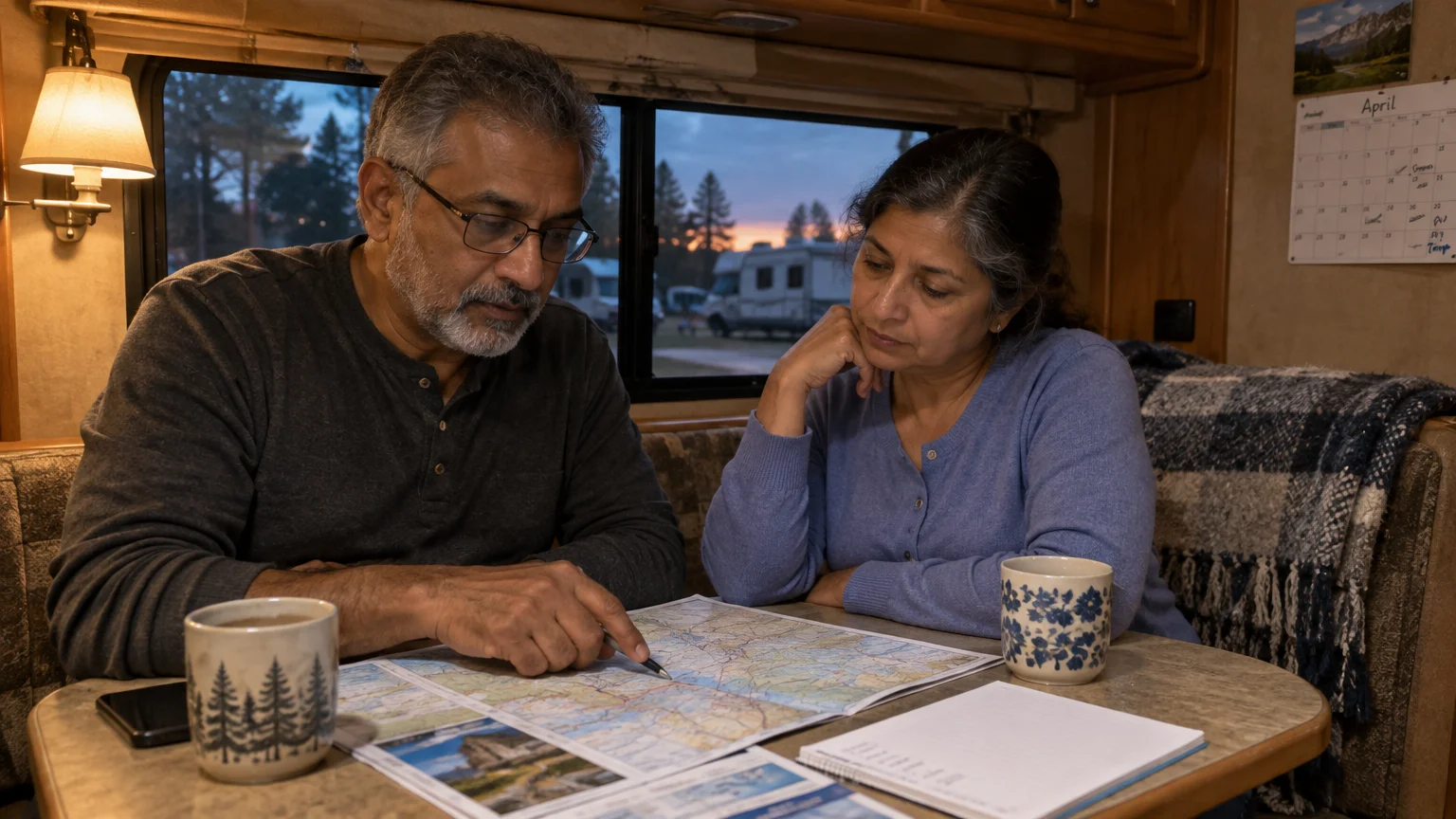
Comparing identical 150-day winter stays demonstrates the true baseline difference between private parks and public land living. This scenario evaluates a retired Minnesota couple spending November 1 through March 31 in southern Arizona.
Learning how to navigate seasonal lodging choices is a cornerstone of budgeting for travel in retirement: dream trips on a dime without putting a strain on your monthly income.
Retirees looking for intermediate alternatives between BLM land and luxury resorts can also take advantage of state park senior camping discounts along their route.
Scenario A places the 28-foot travel trailer in a full-hookup 55+ RV park in Casa Grande, Arizona. Scenario B utilizes an LTVA seasonal permit split between Quartzsite and Imperial Dam.
| Expense Category | Private RV Resort (5 Months) | BLM LTVA Permit (5 Months) | Monthly Difference | Total 5-Month Delta |
|---|---|---|---|---|
| Base Rent / Site Permit | $4,250 ($850/mo) | $180 ($36/mo effective) | $814 | $4,070 |
| Metered Electricity / Generator Fuel | $1,050 ($210/mo) | $380 ($76/mo) | $134 | $670 |
| Propane Heating Refills | $325 ($65/mo) | $425 ($85/mo) | -$20 | -$100 |
| Water and Waste Disposal | $0 (Included) | $0 (Included at stations) | $0 | $0 |
| Required Equipment Amortization | $0 | $245 (Tanks & gear) | -$49 | -$245 |
| Total Direct Housing Overhead | $5,625 | $1,230 | $879 | $4,395 |
The net financial delta between private resort camping and the LTVA permit equals $4,395 across five winter months. Choosing public lands frees an average of $879 per month from your retirement budget.
The extra propane cost in Scenario B accounts for relying slightly more on furnace heat rather than running electric space heaters overnight on generator power. Even after purchasing portable waste tanks and extra water containers, public land living preserves significant capital.
Cold-Weather Energy Efficiency Tactics for Travel Trailers
Most 28-foot travel trailers feature minimal two-inch wall framing and single-pane aluminum slider windows. Thermal conduction pulls interior heat outside quickly when desert ambient temperatures fall to 35 degrees.
Just like keeping household utility bills low, budgeting for winter heating on a fixed income requires smart daily conservation habits whether you live in a house or an RV.
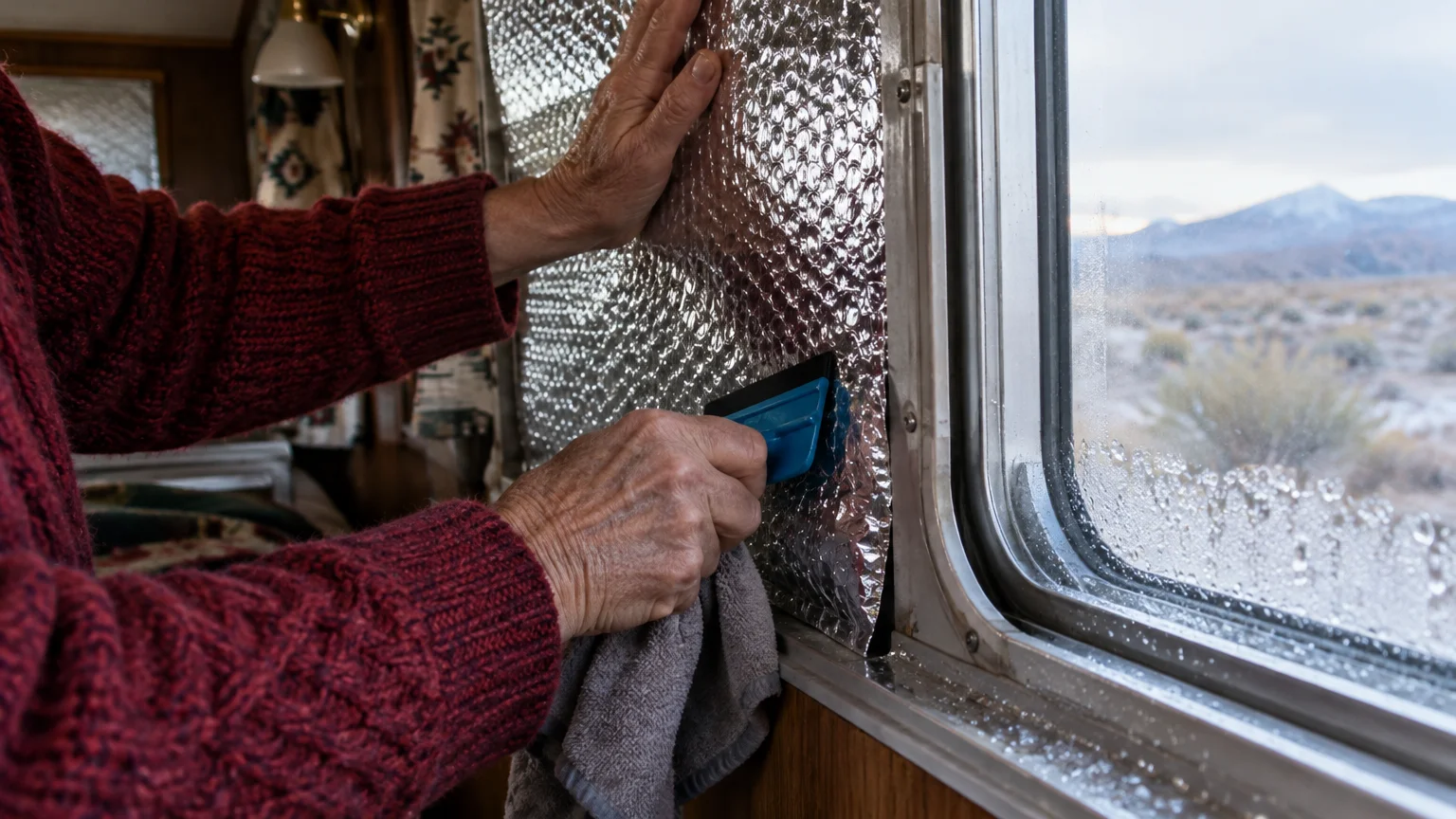
Installing targeted insulation retrofits reduces your reliance on both electric grid heating and onboard propane consumption. These low-cost adjustments pay for themselves within your first month on the road.
- Cut custom panels of reflective bubble insulation for every roof vent and skylight opening.
- Install heavy thermal draft curtains between the main living cabin and the unheated trailer bedroom.
- Fit dense foam insulation pillows into standard 14×14 inch roof vent ceiling recesses.
- Cover exterior window glass with snap-on solar screens to buffer cold desert wind infiltration.
- Wrap the freshwater intake hose in exterior foam pipe sleeves if connecting to freezing park spigots.
Keeping your trailer thermostat set at 62 degrees overnight rather than 68 degrees reduces propane consumption by roughly 25%. Wearing thermal layers to bed extends the lifespan of a 30-pound propane cylinder by four extra days.

Managing Healthcare and Fixed Incomes on the Road
Maintaining stable medical coverage while crossing state borders is essential for every winter retiree. Out-of-state clinical care requires proactive policy planning before departing Minnesota in late autumn.
According to Medicare.gov, Medicare Advantage plans generally restrict non-emergency medical treatment to defined local geographic networks. Receiving non-emergency care outside your primary network often results in denied claims or high out-of-pocket costs.
Many mobile retirees choose Original Medicare Parts A and B supplemented by a Medigap plan. Original Medicare permits you to schedule office visits with any healthcare provider nationwide who accepts Medicare assignment.
Mobile banking management requires similar operational preparation when traveling outside your regional credit union footprint. Automated financial safeguards prevent frozen accounts during cross-country transit.
Guidance from the Consumer Financial Protection Bureau recommends setting automated travel notices on primary debit cards to prevent unexpected transaction blocks while traveling. Establishing paperless statements reduces the vulnerability of sensitive banking data inside shared seasonal mailboxes.
Updating benefit direct deposit accounts online through the Social Security Administration guarantees steady benefit delivery into national banks regardless of where your rig is parked.
Park Restrictions, Age Limits, and Incidental Fees
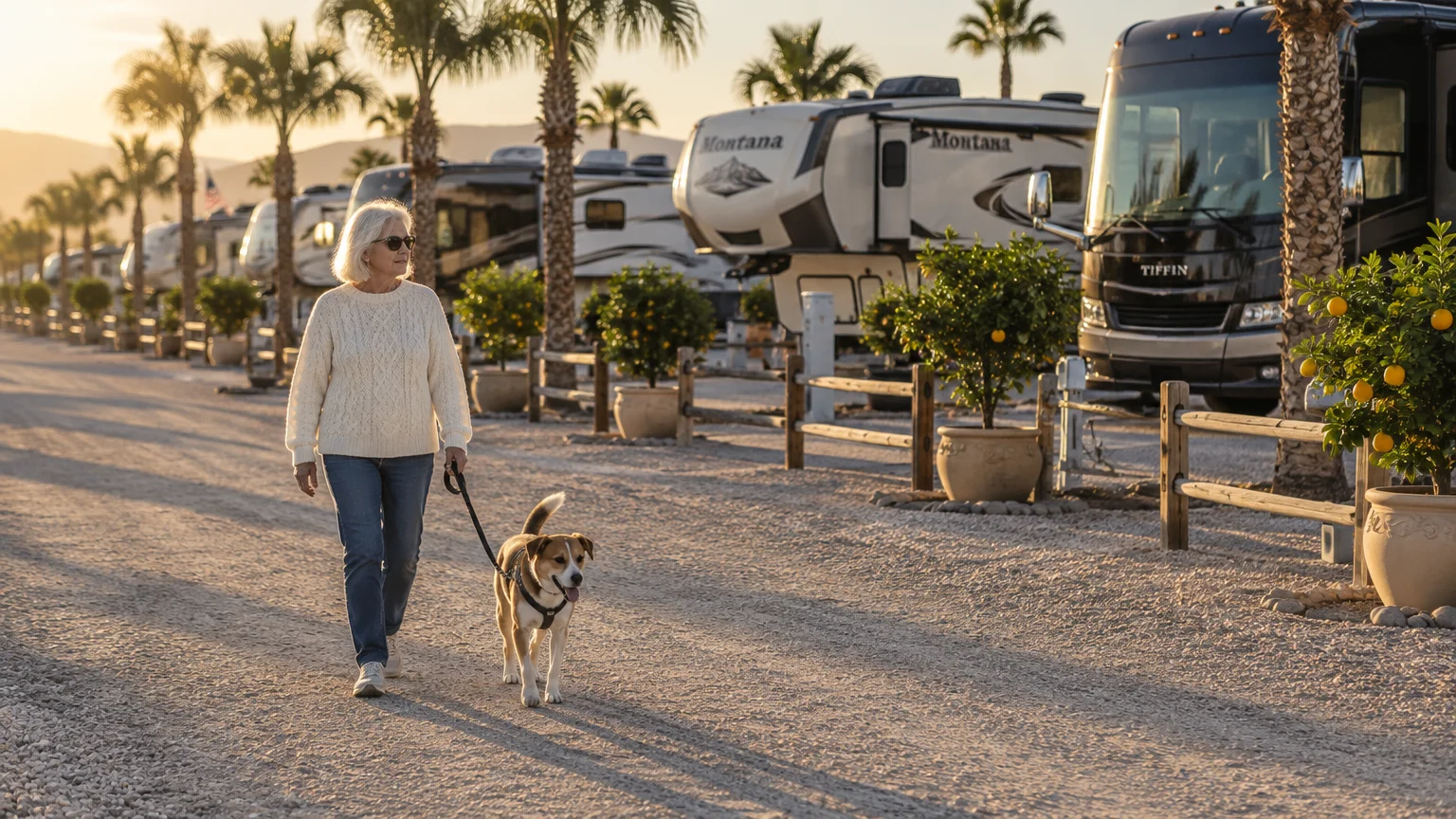
Private snowbird RV parks maintain strict operational requirements that catch unprepared travelers off guard. Verifying community eligibility requirements before making non-refundable deposits prevents wasted reservation fees.
Most private winter communities operate under the federal Housing for Older Persons Act. This legislation requires at least 80% of occupied RV sites to contain at least one resident aged 55 or older.
Many private RV resorts strictly enforce the ten-year rig rule. Parks routinely prohibit travel trailers older than ten model years from booking seasonal sites without prior photographic review.
Resort managers examine siding condition, window seals, and exterior rooflines to ensure older trailers match resort aesthetics. Submitting high-resolution exterior photographs three months in advance eliminates unexpected check-in cancellations.
Incidental park fees quickly add hidden overhead to your monthly invoice. Always ask front office staff for an itemized fee sheet before submitting reservation deposits.
- Secondary vehicle parking fees: $35 to $75 per month
- Pet surcharge fees: $15 to $30 per animal monthly
- On-site trailer washing permits: $10 to $25 per occurrence
- Outgoing parcel drop-off and package locker fees: $10 to $20 monthly
- Credit card processing surcharges on monthly lot rent: 2.5% to 3.5%
Incidental Living Expenses and Desert Maintenance
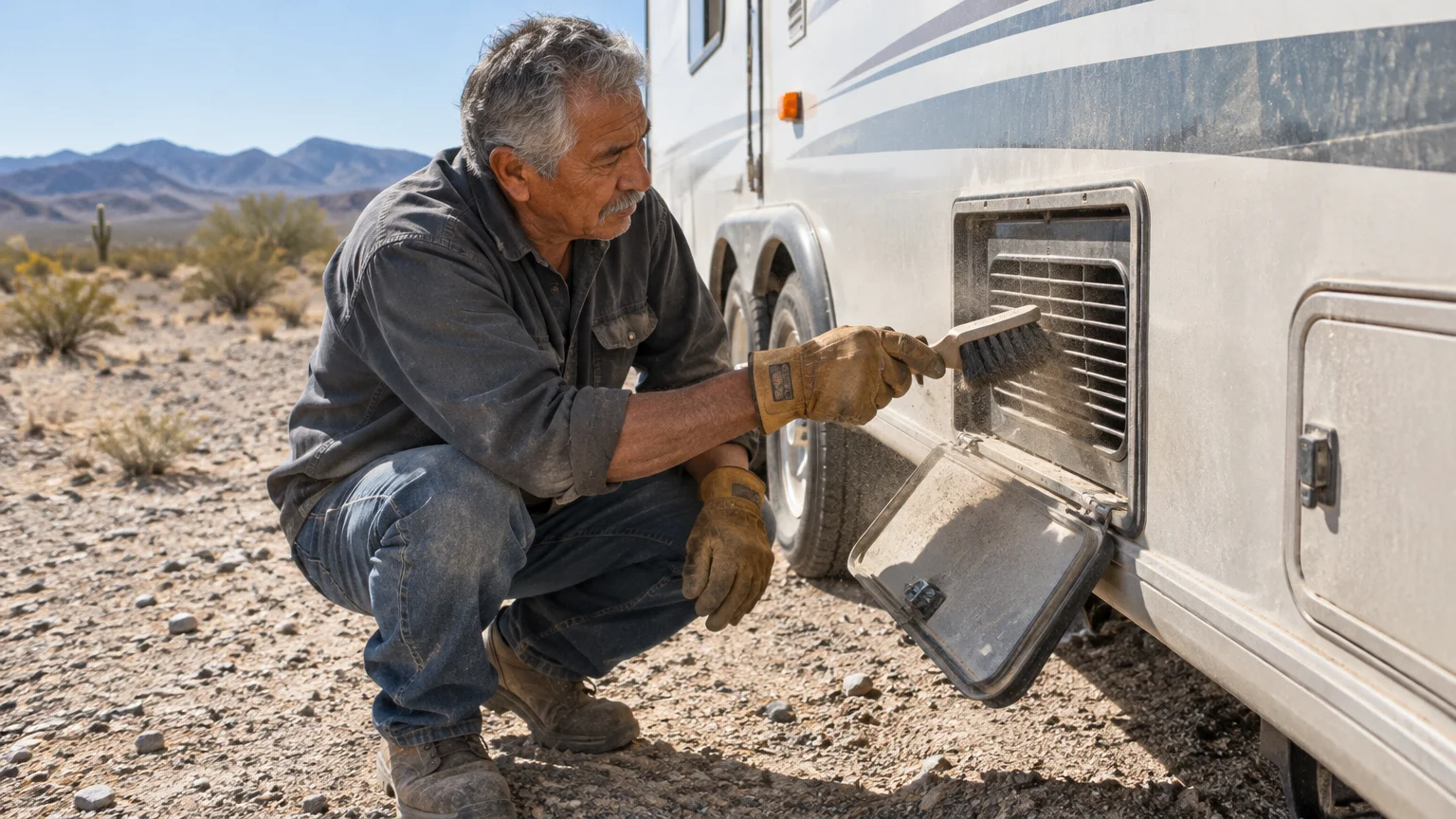
Living in arid desert environments creates unique maintenance costs that do not exist during summer camping in Minnesota. Harsh ultraviolet sunlight degrades exposed trailer components rapidly throughout extended stays.
Slide-out rubber wiper seals dry out quickly in the southern Arizona sun. Applying UV-resistant silicone rubber seal conditioner once every four weeks preserves weather stripping and prevents rainwater leaks.
Tire protection remains equally critical for extended desert parking. Covering trailer and truck tires with heavy canvas tire covers shields rubber sidewalls from ozone cracking and premature dry rot.
Laundromat fees represent another consistent cash outflow for trailers lacking onboard washing machines. Most private resorts and desert laundromats charge between $2.50 and $4.00 per wash cycle.
Budgeting for commercial laundry facilities requires roughly $45 per month for a two-person household. Washing large bedding and blanket loads adds $15 monthly to your cash laundry reserve.
- Tire UV protective covers (set of four 15-inch covers): $45
- Rubber slide-out seal lubricant (two 16-ounce aerosol cans): $28
- Holding tank enzyme treatments (5-month winter supply): $38
- Inline RV water filtration sediment cartridges: $32
- Coin-operated laundromat expenses: $45 to $60 monthly
Step-by-Step Winter RV Budgeting Plan
Structuring your winter finances requires systematic planning before leaving your home state. Following an organized operational sequence keeps seasonal expenses aligned with your fixed retirement income.
- Calculate your total highway towing mileage and multiply by your vehicle’s loaded fuel consumption rate.
- Select your destination style between full-hookup private parks and federal long-term visitor areas.
- Request written confirmation of all park utility billing rates and administrative surcharges.
- Inspect trailer window seals and purchase foam insulation inserts for open ceiling vents.
- Confirm your health insurance plan permits physician office visits in your destination states.
- Establish an independent $1,200 emergency maintenance fund for unexpected roadside tire blowouts or mechanical repairs.
Frequently Asked Questions
How much does an RV snowbird season cost on a fixed income?
A self-contained winter season on public lands costs between $1,200 and $1,800 monthly, including fuel, food, and permits. Staying at private full-hookup resorts averages between $2,400 and $3,800 per month due to site rent and metered electrical billing.
Why are electric bills so high at monthly RV parks?
Monthly guests pay commercial pass-through rates per kilowatt-hour rather than bundled camping fees. Running dual electric space heaters in drafty, uninsulated trailers draws substantial power, adding $180 to $310 monthly during cold snaps.
Does the America the Beautiful Senior Pass cover LTVA permits?
No, the Senior Pass does not discount the $180 seasonal BLM LTVA permit. The federal pass covers standard day-use fees and discounts basic camping, but LTVAs are classified as special recreation use areas.
Can you negotiate monthly RV park rates?
Most popular Sunbelt RV parks hold firm on published winter rates due to high seasonal demand. However, you can avoid extra costs by booking four- to five-month blocks rather than paying higher month-to-month transient rates.
Disclaimer: This article is for informational purposes only. Benefits, programs, and regulations can change.
We encourage readers to verify current information with official government sources and consult with qualified professionals for personalized advice.


