
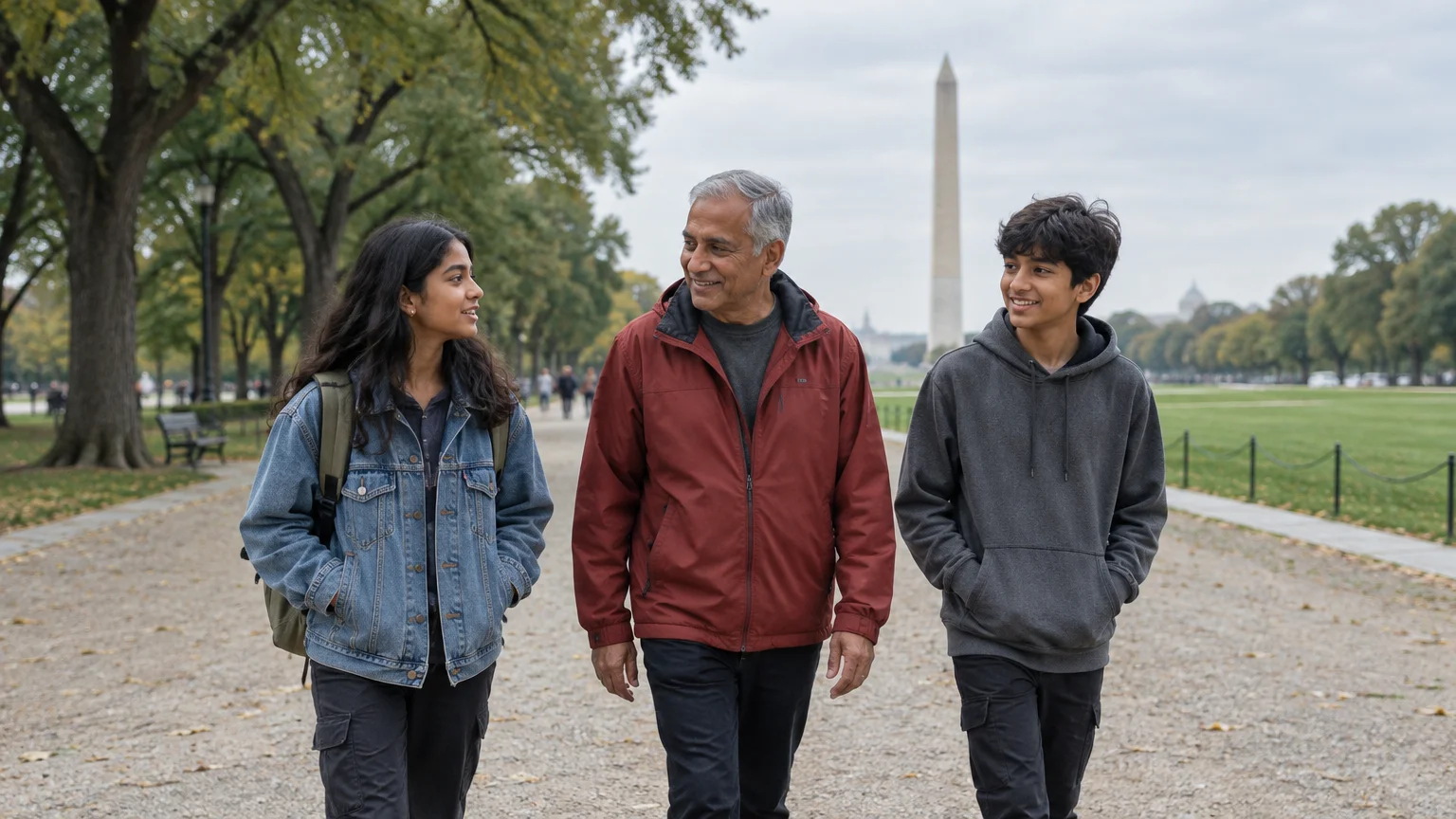
You can treat two teenage grandchildren to a memorable five-day educational trip to Washington, D.C., for under $1,500 total. You do not need to pull funds from retirement savings or carry high-interest credit card balances.
The plan relies on zero-dollar Smithsonian admissions, suburban grocery-anchored suite rentals, and unlimited transit passes rather than costly commercial attractions. This strategy gives your teens a rich cultural adventure while guarding your fixed monthly budget.
Here is your exact spending blueprint, daily itinerary, and practical toolkit to make this dream journey an affordable reality.
In this guide8 sections
- Building the $1,500 Grandparent Trip Budget
- Lodging Strategies: Kitchen Suites Versus Downtown Hotels
- Transit Tactics: Train Routes, Metro Passes, and Senior Fares
- Zero-Dollar Enrichment: Maximizing the Smithsonian and National Mall
- Meal Planning and Teen Appetites on a Fixed Income
- Financial Safeguards: Cash Allowances and Banking Rules
- Five-Day Washington D.C. Cost Breakdown
- Frequently Asked Questions

Building the $1,500 Grandparent Trip Budget
A successful grandparent trip budget requires strict boundaries before you book a single ticket. When you live on a fixed income, unplanned expenses quickly erode monthly cash reserves.
Retirees seeking subsidized learning experiences can also research how to get Road Scholar travel grants to fund organized educational trips.
If your family prefers scenic nature over city walking tours, planning a voyage like the Alaska Inside Passage with your grandkids provides another unforgettable multi-generational alternative.
Begin by establishing a dedicated vacation with grandkids savings fund six to ten months before your travel date. Automate small monthly transfers from your checking account into a separate high-yield savings account.
Saving $150 each month for ten months produces the target $1,500 sum without touching your core retirement principal. This structure insulates your daily living expenses from vacation spending.
Setting up your budget categories in advance eliminates guesswork during travel. Divide your $1,500 allocation across five distinct spending buckets:
- Suburban suite lodging: $620 (four nights at $155 per night, taxes included)
- Regional and local transit: $340 (rail tickets and Metro transit cards)
- Groceries and quick meals: $320 (in-suite breakfasts, packed lunches, and dinners)
- Souvenir allowances and museum locker rentals: $120 ($50 per teen plus incidentals)
- Emergency cash cushion: $100 (held in reserve for unexpected transit needs)
Every dollar in this framework carries a clear assignment. By removing variable dining and entertainment costs, you maintain complete control over the total expenditure.
Teens value unique shared experiences over luxury hotel lobbies. Clear financial parameters allow you to focus entirely on building meaningful memories together.
Lodging Strategies: Kitchen Suites Versus Downtown Hotels
Downtown Washington, D.C., hotels routinely charge upwards of $320 per night before adding parking fees and steep municipal occupancy taxes. Booking downtown rooms exhausts your entire travel fund on lodging alone.
For longer stays, some travelers even explore how to house-sit for free travel lodging to completely eliminate overnight accommodation expenses.
Instead, book an extended-stay property along the Metro system in suburban Virginia or Maryland. Communities like Arlington, Alexandria, or Silver Spring offer lower room rates and direct train access into the city center.
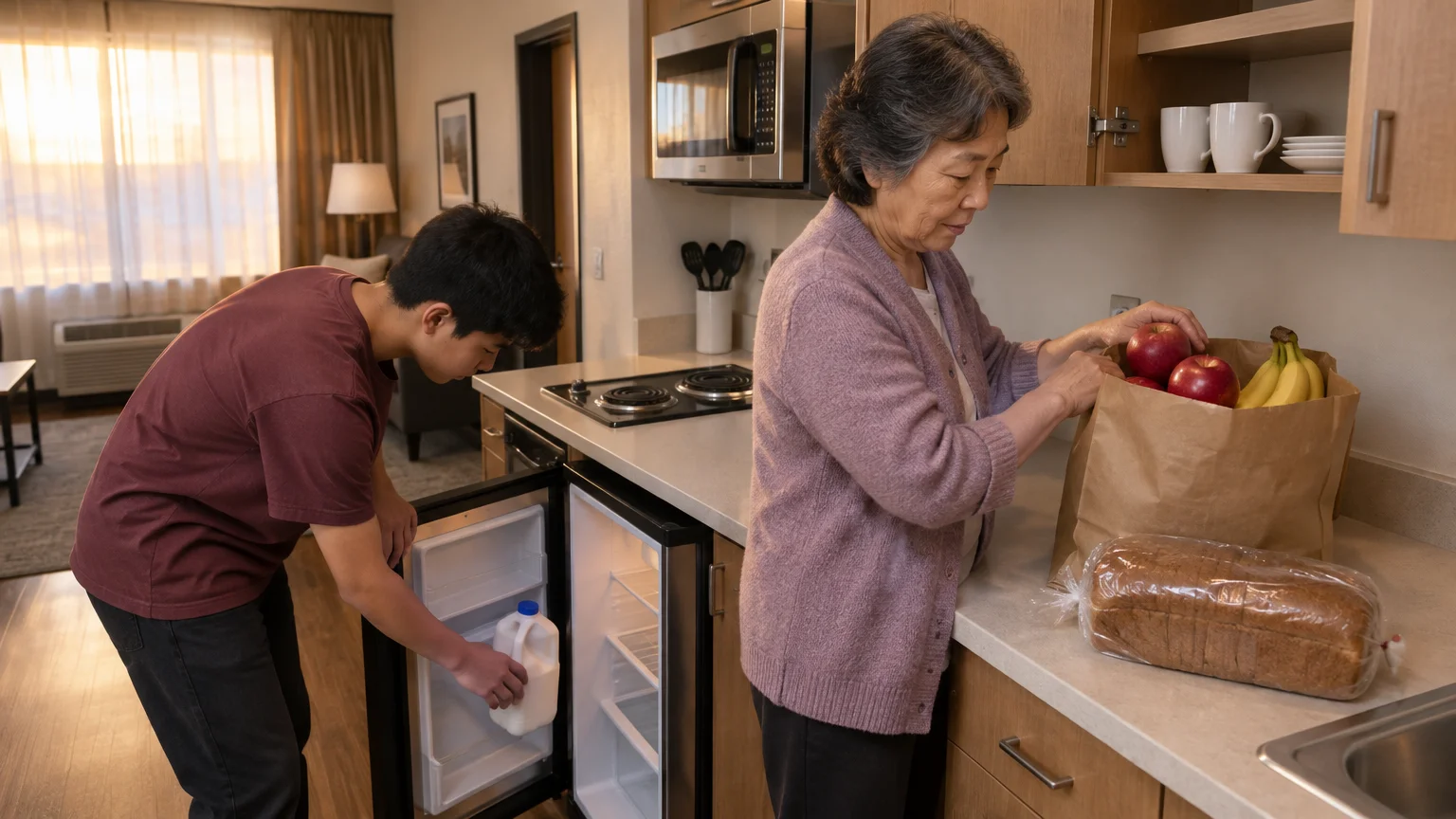
Prioritize properties that provide a full kitchenette equipped with a two-burner stovetop, full-size refrigerator, and microwave. Brands like Homewood Suites, TownePlace Suites, or Candlewood Suites routinely serve this travel style.
You can often reduce these base room rates further by booking with an AARP travel discount. Presenting your membership credentials frequently yields 10% off the standard room rate and flexible cancellation terms.
Verify that your chosen hotel sits within a safe, 10-minute walk of an accessible Metro station. Walking to the train avoids expensive rideshare surge charges or high garage parking fees.
| Lodging Option | Location | 4-Night Cost (Taxes Included) | Kitchen Facilities | Metro Access Distance | Estimated Food Savings |
|---|---|---|---|---|---|
| Penn Quarter Boutique Hotel | Downtown Washington, D.C. | $1,380 | Mini-fridge only | 1-minute walk | $0 (Must dine out) |
| Crystal City Extended Stay | Arlington, VA | $620 | Full kitchen with stovetop | 6-minute walk | $280 saved on meals |
| Old Town Suburban Suite | Alexandria, VA | $590 | Kitchenette with microwave | 8-minute walk | $210 saved on meals |
The table above illustrates the dramatic price difference between prime downtown rooms and suburban transit-adjacent suites. Choosing suburban lodging protects nearly half your overall travel budget.
Cooking simple breakfasts and evening meals in your suite offsets the slightly longer train ride. The cost efficiency of this trade-off keeps your trip completely debt-free.
Transit Tactics: Train Routes, Metro Passes, and Senior Fares
Driving through the capital creates unnecessary stress due to heavy traffic, complex highway interchanges, and aggressive parking enforcement. Taking regional rail directly into Union Station offers a relaxing, affordable alternative.
Amtrak provides a 10% discount on most coach fares for passengers aged 65 and older. Booking your tickets several weeks in advance locks in the lowest coach fare buckets.
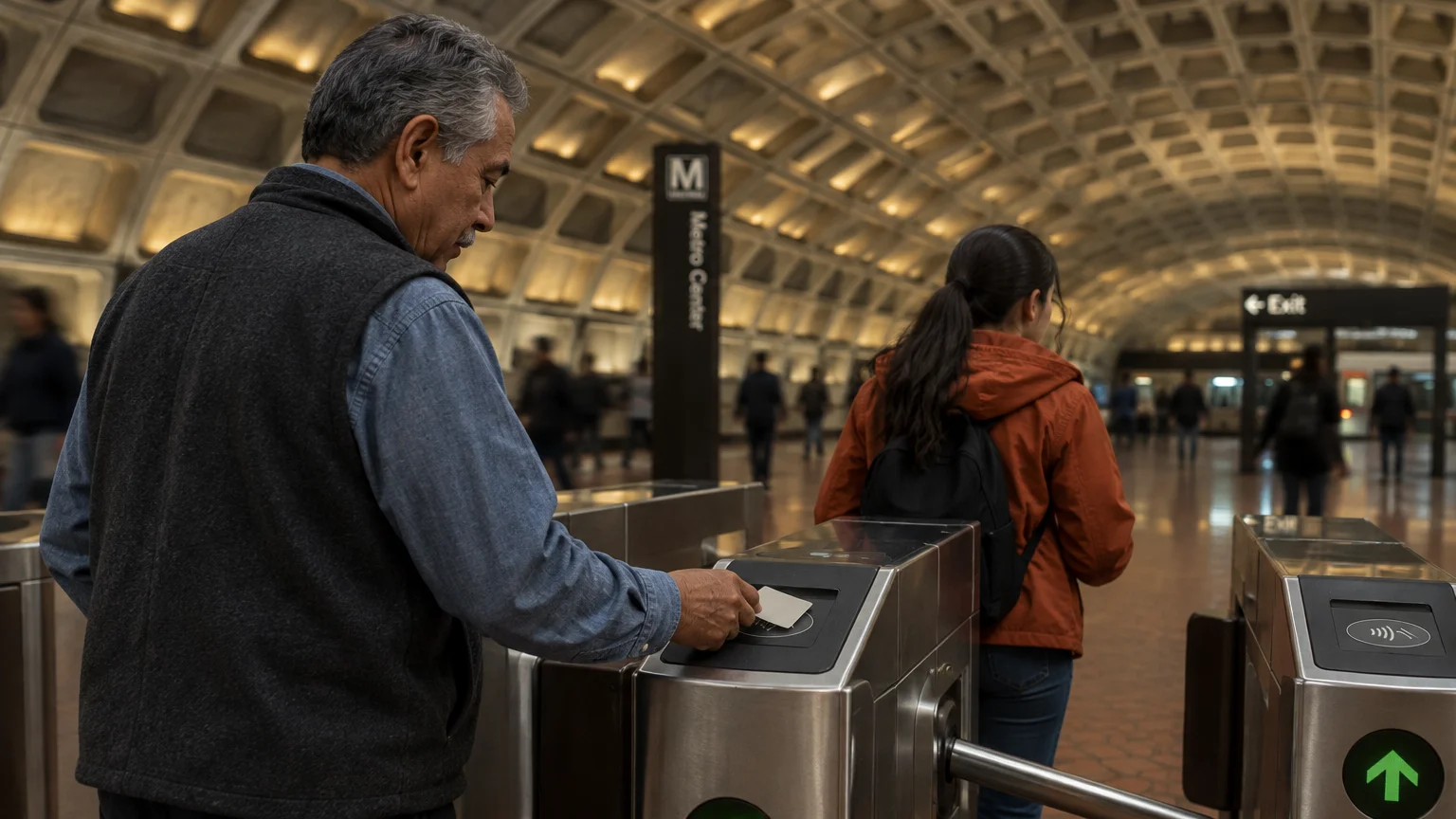
When riding the Washington Metropolitan Area Transit Authority (WMATA) system, purchase a standard reloadable SmarTrip card for each traveler. The SmarTrip system covers both the rail network and regional Metrobus routes.
Adults aged 65 and older can apply for a Senior SmarTrip card to receive 50% discounts on standard transit fares. Teenagers pay standard fares, making off-peak scheduling your best tool for managing costs.
Take the following practical steps to manage your transit budget effectively:
- Download the SmarTrip application to your smartphone before leaving home.
- Enroll your senior transit card through the WMATA portal to activate discounted fares.
- Travel during off-peak hours (between 9:30 AM and 3:00 PM) to secure lower per-trip charges.
- Map your daily routes along the Blue, Orange, or Silver lines directly to the Smithsonian station.
- Keep physical plastic transit cards on hand in case smartphone batteries drain during long outings.
Be aware that the Department of Homeland Security enforces REAL ID domestic travel regulations for adults aged 18 and older. Ensure your driver’s license carries the required star emblem before departing home.
Minors under age 18 do not require state-issued identification for domestic train travel when accompanied by an adult. Carrying copies of their birth certificates remains a sound precaution for medical identification.
Zero-Dollar Enrichment: Maximizing the Smithsonian and National Mall
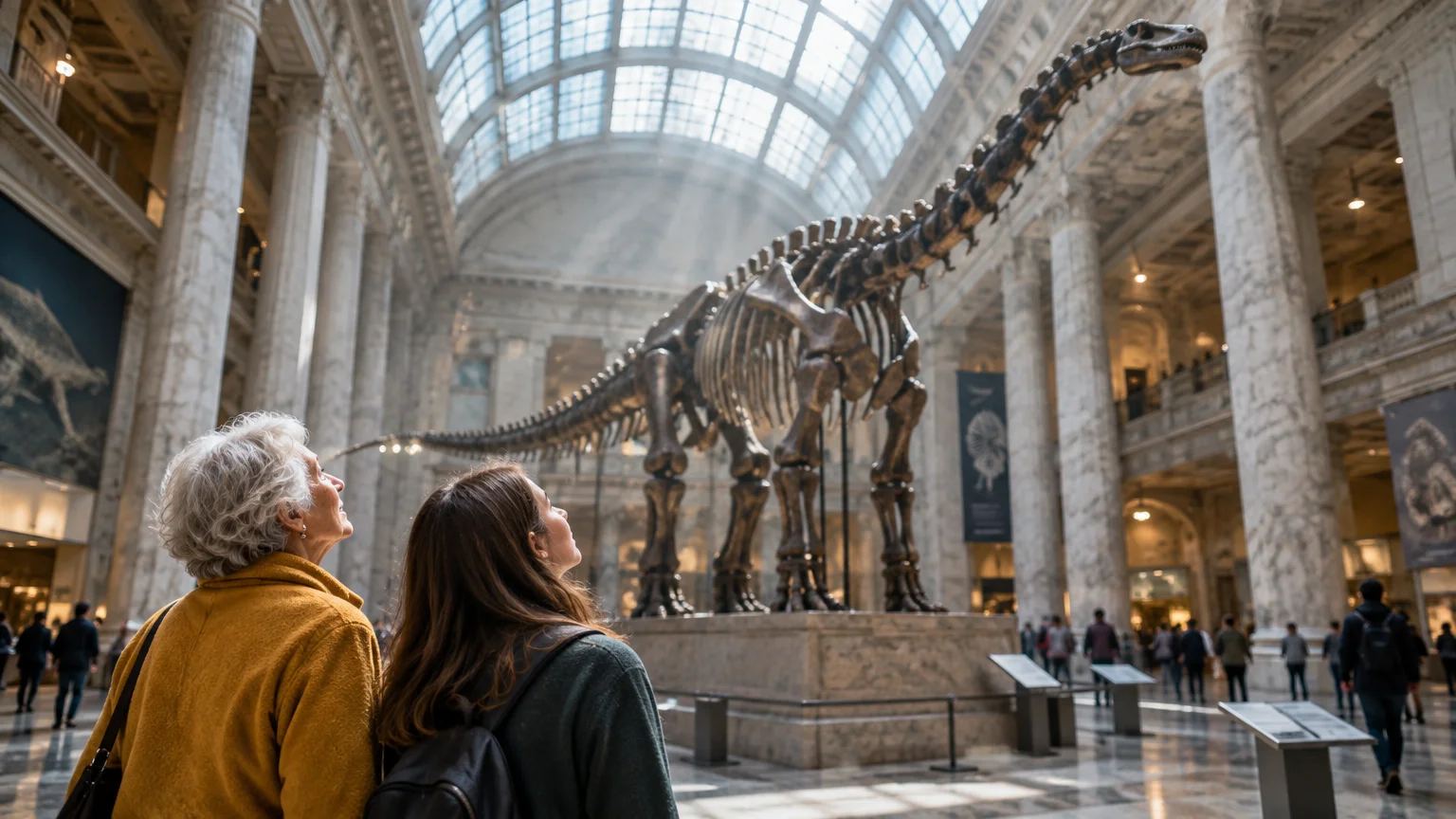
The Smithsonian Institution operates the world’s largest museum and research complex, offering completely free admission to its public galleries. This unique civic resource anchors your budget family trip retirement plan without ticket fees.
If your travel style leans toward outdoor adventures rather than city plazas, consider visiting national parks on a tight budget as another low-cost destination choice.
While the capital offers free Smithsonian entry, knowing how to leverage museum admission discounts for seniors will keep costs low at other cultural institutions.
You can spend three full days touring world-class exhibits without spending a dime on admissions. The National Museum of American History, Natural History Museum, and Air and Space Museum flank the National Mall.
While admission is free, certain high-traffic venues require advance online reservations. Planning your entry times prevents unexpected schedule disruptions when lines form outside.
Follow these reservation and touring guidelines for peak efficiency:
- Reserve free timed-entry passes for the National Air and Space Museum 30 days ahead online.
- Book an entry pass for the National Museum of African American History and Culture online before arrival.
- Visit the Library of Congress Thomas Jefferson Building by securing free visitor passes online.
- Tour the outdoor monuments along the Tidal Basin at dusk to avoid daytime heat and midday crowds.
- Step inside the National Archives to view the Declaration of Independence without entry charges.
Pairing these historic sites gives teenagers an extraordinary educational experience. They explore foundational artifacts of American history while your wallet stays closed.
Review the daily museum schedule each morning with your grandkids. Giving them ownership over which galleries to visit keeps their engagement high throughout the day.
Meal Planning and Teen Appetites on a Fixed Income
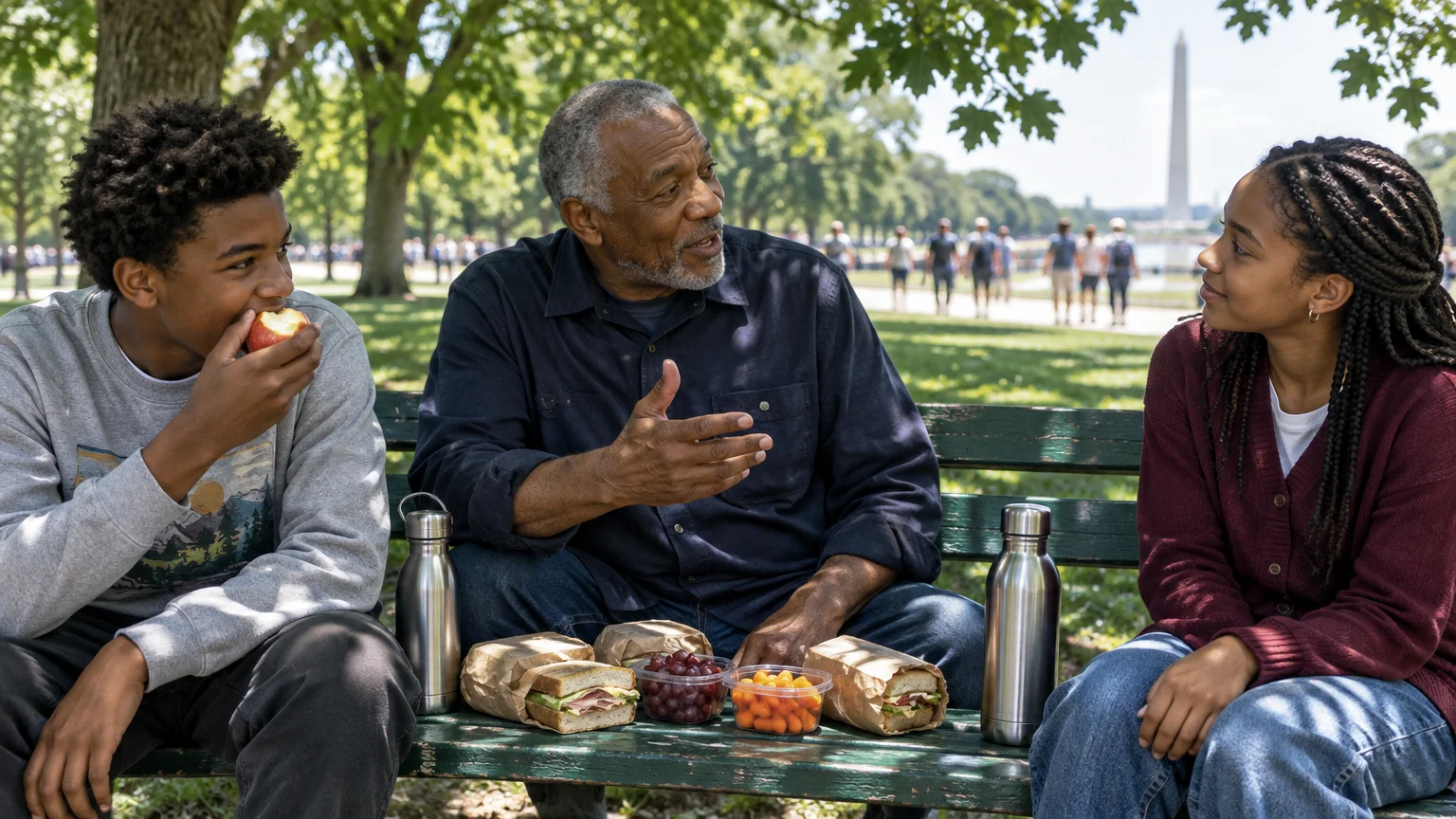
Teenagers burn thousands of calories daily walking across the wide expanses of the National Mall. Feeding active adolescents exclusively at museum food courts rapidly destroys a tight vacation budget.
Tracking receipts each evening using free budgeting tools for retirees helps ensure grocery bills stay aligned with your targets.
On-site museum cafes routinely charge $18 to $22 for a basic burger, fries, and beverage combo. Buying lunch inside museums for three people would consume more than $75 in a single afternoon.
Bypass these steep commercial prices by visiting a regional grocery store immediately upon checking into your suite. Outlets like Giant Food or Aldi stock affordable pantry supplies right along commuter corridors.
Prepare substantial breakfasts in your room before catching the morning train. Eggs, whole-grain toast, fresh fruit, and oatmeal provide lasting energy for hours of walking.
Pack a lightweight cooler backpack with portable lunch options each morning. The Smithsonian security checkpoints permit visitors to bring sealed food containers and non-alcoholic drinks inside.
Stock up on these durable, high-energy provisions during your initial grocery store trip:
- Peanut butter, whole-wheat sandwich bread, and fruit preserves
- Individually wrapped string cheese and cheddar snack sticks
- Boxed granola bars, trail mix pouches, and raw almonds
- Sturdy fruits like crisp apples, bananas, and seedless oranges
- Refillable stainless steel water bottles to fill at museum drinking fountains
For dinners, combine simple skillet meals in your suite with occasional neighborhood dining treats. Picking up a local whole pizza yields substantial portions for under $25 total.
This disciplined dining strategy keeps total food spending around $64 per day for all three travelers. That leaves your core savings untouched while keeping everyone well-nourished.
Financial Safeguards: Cash Allowances and Banking Rules
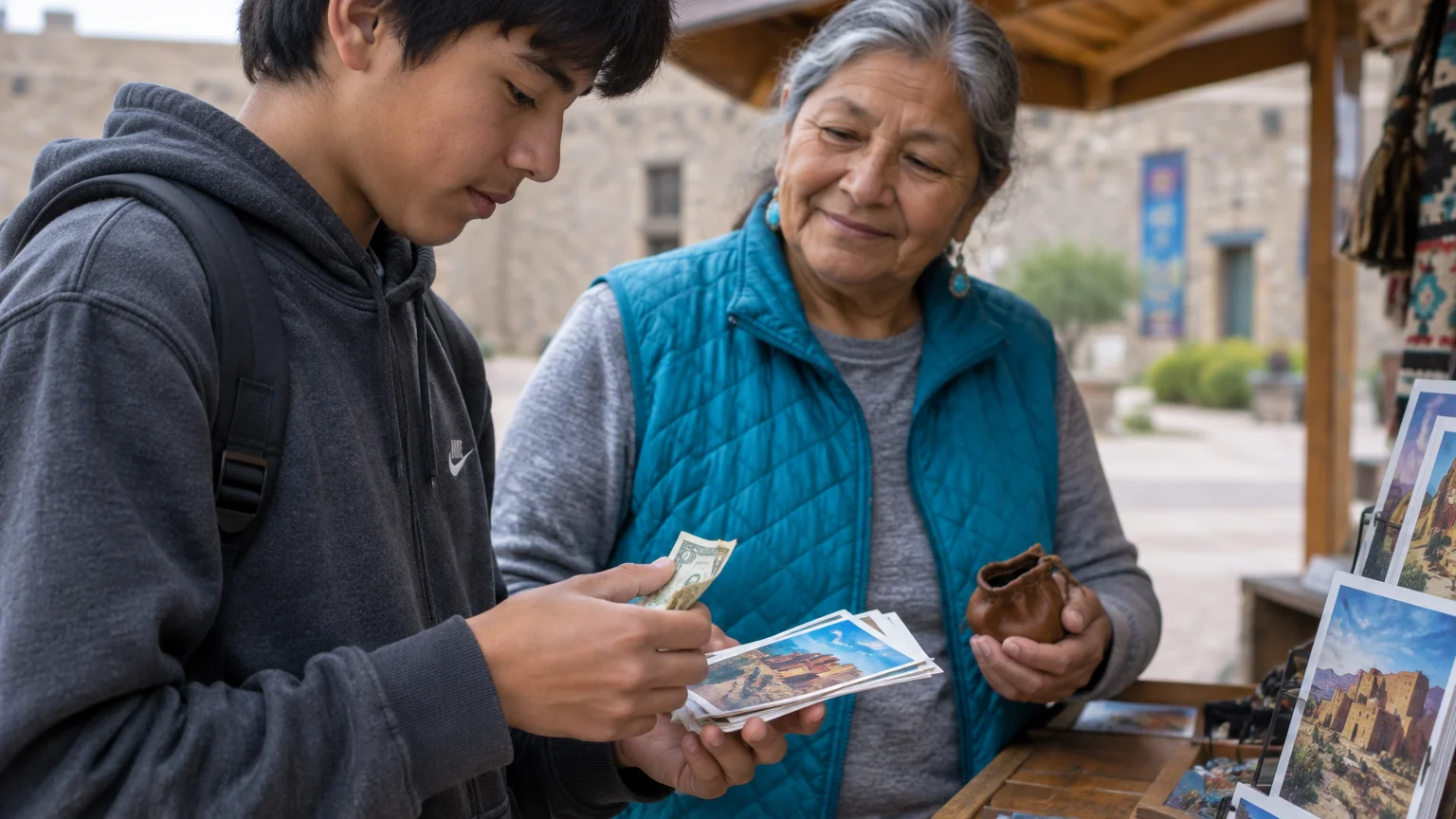
Gift shops strategically place souvenir displays at every museum exit, testing your grandchildren’s spending restraint. Establishing clear personal spending limits on day one prevents recurring awkward conversations.
Provide each grandchild with a set $50 cash allowance or reloadable debit card at the beginning of the trip. Explain calmly that this money covers all personal mementos, postcards, snacks, and souvenirs.
Once their allocated card balance hits zero, personal shopping ends for the remainder of the trip. This rule teaches financial responsibility while shielding your personal wallet from emotional spending pressure.
Review consumer recommendations from the Consumer Financial Protection Bureau regarding low-fee prepaid cards. Avoid cards with monthly activation charges or automated balance maintenance penalties.
If you plan to gift travel money directly to older family members, understand relevant federal tax thresholds. The IRS sets the annual gift tax exclusion at $19,000 per recipient for the 2025 and 2026 tax years.
A modest $1,500 family trip sits safely below all federal reporting requirements. Keeping clear financial boundaries simply ensures peace in your family relationships.
Implement these spending safeguards throughout your journey:
- Set up real-time text alerts on your primary credit card to monitor unauthorized charges.
- Keep your emergency cash reserve in an interior zippered bag compartment.
- Avoid using public automated teller machines with steep third-party transaction fees.
- Establish daily check-ins to review remaining transit balances together.
Transparent money guidelines eliminate financial tension during travel days. Teens appreciate knowing the financial ground rules in advance.

Five-Day Washington D.C. Cost Breakdown
Tracking every actual dollar demonstrates that a comprehensive family vacation can remain fully funded under $1,500. This worked example reflects real-world pricing for one adult and two teenagers.
The itinerary assumes round-trip coach rail travel, four nights in an Arlington kitchenette suite, and five days of museum exploration. Every expenditure item connects directly to our established plan.
Study the exact arithmetic of this five-day educational itinerary:
- Amtrak Coach Travel: $274.00 (One senior fare at $82 round-trip; two teen fares at $96 round-trip each)
- Extended Stay Suite: $618.00 (Four nights at $135 plus 14.25% municipal lodging tax)
- WMATA Transit Fares: $112.50 (One Senior SmarTrip card plus two standard SmarTrip passes)
- Grocery Stock Haul: $184.50 (Breakfast provisions, sandwich supplies, fruit, and snacks)
- Local Pizza & Casual Dinners: $115.00 (Two carryout dinners to complement suite meals)
- Teen Souvenir Allowances: $100.00 ($50 allocated to each grandchild)
- Locker Rentals & Incidental Fees: $24.00 (Museum locker storage on transit days)
- Unspent Contingency Reserve: $72.00 (Retained for incidental transit adjustments)
Total Trip Investment: $1,500.00
Notice that admission charges appear nowhere on this expense manifest. The nation’s public treasures provide thousands of dollars of world-class cultural enrichment at zero cost.
By substituting expensive restaurant meals with suite-based dining, you protect your retirement bottom line. You return home with enriched grandchildren, complete financial stability, and zero debt.
Frequently Asked Questions
Do teenagers need photo identification to board domestic Amtrak trains?
Minors under 18 years old do not need state identification when traveling with a passenger who is at least 18 years old. However, adults must carry a compliant REAL ID or passport.
Can grandparents take food and water into Smithsonian museums?
Yes, security personnel permit outside food and non-alcoholic beverages in sealed backpacks or daypacks. You must consume your packed meals outside on Mall benches or in designated cafeteria seating areas.
How far in advance should I reserve timed passes for popular D.C. exhibits?
Reserve free timed-entry passes 30 days in advance for popular spots like the National Air and Space Museum. Check their official website at 8:30 AM eastern time for same-day morning pass releases.
Does the National Park Senior Pass cover Smithsonian entry fees?
The Smithsonian museums operate independently of the National Park Service and provide free admission to all visitors regardless of age. The America the Beautiful Senior Pass is not needed for Smithsonian exhibits.
What is the safest way to give teenagers spending money for the trip?
Provide a fee-free reloadable debit card or physical cash envelopes labeled for their personal souvenirs. When the pre-funded cash runs out, their personal shopping concludes for the trip.
Disclaimer: This article is for informational purposes only. Benefits, programs, and regulations can change.
We encourage readers to verify current information with official government sources and consult with qualified professionals for personalized advice.


