
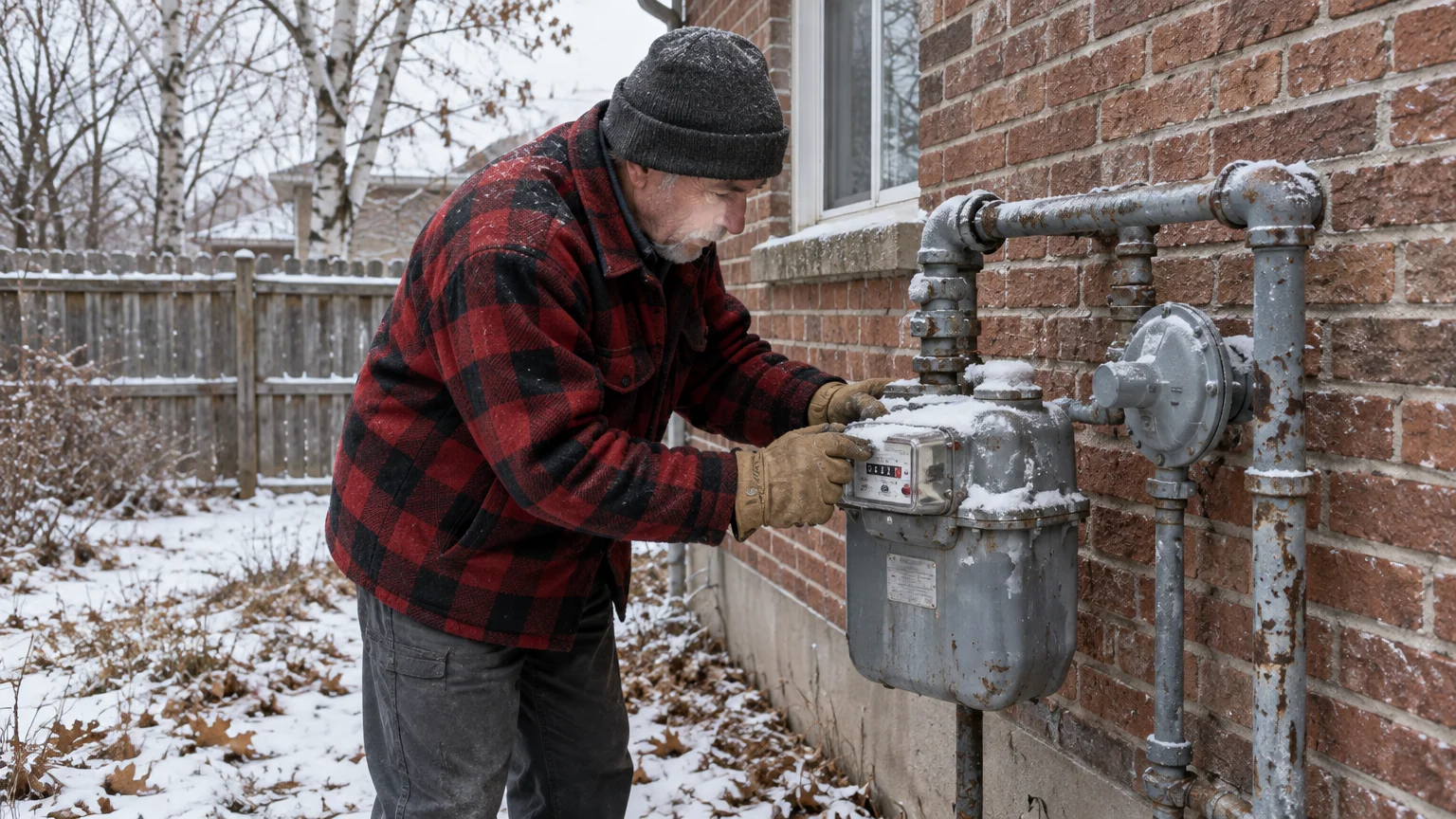
High winter heating bills on a fixed income create intense financial strain when monthly gas statements suddenly exceed $350. You can neutralize these punishing winter spikes without freezing your home or depleting your emergency savings.
Standard utility budget plans often lead to unexpected year-end debt because they spread costs without reducing your actual consumption. Pairing levelized billing math with strategic air-sealing protects your monthly cash flow and permanently lowers fuel use.
This guide explains how to audit your utility bills, eliminate costly air drafts for under $20, and keep your living spaces warm safely.
In this guide8 sections
- The Mechanics and Hidden Traps of Utility Budget Billing
- Calculating Your True Levelized Payment to Prevent Year-End Shortfalls
- Zero-Cost and Low-Cost Air-Sealing Steps That Lower Gas Consumption
- Balancing Thermostat Setbacks With Safe Indoor Temperatures
- Comparing Low-Cost Winter Heat Retention Methods
- Federal and State Heating Assistance Programs for Seniors
- Using Federal Clean Energy Tax Credits on a Fixed Income
- Frequently Asked Questions
The Mechanics and Hidden Traps of Utility Budget Billing
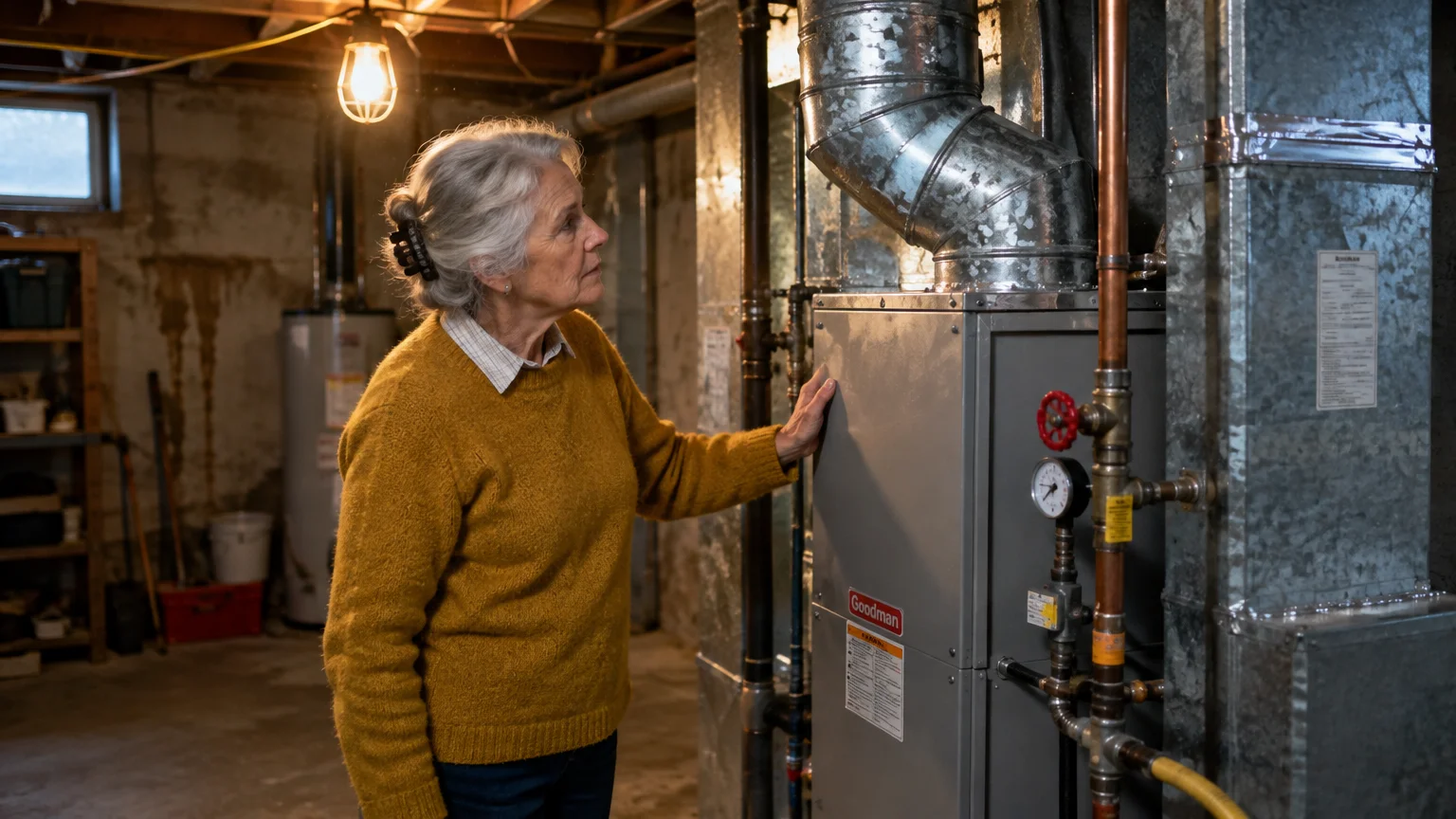
Regulated natural gas and electric utilities offer budget billing to smooth seasonal cost spikes into 12 equal monthly installments. The utility calculates your payment by averaging your prior 12 months of energy usage at current retail rates.
In addition to monitoring levelized billing structures, negotiating lower service bills can uncover discretionary discounts offered by service providers.
Enrolling in utility budget billing seniors often view as an automatic discount, but the program changes only the timing of payments. You still pay for every hundred cubic feet (Ccf) or therm of natural gas your heating system burns.
The major hazard of these programs is the annual reconciliation or true-up month. If winter temperatures drop lower than usual or fuel rates jump mid-year, your actual usage will outstrip your estimated monthly payments.
When the true-up billing cycle arrives, the utility charges the entire accumulated shortfall on a single monthly statement. A homeowner paying $160 monthly can suddenly face an unexpected $400 or $600 reconciliation bill in spring.
If you fail to pay that balance, the utility can remove you from the levelized plan and demand immediate settlement. Guidance from the Consumer Financial Protection Bureau emphasizes reviewing utility billing terms directly to prevent unexpected budget shocks.
Calculating Your True Levelized Payment to Prevent Year-End Shortfalls
You can avoid reconciliation surprises by calculating your own baseline rather than relying solely on the utility company estimate. Gather your gas bills from the past 12 months to determine your total annual fuel expenditure.
Factoring seasonal fuel swings into your overall plan is an essential part of budgeting for inflation and rising costs in retirement.
Consider a 64-year-old cold-climate homeowner living in a 1,600-square-foot house with natural gas heating. From December through March, cold temperatures drive the heating bill to $355 per month, totaling $1,420 across four winter months.
During the shoulder months of April, May, October, and November, heating demand drops, producing an average monthly bill of $115, or $460 total. During summer months from June through September, gas usage covers only water heating at $35 monthly, totaling $140.
Adding these figures together yields an annual fuel expenditure of $2,020. Dividing $2,020 by 12 months creates a base levelized monthly target of $168.33.
Utilities adjust retail gas rates periodically, meaning last year’s rates rarely match this winter’s actual fuel charges. Adding an intentional 10% buffer to your personal monthly savings covers rate adjustments and unusually cold weeks.
In this scenario, paying or setting aside $185 per month instead of $168 protects you against surprise reconciliations. If winter proves milder than expected, that accumulated surplus stays in your bank account rather than with the utility.
- Locate the total therms or Ccf burned on each statement across the past 12 consecutive months.
- Multiply your total annual therms by your utility provider’s current per-therm commodity and delivery rate.
- Add the mandatory 12-month customer service charge, which remains fixed regardless of how much gas you use.
- Divide that final total by 11 instead of 12 to build a built-in financial buffer before your annual true-up month.
Zero-Cost and Low-Cost Air-Sealing Steps That Lower Gas Consumption
Levelized payments make bills predictable, but lowering winter gas bill totals requires reducing physical heat loss. Heated air escapes rapidly through unsealed ceiling penetrations, drafty baseboards, and uninsulated wall receptacles.
While long-term equipment upgrades like evaluating the cost to switch from natural gas to electric heat pumps can eliminate fossil fuel reliance, immediate savings come from stopping simple air leaks.
You do not need to replace windows or install expensive heating equipment to stop heat loss. Targeted air-sealing with simple hardware supplies stops drafts at the source for minimal out-of-pocket cost.
Start by sealing electrical outlets and wall switches located on exterior-facing walls. Cold drafts enter through wall cavities and blow past standard plastic wall plates into living spaces.
Purchase a multi-pack of pre-cut closed-cell foam outlet gaskets for approximately $4 at any hardware store. Remove the faceplate screws with a screwdriver, set the foam gasket over the switch receptacle, and screw the cover back on tightly.
Next, evaluate exterior doors by checking for visible daylight along the side and bottom perimeters. An unsealed exterior door with a 0.25-inch gap loses as much warm air as a two-inch hole punched directly through drywall.
Install screw-on or heavy-duty self-adhesive silicone door sweeps along the bottom edge of every exterior entrance. Ensure the flexible silicone blade presses firmly against the threshold without catching when you open the door.
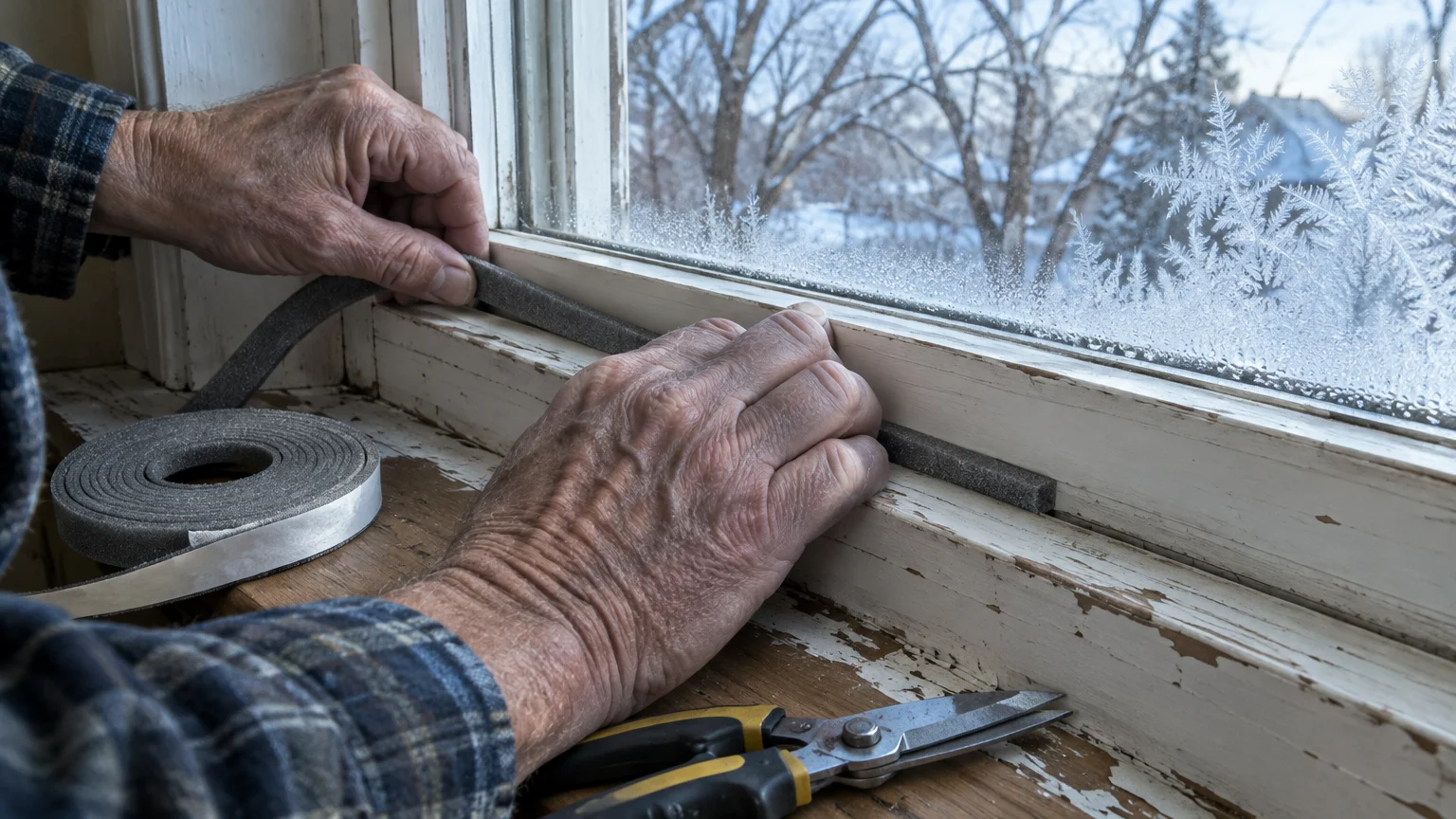
For double-hung windows that rattle or leak air, apply temporary removable rope caulk along the moving joints. Press the pliable putty into the seams using your fingertips; it peels off cleanly without damaging paint when spring arrives.
Clear plastic window shrink-film kits provide an effective barrier for older single-pane or leaky double-pane windows. Applying the clear film over the casing creates an insulating dead-air space that stops conduction losses.
- Clean window moldings with isopropyl alcohol and allow surfaces to dry thoroughly before installing mounting tape.
- Affix the double-sided mounting tape along the outer window perimeter frame, leaving the protective paper liner in place.
- Peel the top paper strip and press the plastic film firmly against the upper tape line, working gradually downward.
- Heat the sheet evenly with an ordinary hair dryer held five inches away until all surface wrinkles vanish completely.
Balancing Thermostat Setbacks With Safe Indoor Temperatures
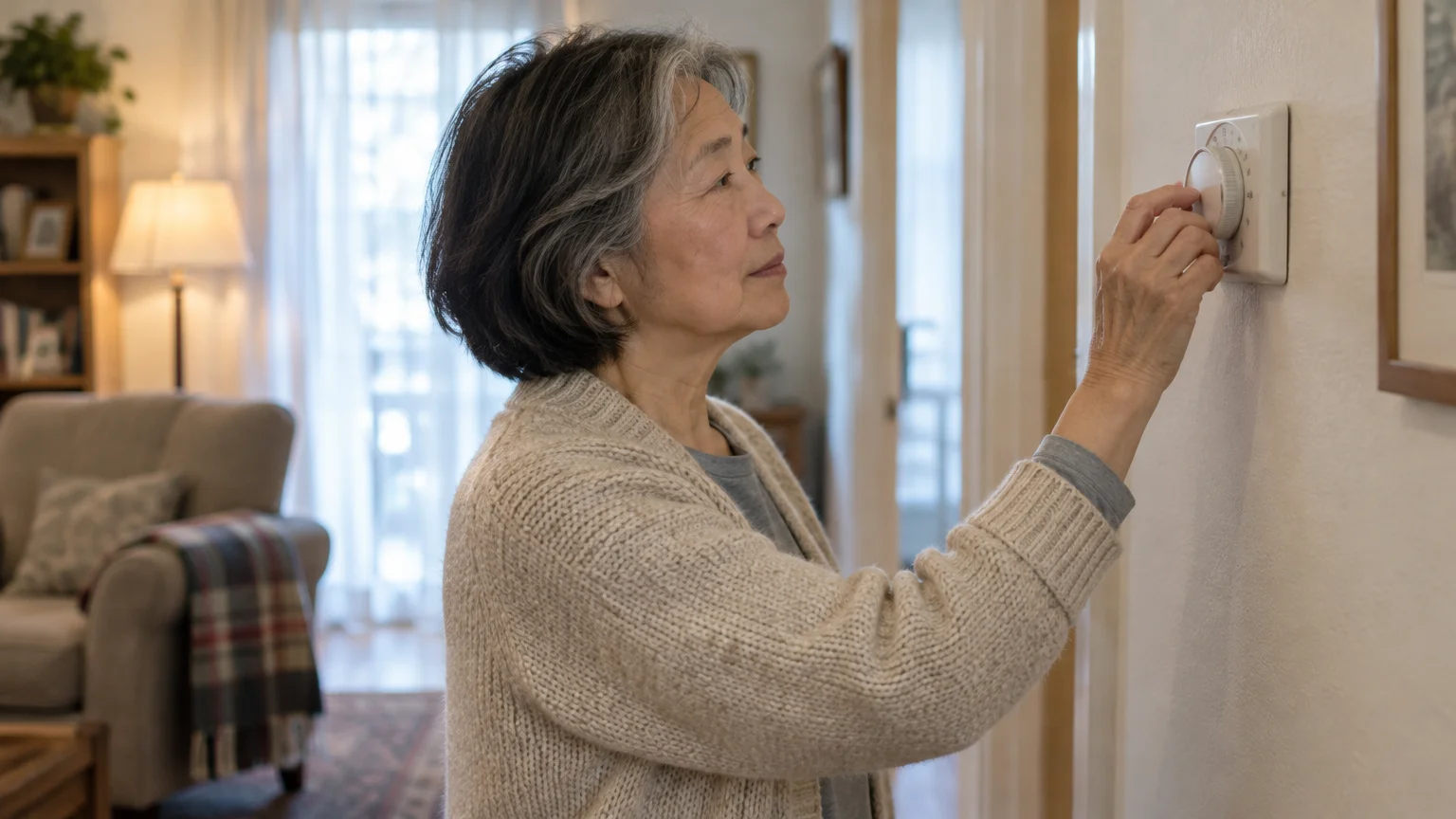
The U.S. Department of Energy notes that turning your thermostat back 7°F to 10°F for eight hours daily saves up to 10% annually on heating. However, fixed-income seniors must manage these reductions carefully to avoid genuine health hazards.
Aging bodies produce less internal heat and often experience impaired temperature perception due to natural vascular changes or prescription medications. Indoor temperatures that feel merely brisk to younger adults can cause dangerous core body cooling in seniors.
The National Institute on Aging advises older adults never to set living space temperatures below 65°F to 68°F. Living in spaces colder than 65°F creates a risk of indoor hypothermia, which develops gradually without obvious shivering.
To capture energy savings safely, maintain your thermostat at 68°F during daytime hours while you remain active inside the house. When sleeping, drop the setting no lower than 65°F while using layered flannel bedding and wool blankets to maintain warmth.
Avoid heating unoccupied rooms that have closed doors if your home relies on a central forced-air furnace. Closing more than two supply vents increases internal duct pressure, causing air leaks and straining your furnace blower motor.
Instead, keep interior bedroom and living room doors open to maintain balanced airflow throughout your living space. Clean or replace your disposable 1-inch furnace filter every 60 days to keep airflow smooth and burn less fuel.
- Set daytime living area temperatures to exactly 68°F while wearing warm indoor layers.
- Lower night settings to a safe floor between 65°F and 66°F rather than dropping into dangerous ranges.
- Check furnace filter status every month and replace clogged filters before dust chokes airflow.
- Keep heat registers unobstructed by moving furniture, drapes, and storage bins at least 12 inches away.
Comparing Low-Cost Winter Heat Retention Methods
Every dollar spent on weatherization materials should produce noticeable reductions on your monthly heating bill. Selecting the most effective material depends on where your home loses the most warmth.
The table below compares five accessible air-sealing options based on upfront cost, installation time, and draft reduction performance. These materials require no professional equipment and work effectively in older homes.
| Air-Sealing Material | Retail Cost | Installation Time | Draft Reduction Impact | Expected Lifespan |
|---|---|---|---|---|
| Window Shrink Film (5-Pack) | $12 – $18 | 20 minutes per window | High (reduces air infiltration up to 35%) | 1 heating season |
| Silicone Adhesive Door Sweep | $8 – $12 | 10 minutes per door | High (eliminates threshold drafts completely) | 3 – 5 years |
| Foam Wall Receptacle Gaskets (24-Pack) | $3 – $6 | 15 minutes per room | Moderate (blocks outer cavity drafts) | 10+ years |
| Removable Rope Caulk (90-Foot Roll) | $5 – $8 | 15 minutes per window | Moderate (stops sash seam leakage) | 1 heating season |
| Insulated Cellular Shades (Per Window) | $35 – $65 | 25 minutes per window | High (provides R-2 to R-4 thermal barrier) | 7 – 10 years |
Prioritize door sweeps and window shrink wrap first if your heating bills regularly exceed $350 each winter month. These two upgrades cost less than $30 combined and deliver immediate improvements in living room comfort.
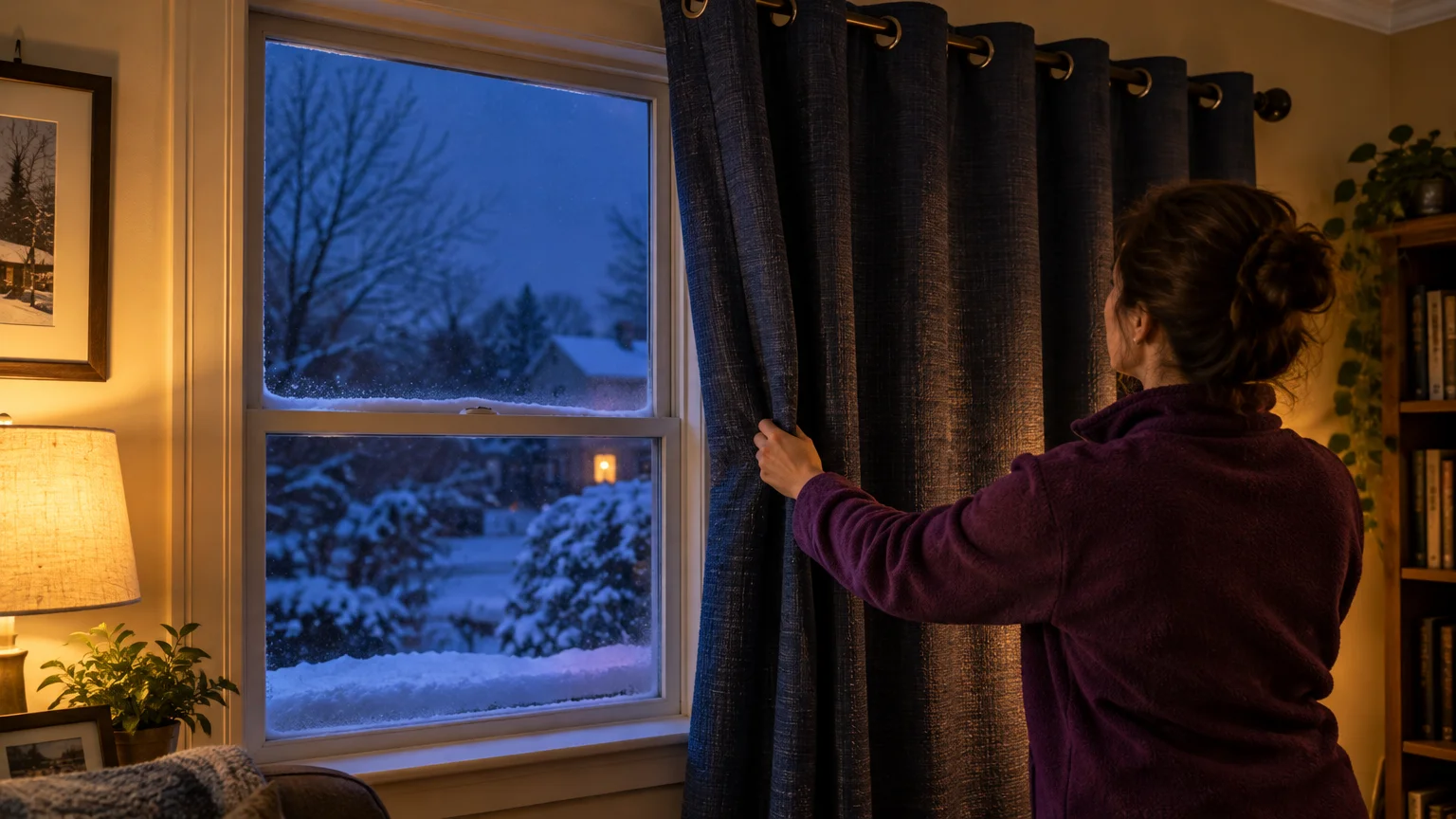
Rope caulk offers an affordable alternative if you find handling lightweight shrink film cumbersome. Pressing caulk strips along leaky window sashes stops cold air movement without blocking your view to the outside.

Federal and State Heating Assistance Programs for Seniors
Older homeowners facing high winter heating bills on a fixed income often qualify for state-administered utility relief grants. These public programs offer direct financial assistance that does not require repayment.
The federal Low Income Home Energy Assistance Program (LIHEAP) helps income-eligible households pay winter heating costs. By federal statute, LIHEAP eligibility extends to households earning up to 150% of the Federal Poverty Guidelines or 60% of State Median Income.
Many state program administrators open early application windows for older adults aged 60 and older starting October 1. General household applications typically open a month later on November 1, making early filing an advantage for seniors.
If you participate in Supplemental Security Income (SSI) or SNAP, your household generally qualifies automatically for LIHEAP assistance. You can search current eligibility limits through Benefits.gov to verify your state guidelines.
The Weatherization Assistance Program (WAP), managed by the Department of Energy, provides free permanent energy-efficiency improvements. WAP pays for professional home energy audits, blown-in attic insulation, and heating system tune-ups or replacements.
DOE reports show weatherization services reduce average household energy bills by $372 every year. Local program providers give formal priority to applicants aged 60 and older and individuals with physical disabilities.
Contact your local Area Agency on Aging through the Eldercare Locator to get local application help. Case workers help gather utility records, proof of income, and identification for energy grant applications.
- Proof of gross household income across the last 30 consecutive days, including Social Security award letters.
- Copies of your most recent heating fuel invoice and electric utility bill showing account details.
- Government-issued identification cards for all adult residents living in the home.
- Social Security numbers and dates of birth for every individual residing in the household.
Using Federal Clean Energy Tax Credits on a Fixed Income
The federal Inflation Reduction Act expanded home energy efficiency tax incentives under Internal Revenue Code Section 25C. The Energy Efficient Home Improvement Credit covers 30% of qualifying energy-saving renovation costs.
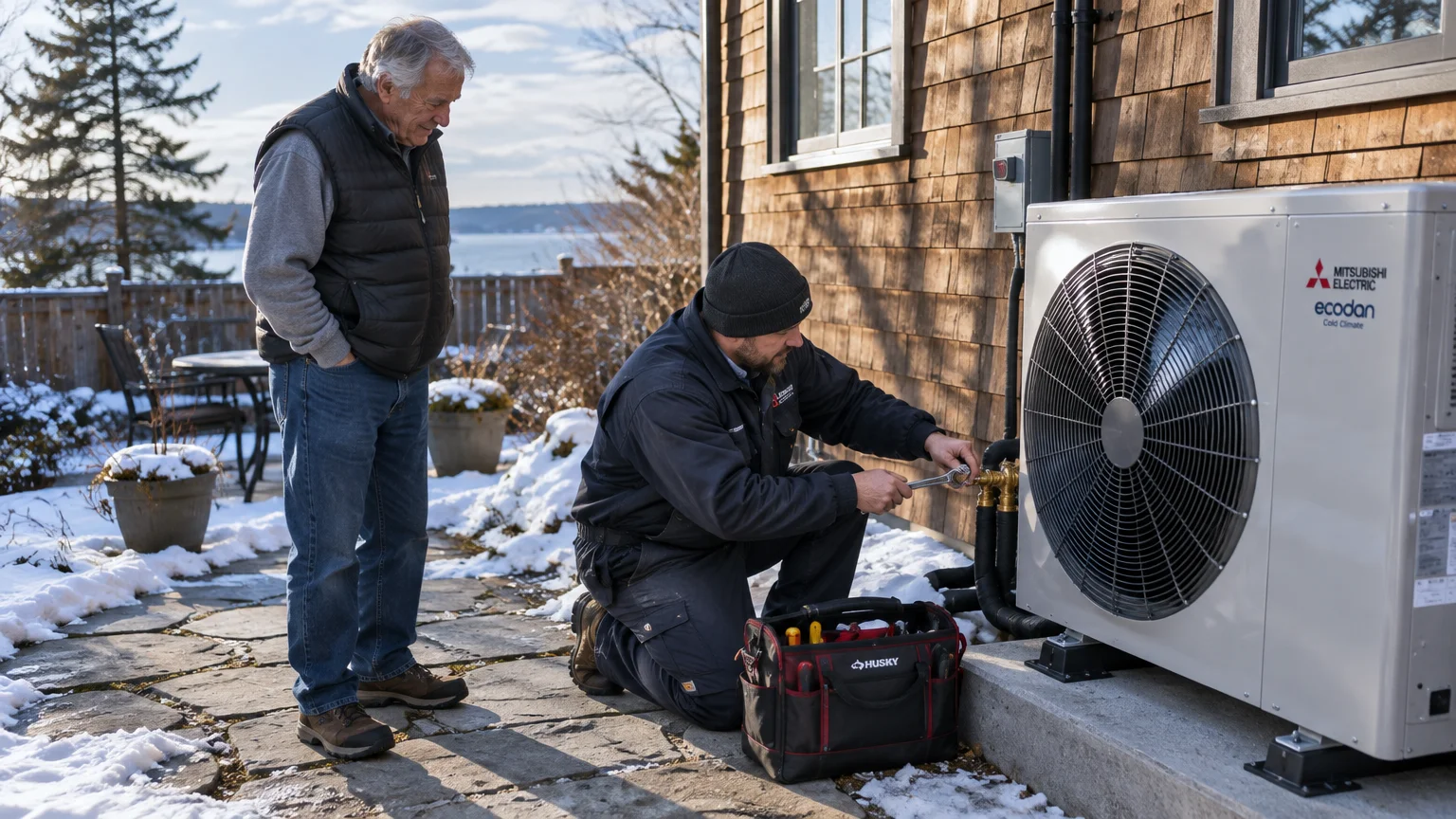
Homeowners can claim up to $1,200 annually for installing qualifying insulation, air-sealing materials, and high-efficiency gas furnaces. Qualified electric heat pump installations qualify for an expanded annual credit limit up to $2,000.
Retirees must recognize that Section 25C provides a nonrefundable tax credit rather than a cash refund. The credit offsets federal income tax liability dollar-for-dollar, but it does not return money if your tax liability is zero.
Retirees whose sole income comes from non-taxable Social Security benefits cannot use this credit to generate cash. However, pre-retirees and seniors with taxable pension or retirement account distributions can use it to lower tax bills.
Review current credit requirements on the Internal Revenue Service site before making major heating system purchases. Keep all store receipts and manufacturer certification statements showing your materials meet efficiency standards.
Frequently Asked Questions
Does budget billing lower my total annual heating costs?
No, budget billing does not reduce the dollar amount you pay for energy. It spreads your estimated annual fuel costs evenly across 12 months to eliminate sharp winter spikes.
What happens if I use more heating fuel than estimated on budget billing?
Your utility tracks the difference between what you pay and what you burn. At your plan’s annual true-up month, the utility bills you for the full unpaid balance on one statement.
What is the safest minimum thermostat setting for seniors during cold weather?
The National Institute on Aging recommends keeping living areas at 65°F to 68°F minimum. Setting thermostats lower increases the risk of indoor hypothermia for older adults.
Can I get heating assistance if my income exceeds standard welfare thresholds?
Yes, LIHEAP allows states to set eligibility caps up to 60% of your State Median Income. In many areas, this threshold allows moderate-income seniors on fixed pensions to qualify.
Do window insulation film kits really make a noticeable difference?
Yes, clear shrink-wrap kits reduce drafts significantly by creating an insulating pocket of still air. They stop direct cold airflow and can lower window heat loss by up to 35%.
Disclaimer: This article is for informational purposes only. Benefits, programs, and regulations can change.
We encourage readers to verify current information with official government sources and consult with qualified professionals for personalized advice.


