

Maintaining independence in retirement often hinges on your ability to get where you need to go. Reliable transportation ensures you attend medical appointments, shop for groceries, visit friends and family, and participate in community activities.
Losing the ability to drive, or simply choosing not to, does not mean losing your mobility. Many resources and services exist to help seniors navigate their communities easily and affordably.
This guide explores various senior transportation options, from public transit to specialized ride services, offering practical steps to access them. You will learn how to find local programs and financial aid, helping you maintain your freedom and stay connected.
In this guide10 sections
- The Importance of Independent Mobility for Seniors
- Understanding Your Local Transportation Options
- Navigating Public Transit Systems
- Leveraging Ride-Sharing Services: Uber and Lyft
- Non-Emergency Medical Transportation (NEMT)
- Community and Paratransit Services
- Finding Local Senior Transportation Programs
- Financial Assistance for Transportation Costs
- Planning Your Personalized Transportation Strategy
- Frequently Asked Questions

The Importance of Independent Mobility for Seniors
Independent mobility is a cornerstone of a fulfilling retirement. It allows you to manage daily errands and personal appointments without relying entirely on others.
Access to reliable transportation directly impacts your health, social engagement, and overall quality of life.
Many seniors find that as they age, driving becomes more challenging or less desirable. Declining vision, slower reaction times, and certain medical conditions can make driving risky.
Choosing not to drive is a responsible decision, but it requires a solid plan for getting around. Statistics show that a significant percentage of older adults eventually stop driving, highlighting the widespread need for alternative solutions.
A 2021 study by the AAA Foundation for Traffic Safety found that older adults are more likely to limit their driving as they age, with many stopping altogether by their late 70s or early 80s.
This transition necessitates exploring and understanding the robust network of transportation assistance available to you.
Understanding Your Local Transportation Options
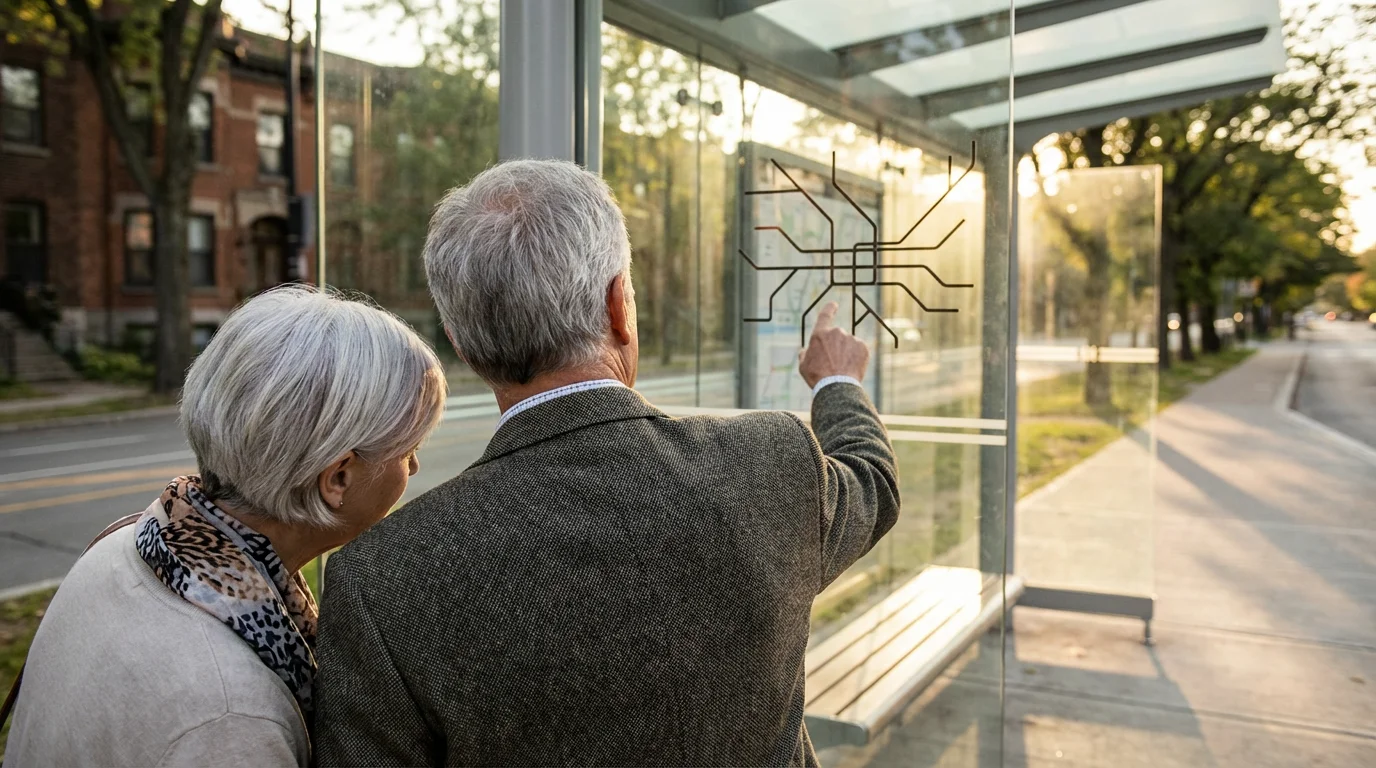
Your community likely offers a variety of transportation solutions designed to meet the diverse needs of seniors. These options can range from publicly funded services to private, on-demand rides.
Understanding what is available locally helps you piece together an effective strategy for your mobility needs.
Exploring various senior transportation options allows you to maintain your lifestyle even when you are no longer behind the wheel.
Different areas have different levels of service. Urban areas typically feature more robust public transit and ride-sharing availability, while rural communities might rely more on specialized programs or volunteer networks.
Researching your specific locale is the first crucial step.
You may find that a combination of several services works best. For instance, you might use public transit for regular appointments and a ride-sharing service for occasional special events.
This flexible approach ensures you always have a way to get where you need to go.
Navigating Public Transit Systems
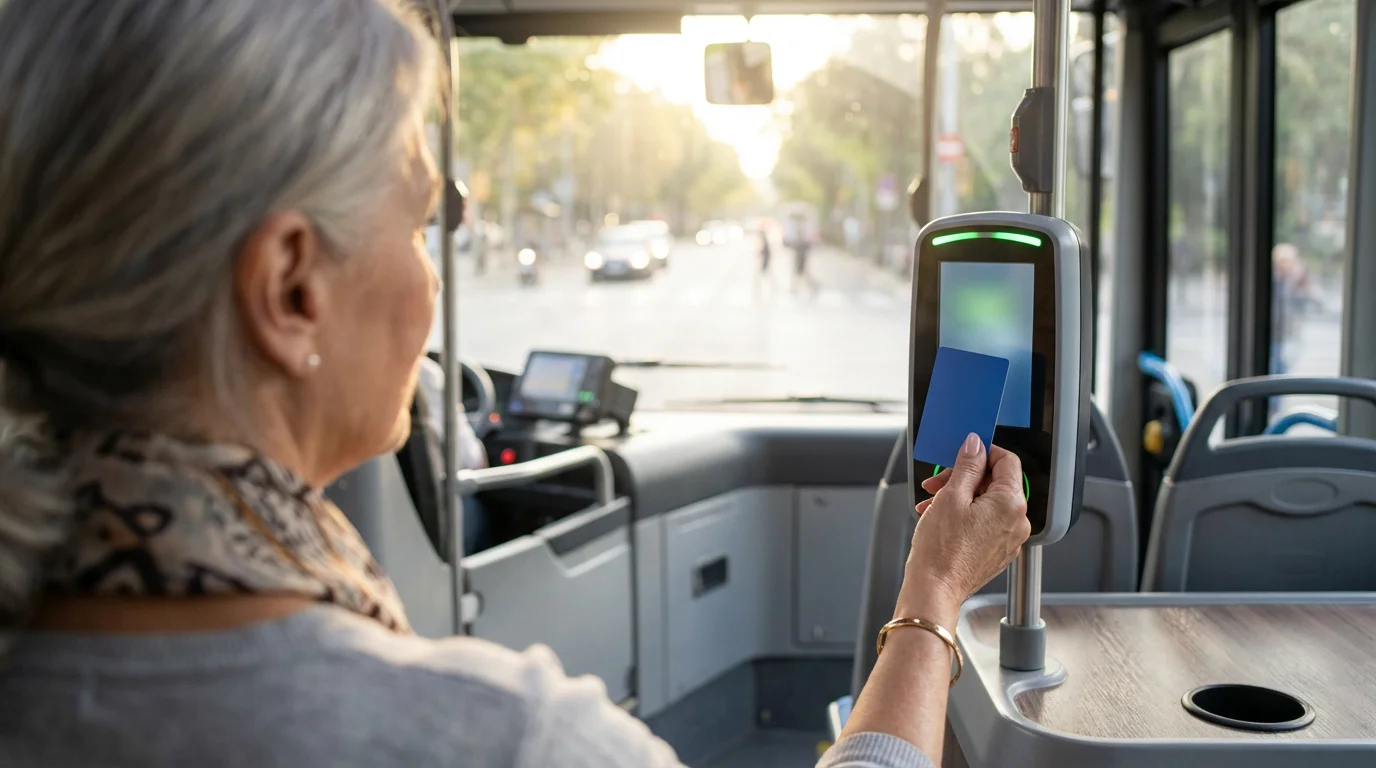
Public transit, including buses, subways, and light rail, offers an affordable and environmentally friendly way to travel. Many public transportation agencies provide significant discounts for seniors, making it an excellent option for regular trips.
Senior Discounts and Passes
Most public transit systems offer reduced fares or special passes for individuals aged 60, 62, or 65 and older. Eligibility requirements vary by locality, so check your local transit authority’s website.
You often need to present a valid ID to prove your age and residency.
- Reduced Fares: Many systems offer half-price fares or heavily discounted monthly/annual passes for seniors.
- Special Senior Passes: Some cities provide dedicated senior passes that allow unlimited rides for a set period.
- Medicare Beneficiary Discounts: In some areas, showing your Medicare card can qualify you for reduced fares, regardless of age.
Always verify the specific age requirements and application process with your local transit provider. A quick phone call or visit to their website typically provides all the necessary details.
Accessibility Features
Modern public transit vehicles prioritize accessibility. Buses often have ramps or lifts, and many trains feature level boarding.
These features make it easier for individuals using wheelchairs, walkers, or other mobility aids to board and exit.
Most vehicles also include priority seating areas near the front for seniors and individuals with disabilities. Drivers are usually trained to assist passengers with boarding and securing mobility devices.
Do not hesitate to ask for help if you need it.
Tips for Using Public Transit
Public transit can feel daunting at first, but with a little planning, it becomes second nature.
- Plan Your Route: Use online trip planners (many transit agencies have them) or apps like Google Maps to find the best routes and schedules.
- Travel During Off-Peak Hours: Buses and trains are less crowded during non-commute times, offering a more comfortable experience.
- Carry Identification: Always have your senior ID or Medicare card ready to show for discounted fares.
- Familiarize Yourself with Stops: Know your origin and destination stops in advance. Many vehicles announce stops or display them electronically.
- Ask for Help: Bus drivers, station attendants, and even fellow passengers are often willing to assist if you have questions or need direction.
Leveraging Ride-Sharing Services: Uber and Lyft
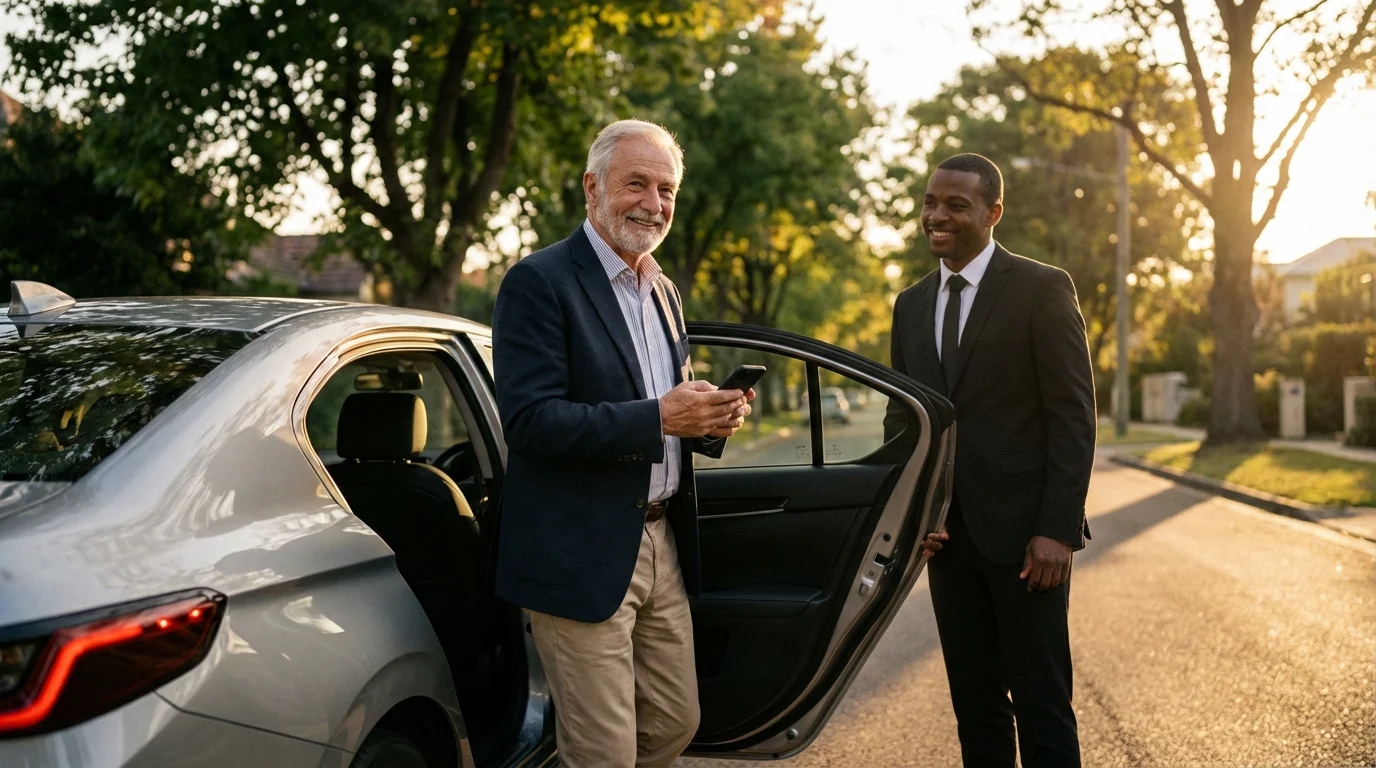
Ride-sharing services like Uber and Lyft offer on-demand transportation through smartphone apps. They provide convenience, door-to-door service, and often quicker travel times than public transit.
While typically more expensive than public transit, they can be a cost-effective alternative to traditional taxis.
How Ride-Sharing Works
You request a ride through an app on your smartphone, and a nearby driver comes to your location. The app shows you the estimated fare, driver details, and vehicle information before you confirm the ride.
Payment processes automatically through the app using a linked credit card or payment method.
If you do not own a smartphone or prefer not to use apps, some services offer a “call-a-ride” option through partnerships with senior organizations or dedicated phone lines.
For example, some local Area Agencies on Aging or senior centers might have programs that facilitate booking Uber or Lyft rides for you.
Safety Tips for Seniors Using Ride-Sharing
Prioritizing your safety when using ride-sharing services is important.
- Verify Your Ride: Before entering the vehicle, confirm the driver’s name, car make and model, and license plate number match what the app displays.
- Ride in the Back Seat: Sitting in the back seat offers more personal space and a clearer view of your surroundings.
- Share Your Trip Details: Many apps allow you to share your real-time location and estimated arrival time with a trusted family member or friend.
- Communicate with Your Driver: Do not hesitate to tell your driver your preferred route or if you need assistance with luggage.
- Provide Feedback: Use the app to rate your driver and provide feedback after each trip. This helps maintain service quality and safety standards.

Non-Emergency Medical Transportation (NEMT)
Non-Emergency Medical Transportation (NEMT) helps you get to and from medical appointments when you have no other way to travel. This service is crucial for maintaining your health, especially if you have chronic conditions requiring regular care.
Medicare Coverage for NEMT
Original Medicare (Part A and Part B) generally does not cover NEMT, except in very specific circumstances, such as ambulance services when medically necessary. However, many Medicare Advantage (Part C) plans now include NEMT as an extra benefit.
These plans are offered by private companies approved by Medicare.
If you have a Medicare Advantage plan, contact your plan provider directly to inquire about their NEMT benefits. They can explain eligibility, limitations (like a certain number of rides per year), and how to schedule transportation.
You might need pre-approval from your plan or a doctor’s referral.
Medicaid Coverage for NEMT
Medicaid programs in every state are required to cover NEMT for eligible beneficiaries. This coverage ensures that individuals who qualify for Medicaid can access necessary medical care, regardless of their ability to drive or afford transportation.
Medicaid NEMT can include rides to doctor’s offices, hospitals, pharmacies, and other medical facilities.
To access Medicaid NEMT, contact your state’s Medicaid agency or the managed care organization through which you receive your Medicaid benefits. They will guide you through the process, which usually involves verifying your eligibility and scheduling rides.
Types of transportation can vary, including rides in cars, vans, or even stretcher services if needed.
“Maintaining your health is paramount in retirement. Do not let transportation barriers prevent you from attending necessary medical appointments.
Many programs exist to help you bridge this gap.”

Community and Paratransit Services
Many communities offer specialized transportation services tailored for seniors and individuals with disabilities. These often fill gaps left by traditional public transit or ride-sharing options, providing more personalized and accessible assistance.
In addition to local help, you can look for regional assistance in our state-specific benefits directory for older Americans.
ADA-Mandated Paratransit
The Americans with Disabilities Act (ADA) mandates that public transit agencies provide paratransit services for individuals with disabilities who cannot use fixed-route bus or rail service.
Paratransit services typically offer door-to-door or curb-to-curb shared rides within a specific service area and during the same hours as fixed-route transit.
To qualify for ADA paratransit, you must undergo an application process to determine your eligibility based on your disability and ability to use regular public transit. Once approved, you can typically book rides in advance.
Contact your local public transit agency for details on their paratransit program.
Local Senior Centers and Area Agencies on Aging (AAAs)
Senior centers are invaluable local resources. Many operate their own transportation programs, often using vans or shuttles to transport seniors to the center for activities, local shopping, or medical appointments.
These services are often low-cost or free, supported by local government or grants.
Area Agencies on Aging (AAAs) are federally mandated organizations that coordinate services for older adults at the local level. AAAs can connect you with transportation programs in your area, including those provided by senior centers, non-profits, and volunteer networks.
They are excellent first points of contact for exploring senior-specific options. You can find your local AAA through the Eldercare Locator, a service of the U.S. Administration for Community Living.
Volunteer Driver Programs
Numerous non-profit organizations and faith-based groups run volunteer driver programs. These programs recruit volunteers who use their personal vehicles to provide rides to seniors, often for medical appointments, grocery shopping, or social events.
Services are typically free or require a small, suggested donation.
Volunteer programs offer a personalized touch, as drivers often provide assistance beyond just the ride, such as helping with groceries. Availability and scope vary widely by community, so local research is key.
Your local AAA or senior center can often point you to these valuable programs.

Finding Local Senior Transportation Programs
Discovering the specific transportation options available in your community requires targeted research. Several national resources can help you pinpoint local programs designed to assist seniors with their mobility needs.
Eldercare Locator
The Eldercare Locator, a public service of the U.S. Administration for Community Living, serves as a national resource for connecting older adults and their caregivers with local support services.
You can use their website or call their toll-free number to find Area Agencies on Aging, senior centers, and other local organizations that offer transportation assistance. Simply enter your ZIP code or city and state to get started.
Benefits.gov
Benefits.gov is an official U.S. government website that provides a comprehensive, centralized online resource for information on federal, state, and local government benefits. You can use their “Benefit Finder” tool to answer a series of questions about your situation.
The tool then generates a customized list of benefits you might be eligible for, including transportation assistance programs.
NCOA BenefitsCheckUp
The National Council on Aging (NCOA) offers a free online service called BenefitsCheckUp. This tool helps you find federal, state, and private benefits programs, including those for transportation, prescription drugs, food, and utilities.
You answer confidential questions, and the site generates a report of programs you may qualify for, along with instructions on how to apply.
Contacting Your Local City or County Government
Do not overlook your local government’s resources. Your city or county’s official website often lists departments dedicated to senior services or public transit.
These sites can provide direct links to local programs, contact information for senior centers, and details on local transportation initiatives. A simple search for “senior transportation [your city/county]” can yield valuable results.
Remember that programs vary significantly from one location to another. What is available in a large metropolitan area might differ from what you find in a smaller town or rural setting.
Always verify eligibility requirements, service areas, and current availability directly with the program providers.

Financial Assistance for Transportation Costs
Paying for transportation can become a significant expense, especially for seniors on fixed incomes. Fortunately, various programs offer financial aid to help reduce or eliminate these costs, ensuring that budget constraints do not limit your mobility.
Medicaid and Non-Emergency Medical Transportation
As previously mentioned, Medicaid is a critical source of financial assistance for NEMT. If you qualify for Medicaid, your state’s program will cover rides to medical appointments.
This benefit directly addresses a major transportation need for many seniors, helping them manage their health without financial burden.
Veterans Benefits
Veterans may qualify for transportation assistance through the Department of Veterans Affairs (VA). The VA provides beneficiary travel services to eligible veterans for approved health care appointments.
This can include reimbursement for mileage, use of VA-provided vehicles, or public transportation. Contact your local VA facility or benefit coordinator to understand your eligibility and how to access these services.
Local Grants and Subsidies for Public Transit
Many local governments and non-profit organizations offer grants or subsidies specifically for seniors to cover public transit passes or ride vouchers. These programs aim to make public transportation more accessible and affordable for older adults.
You might find these through your local senior center, Area Agency on Aging, or city hall.
AARP Driver Safety Program
While not direct financial assistance for transportation, the AARP Driver Safety Program can indirectly save you money. Completing this course can qualify you for a multi-year discount on your auto insurance premium.
This is helpful if you still own and drive a car, as it reduces your overall vehicle operating costs, freeing up funds for other transportation needs.
Exploring these financial assistance options can significantly ease the burden of transportation costs. Do not hesitate to inquire about all available programs, as even small savings add up over time.

Planning Your Personalized Transportation Strategy
Creating a personalized transportation strategy ensures you have reliable ways to get around, regardless of your driving status. This involves assessing your needs, understanding available resources, and combining various options for maximum flexibility.
Assess Your Needs and Priorities
Start by evaluating your typical transportation requirements. Consider:
- Frequency of travel: How often do you need to go out each week?
- Purpose of travel: Is it for medical appointments, groceries, social events, or a mix?
- Distance and destination: Do you need to travel short distances within your neighborhood or longer distances across town?
- Accessibility requirements: Do you use a wheelchair, walker, or need assistance boarding vehicles?
- Budget: How much are you willing and able to spend on transportation each month?
Documenting these needs provides a clear picture of what you require from a transportation plan.
Combine Various Options
A multi-modal approach often proves most effective. Relying on a single transportation method might leave you stranded if that service is unavailable.
Consider combining:
- Public transit for routine, predictable trips, leveraging senior discounts.
- Ride-sharing services for spontaneous outings or when public transit routes are inconvenient.
- Volunteer driver programs for specific needs, such as medical appointments, where personalized assistance is beneficial.
- Community shuttles or senior center vans for local errands and social activities.
- Family and friends for occasional rides, especially for larger shopping trips or special events.
This layered approach builds resilience into your transportation plan.
Budgeting for Transportation
Incorporate transportation costs into your monthly budget. While some services are free, others, like ride-sharing, incur costs.
Estimate your potential expenses for each service you plan to use. This helps you manage your finances and ensures you do not overspend.
Look for opportunities to save, such as purchasing monthly public transit passes if they offer better value than single fares. Factor in any potential financial assistance programs you might qualify for, reducing your out-of-pocket expenses.
Communicate with Family and Friends
Openly discuss your transportation needs with family members and close friends. They might be willing to offer rides, particularly for important appointments or social gatherings.
Establishing clear expectations and schedules prevents misunderstandings and ensures you receive the support you need.
Consider using shared online calendars or messaging apps to coordinate rides with your support network. This makes scheduling easier for everyone involved.
Having these conversations proactively helps build a strong support system for your mobility.
Frequently Asked Questions
How do I find senior discounts on public transit?
Contact your local public transit agency directly. Their website or customer service line will provide specific information on age requirements, necessary identification, and how to apply for reduced fares or senior passes.
Many systems offer discounts starting at age 60 or 65, with some accepting a Medicare card as proof of eligibility.
Does Medicare cover transportation?
Original Medicare (Part A and Part B) generally does not cover non-emergency transportation, aside from medically necessary ambulance services. However, many Medicare Advantage (Part C) plans offer Non-Emergency Medical Transportation (NEMT) as an additional benefit.
Check with your specific Medicare Advantage plan provider to understand their NEMT coverage and how to access it.
What if I live in a rural area with few transportation options?
Rural areas often have fewer traditional public transit options. In these cases, focus on specialized services.
Contact your local Area Agency on Aging (AAA) or use the Eldercare Locator to find volunteer driver programs, non-profit transportation services, or specific rural transit initiatives in your county. Some community health centers also offer patient transportation services.
Are ride-sharing services safe for seniors?
Ride-sharing services like Uber and Lyft generally maintain safety standards, but it is important to take precautions. Always verify the driver’s name, vehicle make/model, and license plate through the app before entering the car.
Share your trip details with a trusted contact. Many seniors use these services safely and find them very convenient for door-to-door transportation.
Where can I get help applying for transportation assistance?
Your local Area Agency on Aging (AAA), senior center, or a social worker can provide guidance and assistance with applications for various transportation programs.
Websites like Benefits.gov and NCOA’s BenefitsCheckUp also help you identify programs and provide information on how to apply for them.
Disclaimer: This article is for informational purposes only. Benefits, programs, and regulations can change.
We encourage readers to verify current information with official government sources and consult with qualified professionals for personalized advice.


1 Comment