

Navigating retirement often brings new questions about support and resources. You may wonder what programs exist to help with daily living, nutrition, or even finding social connections.
The Older Americans Act (OAA), a landmark piece of legislation passed in 1965, forms the foundation of many vital senior services in your community. It provides funding for a broad range of programs that address the practical needs of older Americans.
This article explains what the OAA is, how it benefits you, and what programs are funded by the OAA. We will cover how to access these services, whether you are looking for nutritious meals, help with transportation, or support for a caregiver.
Understanding this act empowers you to utilize the resources designed to enhance your quality of life in retirement.
In this guide7 sections

What is the Older Americans Act (OAA)?
The Older Americans Act (OAA) is a federal law that provides funding for a wide array of social and nutrition services for older adults.
Congress passed the OAA in 1965 in response to a recognized need to support the well-being of the nation’s growing senior population. It establishes a framework for states and communities to deliver services that help older Americans maintain independence and quality of life.
While the OAA provides social support, understanding your Social Security eligibility is equally vital for managing your retirement finances.
The Administration for Community Living (ACL), an agency of the U.S. Department of Health and Human Services, spearheads the OAA’s implementation. This agency works with state and local Area Agencies on Aging (AAAs) to distribute funds and coordinate services.
Every four to five years, Congress reauthorizes the OAA, reviewing and updating its provisions to meet the evolving needs of older adults.
The OAA aims to ensure older Americans have access to services that prevent institutionalization and support their ability to live independently in their homes and communities. It champions dignity, independence, and choice for older adults.
The law’s reach extends to every community across the United States, making a tangible difference in millions of lives.
“The best way to find yourself is to lose yourself in the service of others.” — Mahatma Gandhi

Key Programs and Services Funded by the OAA
The OAA funds a diverse range of programs, categorized into various titles and sections, each addressing specific needs. These programs are delivered at the local level through a network of Area Agencies on Aging (AAAs) and their partner organizations.
Understanding these core offerings helps you identify which resources can benefit you or your loved ones.
Beyond health and nutrition, the act also supports workforce training through the Senior Community Service Employment Program.
Nutrition Services
One of the most well-known and essential components of the OAA is its nutrition program. This program ensures older adults have access to healthy, affordable meals, directly combating food insecurity and malnutrition.
The OAA specifically funds two main types of nutrition services:
- Congregate Meals: These meals are served in group settings, such as senior centers, churches, or community halls. They provide a nutritious meal and offer valuable opportunities for socialization and community engagement, reducing isolation. Many seniors rely on these daily gatherings for their primary meal and social interaction.
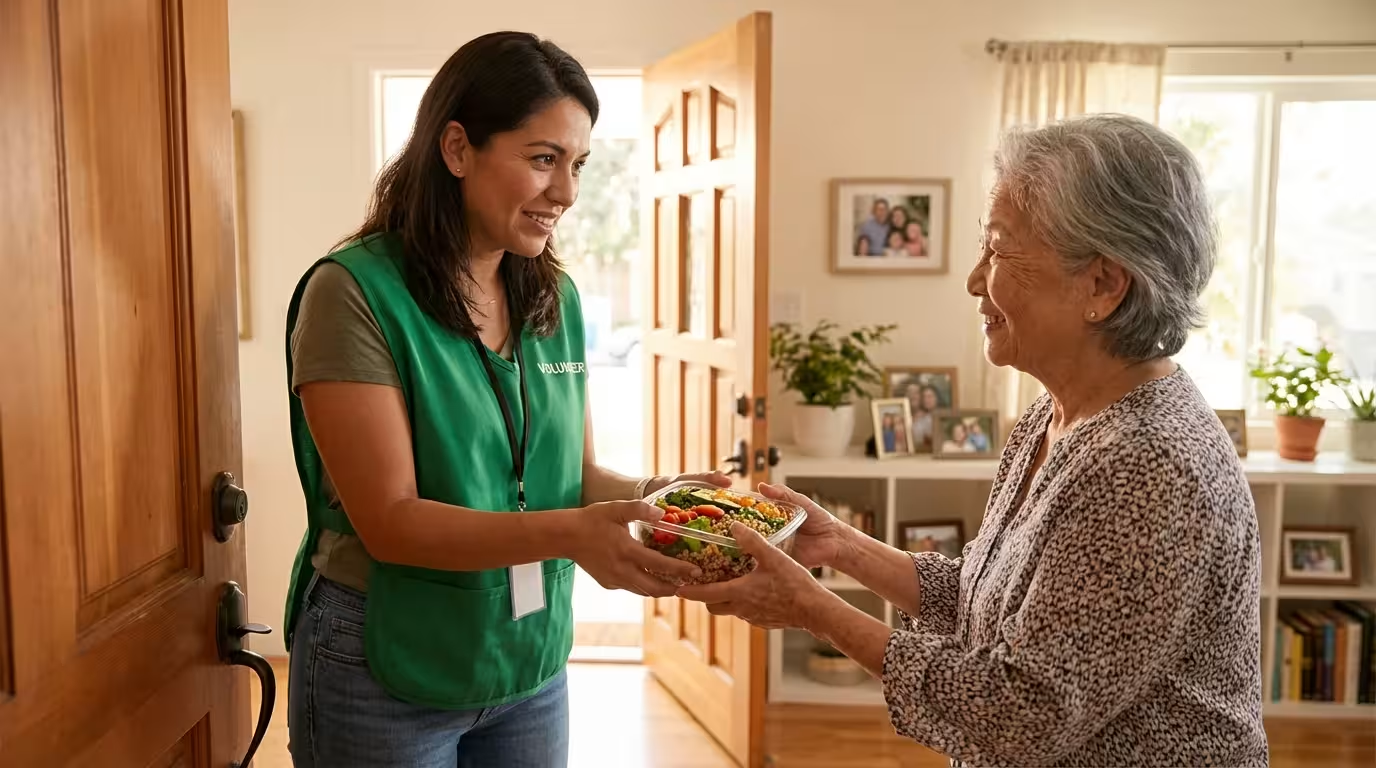
- Home-Delivered Meals (Meals on Wheels): For homebound older adults, Meals on Wheels delivers nutritious meals directly to their residences. These programs often provide more than just food, offering a daily safety check and a friendly face. The delivery person can be the only person some seniors see all day, providing crucial social contact.
In 2021, OAA nutrition programs provided over 210 million meals to more than 2.8 million older adults across the country, according to the Administration for Community Living. These programs are vital in addressing nutritional needs and promoting overall well-being.
Supportive Services and Senior Centers
The OAA provides funding for various supportive services that help older adults live independently. These services are often coordinated through local senior centers, which act as hubs for community activity and support.
Consider these examples:
- Transportation Services: Many older adults face challenges with transportation, impacting their ability to access medical appointments, grocery stores, or social events. OAA funds support local transportation programs, including rides to essential services. These programs remove a significant barrier to maintaining independence.
- Homemaker and Chore Services: Help with household tasks, such as light cleaning, laundry, or yard work, is available for older adults who struggle with physical limitations. These services allow seniors to stay in their homes safely and comfortably.
- Information and Referral: Area Agencies on Aging offer critical information about available services, helping older adults and their families find local, state, and federal programs. They act as a central point of contact for inquiries.
- Legal Assistance: OAA programs fund legal aid services specifically for older adults. This includes help with issues like benefits claims, housing problems, consumer fraud, and preparing advance directives.
Senior centers, often funded in part by the OAA, serve as vibrant community resources. They offer a range of activities, including exercise classes, health screenings, educational workshops, and social events.
These centers are essential for fostering social connections and active aging.
Disease Prevention and Health Promotion
The OAA emphasizes proactive health management for older adults. It funds programs designed to prevent diseases, manage chronic conditions, and promote overall health and wellness.
These initiatives help seniors live healthier, more active lives.
Examples of these programs include:
- Evidence-Based Health Programs: These often include programs focused on managing chronic conditions like diabetes or arthritis. They teach practical skills for self-management, healthy eating, and physical activity.
- Flu Shot Clinics and Health Screenings: OAA funding supports community-based clinics that provide preventive health services, such as vaccinations and screenings for conditions like high blood pressure or diabetes.
- Physical Activity and Wellness Programs: Classes such as tai chi, yoga, or walking clubs are often available through senior centers or community organizations. These programs promote physical fitness and mental well-being.
How the OAA Supports Your Daily Life
The impact of the OAA extends beyond specific services, directly touching various aspects of your daily life. It provides a safety net and a network of support designed to keep you engaged, healthy, and independent.
For those needing help with utility bills, the LIHEAP program provides essential energy assistance to keep homes safe and comfortable.
Maintaining Independence at Home
The OAA is crucial for helping you age in place. The supportive services funded by the OAA directly assist you in remaining in your home rather than needing to move to a care facility.
Home-delivered meals, transportation assistance, and help with household chores all contribute to your ability to live independently in familiar surroundings. This support can delay or even prevent the need for more intensive care.
Combating Social Isolation
Loneliness and social isolation are significant health concerns for older adults. OAA programs actively combat these issues.
Congregate meal sites and senior centers provide built-in opportunities for social interaction, fostering friendships and a sense of community. Participating in these activities can significantly improve your mental and emotional well-being.
The regular contact from Meals on Wheels deliveries also provides valuable social connection.
Empowering Healthy Aging
The OAA’s emphasis on disease prevention and health promotion directly empowers you to take charge of your health. By participating in evidence-based health programs, you gain knowledge and skills to manage chronic conditions, improve your diet, and increase physical activity.
This proactive approach to health can lead to a higher quality of life and reduced healthcare costs over time.
Protecting Your Rights
The OAA includes provisions for Elder Justice initiatives, which protect older adults from abuse, neglect, and exploitation. It funds programs like the Long-Term Care Ombudsman Program, which advocates for residents of nursing homes and assisted living facilities.
This ensures your rights are protected, and you have an advocate if you encounter issues with care or treatment. Legal assistance programs also offer vital support in protecting your rights related to consumer issues, benefits, or housing.

Eligibility and Accessing OAA Services
One of the strengths of the Older Americans Act is its broad eligibility criteria. OAA programs are generally available to individuals aged 60 and older, regardless of income.
While specific programs may prioritize individuals with the greatest social and economic need, the fundamental access is not tied to a strict income threshold. This inclusive approach ensures a wider range of seniors can benefit.
In addition to federal support, you can explore state-specific benefits for seniors to find programs unique to your home state.
Finding Services in Your Community
Accessing OAA services is designed to be straightforward. The primary gateway to these resources is the Eldercare Locator, a public service of the U.S. Administration for Community Living.
You can visit the Eldercare Locator website or call them directly. They connect you with your local Area Agency on Aging (AAA) or other aging service providers.
Your local Area Agency on Aging serves as a central hub for information and assistance. They can:
- Provide detailed information on all OAA-funded programs in your area.
- Assess your specific needs and recommend suitable services.
- Help you apply for various programs.
- Connect you with other local resources, even those not directly OAA-funded.
Key Steps to Access Services:
- Contact the Eldercare Locator: Visit eldercare.acl.gov or call 1-800-677-1116.
- Speak with Your Local AAA: Once connected, explain your needs. Be prepared to discuss your living situation, health, and any specific challenges you face.
- Discuss Eligibility: While age 60+ is the general rule, some programs may have specific requirements or focus on those with greater need. Your AAA can clarify these details.
- Enroll in Programs: The AAA will guide you through the enrollment process for programs like home-delivered meals, transportation, or senior center activities.
Do not hesitate to reach out. These agencies exist to help you find the support you need to thrive in retirement.
Many services are provided at no cost, or on a voluntary contribution basis, meaning you contribute what you can afford.

The OAA and Caregiver Support
The Older Americans Act recognizes the immense value and often overwhelming challenges faced by family caregivers. It includes specific provisions to support individuals who care for older adults.
The National Family Caregiver Support Program (NFCSP), established under the OAA, provides services to family caregivers of older adults and grandparents or older relatives raising children.
If you are a caregiver, these OAA-funded programs can offer vital assistance. Caregivers provide an estimated $600 billion in unpaid care annually in the United States, according to AARP.
This highlights the critical need for programs that support them.
Services Available to Caregivers:
- Information and Assistance: Caregivers can access information about available services, resources, and support groups in their community. Your local AAA is a key resource for this information.
- Counseling and Support Groups: These services provide emotional support, coping strategies, and opportunities for caregivers to share experiences with others facing similar challenges. Connecting with peers can significantly reduce feelings of isolation.
- Respite Care: This crucial service offers temporary relief for caregivers, allowing them to take a break from their caregiving responsibilities. Respite care can be provided in the home, at an adult day center, or in a facility. It helps prevent caregiver burnout.
- Caregiver Training: Programs offer training to help caregivers better perform their duties, covering topics like managing difficult behaviors, understanding medical conditions, or safely assisting with mobility.
The OAA aims to strengthen the support system for caregivers, acknowledging their pivotal role in allowing older adults to remain at home.
If you are a caregiver, reaching out to your local Area Agency on Aging through the Eldercare Locator is an important first step to exploring these resources. They can connect you with programs specifically designed to ease your caregiving journey.

Advocacy and the Future of the OAA
The Older Americans Act has adapted over decades to meet changing demographics and needs. Its continued success relies on ongoing advocacy and public support.
As the population of older adults grows, so does the demand for OAA-funded services.
Why Advocacy Matters
Advocacy ensures that the OAA remains a priority for policymakers. When you advocate for the OAA, you support continued funding and expansion of essential services.
Organizations like AARP and the National Council on Aging actively champion the OAA, highlighting its importance to members of Congress. Your voice adds to this collective effort.
How You Can Support the OAA
You can play a role in advocating for the Older Americans Act. Consider these actions:
- Contact Your Elected Officials: Write letters or send emails to your U.S. Representatives and Senators. Share your personal stories about how OAA programs have benefited you or your family. Personal testimonials carry significant weight.
- Stay Informed: Understand upcoming reauthorizations and proposed changes to the OAA. The Administration for Community Living (ACL.gov) provides updates and information on the OAA and related policies.
- Support Local Agencies: Volunteer or donate to your local Area Agency on Aging or senior center. These local organizations are on the front lines of delivering OAA services.
- Join Advocacy Groups: Become a member of organizations like AARP or your state’s aging advocacy groups. These organizations often mobilize members for grassroots advocacy campaigns.
The OAA is a living document, evolving with each reauthorization. Your engagement helps ensure it continues to serve the needs of current and future generations of older Americans.
By understanding and supporting the OAA, you contribute to a stronger, more supportive future for older adults across the nation.
Frequently Asked Questions
Can I receive OAA services if I have a high income?
Yes, most Older Americans Act programs are available to individuals aged 60 and older regardless of income. While programs may prioritize those with the greatest economic or social need, you are generally eligible to participate.
Many services operate on a voluntary contribution basis, allowing you to contribute what you can afford.
How can I find out what programs are funded by the OAA in my specific area?
The best way to find local OAA-funded programs is through the Eldercare Locator. You can visit their website or call 1-800-677-1116.
They will connect you directly with your local Area Agency on Aging (AAA), which provides comprehensive information on all available services in your community.
Is the Older Americans Act related to Social Security or Medicare?
While all three are federal programs benefiting older adults, the Older Americans Act, Social Security, and Medicare serve different purposes. Social Security provides retirement, disability, and survivor benefits.
Medicare provides health insurance for individuals aged 65 and older, and some younger people with disabilities. The OAA focuses on providing supportive social and nutrition services, such as meals, transportation, and caregiver support, which complement the financial and health benefits of Social Security and Medicare.
What if I am a caregiver for an older adult? Does the OAA offer support for me?
Absolutely. The OAA includes the National Family Caregiver Support Program (NFCSP), specifically designed to assist family caregivers.
This program offers a range of services, including information and assistance, counseling, support groups, respite care, and caregiver training. Contact your local Area Agency on Aging via the Eldercare Locator to learn more about caregiver resources in your area.
Are OAA services free, or do I have to pay for them?
Many OAA services are provided at no direct cost to the participant, especially for older adults with limited income. However, some programs, particularly nutrition services, operate on a voluntary contribution basis.
This means you are encouraged to contribute what you can afford towards the cost of the service. No one is denied services based on an inability to contribute.
Legal assistance programs often have specific income guidelines but aim to serve those most in need.
Disclaimer: This article is for informational purposes only. Benefits, programs, and regulations can change.
We encourage readers to verify current information with official government sources and consult with qualified professionals for personalized advice.

2 Comments