

Navigating retirement often means adjusting to a fixed income. One of the most significant recurring expenses for many households is food.
Fortunately, you can effectively manage your grocery budget with smart planning and savvy shopping strategies. This guide provides practical steps and actionable insights to help you save money on groceries during retirement without sacrificing nutrition or enjoyment.
We empower you to make informed decisions that stretch your dollars further.
Using a proven framework like the 50/30/20 budgeting rule can help ensure your grocery spending remains in balance with your other financial needs.
Finding ways to implement simple lifestyle adjustments is key to maintaining financial freedom during retirement.
In this guide9 sections
- Understanding Your Grocery Budget
- Strategic Meal Planning and List Making
- Mastering Sales, Coupons, and Store Loyalty Programs
- Smart Choices for Produce, Proteins, and Pantry Staples
- Reducing Food Waste to Maximize Savings
- Exploring Senior Discounts and Assistance Programs
- Leveraging Technology for Smarter Shopping
- Cooking Smart: Batch Prep and Simple Recipes
- Frequently Asked Questions

Understanding Your Grocery Budget
The first step to saving money on food costs involves knowing exactly where your money goes. Many retirees find that tracking expenses reveals opportunities for significant savings.
A clear picture of your spending helps you set realistic goals and identify areas for improvement.
Beyond your trips to the store, reviewing your retirement budget every year allows you to adapt to changing market prices and income levels.
Developing a deeper understanding of your true expenses beyond the supermarket is essential for creating a sustainable long-term financial plan.
To begin, examine your past grocery receipts for the last few months. Categorize your purchases to see how much you spend on different items like fresh produce, meats, dairy, snacks, and prepared foods.
This analysis highlights your spending patterns and shows you exactly what items might be consuming a larger portion of your budget.
Once you understand your current spending, set a specific weekly or monthly grocery budget. You can use budgeting tools from resources like the Consumer Financial Protection Bureau to help manage your finances effectively.
Sticking to this budget requires discipline, but it provides a clear financial roadmap.

Strategic Meal Planning and List Making
Impulse buys are budget killers. A well-thought-out meal plan and a comprehensive shopping list prevent you from purchasing unnecessary items.
This strategy is one of the most effective ways to save money on groceries during retirement.
For those living with a partner, budgeting as a couple is a helpful way to coordinate your grocery lists and hit your shared savings goals together.
Here is how to approach meal planning:
- Review your pantry and refrigerator first. Use what you already have to inspire meals. This reduces waste and ensures you rotate your stock.
- Plan meals for the entire week. Consider breakfasts, lunches, dinners, and any snacks. Think about ingredients that can serve multiple purposes across different meals.
- Incorporate leftovers. Plan one meal to be intentionally large, providing lunch for the next day. This minimizes cooking time and food waste.
- Factor in seasonal produce. Seasonal fruits and vegetables are often less expensive and taste better.
After creating your meal plan, build a detailed grocery list. Stick to this list rigorously when you shop.
Organize your list by supermarket aisle or category (produce, dairy, frozen) to make your trip more efficient, preventing backtracking and impulse additions.
“A penny saved is a penny earned.” — Benjamin Franklin
This timeless wisdom applies directly to your grocery budget. Every small saving adds up significantly over time.

Mastering Sales, Coupons, and Store Loyalty Programs
Savvy shoppers always look for ways to reduce their out-of-pocket expenses. Taking advantage of sales, coupons, and store loyalty programs offers substantial savings.
This is a primary answer to what are the best grocery shopping strategies for seniors.
Here are key strategies:
- Read weekly circulars: Most grocery stores release weekly flyers detailing their sales. Plan your meals around items that are deeply discounted.
- Clip coupons wisely: Combine manufacturer coupons with store sales for maximum savings. Only clip coupons for items you regularly use or plan to buy.
- Join loyalty programs: Sign up for every grocery store’s loyalty card where you shop. These programs often provide exclusive discounts, points for future savings, and personalized offers based on your purchasing history.
- Use coupon apps: Many grocery chains offer digital coupons through their mobile apps. These often sync directly to your loyalty card.
- Understand pricing units: Always compare prices by unit (price per ounce or per pound) to determine the true value, especially with “buy one, get one free” offers. Sometimes the larger, non-sale item is still cheaper per unit.
Be cautious with sales. Do not buy an item just because it is on sale if you do not need it or will not use it before it expires.
This wastes money, not saves it.

Smart Choices for Produce, Proteins, and Pantry Staples
The types of items you choose significantly impact your grocery budget. Making smart selections in every aisle helps you control food costs.
Consider these tips:
- Fresh vs. Frozen vs. Canned Produce:
- Frozen fruits and vegetables: Often cheaper than fresh, especially out of season. They retain nutritional value and prevent waste since you use only what you need.
- Canned goods: Can be very economical for items like beans, tomatoes, and some vegetables. Rinse canned vegetables to reduce sodium content.
- Fresh produce: Buy in season. Focus on items you will consume quickly to avoid spoilage.
- Protein Power:
- Less expensive cuts of meat: Opt for chicken thighs instead of breasts, or ground turkey instead of ground beef. Slow cooking methods can tenderize tougher, more affordable cuts.
- Plant-based proteins: Lentils, beans, tofu, and eggs offer excellent nutritional value at a fraction of the cost of meat. Incorporate them into your weekly meal plan.
- Sales on meat: Buy meat in bulk when it is on sale and freeze it in meal-sized portions.
- Pantry Staples:
- Store brands: Generic or store-brand products are often significantly cheaper than national brands and frequently offer comparable quality. This is a straightforward way to save money on groceries during retirement.
- Bulk buying (selectively): For non-perishable items like rice, pasta, oats, and dried beans, buying in larger quantities can reduce the unit price. Ensure you have adequate storage and will use the product before it expires.
- Baking vs. Buying: Making your own bread, muffins, or cookies can be much cheaper than purchasing pre-made versions.
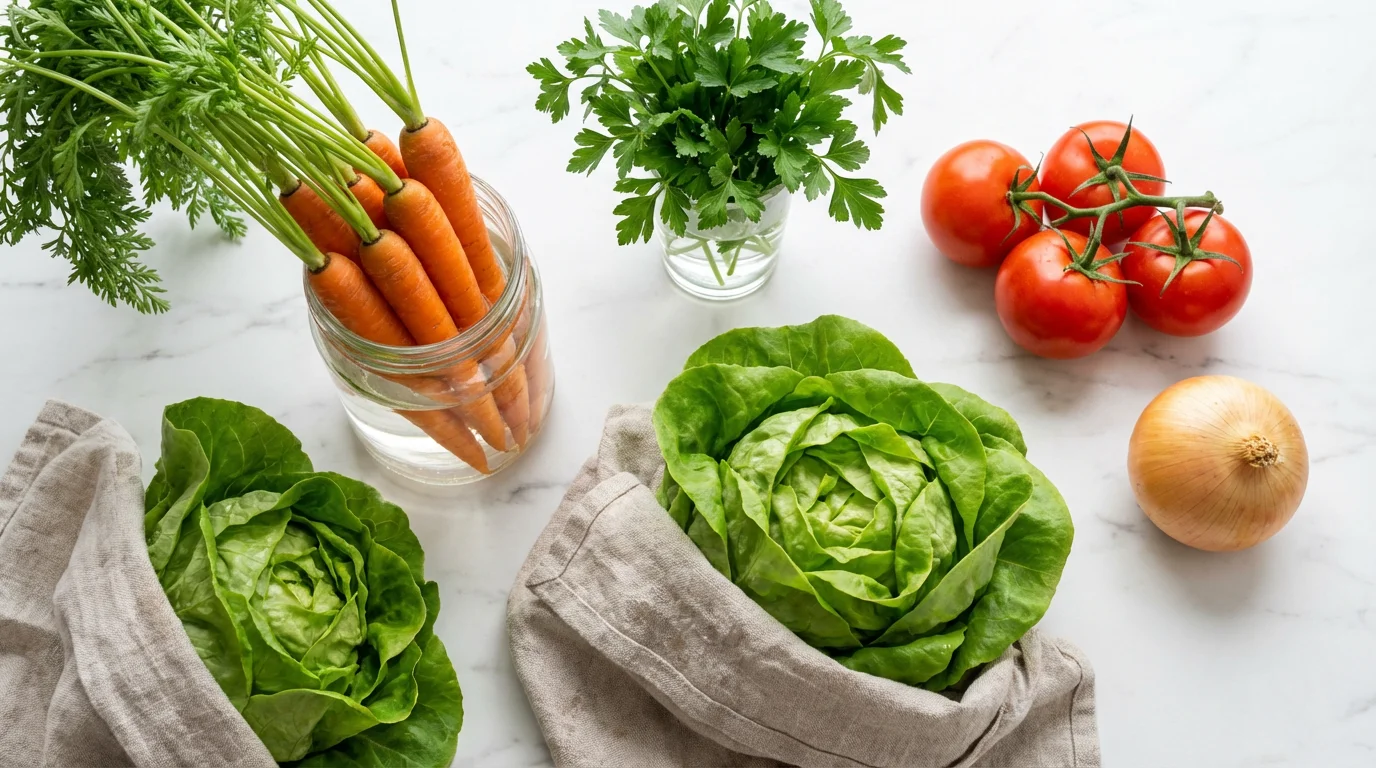
Reducing Food Waste to Maximize Savings
Food waste directly translates to wasted money. The average American household wastes a significant amount of food annually.
For retirees on a fixed income, minimizing waste is crucial for managing your grocery budget.
Here are practical steps to reduce food waste:
- Store food properly: Understand how to store different foods to extend their shelf life. Proper refrigeration, airtight containers, and appropriate pantry storage prevent spoilage.
- Understand “Use By” vs. “Best By” dates: “Best By” indicates quality, not safety. Many foods are perfectly safe to eat after their “Best By” date. “Use By” is generally more about safety.
- Re-purpose leftovers: Transform leftover chicken into a salad or soup. Stale bread can become croutons or breadcrumbs. Get creative with meal transformation.
- Freeze excess: If you find yourself with too much fresh produce or cooked meals, freeze them for later consumption. This prevents spoilage and provides quick meal options.
- Portion control: Cook appropriate portion sizes to avoid excess food. This helps manage your diet and reduces the likelihood of leftovers going bad.
By actively working to reduce waste, you ensure that every dollar you spend on groceries provides value.

Exploring Senior Discounts and Assistance Programs
Many resources exist specifically to help seniors reduce their food expenses. Leveraging these benefits can provide a much-needed boost to your grocery budget.
Consider the following options:
- Senior discounts at grocery stores: Many grocery chains offer a percentage discount on a specific day of the week for shoppers over a certain age. Ask at your local store’s customer service desk. Organizations like AARP often compile lists of such discounts.
- SNAP (Supplemental Nutrition Assistance Program): SNAP provides food benefits to low-income individuals and families. Many retirees are eligible. You can learn more about eligibility and apply through official sources like Benefits.gov.
- Senior Farmers’ Market Nutrition Program (SFMNP): This program provides low-income seniors with coupons to purchase fresh, unprepared, locally grown fruits, vegetables, honey, and herbs at farmers’ markets, roadside stands, and community supported agriculture (CSA) programs. Check with your state’s Department of Agriculture or health services for details.
- Local food banks and pantries: Many communities have food banks, pantries, and meal delivery services designed to assist seniors. Eldercare Locator or BenefitsCheckUp.org can help you find local resources.
- Community Senior Centers: Often, senior centers offer affordable or free congregate meals, reducing your need to prepare and purchase food for certain meals.
Always verify eligibility requirements and application processes with official program administrators or reputable non-profit organizations. These programs offer vital support, significantly impacting your food costs.

Leveraging Technology for Smarter Shopping
Technology offers powerful tools to enhance your grocery shopping strategies and further save money. Even if you are not tech-savvy, many options are user-friendly and provide immediate benefits.
Here are ways technology can help:
- Grocery store apps: Download your favorite grocery store’s app. These apps often feature digital coupons, personalized offers, loyalty program integration, and even online shopping and pickup options.
- Price comparison apps: Apps allow you to compare prices across different stores for specific items, ensuring you get the best deal.
- Meal planning apps: Some apps help you plan meals, create shopping lists, and track pantry inventory, streamlining your process.
- Online grocery shopping and delivery: While delivery fees can add up, some services offer free pickup options or discounted subscriptions for seniors. This can save you gas money and time, reducing impulse purchases by keeping you out of the store.
- Recipe websites and blogs: Utilize the vast amount of free recipes online, focusing on budget-friendly meals that use common ingredients.
Starting with just one or two apps related to your primary grocery store can make a substantial difference. These tools empower you to be a more informed and efficient shopper.

Cooking Smart: Batch Prep and Simple Recipes
Cooking at home almost always proves more economical than eating out or buying pre-made meals. Smart cooking techniques, like batch preparation, further enhance your savings.
This directly addresses how to save money on groceries during retirement.
Consider these cooking strategies:
- Batch cooking: Dedicate a few hours one day a week to cook larger quantities of staple foods. For example, cook a big batch of chicken, rice, or roasted vegetables. You can then use these components for various meals throughout the week, reducing daily cooking time and energy costs.
- Simple, versatile recipes: Focus on recipes with fewer ingredients that can be easily adapted. A basic chili or soup can use various vegetables and proteins.
- Embrace leftovers: Plan for meals that taste just as good, if not better, the next day. This maximizes your cooking effort and minimizes waste.
- Utilize kitchen appliances: Slow cookers, instant pots, and air fryers can make cooking more efficient and enjoyable. They often turn less expensive cuts of meat into tender, delicious meals.
- Cook from scratch: Preparing meals from basic ingredients is generally cheaper than buying convenience foods. For instance, making your own salad dressing costs less than buying bottled versions.
By adopting smart cooking habits, you gain more control over your food budget and enjoy healthier, home-cooked meals.
Frequently Asked Questions
How much should a retiree budget for groceries?
Grocery budgets vary widely based on location, dietary needs, and lifestyle. As a general guideline, a single retiree might spend between $250-$400 per month, while a couple could spend $450-$750.
You should track your current spending for a few months to establish a realistic baseline and then adjust based on your goals.
Are store brands really cheaper and good quality?
Yes, store brands, also known as generic or private label brands, are almost always cheaper than national brands, often by 15-30%. Many store brands are manufactured by the same companies that produce national brands.
Most consumers find their quality to be comparable, making them an excellent way to save money.
Where can seniors find grocery assistance?
Seniors can find grocery assistance through programs like the Supplemental Nutrition Assistance Program (SNAP), the Senior Farmers’ Market Nutrition Program (SFMNP), and local food banks or pantries.
Websites like Benefits.gov and NCOA BenefitsCheckUp.org can help you locate eligible programs and resources in your area.
Is it always better to buy in bulk?
Buying in bulk is beneficial for non-perishable items you use frequently, like rice, pasta, toilet paper, or cleaning supplies, as it often reduces the unit price. However, it is not always better.
For perishable goods, buying too much can lead to spoilage and waste, negating any savings. Always consider your storage space and consumption rate before buying in bulk.
How can I make my fresh produce last longer?
Proper storage is key. Refrigerate most fruits and vegetables, but store items like potatoes, onions, and tomatoes in a cool, dark pantry.
Keep fruits and vegetables that emit ethylene gas (like apples and bananas) separate from sensitive produce to prevent premature ripening. Wash produce just before use, not before storing it, as moisture can accelerate spoilage.
Disclaimer: This article is for informational purposes only. Benefits, programs, and regulations can change.
We encourage readers to verify current information with official government sources and consult with qualified professionals for personalized advice.



5 Comments