

Securing reliable, nutritious food becomes a significant concern for many Americans as they enter retirement. Fixed incomes, rising grocery costs, and unexpected medical expenses can stretch budgets thin.
The Supplemental Nutrition Assistance Program, widely known as SNAP, offers a vital lifeline. This program helps millions of individuals and families afford healthy food, and it specifically assists older adults in maintaining their nutritional well-being.
You may know SNAP by its former name, food stamps. It provides financial assistance directly to eligible low-income individuals and families, allowing them to purchase groceries.
For seniors, understanding and accessing these benefits can provide essential support, ensuring you put healthy meals on your table without undue financial strain. This guide walks you through the entire process, from understanding eligibility to submitting your application and maximizing your benefits.
In this guide8 sections
- Understanding SNAP: More Than Just Food Stamps
- Who Qualifies? Eligibility for Senior SNAP Benefits
- Income and Asset Rules for Seniors: What You Need to Know
- Gathering Your Documents: Preparing for Your Application
- The SNAP Application Process: A Step-by-Step Guide
- Maximizing Your SNAP Benefits: Tips for Seniors
- Finding Local Help: Support for Your Application
- Frequently Asked Questions

Understanding SNAP: More Than Just Food Stamps
SNAP operates as a federal program, administered by individual states. It aims to combat food insecurity by providing financial assistance to eligible households for purchasing food.
Instead of physical food stamps, the program now uses an Electronic Benefit Transfer, or EBT, card.
You use your EBT card much like a debit card at authorized grocery stores, farmers’ markets, and other food retailers. This system offers convenience and discretion, making it easier for you to shop for groceries.
The benefits help supplement your food budget, allowing you to buy more nutritious options.
For seniors, SNAP provides a critical layer of support. It ensures access to healthy foods, which helps maintain good health and independence.
Many seniors live on fixed incomes, and rising food costs can quickly erode their financial stability. SNAP directly addresses this challenge, helping you afford the essentials.

Who Qualifies? Eligibility for Senior SNAP Benefits
Determining eligibility for SNAP benefits involves several factors, with specific rules often applied to households with senior members. Your household’s income and assets play a significant role.
The primary goal is to assist those with limited financial resources in affording adequate nutrition.
Once you qualify, combining SNAP with healthy meal preparation can help you maintain a balanced diet on a budget.
You generally qualify for SNAP based on your household’s size, income, and certain expenses. Each state sets specific income and asset limits, though federal guidelines provide a framework.
For seniors, defined as individuals aged 60 and older, and people with disabilities, the rules often include more favorable considerations.
Here are the key factors that determine if you qualify for senior SNAP benefits:
- Age: You must be 60 years or older. This age threshold often grants access to special deductions and less stringent asset tests.
- Residency: You must live in the state where you apply.
- Citizenship/Immigration Status: You must be a U.S. citizen or a qualified non-citizen.
- Household Composition: Your application considers everyone who lives and buys/prepares food together as one household. If you live alone, you are a household of one.
- Income Limits: Your household’s gross and net monthly income must fall below specific thresholds. For households with an elderly or disabled member, the asset limit is often waived or set higher, and certain medical expenses can be deducted from income.
Many seniors mistakenly believe they do not qualify, but special provisions exist to help you. Do not hesitate to apply if you face challenges affording food.
The application process accounts for many of the unique financial situations seniors experience.
Income and Asset Rules for Seniors: What You Need to Know
Understanding income and asset rules is crucial for your SNAP application. These rules help determine your eligibility and the amount of benefits you receive.
While general guidelines exist, state agencies administer SNAP, so specific thresholds vary by location. Always check with your state’s SNAP agency for the most accurate, current numbers.
Beyond food assistance, many seniors also qualify for prescription savings programs that reduce monthly medical overhead.
Income Thresholds
SNAP looks at two main types of income: gross income and net income. Gross income includes all money coming into your household before any deductions.
Net income is what remains after certain allowable deductions.
- Gross Monthly Income: For most households, your gross monthly income must be at or below 130% of the federal poverty level. However, households with at least one elderly (60+) or disabled member often face different rules.
- Net Monthly Income: For households with an elderly or disabled member, your net monthly income must be at or below 100% of the federal poverty level. This calculation accounts for significant deductions that specifically benefit seniors.
Allowable Deductions for Seniors
These deductions reduce your countable income, which can help you qualify or receive more benefits. Key deductions include:
- Standard Deduction: A fixed amount based on your household size.
- Earned Income Deduction: 20% of any earned income (e.g., wages). Most seniors rely on unearned income from Social Security, which does not qualify for this deduction.
- Dependent Care Deduction: Costs for child care or care for another dependent when necessary for work or training.
- Medical Expenses: This is a crucial deduction for seniors. If you or another elderly/disabled household member has out-of-pocket medical expenses over $35 per month, you can deduct these costs. Examples include doctor visits, prescription medications, health insurance premiums, eyeglasses, and dentures. Keep all receipts for these expenses.
- Shelter Deduction: Housing costs, including rent or mortgage payments, property taxes, and utility bills (electricity, gas, water, trash, phone). If your shelter costs exceed 50% of your income after other deductions, you may receive a maximum shelter deduction. Some states offer uncapped shelter deductions for elderly/disabled households.
For example, if your Social Security income totals $1,500 per month, and you have $200 in out-of-pocket medical expenses and $700 in rent and utilities, these deductions significantly reduce your countable income. This makes it easier to meet the net income requirements.
Asset Limits
Assets include resources like bank accounts, cash, stocks, and bonds. For most households, there is an asset limit.
However, a significant benefit for seniors and individuals with disabilities is that asset limits are often waived or set much higher. Currently, households with an elderly or disabled member generally have a higher asset limit of $4,250, compared to $2,750 for other households.
Important points regarding assets:
- Your home and one vehicle usually do not count as assets.
- Retirement accounts (like 401(k)s and IRAs) generally do not count as assets unless you are taking distributions from them.
- Always report all assets accurately during your application.
Understanding these specific income and asset rules is vital. They allow many seniors who might otherwise consider themselves ineligible to receive the food assistance they need.
Do not self-disqualify. Allow the state agency to assess your full situation.
“Good health is not something we can buy. However, it can be an extremely valuable savings account.”

Gathering Your Documents: Preparing for Your Application
A successful SNAP application requires thorough documentation. Preparing your documents in advance streamlines the process and helps prevent delays.
The state agency uses these records to verify your identity, residency, income, and expenses, ensuring you receive the correct benefit amount. Knowing exactly what documents I need for SNAP helps you move through the process quickly.
If you need help collecting these records, your local Area Agency on Aging can provide one-on-one assistance with your application.
Gather the following essential documents for your SNAP application:
- Proof of Identity:
- State ID card or driver’s license
- U.S. passport
- Birth certificate
- Social Security card (for all household members)
- Proof of Residency:
- Utility bill (electricity, water, gas) with your name and address
- Rent receipt or lease agreement
- Mail addressed to you at your current address
- Proof of Income for all Household Members:
- Social Security benefit statement (award letter)
- Pension statements
- Bank statements showing direct deposits of income
- Wage stubs (if you have any part-time employment)
- Self-employment records (if applicable)
- Any other income, such as VA benefits or railroad retirement
- Proof of Assets (if applicable, though often waived for seniors):
- Bank statements for checking and savings accounts
- Statements for any other financial accounts (e.g., CDs, stocks)
- Proof of Housing Costs:
- Rent receipt or lease agreement
- Mortgage statement
- Property tax bill
- Homeowner’s insurance statement
- Proof of Utility Costs:
- Recent utility bills (electric, gas, water, trash, telephone)
- Proof of Medical Expenses (for seniors and disabled individuals):
- Receipts for prescription medications
- Doctor or specialist co-pay receipts
- Statements for health insurance premiums (Medicare Part B/D, Medigap)
- Receipts for medical devices or supplies (e.g., oxygen tanks, walkers)
- Bills for home health care services
- Dental, vision, and hearing care expenses
- Proof of Dependent Care Expenses (if applicable):
- Receipts or statements from childcare providers or adult daycare centers.
Organize these documents neatly. Make copies of everything you submit, keeping the originals safe.
Your state agency may request additional information, but having these core documents ready will significantly speed up your application.

The SNAP Application Process: A Step-by-Step Guide
Applying for SNAP benefits might seem daunting, but breaking it down into manageable steps simplifies the process. Each state manages its own application process, but the core steps remain consistent.
Follow this guide to navigate your application effectively.
- Gather Your Documents: As outlined in the previous section, collect all necessary proof of identity, residency, income, assets, and expenses. Having these ready prevents delays.
- Choose Your Application Method:
- Online: Most states offer an online application portal. This is often the quickest and most convenient method. Search for “[Your State] SNAP application” to find the official website.
- In Person: Visit your local SNAP office or a Department of Social Services office. Staff can assist you with filling out the forms and answer your questions directly.
- By Mail: You can typically download and print an application, fill it out, and mail it to your local SNAP office.
- By Phone: Some states allow you to start an application over the phone, especially if you have mobility issues.
- Complete the Application Form: Fill out the application completely and accurately. Provide all requested information about your household, income, and expenses. Be honest and thorough; incomplete applications cause delays.
- Submit Your Application: Turn in your completed application and all supporting documents through your chosen method. If applying online, you may upload digital copies. If applying in person, an eligibility worker can scan your documents. Keep a record of your submission date.
- Attend the Interview: After submitting your application, a caseworker will contact you for an interview. This interview can occur in person, over the phone, or sometimes online. During the interview, the caseworker reviews your application, clarifies information, and asks additional questions about your household and finances. This is your opportunity to highlight any special circumstances, like high medical expenses, that might affect your eligibility or benefit amount.
- Provide Verification (if requested): The caseworker may ask for additional documents or verification during or after your interview. Respond promptly to these requests to keep your application moving forward.
- Receive a Decision: Your state agency will notify you of their decision, typically within 30 days of submitting a complete application. If approved, you will receive information about your benefit amount and when your EBT card will arrive. If denied, the notice explains the reason and your right to appeal the decision.
Remember, the process is designed to help you. Do not hesitate to ask questions if you find any step confusing.
Local assistance organizations or your state SNAP office can provide guidance.
Maximizing Your SNAP Benefits: Tips for Seniors
Once approved for SNAP benefits, several strategies help you get the most out of the program and further improve your senior nutrition. Maximizing your benefits means understanding how to use your EBT card effectively and connecting with other valuable food assistance resources.
Here are practical tips to ensure you fully leverage your SNAP benefits:
- Understand and Report All Deductions: Medical expenses are a significant deduction for seniors. Do not overlook any out-of-pocket costs, including co-pays, prescription drugs, transportation to appointments, and insurance premiums. Also, ensure you report all housing and utility costs accurately. These deductions reduce your countable income, which can increase your monthly SNAP allocation.
- Report Changes Promptly: Your benefit amount depends on your current household situation. Report any changes in income, expenses, or household members to your SNAP office within 10 days of the change. This includes new medical expenses, changes in rent, or a new person moving into your home. Prompt reporting ensures your benefits are accurate and prevents overpayments or underpayments.
- Use Your EBT Card Wisely:
- Budgeting: Plan your grocery shopping to make your benefits last the entire month.
- Healthy Choices: Focus on purchasing nutrient-dense foods like fresh fruits, vegetables, lean proteins, and whole grains.
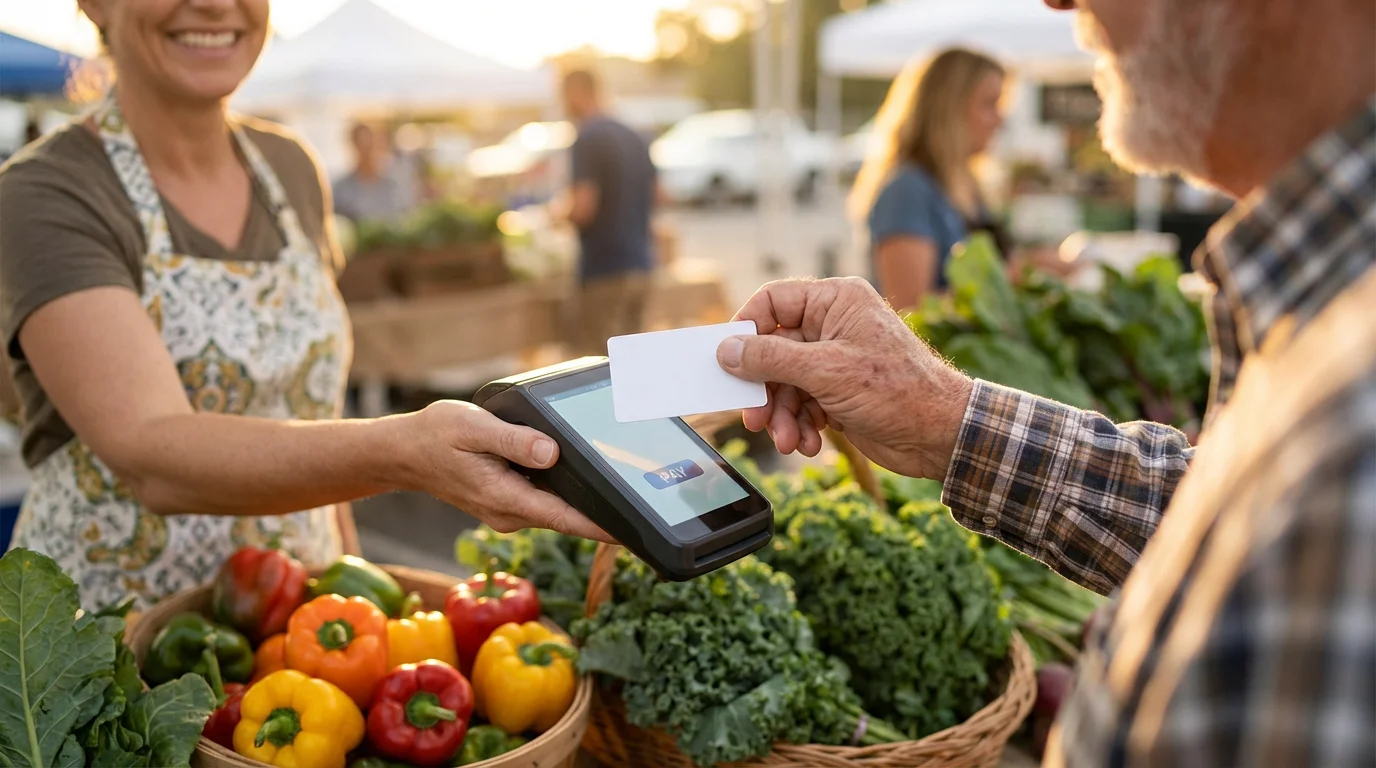
- Farmers’ Markets: Many farmers’ markets accept EBT and some even offer matching programs, doubling your purchasing power for fresh produce. Look for signs indicating “EBT accepted” or ask vendors.
- No Non-Food Items: Remember, you cannot use SNAP to buy alcohol, tobacco, vitamins, pet food, hot prepared foods, or non-food items like soap and paper products.
- Combine SNAP with Other Food Assistance Programs: SNAP often complements other programs designed to support senior nutrition.
- Commodity Supplemental Food Program (CSFP): Provides a monthly package of nutritious, shelf-stable foods to eligible low-income seniors.
- Senior Farmers’ Market Nutrition Program (SFMNP): Offers coupons to low-income seniors redeemable for fresh fruits, vegetables, honey, and herbs at farmers’ markets.
- Local Food Banks and Pantries: Many communities have food banks, pantries, and meal delivery services (like Meals on Wheels) that provide additional food support. These can supplement your SNAP benefits significantly.
- Annual Recertification: SNAP benefits are not indefinite. You will need to recertify your eligibility periodically, usually every 12 months for seniors. The state agency sends you a notice when it is time to recertify. Complete this process on time to avoid interruption of your benefits.
By actively managing your SNAP benefits and integrating them with other available resources, you can ensure a consistent supply of nutritious food, improving your overall health and financial security in retirement.

Finding Local Help: Support for Your Application
Navigating the application process and understanding the rules can be complex. Fortunately, numerous organizations and resources exist to provide you with assistance.
These support systems help you understand your eligibility, complete applications, and connect you with other beneficial programs. Do not feel you must go through this alone; help is available.
Consider these valuable resources for local support:
- State SNAP Agencies: Your state’s Department of Social Services or equivalent agency directly administers SNAP. They are your primary point of contact for official information, application forms, and assistance with specific rules in your state. You can find their contact information by searching “[Your State] SNAP Benefits” online.
- Area Agencies on Aging (AAAs): These local organizations serve as a hub for services for older adults. They often have staff trained to assist with SNAP applications and can connect you to other senior nutrition programs, legal aid, and health services. You can locate your nearest AAA through the Eldercare Locator.
- BenefitsCheckUp by NCOA: The National Council on Aging (NCOA) offers BenefitsCheckUp, an online tool that helps you find federal, state, and local benefits programs you may qualify for. It includes SNAP and many other programs tailored for seniors. This is an excellent starting point to discover what assistance is available to you.
- Community Action Agencies: These agencies work to alleviate poverty and often provide assistance with various benefit applications, including SNAP. Search online for “Community Action Agency near me” to find local offices.
- Local Food Banks: Beyond providing food directly, many food banks and pantries offer assistance with SNAP applications or can refer you to organizations that do. They understand the challenges of food insecurity and are eager to help you access long-term solutions.
- Senior Centers: Many senior centers offer services such as information and referral, and some even host outreach workers who can help you apply for benefits.
Reaching out to these resources means you gain personalized guidance tailored to your situation. They can clarify confusing regulations, help you complete forms accurately, and advocate on your behalf if necessary.
Utilizing these support systems significantly increases your chances of a successful SNAP application and helps you maintain your overall well-being.
Frequently Asked Questions
What is the minimum age to receive SNAP benefits as a senior?
While SNAP generally has no specific age requirement, many states offer special rules, such as higher asset limits or additional deductions, for households with at least one member aged 60 or older. This means being 60 or older can significantly improve your eligibility.
Do Social Security benefits count as income for SNAP?
Yes, Social Security benefits count as unearned income when determining your SNAP eligibility and benefit amount. However, remember that certain deductions, especially for medical expenses, can significantly reduce your countable income, even with Social Security.
Can I get SNAP if I own my home and have a car?
Yes, owning your home and one vehicle generally does not count against you for SNAP eligibility. Most states exclude your primary residence and one vehicle from asset calculations, particularly for households with elderly or disabled members, where asset limits are often waived or set higher.
How long does it take to get approved for SNAP benefits?
After you submit a complete application, your state agency typically processes it and issues a decision within 30 days. If you face an immediate crisis, some states offer expedited processing within seven days, but this is for specific emergency situations.
What if I am denied SNAP benefits? Can I appeal?
Yes, if your SNAP application is denied, you have the right to appeal the decision. Your denial letter will explain the reasons for the denial and outline the steps for requesting a fair hearing.
You can present your case and provide additional information to an impartial hearing officer. Seek assistance from local legal aid or advocacy groups if you plan to appeal.
Disclaimer: This article is for informational purposes only. Benefits, programs, and regulations can change.
We encourage readers to verify current information with official government sources and consult with qualified professionals for personalized advice.


9 Comments