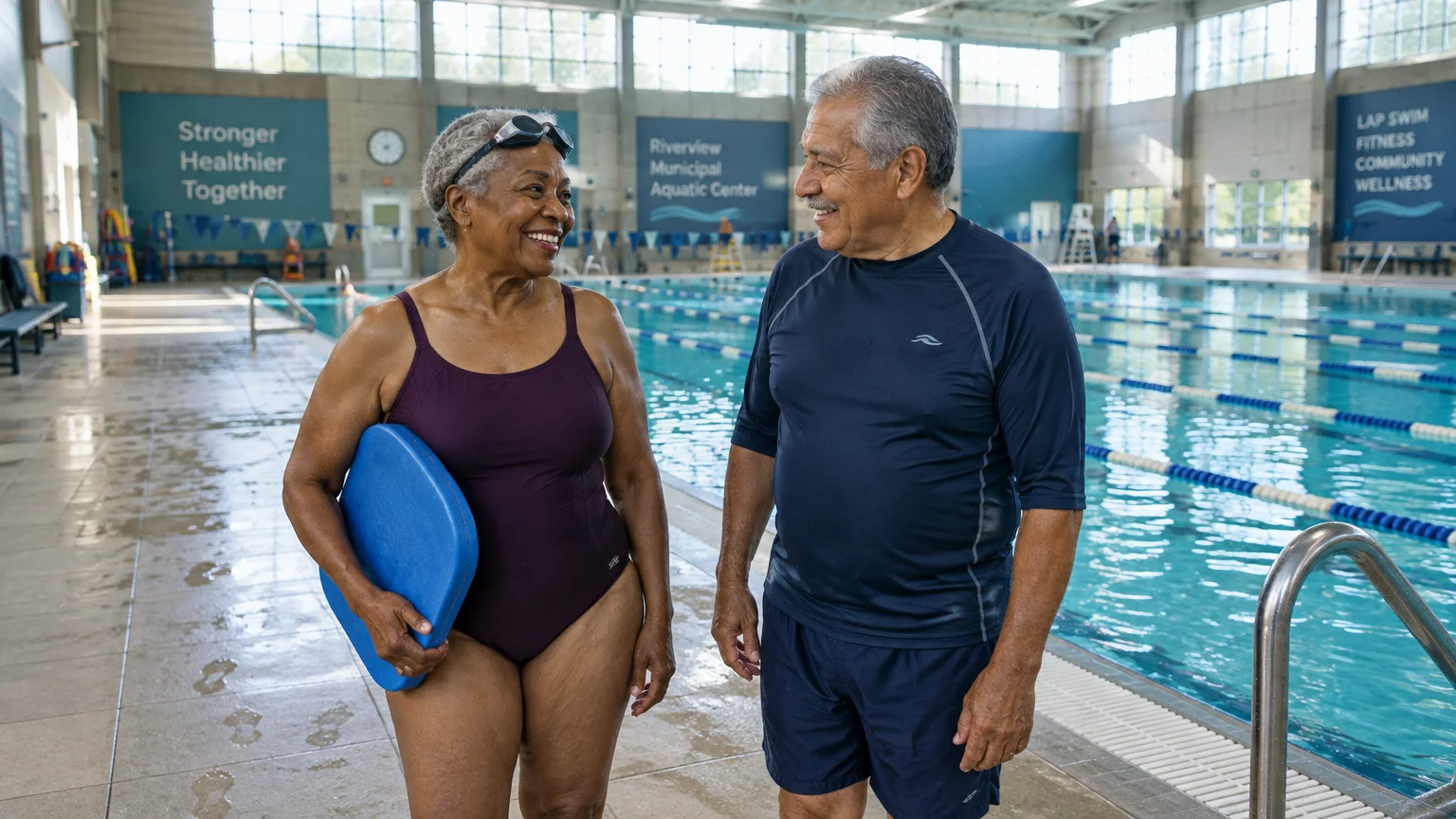
For a new retiree with empty weekday mornings and a fixed monthly budget, joining a coached swim group offers structured conditioning without joint strain. An adult swim club welcomes you at 60, 70 or 80 whether you race or not.
Yet uncoordinated registrations, misunderstood Medicare Advantage fitness perks, and premature gear purchases regularly trigger unexpected out-of-pocket bills. Recognizing where the sign-up sequence breaks down protects your retirement budget while keeping morning workouts consistent.
Assuming Medicare fitness benefits eliminate coached club dues
Many new retirees assume their Medicare Advantage wellness plan covers all costs associated with an organized swim club. In practice, this assumption leads to unexpected monthly charges.
Original Medicare does not pay for gym memberships or fitness programs. Advantage plans contract with third-party networks to provide general facility access, not organized team coaching.
Programs like SilverSneakers or Renew Active frequently cover standard entry at participating YMCA branches or municipal recreation centers. However, they do not pay club coaching dues or national organization fees.
You can avoid duplicate expenses by selecting a club that operates out of a facility enrolled in your plan’s fitness network. That way, your fitness benefit waives the daily gate fee, leaving only the coaching dues.
Suppose a club charges $50 a month, you use the free trial for your first month, and you swim three mornings a week. Your first year costs $75 + (11 × $50) = $625.
Over about 140 practices, that is roughly $4.50 per coached workout. That cost remains predictable only if your facility admission is covered or accounted for in advance.
Check your plan’s Evidence of Coverage to verify which local pools participate. A comparison of Medigap and Medicare Advantage details plan trade-offs, and free SHIP counseling can review specific regional choices.
Paying national registration fees before starting the free trial
A common timing misstep is paying annual registration fees before ever stepping onto the pool deck. Eager swimmers often spend money on memberships before confirming whether the coach and lane speeds suit them.
USMS sets registration nationally, and the 2026–2027 fee structure has four distinct tiers. Buying the wrong tier can waste money immediately.
Some newcomers mistakenly buy the $20 One-Event option, thinking it serves as an introductory workout pass. That fee covers only a single sanctioned pool meet or open water race, not regular practices.
Other swimmers pay the standard annual fee of $75 on day one, forfeiting the zero-cost trial period. Instead, fill out the free 30-day trial membership form for $0 before your first session.
This trial grants 30 days of workouts with a participating club without competitive access. It allows you to test the coach, pool water temperature, and lane speeds with zero financial commitment.
If you decide to continue and register between July 1 and October 31, choose the Year-Plus membership for $125. That tier covers the rest of the current calendar year and all of next year.
Today, USMS counts roughly 60,000 adult members in more than 1,500 clubs and workout groups. If you ever enter a meet, swimmers compete in five-year age brackets such as 65–69 and 70–74.
Choosing inconvenient morning practice times without reliable transit
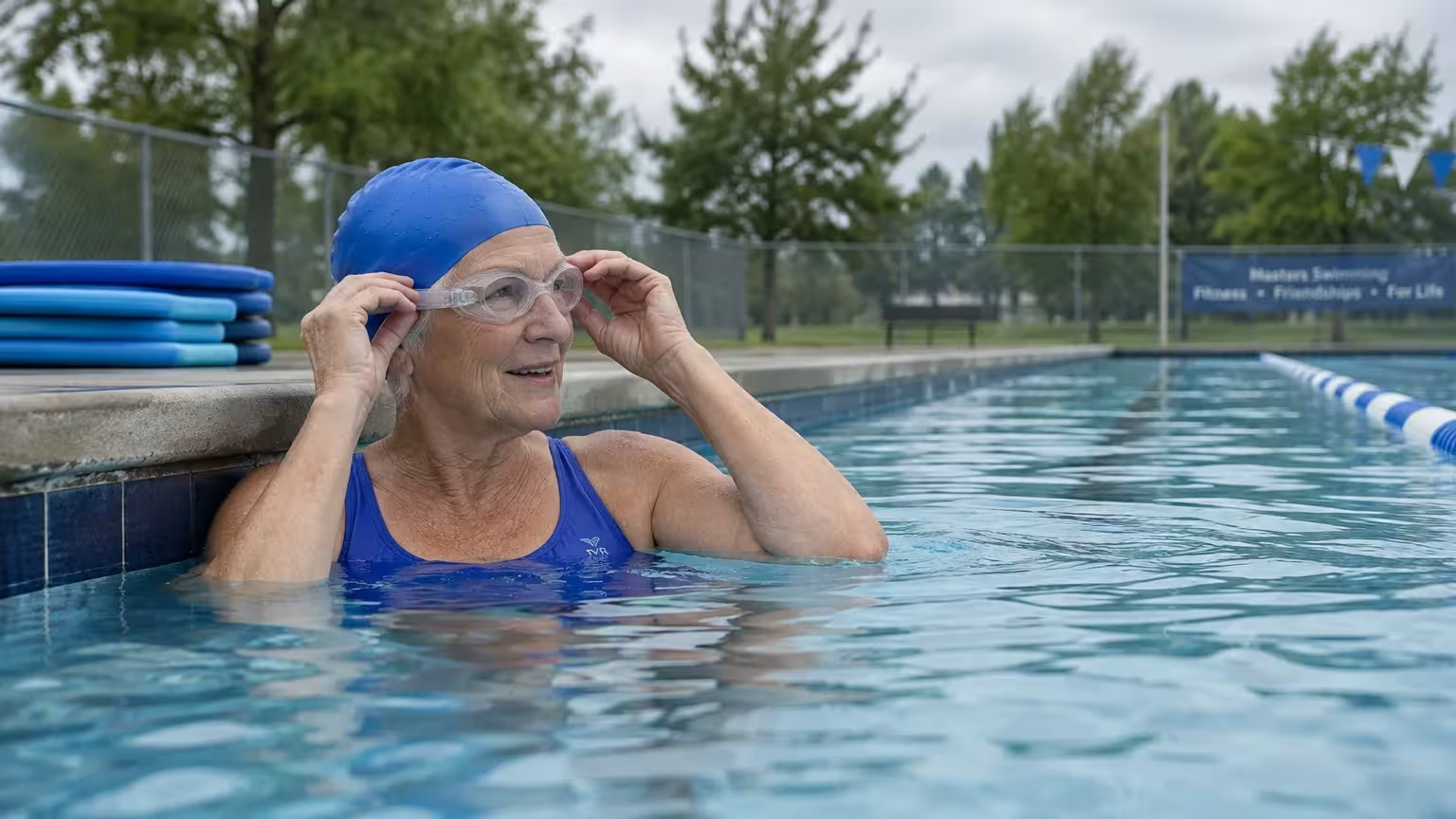
Retirees often commit to early-morning workout slots without considering morning fatigue or limited driving comfort before sunrise. Skipping practices due to scheduling hurdles quickly turns paid club dues into wasted money.
Many clubs run workouts early in the morning when pool lanes are open. If driving in the dark is uncomfortable, search for midday or evening groups instead.
Use the USMS Club Finder to locate nearby options by ZIP code and compare schedules. Many recreation centers host midday lap workouts designed specifically around adult availability.
If early hours are your only choice, arrange community rides in advance. Local senior transportation options like volunteer driver programs help you reach the pool reliably without solo driving.
Clubs generally expect that you can swim one or two lengths without stopping and feel at ease in deep water. If you need a refresher, check whether the pool offers adult beginner instruction first.
Swimming pairs naturally with land routines. If you already practice trail walking and easy hiking, two or three swims a week build upper-body and core stability.
The National Institute on Aging lists swimming among the endurance exercises that strengthen heart and lung capacity. Water carries your body weight, easing pressure across stiff knees and hips.
Straining aging shoulders by ignoring stroke mechanics and lane etiquette
Jumping straight into intense freestyle sets without adjusting stroke mechanics can cause painful shoulder impingement. Repeating improper arm motions thousands of times each week aggravates rotator cuff tendons.
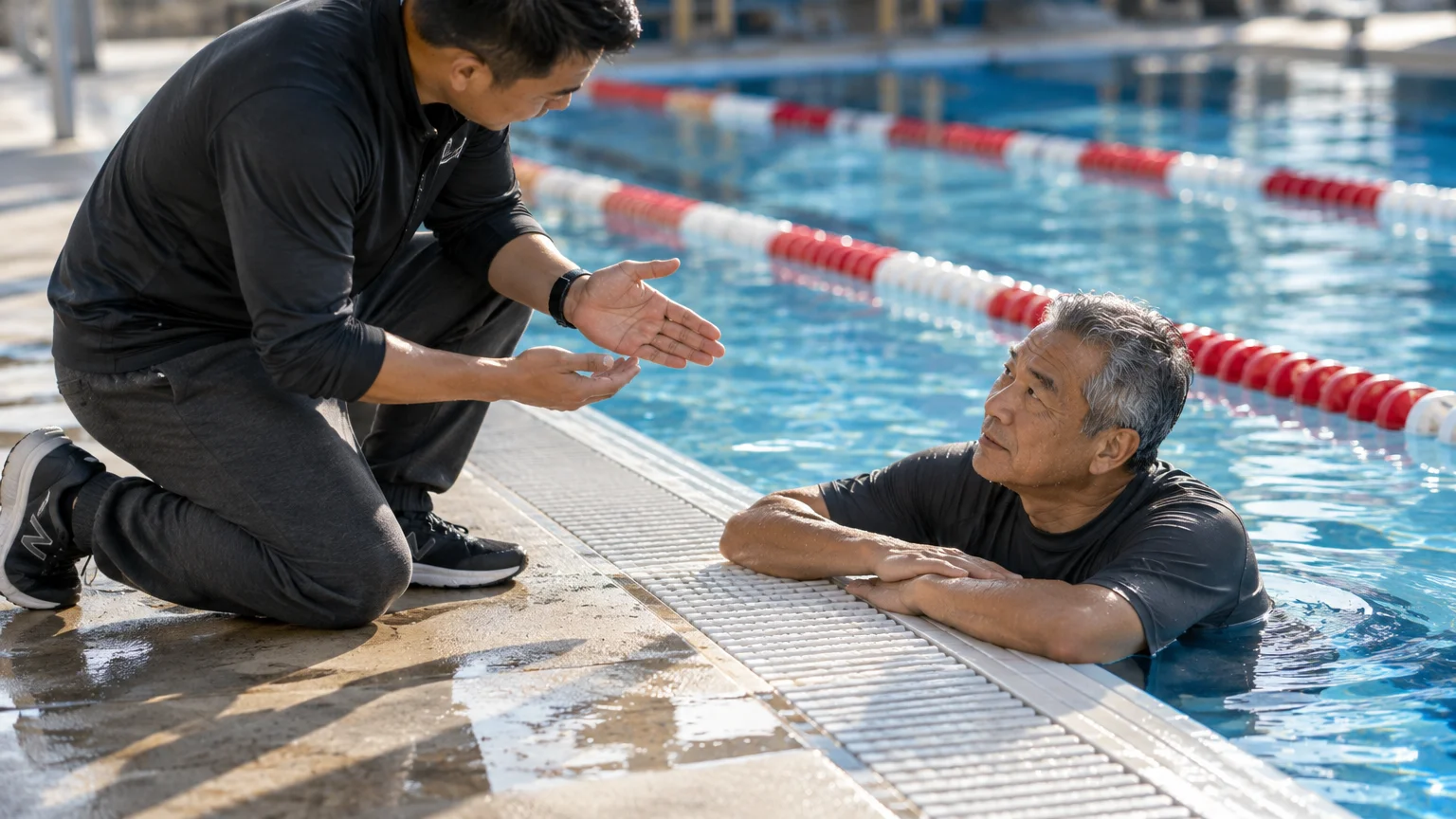
Arrive 15 to 20 minutes before your first practice to introduce yourself to the coach. Discussing past joint issues or physical boundaries helps the coach guide your lane placement.
According to USMS’s guide for new swimmers, each lane circles counterclockwise to the right of the center line. Entering feet first and resting in the corner ensures smooth turning space for lane mates.
Workouts are paced using an overhead clock. A set written as “4 × 50 on 1:30” calls for four 50-yard swims, each launching every 90 seconds, with remaining time used for rest.
You can shorten any assigned distance. If the lane completes 100 yards, swim 50 yards and rest, which coaches expect from newcomers during their first few weeks.
Protect your shoulders during freestyle sets with five technical adjustments:
- Hand entry in line with your shoulder, not crossing toward the middle of your head.
- Head neutral, eyes toward the bottom; lifting your head drops your hips and arches your back.
- Body rotation with each stroke, so your arm recovers over the water without pinching the shoulder.
- Breathing to both sides over time, to avoid one-sided neck strain.
- Short fins in warm-ups, which lift your body position with less work from the shoulders.
If you experience pinching or discomfort, halt the set and notify the coach immediately. Swapping in kickboard work or backstroke sets maintains cardiovascular training without aggravating delicate joints.
Spending on open water gear before building interval pool stamina
Retirees often rush to purchase specialized gear for open water lake swimming before establishing pool consistency. Investing in specialty equipment too early drains budgets before basic interval pacing is second nature.

Open water introduces hazards that pool training does not present. Sudden immersion in cool lake water triggers an involuntary gasp and rapid breathing, making cold shock a serious drowning risk.
Never swim in lakes or reservoirs alone. Always swim with an organized club accompanied by spotters paddling touring kayaks or stand-up paddleboards.
Consult USMS’s open water guide before buying equipment. When you are ready for lake sessions, limit purchases to essentials:
- A bright inflatable tow float clipped at your waist, which makes you visible and gives you something to rest your arms on.
- A bright silicone cap, or a neoprene cap in cooler water.
- A swimming wetsuit or neoprene vest for cooler months; these have thinner, more flexible shoulders than diving wetsuits.
- Tinted or polarized goggles to cut glare off the water.
Enter cold water gradually by wading to your waist, splashing your neck, and floating until your breath stabilizes. Swimmers with heart conditions should always clear cold water exposure with their doctor beforehand.
Weekly pool practices help you accumulate the 150 minutes of moderate aerobic activity recommended for older adults. You can easily combine swimming with walks or a beginner pickleball league to meet your wellness goals.