

Divorce significantly changes your financial landscape, especially as you approach or enter retirement. Many people assume that a divorce means losing all connection to an ex-spouse’s financial record, particularly regarding Social Security. However, this is often not the case. The Social Security Administration provides specific benefits for divorced spouses, and understanding these rules can significantly impact your retirement income.
You may be eligible to claim benefits based on your ex-spouse’s work record, even if they have remarried or if you have your own Social Security benefits. These rules exist to provide a safety net and acknowledge contributions made during a marriage. Learning about these options helps you secure your financial future.

Understanding Social Security Benefits for Divorced Spouses
Social Security benefits offer a vital income stream for millions of retirees. If you divorced, you might find yourself navigating a complex system. The good news is that federal law recognizes the financial interdependency of marriage, even after it ends.
While these payments are similar to standard Social Security spousal benefits, the rules regarding divorce include specific timelines and privacy protections.
You can potentially claim benefits as a divorced spouse, often referred to as “ex-spouse benefits.” This provision ensures that a long-term marriage does not leave one partner at a significant disadvantage in retirement, especially if they have limited work history of their own. Understanding these benefits helps you plan for a more secure retirement.
The Social Security Administration (SSA) designed these rules to provide a financial safety net. Many individuals are unaware these benefits exist, or they misunderstand the eligibility criteria. Do not let assumptions prevent you from exploring your options.

Key Eligibility Requirements for Ex-Spouse Benefits
To claim Social Security benefits based on your ex-spouse’s work record, you must meet several specific conditions. These rules ensure fairness and target those who truly qualify. Carefully review each requirement to determine your potential eligibility.
Be aware that if you receive a pension from a government job, the Government Pension Offset could potentially reduce your divorced spouse benefits.
You must meet all of the following criteria:
- Marriage Duration: Your marriage to your ex-spouse lasted for at least 10 years.
- Current Marital Status: You are currently unmarried. However, an exception exists if your subsequent marriage ended in death or divorce, making you potentially eligible again.
- Age Requirement: You are at least 62 years old.
- Ex-Spouse’s Eligibility: Your ex-spouse is eligible for Social Security retirement or disability benefits. They do not need to have actually filed for benefits yet, but they must meet the age and work credit requirements.
- Benefit Comparison: The benefit you would receive based on your ex-spouse’s record must be higher than the benefit you would receive based on your own work record. You will automatically receive the higher amount.
If you meet these conditions, you have a strong chance of claiming ex-spouse benefits. The Social Security Administration processes these applications daily. You do not need to involve your ex-spouse in this process, and they do not need to provide permission.

Claiming Benefits: How It Affects Your Ex-Spouse
A common concern for individuals considering ex-spouse benefits is whether claiming them will negatively impact their former partner. Rest assured, claiming benefits on an ex-spouse’s record does not reduce their Social Security payments. It also does not affect the benefits of their current spouse or other dependents.
The benefits paid to a divorced spouse come from a separate pool of funds. Your benefits are an independent claim against the ex-spouse’s record. This means your ex-spouse’s benefits remain exactly the same, whether you claim or not.
You do not need your ex-spouse’s cooperation or even their knowledge to apply for these benefits. The Social Security Administration maintains strict privacy rules. They will not notify your ex-spouse when you file a claim for benefits based on their record. This allows you to pursue your rightful benefits without needing to interact with a former partner, which can simplify the process significantly.

Step-by-Step Guide to Claiming Ex-Spouse Benefits
The process of applying for divorced spouse benefits is straightforward once you gather the necessary information. Following these steps ensures a smoother application. You are entitled to these benefits, so take the initiative to apply.
In the event your application is not approved, you have the right to appeal the Social Security decision to ensure your case is fully reviewed.
Here is how to claim your ex-spouse benefits:
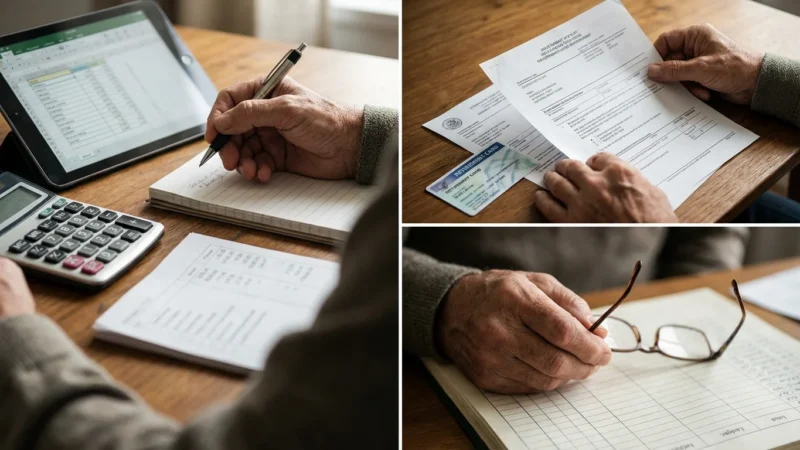
- Gather Necessary Documents: You will need specific paperwork to prove your eligibility. This includes your birth certificate, proof of citizenship or legal alien status, your W-2 forms or self-employment tax returns for the past year, your marriage certificate, and your final divorce decree. The divorce decree is particularly important as it establishes the end date of your marriage and verifies the 10-year marriage rule.
- Contact the Social Security Administration: You can start the application process by calling the SSA at 1-800-772-1213 or by visiting your local Social Security office. While some applications can be initiated online, divorced spouse benefits often require an in-person or phone interview due to the specific documentation needed.
- Provide Required Information: Be prepared to provide your ex-spouse’s Social Security number, if you know it. If you do not have it, the SSA can still help you, but it might take longer. Provide your own Social Security number, date of birth, and the dates of your marriage and divorce.
- Understand Your Options: The SSA representative will discuss your benefit options. If you are eligible for benefits on your own record and on your ex-spouse’s record, the SSA automatically pays you the higher of the two amounts. If you are under your full retirement age, they will explain how claiming benefits early can reduce your monthly payment.
- Complete the Application: Fill out all forms accurately. An SSA representative can assist you if you have questions. Double-check all information before submitting.
The SSA will process your application and notify you of their decision. Do not hesitate to ask questions during the process. Their staff can clarify any complexities.

Important Considerations: When Your Ex-Spouse Has Not Filed
What if your ex-spouse is eligible for Social Security benefits but has not yet claimed them? This situation can still allow you to receive benefits. The Social Security Administration has a specific rule for this scenario, often called the “two-year rule.”
If your ex-spouse is eligible for Social Security benefits but has not filed for them, and you have been divorced for at least two years, you can still claim benefits on their record. This provision ensures that you do not need to wait for your ex-spouse to decide to retire. You can claim your benefits independently, as long as your ex-spouse has reached their eligibility age for Social Security.
This rule empowers you to make independent decisions about your retirement income. You do not need their consent or involvement. You only need to meet the other eligibility requirements for divorced spouse benefits, such as the 10-year marriage duration and your own age requirement.
“Understanding your Social Security options after divorce is crucial. Many people leave money on the table simply because they do not know their rights.”

Remarriage and Its Impact on Your Ex-Spouse Benefits
Your marital status plays a significant role in your eligibility for divorced spouse Social Security benefits. Generally, if you remarry, you become ineligible to collect benefits based on your former spouse’s work record. However, important exceptions exist that could restore or maintain your eligibility.
Here are the key points regarding remarriage:
- General Rule: If you remarry before age 60, you typically lose your eligibility for benefits on your previous spouse’s record.
- Exception for Age 60 or Older: If you remarry at age 60 or older, you can generally continue to collect benefits on your former spouse’s record. The SSA considers this a “late” remarriage.
- Exception for Disability: If you are disabled and remarry at age 50 or older, you can often still collect benefits on your former spouse’s record.
- Subsequent Divorce or Annulment: If your subsequent marriage ends in divorce, annulment, or death, you may regain eligibility to collect benefits on your original ex-spouse’s record. The SSA would treat you as if the subsequent marriage never occurred, assuming you still meet all other eligibility criteria.
These rules can be complex. If you are considering remarriage, or if your marital status has changed since your initial divorce, contact the Social Security Administration directly. They can provide specific guidance based on your personal circumstances.

Survivor Benefits for Divorced Spouses
The rules for divorced spouses extend beyond retirement benefits to include survivor benefits. If your ex-spouse passes away, you might be eligible to receive survivor benefits based on their work record. These benefits can be significantly higher than standard divorced spouse benefits, potentially providing 100% of the deceased worker’s basic benefit amount.
It is also critical to understand how your benefits are taxed as you calculate your total net retirement income.
To qualify for divorced survivor benefits, you must meet specific criteria:
- Marriage Duration: Your marriage to the deceased ex-spouse lasted for at least 10 years.
- Current Marital Status: You are currently unmarried. However, you can remarry after age 60 (or age 50 if disabled) and still collect survivor benefits. This is a key difference from standard divorced spouse benefits.
- Age Requirement: You are at least age 60, or age 50 if you are disabled.
- Ex-Spouse Eligibility: Your deceased ex-spouse earned enough Social Security credits to qualify for benefits.
- Benefit Comparison: Your survivor benefit based on your ex-spouse’s record must be higher than any benefit you could receive on your own work record or from another spouse’s record.
Survivor benefits for divorced spouses do not affect the benefits paid to any other survivors, such as the deceased’s current spouse or minor children. This is another important distinction. You can receive your survivor benefits without impacting other family members.

Maximizing Your Social Security: Coordination Strategies
Navigating Social Security benefits as a divorced individual requires careful planning to maximize your payments. You might have options to combine or switch between benefits. Understanding these strategies helps you make informed decisions about when and how to claim.
By integrating benefits into your retirement strategy, you can create a more comprehensive financial roadmap for the years ahead.
Depending on your age, you may also want to evaluate how delayed retirement credits might influence the best time for you to begin claiming.
Properly coordinating your claim with other sources of income is one of the most effective strategies for retirees to ensure long-term financial stability.
Here are key strategies to consider:
- Comparing Your Own Benefits vs. Ex-Spouse Benefits: The Social Security Administration automatically pays you the higher of your own benefit or your ex-spouse’s benefit. You do not get both in full at the same time. However, you can consider delaying your own benefit to earn delayed retirement credits while collecting your ex-spouse’s benefit.
- Delayed Retirement Credits: Your own Social Security benefit increases by a certain percentage for each month you delay claiming past your full retirement age, up to age 70. If your own benefit is currently lower than your ex-spouse’s benefit, you could claim the ex-spouse benefit first. This allows your own benefit to continue growing until you reach age 70, at which point you might switch to your own larger benefit.
- Full Retirement Age: Reaching your full retirement age (FRA) is crucial. If you claim benefits before your FRA, your monthly payment is permanently reduced. Claiming at or after FRA ensures you receive your full eligible amount. This applies to both your own benefits and ex-spouse benefits.
- Consult the SSA: Because individual situations vary greatly, you should discuss your specific options with a Social Security representative. They can provide personalized projections based on your work history and your ex-spouse’s record.
Do not leave potential money on the table. Proactive planning helps you secure the highest possible Social Security payments throughout your retirement. A little research now can mean significantly more income later.

Official Resources and Where to Get Help
Navigating Social Security rules can feel daunting, but official resources exist to provide accurate and personalized assistance. Always prioritize information directly from the source. The Social Security Administration is your primary point of contact for all benefit-related inquiries.
Here are the best ways to get reliable information and help:
- Social Security Administration (SSA) Website: The official SSA website, www.ssa.gov, offers a wealth of information. You can find publications, FAQs, and use their online tools to estimate your benefits. It is an excellent starting point for research.
- Call the SSA Directly: For personalized questions, call the SSA’s toll-free number at 1-800-772-1213. Representatives can answer specific questions about your eligibility and application process. Be prepared for potential wait times.
- Visit a Local Social Security Office: If you prefer in-person assistance, locate your nearest Social Security office. Visiting an office allows you to speak with a representative directly and receive help with paperwork. It is often recommended for complex situations.
- AARP Resources: AARP provides valuable resources and guides on Social Security, retirement planning, and benefits for seniors. Their website, www.aarp.org, offers articles and tools to help you understand your options.
Remember, while articles like this provide general guidance, your specific circumstances dictate your eligibility and benefit amounts. Always verify information and seek personalized advice from the Social Security Administration or a trusted financial advisor. The rules change, and getting current, accurate information is vital.
Frequently Asked Questions
Can I claim my ex-spouse’s Social Security if I have remarried?
Generally, if you remarry before age 60, you lose eligibility for benefits on your ex-spouse’s record. However, if you remarry at age 60 or older (or age 50 if you are disabled), you can still claim benefits based on your former spouse’s work record.
Does my ex-spouse know if I claim benefits on their record?
No, the Social Security Administration will not notify your ex-spouse if you claim benefits based on their work record. Your application is confidential, and claiming these benefits does not affect your ex-spouse’s own Social Security payments.
What if my ex-spouse has not started collecting Social Security yet?
You can still claim benefits on your ex-spouse’s record if you have been divorced for at least two years and your ex-spouse is eligible for benefits, even if they have not yet filed. You must also meet all other eligibility requirements.
How much will I receive if I claim ex-spouse benefits?
You can receive up to 50% of your ex-spouse’s full retirement age benefit amount. If you claim benefits before your own full retirement age, your benefit will be permanently reduced. The SSA will pay you the higher of your own benefit or your ex-spouse’s benefit.
Can I collect both my own Social Security and my ex-spouse’s benefits?
The Social Security Administration will pay you the higher of the two amounts you are eligible for, either your own earned benefit or the divorced spouse’s benefit. You cannot receive 100% of both. However, you can sometimes strategize, such as claiming your ex-spouse’s benefit while allowing your own benefit to grow until age 70.
Disclaimer: This article is for informational purposes only. Benefits, programs, and regulations can change. We encourage readers to verify current information with official government sources and consult with qualified professionals for personalized advice.








Leave a Reply