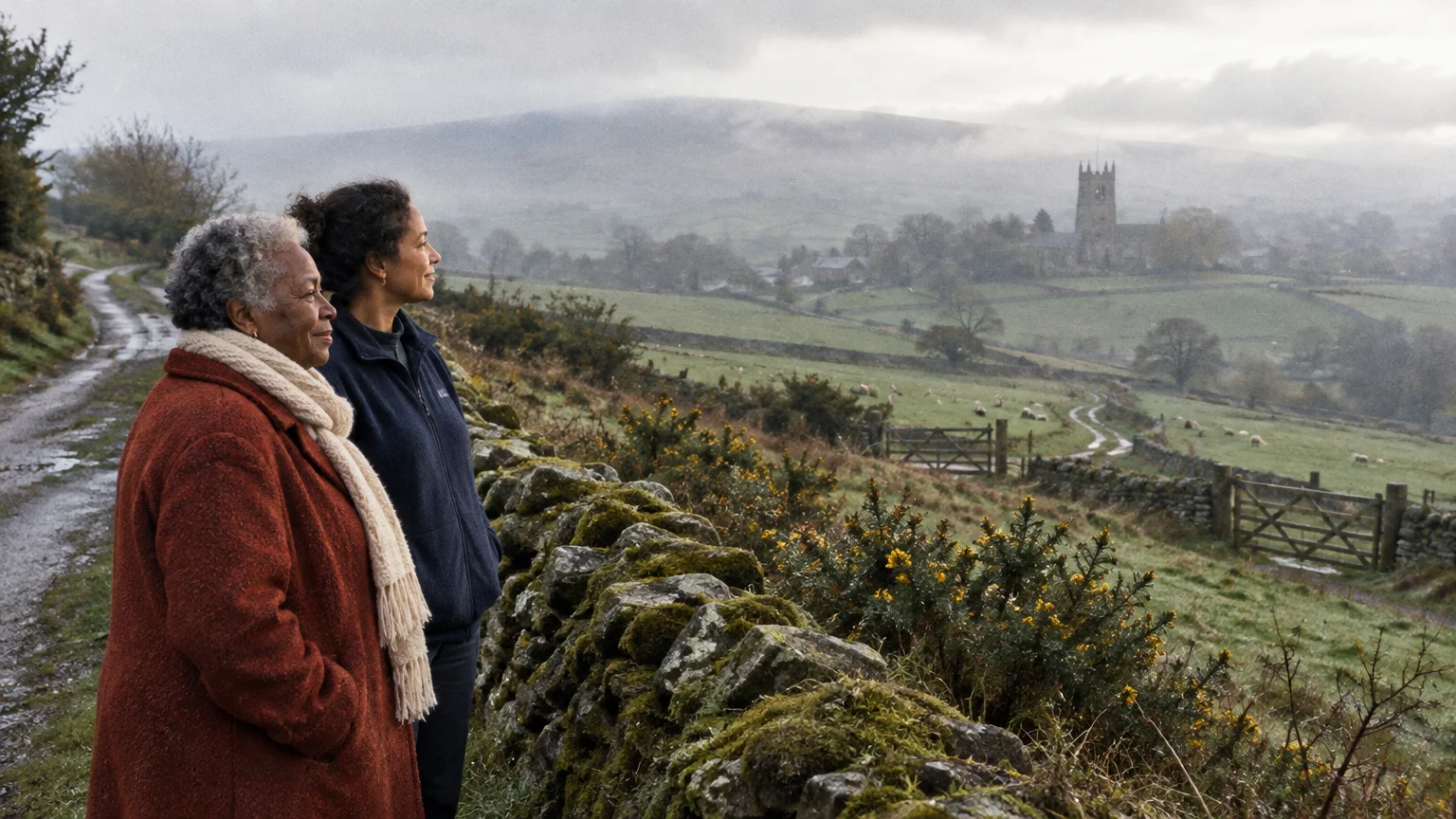
A retiree in their 70s traveling with two adult children faces high costs and empty afternoons if flights to Ireland are booked without a verified townland. Arriving with only County Cork to go on leaves families stranded in commercial tourist centers.
Commercial DNA tests confirm biological lines, but paper records provide physical coordinates to ancestral ruins. Tracing rural homesteads requires linking post-1906 domestic documents to Griffith’s Valuation lot numbers and Tailte Éireann cancelled books before contacting overseas custodians.
Domestic records and identity checks to gather six to nine months ahead
European civil and church records are filed strictly by parish and townland rather than by county or region. Locating those designations requires searching paperwork your immigrant ancestor created after settling in the United States.
The National Archives explains how to use passenger arrival lists and naturalization records to uncover birth parishes. Court documents filed after 1906 provide standardized questions that reveal precise residences overseas.
Gather these specific domestic items before committing any travel funds:
- Naturalization declarations of intention and court petitions filed in local jurisdictions.
- Ship passenger manifests recording a last permanent residence and relatives left behind.
- Death certificates, cemetery files, and published obituaries naming parents and birthplaces.
- Family Bibles, baptism certificates, and funeral cards noting an ancestral home parish.
- A nineteenth-century gazetteer to match historic parish names with modern civil boundaries.
Passports require immediate verification. Several European border agencies require passports to remain valid for three to six months beyond your departure date, and commercial airlines turn away travelers whose documents fall short.
State Department processing guidelines indicate that submitting renewals at least four months ahead prevents expensive expedite charges. Confirm each family member holds an unexpired passport before scheduling any overseas travel.
Connecting domestic names to Griffith’s Valuation and cancelled books
Once post-1906 naturalization papers identify a parish or townland, verify whether relatives stayed in Ireland across subsequent generations. Digitized government databases confirm these lineages without preliminary travel expenses.
The National Archives of Ireland lets you search the 1901, 1911 and 1926 census returns by surname, county, and townland. These filings establish which family branches remained on the property.
Sacramental entries confirm family lines before you travel. The National Library of Ireland offers free online images of Catholic parish registers, focusing primarily on historic baptisms and marriages.
To pinpoint the physical ground, search Griffith’s Valuation, published between 1847 and 1864. This national survey identifies every land occupier, their immediate landlord, and an exact parcel reference within the townland.
Take that parcel reference to the later revision books, known as cancelled books, held by Tailte Éireann. These records document changes in tenancy on that exact plot across subsequent decades.
Placing historic Ordnance Survey maps alongside modern satellite images reveals the exact boundary walls and foundation ruins. This comparison ensures your family walks directly to the correct field.
While families researching Italian branches browse civil registrations on the Portale Antenati or visit a provincial Archivio di Stato, rural Irish land requires this valuation sequence.
Evaluating self-guided research against professional genealogist support
A retiree coordinating a 10-day trip for three adults must decide whether to handle all local inquiries personally or hire on-the-ground support. Comparing these approaches clarifies your schedule and protects your travel budget.
| Research approach | Advance tasks required | Direct expenses | Best fit for this family |
|---|---|---|---|
| Self-guided parish and field search | Mail inquiry letters four to six months early; trace census and valuation maps directly | $120 for parish offerings, archive fees and certificates | Families with confirmed townlands and time to write letters and track cancelled books |
| Commissioned professional genealogist | Provide post-1906 naturalization papers and family data to an accredited local researcher | $750 for 10 hours at $75 | Travelers needing a confirmed plot location and scheduled rectory viewing before arrival |
Hiring a researcher through the Association of Professional Genealogists directory protects your investment. Ten hours of local expertise can transform uncertain family stories into confirmed property coordinates and open parish registers.
Budgeting $120 covers customary parish offerings and statutory archive fees for copying records. Parishes rarely employ dedicated research staff, making advance contributions standard etiquette when requesting record access.
Contacting parish custodians and organizing daily travel responsibilities
Many rural church registers remain un-digitized inside parish rectories. Local priests and part-time secretaries manage busy community schedules, so mail formal requests four to six months ahead of your trip.
When writing to an Irish parish priest, keep your letter concise and focused. If corresponding with an Italian comune, write in Italian to assist municipal clerks in the Ufficio dello Stato Civile.
Include your ancestor’s name with spelling variations, approximate event years, and documented townland details. State your planned travel dates and request a brief appointment of about 30 minutes to review the ledger.
If four to six weeks pass without an answer, follow up with a polite phone call. When local caretakers cannot accommodate a visit, arrange for a local researcher to review registers on site.
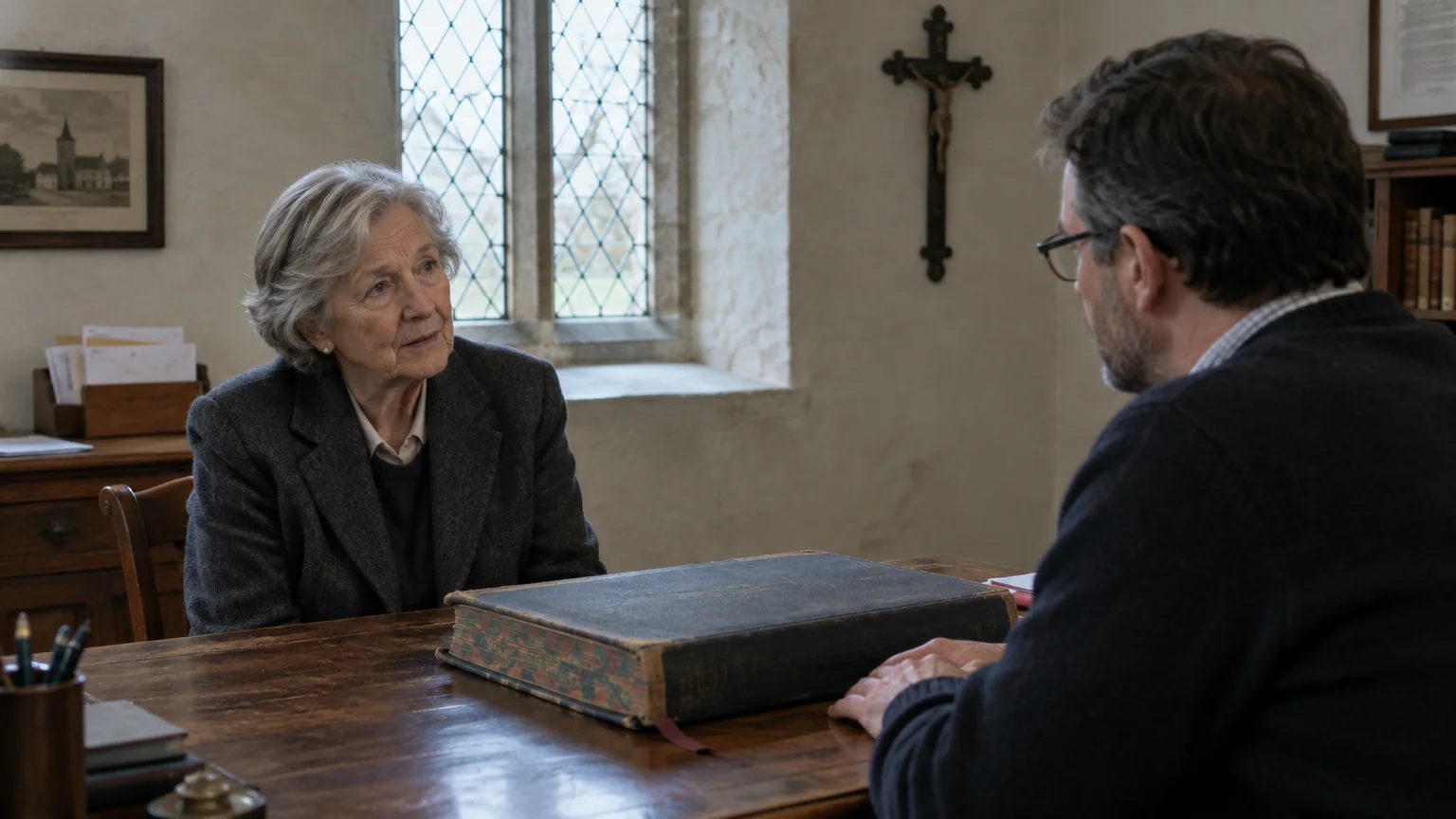
Pacing matters when three adults travel together. Schedule one heritage visit each morning, reserving afternoons for resting in village cafés or reviewing documents together.
Renting a single cottage for nine nights prevents the fatigue of moving luggage every two nights. Distribute responsibilities so one adult drives, one manages navigation, and one logs GPS coordinates and photographs gravestones.
Managing transportation, border clearances, and the shared trip budget
A retiree in their 70s and two adult children spending 10 days in rural Ireland in early May can control costs by sharing lodging and transportation. The entire 10-day trip costs $7,670, or about $2,557 per person.
Major budget components include three economy airfares at $850 totaling $2,550, and a three-bedroom cottage for nine nights at $160 totaling $1,440. Dining and groceries for three cost $1,400 across 10 days at $140 daily.
Vehicle costs include $720 for an automatic rental car across 10 days, plus $280 for fuel and tolls. Additional line items include $750 for genealogist services, $120 for parish fees, and $410 for travel medical coverage.
Our guide to off-season European travel on a fixed income outlines ways to minimize seasonal accommodation expenses. Establishing a retirement travel sinking fund spreads these expenses across a year or two.
Rental fleets in Europe rely heavily on manual gearboxes, making it essential to reserve an automatic transmission months in advance. Ireland drives on the left, and narrow country roads lack wide shoulders.
Review rental company age limits before booking. Certain operators enforce restrictions or demand supplemental medical forms for drivers in their 70s, which can determine which family member should drive.
U.S. citizens visiting the Republic of Ireland do not need an electronic travel authorization. However, crossing the border into Northern Ireland to view Belfast archives requires a UK Electronic Travel Authorisation.
The British Home Office raised the fee to £20 in April 2026. One authorization covers multiple visits up to six months across two years.
Travelers bound for Schengen countries should consult the official ETIAS FAQ for launch updates. While the upcoming fee is €20, adults over 70 and minors under 18 will be exempt from payment.
Medical coverage outside the United States and pasture packing essentials
Medical preparation requires careful attention because foreign hospital care is generally not something Original Medicare pays for. Part D prescription plans will not reimburse medications purchased at international pharmacies.
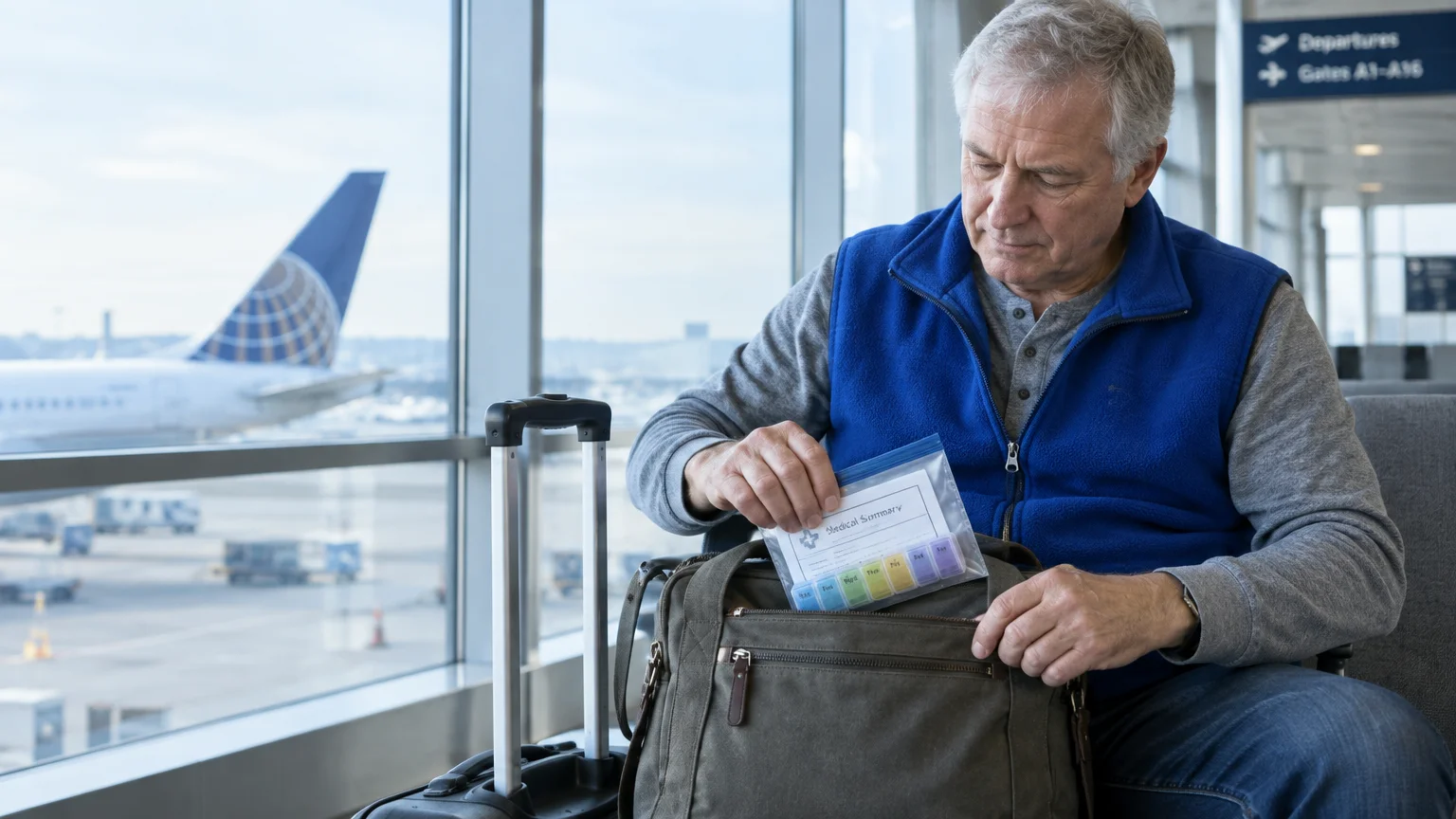
Pack a complete medication supply in original labeled bottles within your carry-on luggage, accompanied by a physician’s list of generic names. Our guide to organizing medications shows how to keep daily doses organized across time zones.
If you carry Medigap Plan C, D, F, G, M or N, the foreign travel emergency benefit pays 80% of emergency costs after a $250 yearly deductible. This coverage applies during the first 60 days abroad, up to $50,000 lifetime.
Because Medigap never pays for emergency medical evacuation, purchasing a travel medical policy fills this protection gap. Medicare Advantage members should request foreign coverage terms in writing before departure.
A counselor at shiphelp.org can verify individual policy rules, while our guide to Medicare’s foreign-care exceptions and travel options provides complete program details.
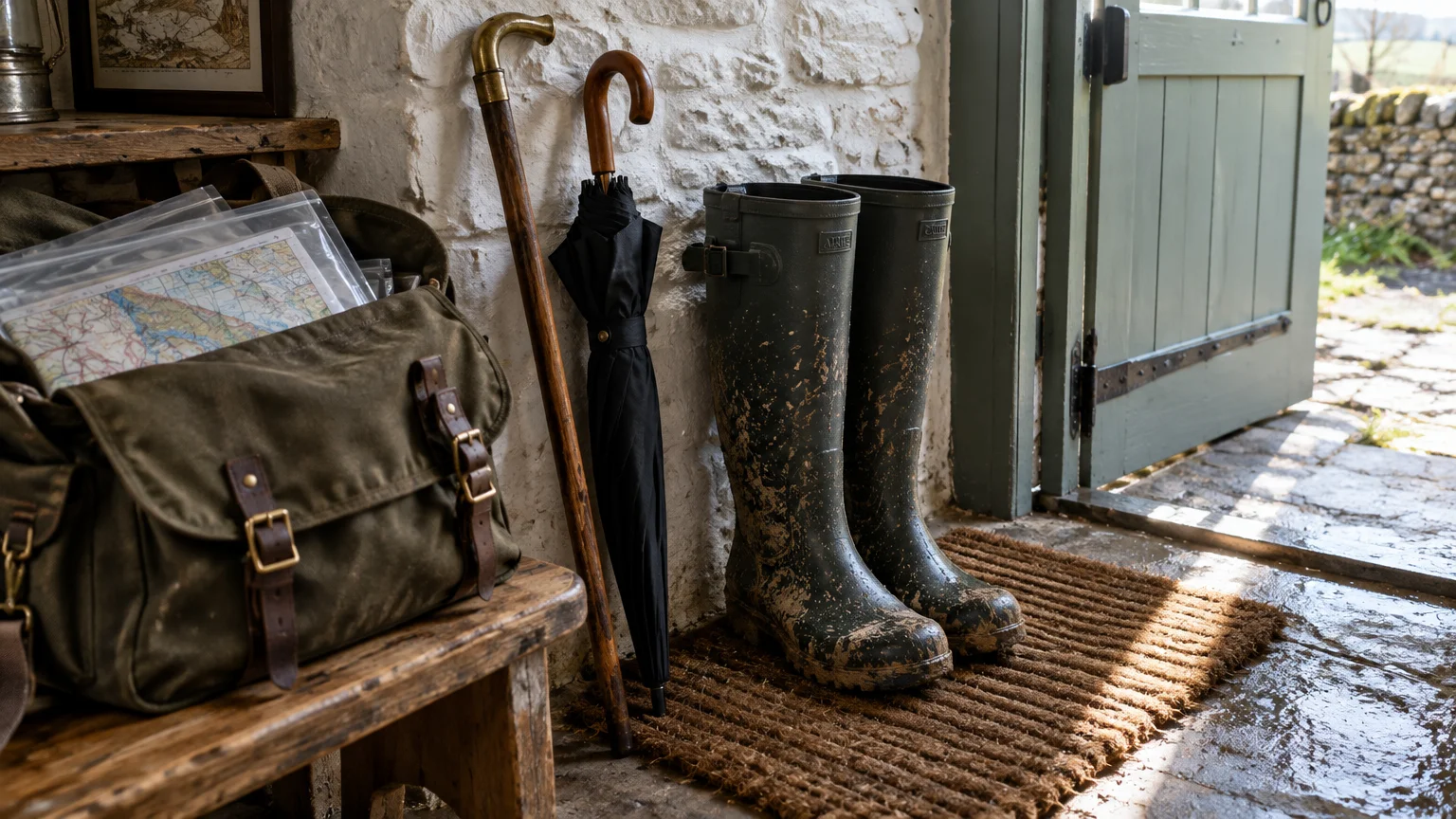
Walking to rural ruins requires appropriate footwear for wet pasture and uneven terrain. Waterproof boots with firm ankle support and a sturdy walking stick protect stability on slippery ground.
Always request permission from local farmers before crossing private fields. When inspecting headstones, clean them using only clean water and a soft nylon brush, as wire tools and household detergents permanently damage historic inscriptions.
Pack an LED magnifier for faded church registers, acid-free document folders, a portable power bank, a soft tape measure, a rain jacket, and an umbrella.