
If mailers warn that a scammer can steal your paid-off house and offer a title lock for a monthly fee, know what you would be buying. No private company can lock a deed or stop a county from recording a forged one.
These services send an alert after a document is recorded. Many county recorders send that same alert for free.
Pair it with a few low-cost habits and a fast response plan, and you have the protection that actually exists.
How deed theft works and why paid-off homes are targeted
A deed thief forges the owner’s signature on a deed that transfers the home, often with a fake or complicit notary, and records it with the county. With the house in their name on paper, they try to sell it or borrow against it.
Reported losses are rising. Real estate fraud losses reported to the FBI were $173.6 million in 2024, including $76.3 million (44%) reported by people 60 and older.
In 2025, losses reached $275.1 million across 12,368 complaints, and adults 60 and older accounted for $123.7 million, roughly 45%.
The FBI’s real estate category also includes other schemes, such as rental and closing scams, so not every dollar is deed theft. The trend still points the same way.
A home with no mortgage is easier to exploit. Once a loan is paid off, the lender’s title insurance coverage ends, and there is no existing lien that a buyer or new lender would need the old lender to pay off and release.
That means a forged sale or cash-out loan can close without anyone contacting a lender who knows the real owner.
The New York Attorney General’s deed theft guide describes how these schemes work and which homeowners, especially older owners, are most at risk. Homes that draw extra attention include:
- Homes owned free and clear, with years of equity.
- Vacant, seasonal or second homes where no one checks the mail.
- Inherited homes and homes of owners who recently died, since probate filings are public.
- Properties whose tax bills go to a different mailing address.
- Homes owned by the same person for decades.
What title lock subscriptions can and cannot do
In August 2024, the Federal Trade Commission published a consumer alert about these products. Its point: home title monitoring cannot stop someone from recording a forged deed; it tells you after the fact.
County recorders generally accept any document that meets their state’s recording requirements. They check things like formatting, notarization and fees, not whether the signer really owns the house, so no outside vendor can block a filing.
Some plans add services at higher tiers, such as help restoring your title. If you are considering one, read the plan’s own terms for what is covered, the limits and how to cancel.
The cost adds up. At a hypothetical $15 a month, a subscription costs $180 a year, or $1,800 over ten years, for an alert many counties provide at no charge.
Owner’s title insurance, bought at closing, protects against title problems that existed before you bought, such as old liens or past recording errors. It does not monitor records, and coverage for forgeries after closing depends on the policy you have.
| Option | What it does | Typical cost | Stops a forged deed from being recorded? |
|---|---|---|---|
| Commercial title monitoring | Notifies you after a document is recorded under your name or parcel | Ongoing subscription | No |
| County recorder fraud alert | Same notification, sent by the county, where offered | Usually free | No |
| Owner’s title insurance | Covers defined title defects, mainly ones that predate your purchase | One-time premium at closing | No |
| Credit freeze | Blocks new credit opened in your own name | Free | No, but it can stop loans taken out in your name |
How to sign up for your county’s free property fraud alert
The office that keeps land records goes by different names: county recorder, register of deeds, county clerk or clerk of court. That is where to look for the alert.
- Find the official site. Search your county’s name plus recorder or register of deeds, and confirm the site is run by the county government, not a company that looks like one.
- Find the alert page. Common names are Property Fraud Alert, Fraud Guard or Property Notification.
- Have your parcel number ready. It appears on your property tax bill. While it is out, check whether you qualify for a senior property tax exemption.
- Enter your name exactly as it appears on your deed. Add variations: with and without a middle initial, a maiden name, and the name of your trust if the house is titled to one.
- Add your email or mobile number. Confirm the verification message the county sends, or the alert may never activate.
- Repeat for every owner and every property. Include vacation homes, land and any property you manage for a parent.

Register each co-owner’s name separately, so a filing under either spouse’s name triggers an alert.
If your county has no alert service, search its online land records yourself every three months. A name and parcel search takes a few minutes; if records are not online, the recorder’s office can run the search for you.
Why a forged deed does not transfer your home, and what it still costs you
In general, under US property law a forged deed is void from the start. It passes no ownership, so neither the forger nor someone who buys from the forger becomes the legal owner.
A deed you actually signed because you were tricked, for example by a fake foreclosure rescue offer, is treated differently. Courts often call it voidable rather than void, which can be harder to undo.
Either way, the bad deed sits in the public record as a cloud on your title. Until it is removed, you may be unable to sell, refinance or take out a reverse mortgage.
Clearing it usually takes a court order, often through a quiet title lawsuit. Legal costs vary widely by state and case, so ask an attorney for an estimate before you start.

New York and Florida have added deed-theft protections
In July 2024, a New York law took effect classifying deed theft as grand larceny and giving the Attorney General original criminal jurisdiction over these cases.
It built on a December 2023 New York civil law that lets prosecutors seek stays of eviction cases and ask courts to invalidate fraudulent deeds.
Since January 1, 2024, Florida has required recorded documents affecting real property to show each witness’s printed name and post office address (Florida Statutes section 695.26). That makes anonymous witness signatures harder to use.
Other states have their own rules. Your state attorney general’s consumer protection office can tell you what applies where you live.
What to do if an alert shows a deed you did not sign
Act the same day. The sooner the forged deed is challenged, the less chance a scammer has to sell the house or borrow against it.
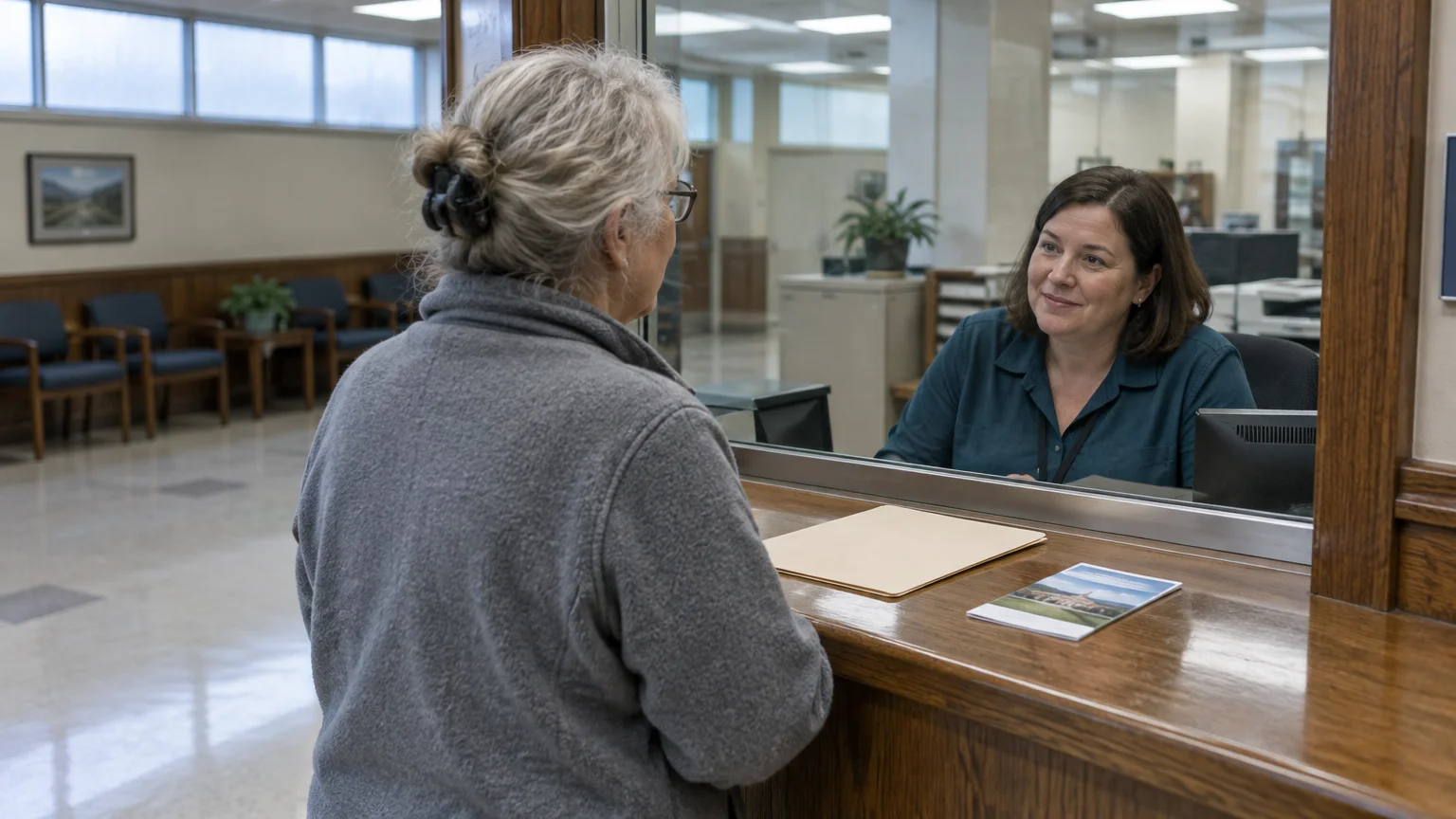
- Get a copy of the recorded document from the recorder’s office, certified if possible. Note the recording date, document number, notary and witnesses.
- File a police report with your local police or sheriff, and keep the report number.
- Report it to the FBI through the Internet Crime Complaint Center at ic3.gov.
- Contact your state attorney general and local district attorney. Some have units that handle deed fraud.
- Hire a real estate attorney who handles title disputes. They can record a notice of pending litigation, which warns buyers and lenders, and start the case to void the deed.
- Freeze your credit at Equifax, Experian and TransUnion so no one can open loans in your name.
- Call the property tax office and confirm your mailing address has not been changed.
Keep copies of your original deed, closing papers, tax bills, the police report and everything the county sends. Your attorney will need them.
A real estate attorney licensed in your state decides with you how to clear the title. If cost is a barrier, legal aid programs for seniors may take housing and title cases or refer you.
Other ways to make your home a harder target
- Check your tax record twice a year. Confirm the owner name and mailing address on your county assessor’s site are still correct.
- Keep a credit freeze in place. It is free, and you can lift it briefly when you apply for credit. Our guide to protecting your Social Security number explains how.
- Watch your mail. USPS Informed Delivery shows what is arriving, and tossing official-looking deed and title mailers helps; here is how to spot and stop mail scams.
- Arrange checks on empty homes. Have a neighbor or relative collect mail and look in on seasonal or vacant property.
- Know what a trust does and does not do. Titling a home to a living trust changes who holds title, but it does not stop a forged recording, so register the trust’s name for alerts too.
- Ask your title insurer about forgery coverage. Find your owner’s policy and ask whether it covers forgeries after closing, or whether an updated policy would.