Managing household expenses becomes a critical task for many Americans as they enter retirement. Energy bills, particularly during extreme weather, can place a significant burden on fixed incomes.
The Low Income Home Energy Assistance Program, commonly known as LIHEAP, offers a vital lifeline to help you manage these costs and keep your home safe and comfortable.
Managing these expenses is a major part of cutting retirement costs to ensure your savings last throughout retirement.
This federal program provides financial aid for heating, cooling, and weatherization to eligible low-income households, including a large number of seniors. Understanding LIHEAP and how to access its benefits can make a substantial difference in your monthly budget and overall well-being.
We empower you with the knowledge to navigate this essential program successfully.
In this guide9 sections
- What is LIHEAP and How Does It Help You?
- Who is Eligible for LIHEAP? Understanding Income and Household Rules
- How to Apply for LIHEAP: A Step-by-Step Guide
- What Kind of Energy Assistance Does LIHEAP Provide?
- Understanding LIHEAP Income Limits and Poverty Guidelines
- Tips for Maximizing Your LIHEAP Benefits and Staying Warm
- What if You Are Denied? Appealing a LIHEAP Decision
- Finding Additional Resources for Energy and Utility Assistance
- Frequently Asked Questions

What is LIHEAP and How Does It Help You?
LIHEAP is a federal program that assists low-income households with their home energy costs. It helps ensure that you can afford to heat your home in winter and cool it in summer, preventing utility shut-offs and maintaining a safe living environment.
This program focuses on alleviating the financial strain of energy bills, a common concern for seniors on fixed incomes.
While the federal Affordable Connectivity Program ended in June 2024, seniors can look to the ongoing Lifeline program for help managing phone and internet costs.
The program operates through grants to states, territories, and Native American tribes, allowing local agencies to administer the funds. This decentralized approach means that specific eligibility requirements and application processes can vary slightly from one location to another.
However, the core purpose remains consistent: providing crucial energy assistance.
LIHEAP helps you in several key ways. It provides direct payments to your utility company, reducing your out-of-pocket costs for heating and cooling.
The program also offers crisis intervention for households facing immediate energy emergencies, such as a furnace breakdown or an imminent utility disconnection. Furthermore, some LIHEAP funds support weatherization and minor energy-related home repairs, making your home more energy efficient.

Who is Eligible for LIHEAP? Understanding Income and Household Rules
Eligibility for LIHEAP primarily depends on your household income and size. The program targets households with the greatest need, especially those with vulnerable members like seniors, individuals with disabilities, and young children.
Each state sets its own specific income limits, generally based on the Federal Poverty Guidelines (FPG).
Beyond energy bills, many seniors also explore housing assistance programs to find more sustainable and affordable living arrangements.
Because rules vary by geography, checking a directory of state-specific benefits can help you identify local income thresholds and application windows.
Typically, your household income must fall at or below 150 percent of the FPG or 60 percent of the state median income, whichever is higher. Some states extend eligibility up to 200 percent of the FPG.
These thresholds ensure that the program reaches those who truly struggle to pay their energy bills. For instance, if the FPG for a one-person household is $14,580, your income might need to be below $21,870 (150%) or higher depending on your state.
Another common eligibility factor involves your receipt of other federal assistance programs. If you receive benefits from programs such as the Supplemental Nutrition Assistance Program (SNAP), Supplemental Security Income (SSI), or Temporary Assistance for Needy Families (TANF), you often automatically qualify for LIHEAP.
This streamlined approach helps you access benefits more easily.
Common eligibility factors include:
- Household Income: Your total household income must meet state-specific limits.
- Household Size: The number of people living in your home affects the income threshold.
- Energy Burden: Some states prioritize households spending a disproportionate amount of income on energy.
- Vulnerable Members: Priority often goes to households with seniors, people with disabilities, or young children.
- Residency: You must be a legal resident of the state where you apply.

How to Apply for LIHEAP: A Step-by-Step Guide
Applying for LIHEAP involves a straightforward process, though specific steps might vary by state and local agency. Starting early gives you the best chance of securing assistance, as funds are limited and distributed on a first-come, first-served basis in many areas.
Do not wait for a crisis to begin your application.
If you need help understanding the legal requirements of these programs, legal aid for seniors can provide free or low-cost assistance.
If you need help navigating the paperwork, your local Area Agency on Aging can provide guidance and connect you with the right social workers.
The first step involves finding your local LIHEAP office or agency. Most states provide an online portal or a toll-free number to help you locate the nearest service provider.
You can often find this information by searching for “LIHEAP” and your state or county name online, or by visiting a comprehensive resource like Benefits.gov, which helps you find federal benefits you may be eligible for.
Once you locate your local agency, they will provide you with the necessary application forms and details about required documentation. Gathering these documents beforehand streamlines your application process.
Missing paperwork often causes delays.
Here is a general outline of the application process:
- Locate Your Local LIHEAP Agency: Use state or federal resources to find the office serving your area.
- Obtain Application Forms: Download forms online, request them by mail, or pick them up in person.
- Gather Required Documents: Collect proof of income, residency, household members, and utility bills.
- Complete the Application: Fill out all sections accurately and thoroughly.
- Submit Your Application: Return the completed form and documents through mail, online portal, or in person.
- Await Notification: The agency will review your application and notify you of its decision.
- Receive Benefits (if approved): Funds typically go directly to your utility provider.
Remember to keep copies of everything you submit for your records. This ensures you have proof of your application if any questions arise later.
What Kind of Energy Assistance Does LIHEAP Provide?
LIHEAP is a versatile program designed to address various aspects of your home energy needs. It offers different types of assistance to ensure you remain safe and comfortable throughout the year, especially during peak heating and cooling seasons.
Understanding these categories helps you determine which benefit best suits your situation.
Managing utility costs is essential, but don’t forget to check if you qualify for property tax exemptions to lower your overall housing budget.
Even if you do not qualify for LIHEAP, you can often lower your monthly expenses by negotiating lower bills directly with your providers.
The primary form of assistance is help with your heating and cooling bills. This covers the costs associated with keeping your home warm in winter and cool in summer.
The specific amount you receive depends on factors like your income, household size, and energy usage. Most payments go directly to your utility company, reducing your burden.
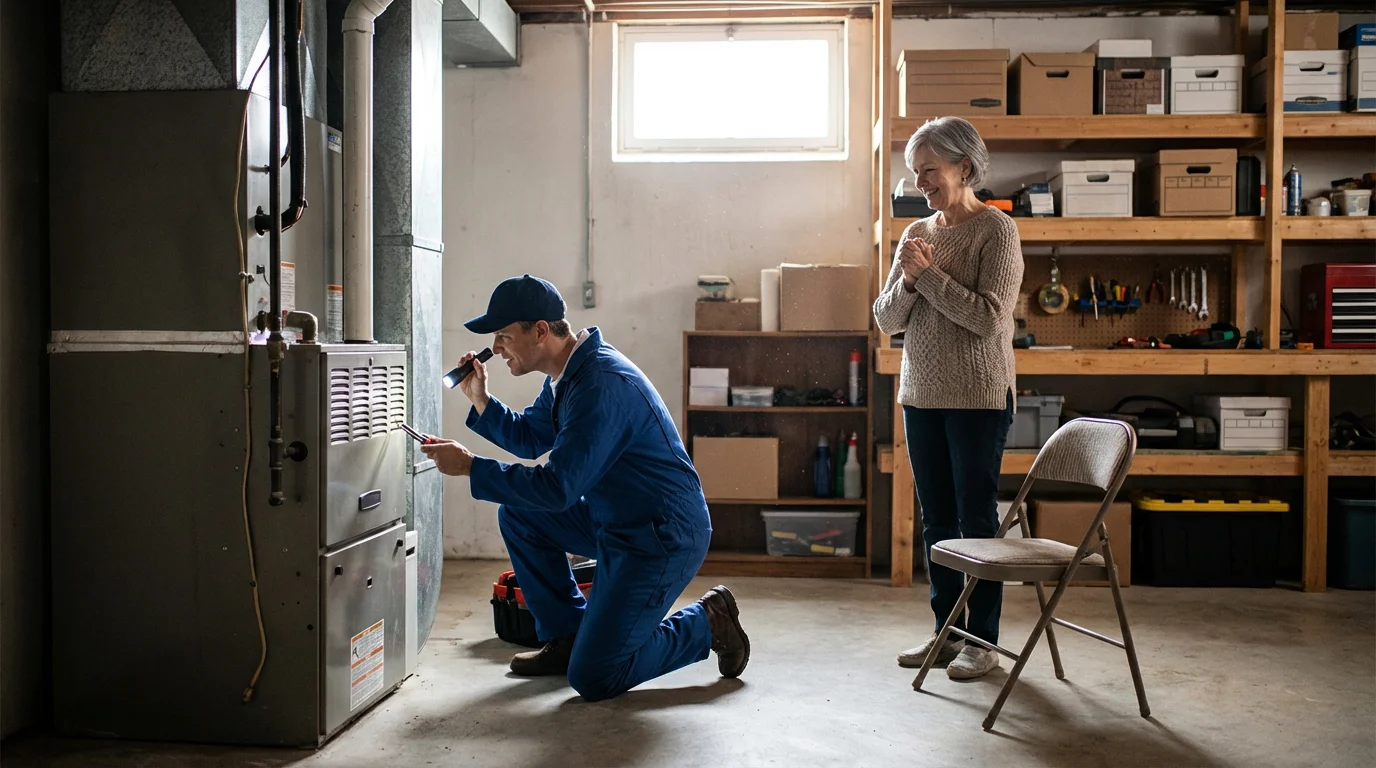
LIHEAP also provides vital crisis assistance. This benefit is for households facing an immediate energy-related emergency.
Examples include a broken furnace during cold weather, an impending utility shut-off notice, or a lack of fuel. Crisis assistance often processes more quickly than regular benefits, addressing urgent needs without delay.
Beyond direct bill payments, some LIHEAP funds support weatherization and minor energy-related home repairs. Weatherization services can include adding insulation, sealing leaks, or repairing/replacing inefficient heating or cooling systems.
These improvements lower your long-term energy consumption, leading to more sustainable savings. You often apply for these through separate programs, sometimes administered by the same LIHEAP agencies.

Understanding LIHEAP Income Limits and Poverty Guidelines
The core of LIHEAP eligibility revolves around income. Each year, the Department of Health and Human Services (HHS) issues Federal Poverty Guidelines (FPG).
States and territories then use these guidelines to establish their specific LIHEAP income thresholds. These thresholds ensure the program serves the most financially vulnerable households.
Since many of these programs share similar income requirements, it may also be helpful to speak with a SHIP counselor about managing your healthcare costs.
Generally, your gross household income must not exceed 150 percent of the FPG. However, states have the flexibility to set their limits higher, up to 60 percent of the state median income or 200 percent of the FPG.
This means that a household qualifying in one state might not in another, even with the same income. Therefore, checking your specific state or local agency’s current limits is crucial.
For example, if the Federal Poverty Guideline for a two-person household is $19,720 annually, a state using the 150% FPG rule would set its limit at $29,580. Another state, using 200% FPG, might set its limit at $39,440.
These figures illustrate the importance of local verification. Seniors living on fixed incomes, often relying on Social Security, find these income limits particularly relevant.
“Many seniors qualify for LIHEAP, even if they think their Social Security income is too high. Always check your state’s specific guidelines, as they consider various factors, not just your Social Security benefits.”
Income verification often requires recent pay stubs, Social Security benefit statements, pension statements, or tax returns. Agencies review these documents to confirm your eligibility.
If your income fluctuates, discuss this with your local agency to ensure they consider your average earnings.
You can use resources like USA.gov’s benefits page to start your search for your state’s specific guidelines and application information.

Tips for Maximizing Your LIHEAP Benefits and Staying Warm
Successfully applying for LIHEAP is a great first step, but you can do more to maximize your benefits and ensure your home stays warm and efficient. Proactive planning and awareness of additional resources help stretch your energy dollars further.
Consider these practical tips to make the most of your assistance.
Staying warm is just one part of your health; you can also save on medical needs through various pharmaceutical assistance programs if you meet certain income thresholds.
First, apply early. LIHEAP funds are finite and often distributed on a first-come, first-served basis, especially for heating assistance programs which open in the fall.
Applying as soon as the application period begins increases your chances of approval before funds are depleted. This proactive approach helps you avoid potential delays or disappointment.
Second, gather all necessary documents in advance. Having proof of income, residency, household members, and utility bills ready significantly speeds up the application process.
A complete application prevents back-and-forth communication with the agency, which can prolong your wait time for assistance.
Third, combine LIHEAP with other energy-saving programs. Many states and utility companies offer their own assistance or weatherization programs that can complement LIHEAP.
For instance, the Weatherization Assistance Program (WAP), also federally funded, provides free home improvements to lower energy bills. Participating in both can lead to substantial, long-term savings.
Practical tips for staying warm and reducing energy use:
- Seal Drafts: Use caulk or weatherstripping around windows and doors to prevent heat loss.
- Insulate: Ensure your attic and walls have adequate insulation.
- Lower Thermostat: Reduce your thermostat setting by a few degrees, especially when you are away or asleep.
- Wear Layers: Dress warmly indoors to reduce your reliance on high heat settings.
- Utilize Sunlight: Open curtains on sunny days to let natural warmth in, then close them at night.
- Professional Check-ups: Schedule annual maintenance for your furnace or heating system to ensure efficient operation.
To find additional local resources for seniors, including energy assistance and other support services, visit the Eldercare Locator, a public service of the U.S. Administration for Community Living.

What if You Are Denied? Appealing a LIHEAP Decision
Receiving a denial for LIHEAP assistance can feel discouraging, but it does not mean your journey for help ends. You have the right to appeal the decision if you believe an error occurred or if you can provide additional information that supports your eligibility.
Many denials stem from incomplete applications or misunderstandings, which you can often resolve through an appeal.
The first step involves understanding why your application was denied. Your denial letter should clearly state the reason for the decision.
Common reasons include exceeding income limits, missing documentation, or an incorrectly filled-out form. Knowing the specific reason helps you prepare your appeal effectively.
Next, contact your local LIHEAP agency immediately upon receiving a denial. Ask for clarification on the denial reason and inquire about their specific appeals process.
Most agencies have a formal procedure in place, which often includes a written request for an appeal and a hearing. Act quickly, as deadlines for appeals are often strict.
Here is a general process for appealing a LIHEAP decision:
- Review Your Denial Letter: Understand the exact reason for the denial.
- Contact Your Local Agency: Request information on their appeal process and any forms you need.
- Gather Additional Documentation: Collect any new or missing documents that address the denial reason.
- Submit a Written Appeal: Clearly state why you believe the decision should be reversed, attaching all supporting evidence.
- Attend a Hearing (if offered): Present your case to an impartial reviewer.
- Await a Final Decision: The agency will notify you of the outcome of your appeal.
Do not hesitate to seek assistance from advocacy groups, legal aid services, or local senior centers. These organizations often help seniors navigate bureaucratic processes and understand their rights during an appeal.

Finding Additional Resources for Energy and Utility Assistance
While LIHEAP provides critical support, it represents just one of many programs designed to help you manage your energy costs. Exploring additional resources can offer further relief and ensure you maintain a comfortable home environment.
Many organizations and utility companies provide their own assistance programs tailored to specific needs.
Many utility companies offer their own discount programs or payment arrangements for low-income customers, seniors, or those with medical needs. Contact your electric, gas, or oil provider directly to inquire about their specific offerings.
They might have energy bill assistance programs, arrearage management plans, or even free energy audits to identify ways you can save.
Charitable organizations and local non-profits frequently run programs to help individuals and families with utility bills. Organizations such as the Salvation Army, Catholic Charities, and local community action agencies often have funds available for emergency assistance.
These groups can also connect you with other local support services.
Other government programs can also complement LIHEAP benefits. As mentioned, the Weatherization Assistance Program (WAP) helps improve home energy efficiency.
Furthermore, some states offer property tax relief or homestead exemptions that indirectly free up funds for utility payments. Always verify eligibility requirements for these programs, as they vary widely.
For a comprehensive search of potential benefits and resources available to you, consider using the NCOA BenefitsCheckUp tool. This free online service helps older adults find and enroll in federal, state, and private benefits programs, including those related to energy and utilities.
Frequently Asked Questions
What is LIHEAP?
LIHEAP stands for the Low Income Home Energy Assistance Program. It is a federal program that provides financial assistance to low-income households to help with heating and cooling costs, energy crisis situations, and minor home weatherization improvements.
How can I get help paying energy bills through LIHEAP?
You can get help by applying through your state or local LIHEAP agency. You must meet specific income and household size requirements.
The program typically sends payments directly to your utility company or provides assistance for emergency energy needs.
What are the income limits for LIHEAP?
Income limits for LIHEAP vary by state but generally fall between 150 percent and 200 percent of the Federal Poverty Guidelines (FPG). Some states also use 60 percent of the state median income.
You need to check your specific state’s current guidelines with your local LIHEAP office.
Can seniors on Social Security qualify for LIHEAP?
Yes, many seniors receiving Social Security benefits qualify for LIHEAP. The program considers your total household income, including Social Security, against state-specific income limits.
Seniors often receive priority due to their vulnerability to extreme temperatures and fixed incomes.
What documents do I need to apply for LIHEAP?
Typically, you need proof of income for all household members, proof of residency (like a utility bill), a list of all household members, and copies of your recent heating and cooling bills. Always confirm the exact requirements with your local LIHEAP agency.
Disclaimer: This article is for informational purposes only. Benefits, programs, and regulations can change.
We encourage readers to verify current information with official government sources and consult with qualified professionals for personalized advice.