
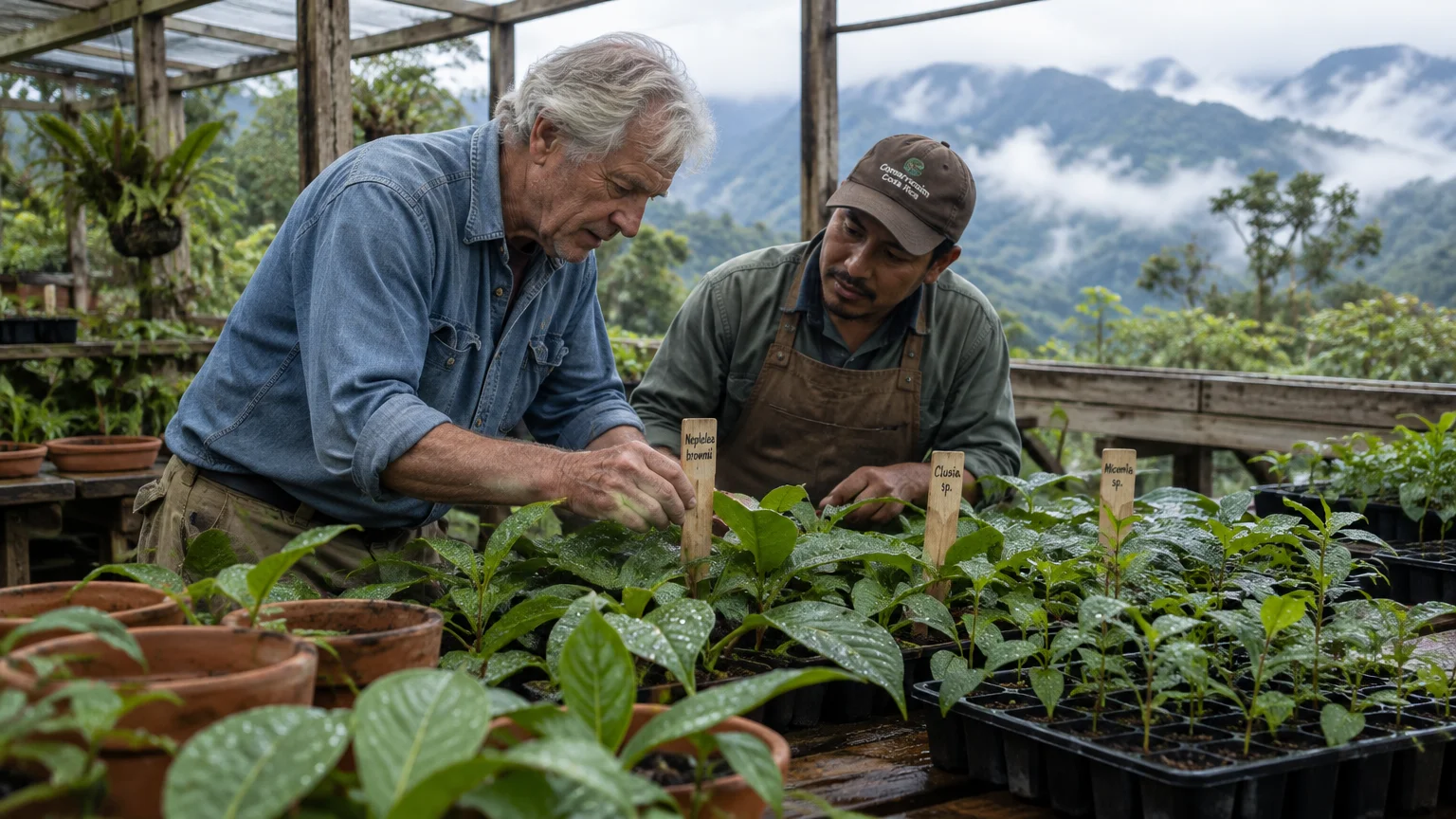
You can put your administrative and project-management skills to work on community-led heritage and conservation efforts overseas. At 67, your professional background is an invaluable asset for non-profits preserving cloud forests in Costa Rica or rural heritage sites in Ireland.
Commercial voluntourism often charges thousands of dollars for curated vacations that displace local workers rather than helping them. True community partnerships require vetting programs for direct accountability, verifiable community leadership, and financial transparency.
Planning an ethical international service retirement journey protects your savings while delivering genuine local aid. Here is how to evaluate programs, understand overseas healthcare rules, and maximize your practical impact.
In this guide8 sections
- Evaluating Commercial Voluntourism Versus Grassroots Non-Profits
- Applying Administrative Skills to Conservation and Heritage Projects
- Real Financial Breakdown: A 14-Day Service Placement Case Study
- Comparing Volunteer Placement Models for Older Adults
- Medicare Coverage Gaps and Foreign Medical Insurance
- A Step-by-Step Vetting Checklist for Ethical Placements
- Managing Banking and Social Security Benefits While Abroad
- Frequently Asked Questions
Evaluating Commercial Voluntourism Versus Grassroots Non-Profits
Commercial travel agencies frequently promote volunteer vacations over 60 as philanthropic getaways. In practice, many of these trips function as high-priced excursions where volunteer work serves as mere entertainment.
For-profit tour operators routinely charge between $2,500 and $5,000 per person for an eight-day package. A significant portion of those funds pays for overhead, luxury lodges, and private guides rather than community infrastructure.
These commercial arrangements can unintentionally harm local economies. When untrained travelers perform short manual labor stints, they often take construction or maintenance jobs away from local tradespeople.
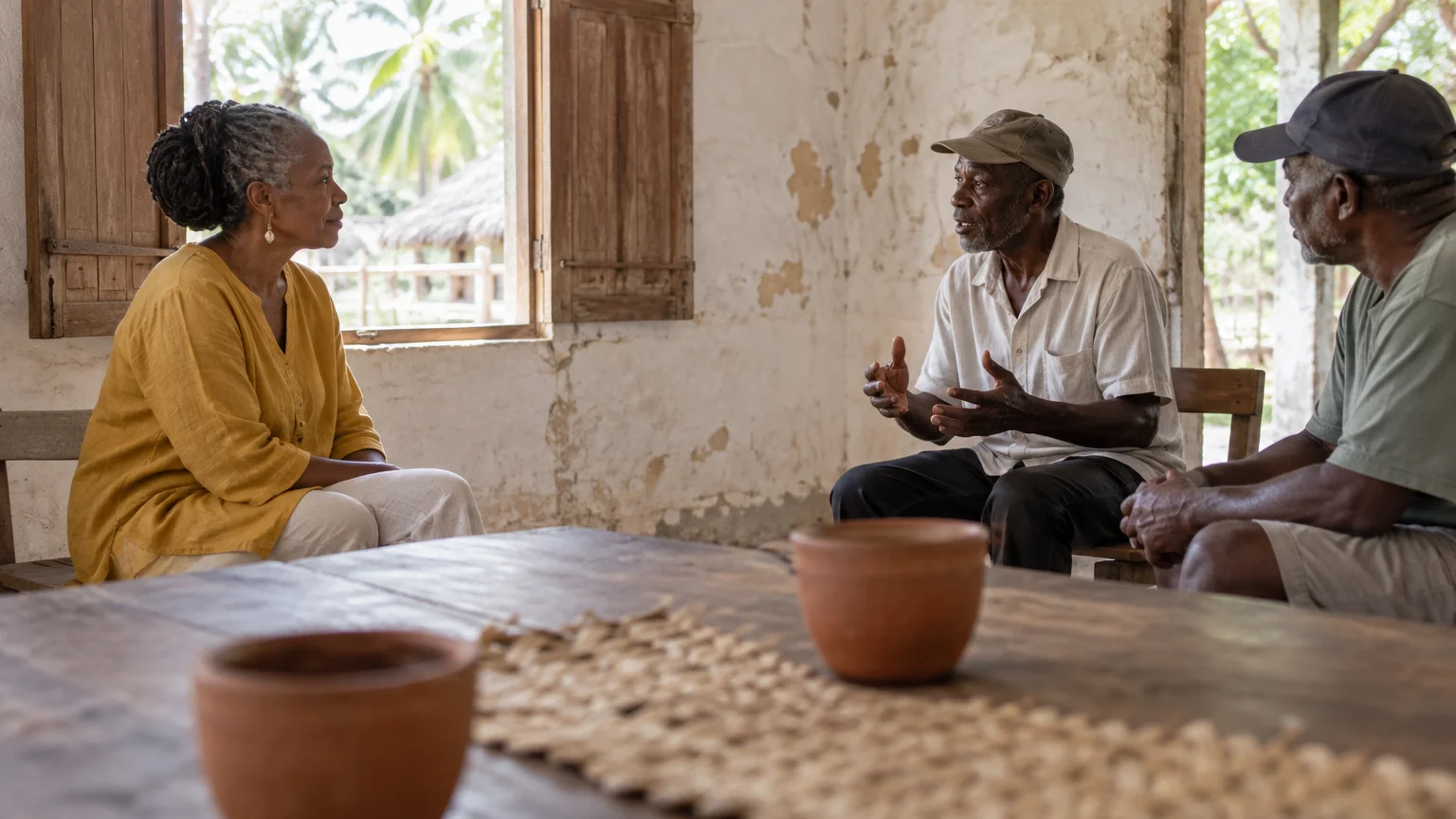
By contrast, authentic 501(c)(3) non-profit programs focus on capacity building. These organizations operate in direct response to formal invitations from local village councils, heritage boards, or wildlife trusts.
Non-profit program fees typically range from $1,500 to $3,200 for one- to two-week assignments. These fees directly cover modest homestays, meals cooked by local residents, and direct project grants for materials.
Ethical organizations match your specific career skills with genuine local deficits. They prioritize long-term, community-managed programs where foreign participants assist local leaders rather than directing them.

Applying Administrative Skills to Conservation and Heritage Projects
Many overseas volunteering seniors assume that international service requires strenuous physical labor like building clinics or clearing trails. However, rural conservation initiatives urgently need administrative and organizational support.
In Costa Rica, regional biological corridors and cloud forest reserves often struggle with grant tracking, digital asset organization, and visitor data logging. Your background in administrative coordination can streamline these back-office operations.
You can organize eco-tourism reservation systems, catalogue plant inventory logs, or establish standardized operating checklists for local field stations. These tasks relieve overworked local biologists and preserve operational continuity.
In Ireland, community-managed heritage trusts work to preserve oral histories, cemetery records, and ruined medieval structures. Projects in counties like Galway or Mayo depend heavily on meticulous recordkeeping.
Retired administrators can assist local historical societies by cataloguing parish artifacts, scanning historical documents, and transcribing field surveys. These tasks require precision, patience, and clear organizational systems.
Consider the administrative tasks that deliver the highest value to rural heritage and conservation trusts:
- Digitizing paper logs, land surveys, and library catalogues into searchable spreadsheets.
- Drafting standard volunteer manuals and front-desk reception checklists for community visitor centers.
- Organizing financial intake receipts and inventory tracking spreadsheets for local eco-cooperatives.
- Managing written correspondence and donor database upkeep for regional preservation charities.
- Proofreading and formatting English-language grant applications submitted to international conservation funds.
These skilled contributions leave behind durable tools that local staff members can maintain independently long after you return home.

Real Financial Breakdown: A 14-Day Service Placement Case Study
Carefully calculating your expenses ensures that international service retirement activities remain sustainable on a fixed income. Tax treatment differs dramatically between commercial trips and genuine non-profit assignments.
According to the IRS in Publication 526, out-of-pocket travel expenses incurred while providing services to a qualified 501(c)(3) organization may qualify as charitable deductions. You must claim these deductions on Schedule A.
However, the IRS strictly disallows travel deductions if your trip includes a significant element of personal pleasure, recreation, or vacation. For-profit tour packages never qualify for this deduction.
Consider this real-world financial scenario for a 67-year-old retired administrator participating in a 14-day archival conservation placement in Costa Rica through an established 501(c)(3) non-profit:
- 501(c)(3) Program Fee (covers homestay lodging, meals, and project materials): $1,950
- Roundtrip international airfare (Atlanta to San José): $520
- Ground transit between the airport and rural reserve: $90
- Specialized international medical travel insurance rider: $115
- Routine out-of-pocket incidentals: $150
- Total direct expenditure: $2,825
Because the non-profit placement requires forty hours per week of structured service without recreational tour excursions, the program fee, transit, and airfare qualify as charitable contributions. The total deductible amount equals $2,560.
For a retiree in the 22% marginal income tax bracket who itemizes deductions, a $2,560 deduction reduces federal income taxes by $563.20. That tax deduction lowers the true out-of-pocket cost of the entire service trip to $2,261.80.
If that same retiree booked a 14-day commercial volunteer vacation package, the tour fee would typically run $4,400, plus $520 airfare, with zero tax deductions allowed. The direct non-profit model saves over $2,600.
Note that the IRS does not allow you to deduct the financial value of your donated time, lost income, or professional hourly rates. Only unreimbursed cash expenditures qualify.
Comparing Volunteer Placement Models for Older Adults
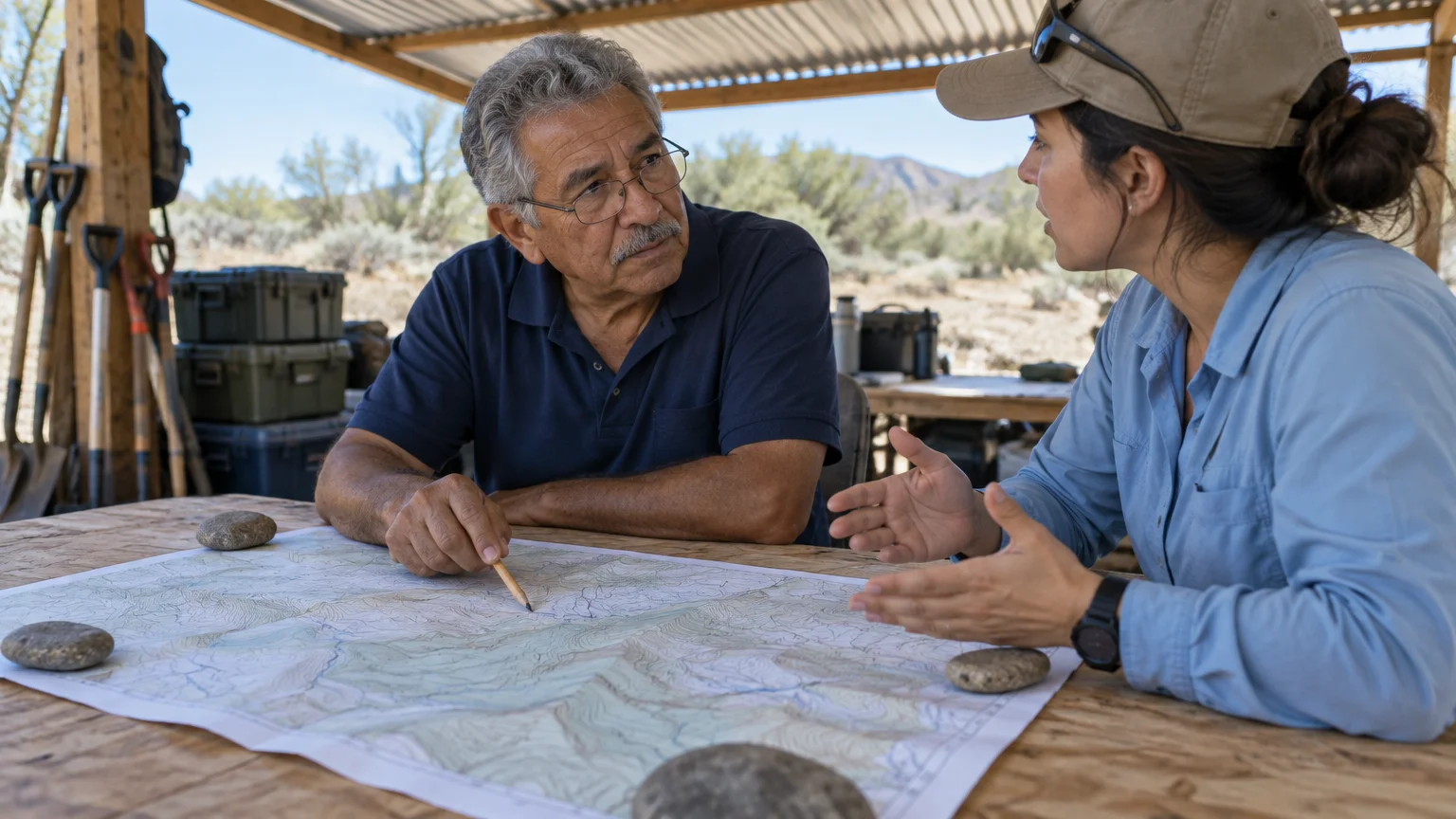
Choosing the correct service framework depends on your budget, health profile, and how long you wish to remain abroad. Different organizational structures offer vastly different levels of support.
The traditional Peace Corps requires a 27-month commitment, but the agency also manages Peace Corps Response. This program places experienced professionals in targeted assignments lasting between three and twelve months.
Peace Corps Response accepts older adults and has no upper age limit. In fact, roughly 3% to 7% of active Peace Corps volunteers are age 50 or older, with the oldest volunteer serving at age 87.
For retirees seeking assignments lasting one to four weeks, vetted 501(c)(3) service non-profits like Global Volunteers offer shorter project timelines. These models balance authentic field work with modest volunteer accommodations.
Review this direct comparison of the primary models available for international volunteer service:
| Placement Model | Typical Duration | Upfront Program Cost | IRS Tax Deductibility | Emergency Medical Coverage |
|---|---|---|---|---|
| Peace Corps Response | 3 to 12 months | $0 (receives living stipend) | Not applicable | Full medical care provided |
| 501(c)(3) Service Partner | 1 to 3 weeks | $1,500 to $3,200 | Eligible (Schedule A rules) | Requires supplemental policy |
| Commercial Tour Operator | 1 to 2 weeks | $2,500 to $5,000+ | Ineligible | Varies by commercial policy |
Commercial operators provide higher-end lodging and guided sightseeing, but they offer lower community integration. Non-profit models require greater independence while directing your fees to local benefit.

Medicare Coverage Gaps and Foreign Medical Insurance
Healthcare planning is a mandatory step before departing the United States for an overseas volunteer project. Many older volunteers mistakenly assume their existing health coverage travels with them.
Official guidance on Medicare.gov states that Original Medicare (Parts A and B) pays zero medical expenses outside the fifty United States and its territories. Medicare Advantage plans also typically exclude non-emergency care abroad.
If you experience an unexpected illness or injury during your project, you must pay all hospital and physician charges out-of-pocket unless you carry supplemental coverage. A medical evacuation flight can easily exceed $50,000.
Certain Medicare Supplement plans, specifically Medigap Plans C, D, F, G, M, and N, include a foreign travel emergency benefit. This benefit pays 80% of billed charges for medically necessary emergency care after a $250 annual deductible.
This Medigap foreign travel benefit carries a strict $50,000 lifetime maximum. Furthermore, the coverage only applies during the first 60 consecutive days of your trip abroad.
If your placement exceeds 60 days, or if you hold a Medicare Advantage plan without foreign benefits, you must purchase independent travel health insurance. Comprehensive policies provide direct medical payment and evacuation coordination.
Take these practical steps to prepare your medical coverage before serving abroad:
- Check your existing Medigap policy documents to confirm your foreign emergency coverage status.
- Purchase a standalone travel medical policy with at least $100,000 in emergency medical evacuation coverage.
- Obtain a three-month supply of daily maintenance medications, packed strictly in original pharmacy bottles.
- Carry a signed physician letter outlining your medical history, blood type, and generic drug names.
- Register your travel itinerary with the Smart Traveler Enrollment Program (STEP) through the U.S. Department of State.
Establishing these protections ensures that a sudden medical issue in rural Ireland or Costa Rica will not deplete your retirement assets.
A Step-by-Step Vetting Checklist for Ethical Placements
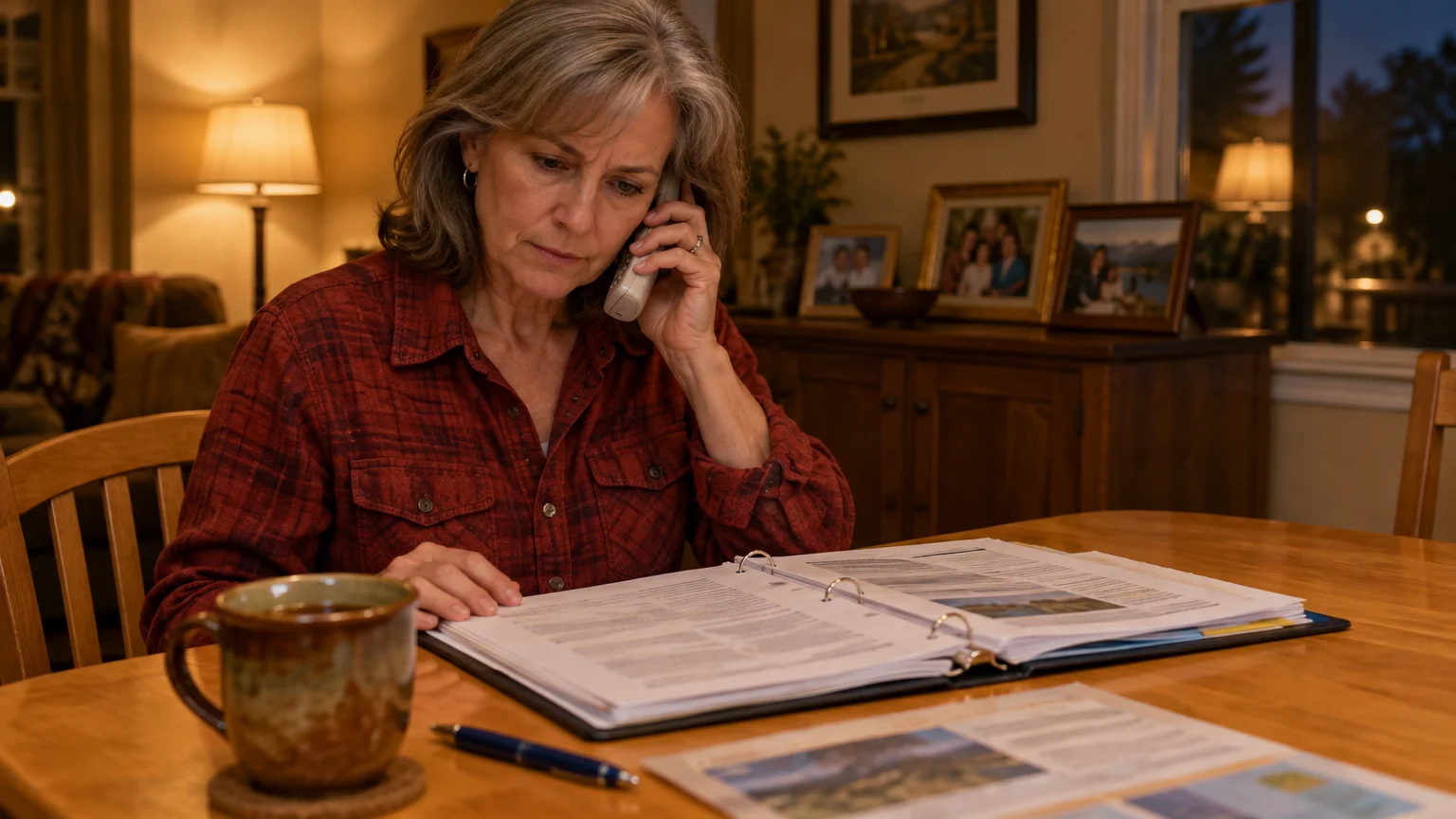
To avoid extractive voluntourism, you must systematically audit prospective service organizations before submitting a deposit. Ethical operations operate with complete organizational transparency.
Follow this vetting checklist to evaluate any potential volunteer program:
- Confirm non-profit status: Verify that the organization holds active 501(c)(3) status with the IRS or is a registered charity in the host country.
- Audit leadership structures: Ensure that local community members, rather than foreign directors, define project priorities and manage day-to-day operations.
- Review labor practices: Confirm that foreign volunteers perform technical or support tasks rather than replacing paid local manual laborers.
- Examine fee allocation: Request an itemized financial breakdown showing what percentage of your program fee remains in the local host economy.
- Assess sustainability metrics: Ask how the organization measures long-term project outcomes after international volunteers depart.
- Evaluate pre-departure training: Ensure the program provides thorough cultural orientation, language resources, and safety protocols before arrival.
If an organization promises hands-on contact with vulnerable populations or wildlife without requiring background checks or technical credentials, decline the opportunity. Legitimate community trusts enforce strict safety and ethics standards.
Managing Banking and Social Security Benefits While Abroad
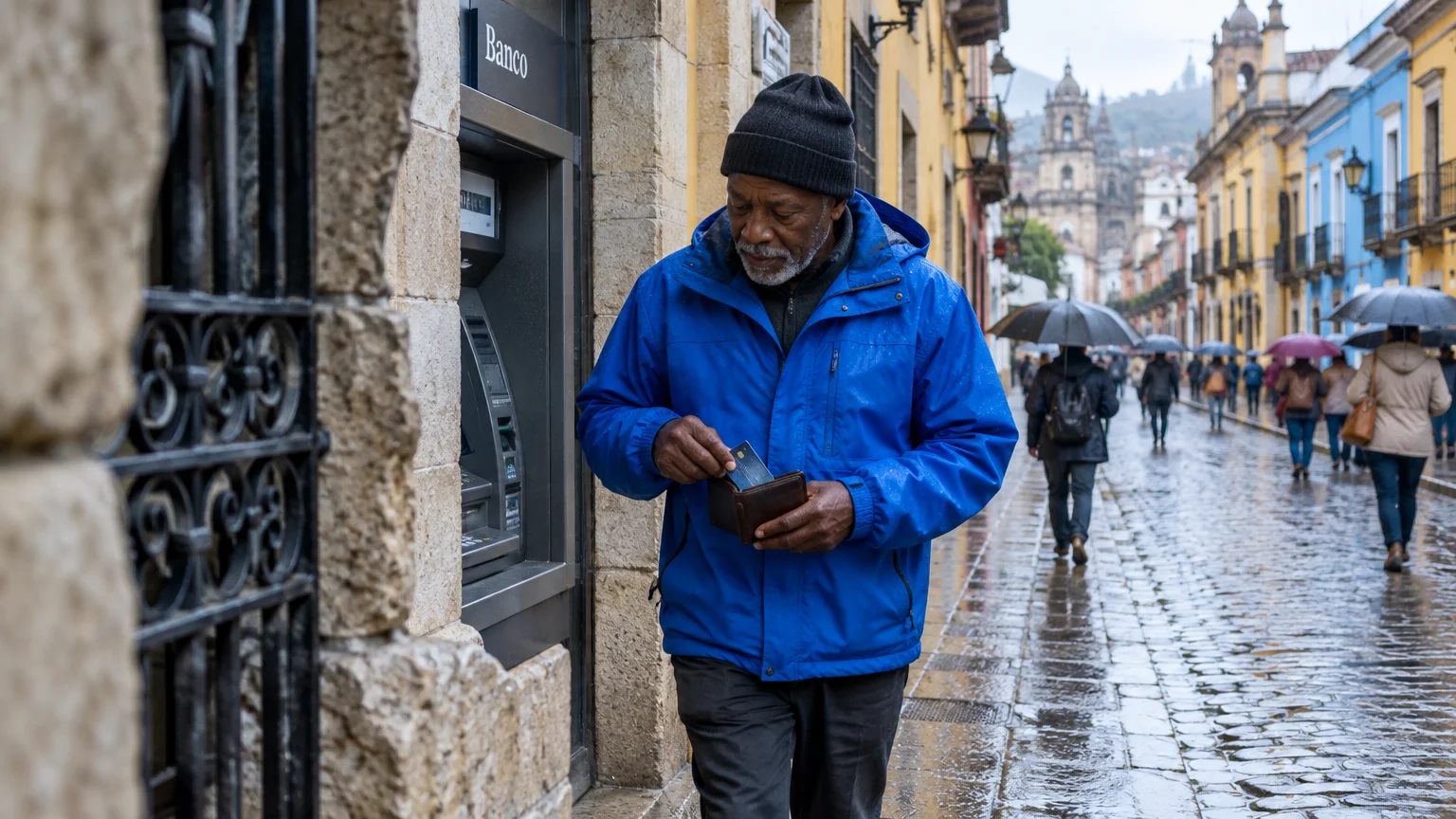
Serving overseas for several weeks or months requires coordinating your routine domestic finances. Fortunately, federal benefits remain accessible while traveling outside the United States.
According to the Social Security Administration, U.S. citizens can continue receiving regular monthly benefit payments while living or volunteering in most foreign countries. Direct deposit continues uninterrupted into your American bank account.
Set up multi-factor authentication on all banking accounts before traveling. Ensure your bank allows verification via an authenticator mobile app or email rather than text messages tied to domestic cellular towers.
Manage your banking logistics with these specific operational practices:
- Notify your credit union or bank of your travel dates and transit countries to prevent automated fraud freezes.
- Carry at least one credit card and one debit card that charge zero foreign transaction fees.
- Maintain an active digital copy of your passport, driver’s license, and health insurance card in secure cloud storage.
- Establish automatic bill payments for domestic utilities, insurance premiums, and property taxes before leaving.
Organizing your banking systems ahead of time ensures that your everyday retirement finances run smoothly while you focus on your field assignments.
Frequently Asked Questions
Are program fees for volunteer vacations over 60 tax-deductible?
Program fees are only tax-deductible if you serve a qualified 501(c)(3) organization and the trip lacks significant vacation or recreational elements. Commercial tour packages that combine service with leisure travel do not qualify under IRS rules.
Can I volunteer abroad if I have pre-existing medical conditions?
Yes, but you must choose assignments situated near suitable medical facilities. Purchase travel medical insurance that explicitly waives the pre-existing condition exclusion, and confirm your Medigap emergency foreign travel terms before departure.
Does the Peace Corps accept retirees for international service?
Yes. The Peace Corps has no maximum age limit.
Seniors represent up to 7% of volunteers, and Peace Corps Response offers shorter assignments lasting between three and twelve months for experienced professionals.
How do I know if an overseas conservation project is truly ethical?
Ethical projects are initiated, owned, and directed by local host communities rather than foreign marketing companies. Legitimate programs use volunteer fees to support local staff and never displace local workers from paid employment.
Disclaimer: This article is for informational purposes only. Benefits, programs, and regulations can change.
We encourage readers to verify current information with official government sources and consult with qualified professionals for personalized advice.


