

You served our nation with honor, and now, in your senior years, you deserve to understand and access every benefit earned through your service.
Many senior veterans and their families often remain unaware of the full spectrum of support available from the Department of Veterans Affairs (VA) and other government programs. These benefits can significantly enhance your quality of life, covering everything from healthcare to financial assistance and housing.
In addition to federal aid, many veterans find value in exploring state-specific benefits for seniors to maximize the support available in their local area.
This comprehensive guide details the key veteran benefits for senior citizens, walking you through eligibility, application processes, and crucial resources. We aim to equip you with practical, actionable information, helping you confidently navigate your entitlements and secure the support you need.
In this guide8 sections
- Understanding Your Eligibility: Who Qualifies?
- Navigating Healthcare for Senior Veterans
- Financial Support and Compensation
- Housing and Home Adaptation Benefits
- Burial and Memorial Benefits
- How to Apply for Veteran Benefits: A Step-by-Step Guide
- Key Resources and Support Systems
- Frequently Asked Questions
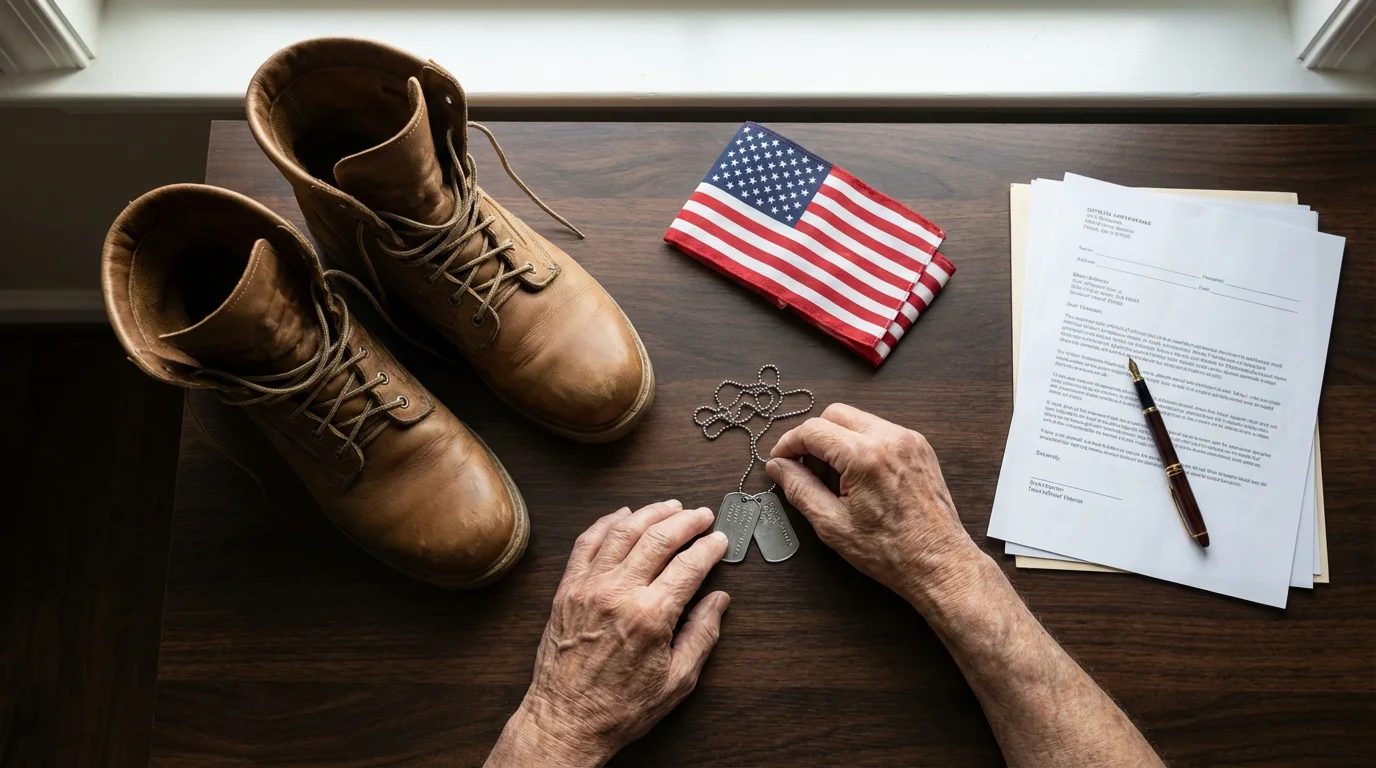
Understanding Your Eligibility: Who Qualifies?
Eligibility forms the foundation for accessing veteran benefits. While specific requirements vary by program, some core criteria apply across the board.
Generally, you must have served in the active military, naval, or air service and received an honorable discharge. National Guard and Reserve members may also qualify if they completed a federal active duty period.
Many community-based supportive services for older veterans are funded under the Older Americans Act, which aims to help seniors maintain dignity and independence.
Your service history, discharge status, and income levels often determine the type and extent of benefits you can receive. Do not assume you are ineligible without a thorough review of your service records and specific program requirements.
Many benefits also extend to surviving spouses and dependent children.
General Eligibility Criteria for Senior Veterans
Confirming your eligibility is the first vital step. The VA considers several factors:
To find personalized help with evaluating these requirements, you can contact your local Area Agency on Aging, which serves as a valuable resource hub.
- Service Requirement: You must have served for a minimum period, which varies by the era of service and the specific benefit. For example, many benefits require 24 months of continuous active duty or the full period for which you were called to active duty.
- Discharge Status: An honorable discharge is typically required. Other statuses like General Under Honorable Conditions may still qualify for some benefits, but a Dishonorable Discharge or Bad Conduct Discharge usually disqualifies you.
- Age: While not a direct eligibility criterion for all benefits, being a senior citizen (generally 65 and older) can open doors to specific programs like Aid and Attendance pension benefits, which consider the need for daily assistance.
- Income and Asset Limits: Some means-tested benefits, like the VA Pension, have strict income and asset limits. The VA calculates your “countable income” and compares it to income thresholds set by Congress.
Dependent and Survivor Eligibility
Your family members may also qualify for benefits. These include:
If you need assistance drafting documents for survivor benefits, you might consider reaching out to low-cost legal aid services for seniors.
- Spouses: Surviving spouses may receive Dependency and Indemnity Compensation (DIC) or pension benefits if certain conditions are met, such as the veteran’s death being service-connected or if the spouse meets income limits.
- Children: Dependent children, typically under 18 or 23 if still in school, may also be eligible for certain educational, healthcare, or financial benefits.

Navigating Healthcare for Senior Veterans
Your health is paramount, and the VA healthcare system provides comprehensive services for eligible veterans. As a senior veteran, understanding how VA healthcare integrates with other programs like Medicare is essential for maximizing your medical coverage.
VA Healthcare System Overview
The VA offers extensive healthcare benefits, including:
If you do not qualify for comprehensive VA care, you can also explore affordable community health clinics that provide medical services specifically for older adults.
- Primary Care: Regular check-ups, preventive care, and management of chronic conditions.
- Specialty Care: Access to a wide range of specialists, from cardiology to geriatrics.
- Prescription Medications: Affordable or free prescription drugs.
- Mental Health Services: Counseling, therapy, and psychiatric care for conditions like PTSD, depression, and anxiety.
- Dental Care: Generally limited to veterans with service-connected dental conditions or those who are 100% disabled.
- Geriatric and Extended Care: Services like home-based primary care, skilled nursing home care, and adult day healthcare.
Enrollment in VA healthcare usually depends on your service history, income, and service-connected disability status. You can apply for VA healthcare benefits online, by mail, or in person at a VA medical center.
TRICARE for Eligible Retirees
If you retired from the military, you and your family might qualify for TRICARE, the Department of Defense’s healthcare program. TRICARE options for seniors generally include TRICARE For Life, which works with Medicare Part A and Part B to provide comprehensive coverage.
TRICARE For Life acts as a secondary payer to Medicare, covering costs Medicare does not.
Connecting VA Healthcare with Medicare
Many senior veterans have both VA healthcare and Medicare. You can use both benefits, but they generally do not work together for the same service.
For example, if you receive care at a VA facility, the VA covers the cost. If you receive care from a non-VA provider, Medicare usually serves as your primary insurance, and you use your Medicare benefits.
You often retain Medicare Part B, even with VA healthcare, to ensure coverage outside the VA system or for services the VA may not cover.
For senior veterans who need help traveling to medical appointments or VA facilities, local senior transportation assistance programs can offer convenient transit options.

Financial Support and Compensation
Financial stability is a significant concern for many senior citizens living on fixed incomes. The VA offers several financial programs designed to provide regular income, assist with care costs, or compensate for service-related disabilities.
These veteran benefits can make a tangible difference in your daily finances.
As you apply for financial programs and share personal records, it is critical to remain vigilant against common scams targeting older adults to secure your sensitive personal data.
For more ways to manage your budget, consider reviewing tax credits and deductions for seniors that can help reduce your overall annual tax burden.
Disability Compensation
If you have a service-connected disability, you may receive monthly tax-free payments. The amount depends on your disability rating, which the VA assigns based on the severity of your condition.
Ratings range from 0% to 100% in 10% increments. Conditions can include physical injuries, chronic illnesses, or mental health issues directly caused or aggravated by your military service.
Senior veterans often find that conditions that seemed minor decades ago can worsen with age, making it crucial to re-evaluate potential service connections.
VA Pension Benefits
The VA Pension is a needs-based benefit providing a regular income to wartime veterans with limited financial resources. You must meet specific service requirements, be permanently and totally disabled, or be age 65 or older.
This pension can be particularly helpful for senior veterans managing modest incomes.
Aid and Attendance and Housebound Benefits
These are increased pension amounts available to eligible veterans or their surviving spouses who require the aid of another person for daily living activities or are substantially confined to their homes.
These benefits are not separate pensions but rather additional allowances added to the basic VA Pension. They recognize the significant costs associated with long-term care, whether at home or in an assisted living facility.
Applying for Aid and Attendance requires medical documentation confirming the need for assistance. This valuable benefit can provide thousands of dollars monthly, helping to offset the high costs of senior care.
“Understanding your service-connected conditions and how they impact your daily life, even decades later, is key to accessing deserved disability compensation. Never underestimate the lasting effects of your service.”
Death and Burial Benefits
The VA offers financial assistance for burial and funeral expenses for eligible veterans. This can include a burial allowance and transportation reimbursement.
Surviving spouses may also qualify for Dependency and Indemnity Compensation (DIC) if the veteran’s death resulted from a service-connected disability or occurred while on active duty.

Housing and Home Adaptation Benefits
Maintaining a safe and accessible home is vital for seniors. The VA provides various housing-related benefits that can assist senior veterans with homeownership, modifications, or specialized housing needs.
VA Home Loan Guarantee
While often associated with younger veterans, the VA Home Loan Guarantee remains a powerful tool for senior veterans. You can use it to purchase a new home, refinance an existing mortgage, or even make energy-efficient improvements.
It offers significant advantages, including no down payment requirements for most loans and competitive interest rates, potentially lowering your monthly housing costs.
Additionally, if you already own your home, you may want to look into property tax exemptions for seniors to further reduce your annual housing expenses.
Specially Adapted Housing (SAH) and Special Home Adaptation (SHA) Grants
These grants help certain service-connected disabled veterans purchase, construct, or modify a home to accommodate their disability. The SAH grant is for veterans with specific severe service-connected disabilities, such as loss of use of lower extremities.
The SHA grant helps veterans with permanent and total service-connected disabilities, such as severe burns, adapt their existing home or buy an adapted home.
These grants directly improve accessibility and independent living, making your home safer and more comfortable as you age with a disability.

Burial and Memorial Benefits
For many veterans and their families, the final act of honor involves burial and memorialization. The VA provides several benefits to ensure veterans receive a dignified final resting place and that their service is remembered.
Burial in VA National Cemeteries
Eligible veterans, their spouses, and dependent children can be buried in a VA national cemetery at no cost. This benefit includes the gravesite, opening and closing of the grave, a grave liner, and perpetual care.
Headstones or markers are also provided.
Headstones, Markers, and Burial Flags
The VA furnishes a government headstone, marker, or medallion for the grave of an eligible veteran in any cemetery, national or private. A United States flag is provided to drape the casket or accompany the urn of a deceased veteran.
After the funeral, the flag is presented to the next of kin.
Presidential Memorial Certificates
A Presidential Memorial Certificate (PMC) is an engraved paper certificate signed by the current President, honoring the memory of honorably discharged deceased veterans. Family members can request these to commemorate their loved one’s service.

How to Apply for Veteran Benefits: A Step-by-Step Guide
Applying for veteran benefits can seem daunting, but breaking the process down into manageable steps simplifies it. Patience and thorough documentation are your best allies.
If you encounter challenges with your application, legal aid for seniors can provide the professional assistance needed to secure your entitlements.
Step 1: Gather Your Documents
Preparation is key. You will need several crucial documents to support your claims:
- DD214 (Certificate of Release or Discharge from Active Duty): This is the most critical document, proving your service and discharge status.
- Medical Records: Both service medical records and current private medical records if you are claiming a service-connected disability.
- Financial Records: Income and asset statements for means-tested benefits like the VA Pension.
- Marriage Certificate/Birth Certificates: If applying for dependent or survivor benefits.
- Death Certificate: For survivor benefits.
Step 2: Choose Your Application Method
The VA offers several ways to apply for benefits:
- Online: Use the VA.gov website to apply for most benefits. This is often the quickest and most efficient method.
- By Mail: Download forms from VA.gov, complete them, and mail them to the appropriate VA regional office.
- In Person: Visit a VA regional office or a VA medical center.
- With a Veteran Service Officer (VSO): This is highly recommended for complex claims.
Step 3: Work with a Veteran Service Officer (VSO)
Veteran Service Officers are trained and accredited professionals who assist veterans and their families free of charge. They understand the VA system, help gather necessary documentation, complete forms correctly, and advocate on your behalf.
You can find VSOs through organizations like the American Legion, Veterans of Foreign Wars (VFW), or state and county veterans affairs offices. They significantly increase your chances of a successful claim.
According to USA.gov, working with an accredited VSO can streamline the application process and help you avoid common pitfalls. Visit the USA.gov Benefits portal for more information on finding assistance.
Step 4: Follow Up on Your Application
After submitting your application, you can track its status online through VA.gov or by calling the VA directly. Be prepared for potential requests for additional information.
Responding promptly ensures your claim continues to move forward.

Key Resources and Support Systems
Navigating the world of veteran benefits involves understanding where to find reliable information and assistance. Several organizations and government websites exist to support you.
- VA.gov: The official website for the Department of Veterans Affairs. This portal is your primary source for information on all VA benefits, application forms, and tracking claim status.
- Benefits.gov: This federal government website helps you find federal, state, and local benefits you may be eligible for. It features a questionnaire that can match you to relevant programs. Visit Benefits.gov to explore a wider range of assistance.
- Eldercare Locator: A public service of the U.S. Administration for Community Living, the Eldercare Locator connects you to services for older adults and their families. This includes local agencies on aging and organizations that can help with veteran-specific needs. Find local support at Eldercare Locator.
- National Council on Aging (NCOA) BenefitsCheckUp: This free online service helps older adults and their caregivers identify federal, state, and local programs that can help pay for medications, healthcare, food, and more. While not exclusive to veterans, it can identify complementary benefits. Check your eligibility at NCOA BenefitsCheckUp.
- Accredited Veteran Service Organizations (VSOs): As mentioned, organizations like the American Legion, VFW, Disabled American Veterans (DAV), and state/county VSOs provide free, expert assistance with claims.
Frequently Asked Questions
Q: Can I receive VA Pension and Social Security benefits at the same time?
A: Yes, you can receive both VA Pension and Social Security benefits concurrently. The VA considers your Social Security income when determining eligibility and the amount for your VA Pension, as it is a needs-based benefit with income limitations.
Q: If I have Medicare, do I still need VA healthcare, or vice versa?
A: Many senior veterans benefit from having both. VA healthcare covers services at VA facilities, while Medicare covers care from non-VA providers.
You can choose which system to use for different services. Maintaining Medicare Part B is generally recommended to ensure comprehensive coverage outside the VA system.
Q: My spouse passed away many years ago. Can I still apply for survivor benefits?
A: Yes, there is generally no time limit to apply for most VA survivor benefits, such as Dependency and Indemnity Compensation (DIC) or the VA Survivors Pension. Eligibility depends on factors like the veteran’s service, cause of death, and the survivor’s income.
You should gather all relevant documents and consult a VSO.
Q: What is the difference between VA Disability Compensation and VA Pension?
A: VA Disability Compensation is a tax-free monetary benefit paid to veterans who have service-connected disabilities, regardless of income. VA Pension is a needs-based benefit, meaning it is paid to wartime veterans who meet certain age or disability requirements and have limited income and assets.
Q: How long does it take to get approved for VA benefits?
A: The processing time for VA claims varies significantly depending on the type of benefit, the complexity of your case, and the completeness of your application.
Some claims may be processed in a few months, while more complex disability claims could take longer, sometimes over a year. Using a VSO and providing all requested documentation promptly can help expedite the process.
Disclaimer: This article is for informational purposes only. Benefits, programs, and regulations can change.
We encourage readers to verify current information with official government sources and consult with qualified professionals for personalized advice.
2 Comments