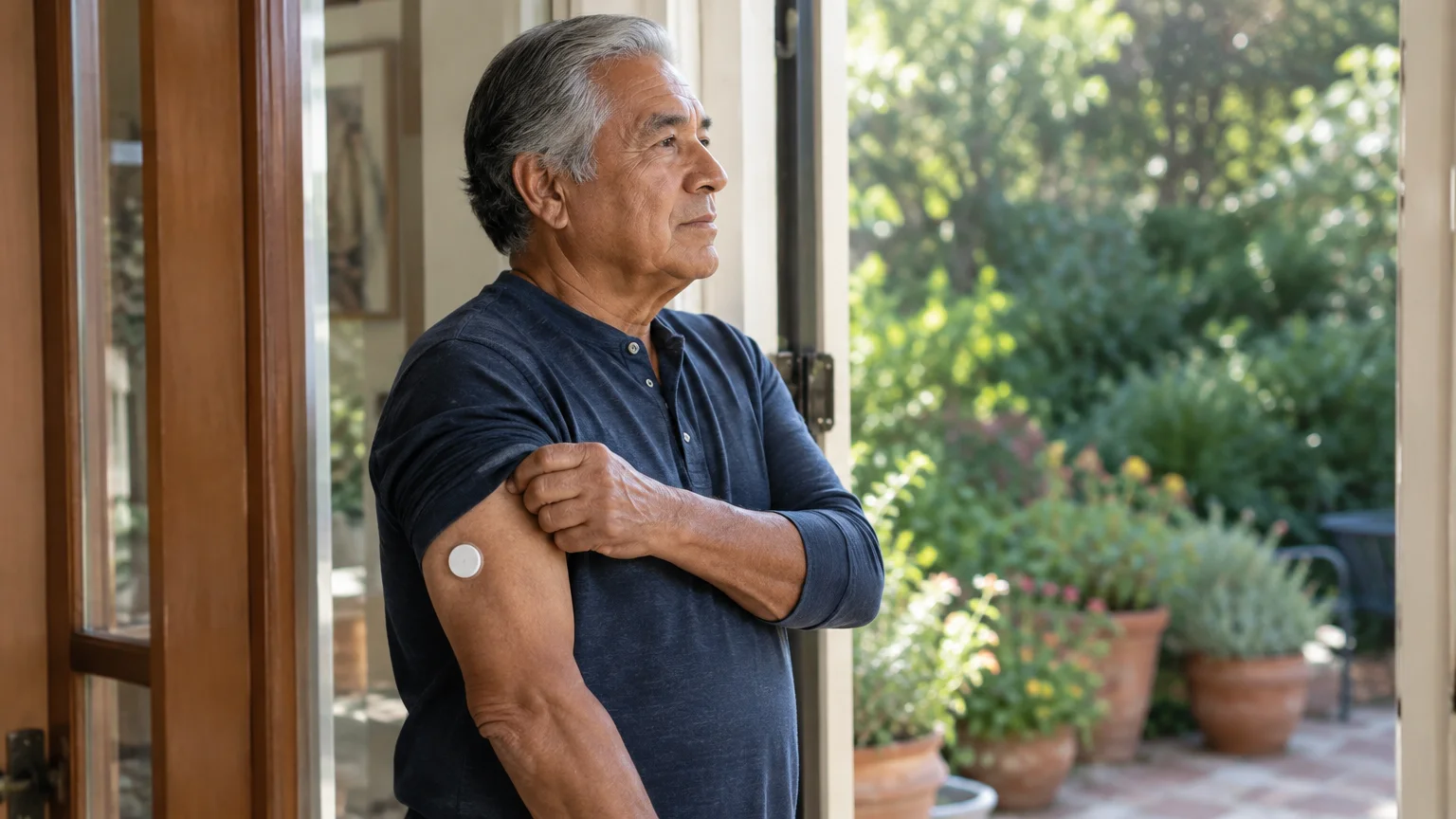
You can get Medicare Part B to pay for a continuous glucose monitor even if you only take a single daily dose of basal insulin.
Medicare updated its coverage rules under Local Coverage Determination L33822, eliminating the old mandate requiring four daily fingersticks and multiple daily injections.
Most doctors still believe you must inject mealtime insulin three times a day to qualify. That outdated belief costs 69-year-old retirees hundreds of dollars out of pocket each month for monitors like the Dexcom G7 and FreeStyle Libre 3.
This guide explains the exact medical documentation, physician appointment timeline, and equipment orders needed to secure 80% to 100% Medicare coverage this year.
In this guide9 sections
- The Updated Medicare Coverage Rules for Type 2 Diabetes
- How to Qualify with Once-Daily Basal Insulin
- Qualifying Without Insulin: Problematic Hypoglycemia Rules
- The Step-by-Step Medical Order Process
- The Physical Receiver Rule Most Patients Miss
- Comparing Covered Devices: Dexcom vs FreeStyle Libre
- Out-of-Pocket Costs and a Real-World Worked Example
- How to Maintain Coverage and Prevent Denied Refills
- Frequently Asked Questions

The Updated Medicare Coverage Rules for Type 2 Diabetes
Medicare Part B covers continuous glucose monitors as Durable Medical Equipment (DME). This benefit category covers both the physical sensor hardware and monthly replacement supplies.
For years, Medicare enforced restrictive criteria that excluded most people with Type 2 diabetes. Beneficiaries had to prick their fingers at least four times daily and inject insulin three or more times every day.
The Centers for Medicare & Medicaid Services changed this policy nationwide under Local Coverage Determination L33822. Effective April 16, 2023, Medicare eliminated the four-fingerstick mandate entirely.
Today, medicare coverage cgm type 2 diabetes applies to anyone using any daily amount of insulin. You qualify whether you inject rapid-acting insulin with meals or take a single long-acting dose before bed.
Beneficiaries who do not use insulin can also qualify under specific clinical conditions. Medicare now covers monitors for non-insulin patients who experience frequent or severe drops in blood sugar.
Official coverage standards published on Medicare.gov confirm that Part B pays 80% of the approved DME cost once you meet your deductible. Medigap policies step in to pay the remaining 20% balance.
How to Qualify with Once-Daily Basal Insulin
If you are 69 years old and take long-acting basal insulin once a day, you meet Medicare’s primary clinical standard. Medications in this category include insulin glargine, insulin detemir, and insulin degludec.
If your initial request is rejected due to missing paperwork, learning how to appeal a Medicare coverage denial can help reverse the decision quickly.
Your doctor must verify your diagnosis and current medication routine in your formal clinical record. Medicare requires specific documentation in your medical notes before approving equipment delivery.
You must meet four core criteria during your medical evaluation:
- A documented clinical diagnosis of diabetes mellitus.
- Active daily treatment with insulin, including once-daily basal injections.
- Demonstration that you or your caregiver received proper training on device operation.
- An in-person or approved telehealth appointment with your doctor within six months of the prescription.
Medicare will deny the claim if your doctor writes the order without documenting insulin usage. The clinical note must state your exact daily dose and injection frequency.
You do not need to present fingerstick logs showing multiple tests per day. The physician only needs to document that a continuous monitor will help you adjust your daily insulin management safely.
Many primary care clinics remain unaware of the April 2023 policy update. Bringing a copy of Local Coverage Determination L33822 to your appointment prevents unnecessary prescription refusals.

Qualifying Without Insulin: Problematic Hypoglycemia Rules
Seniors who manage Type 2 diabetes with oral medications like glipizide or glimepiride can still secure coverage. You qualify if your medical chart shows evidence of problematic hypoglycemia.
CMS defines problematic hypoglycemia using two distinct medical benchmarks. Meeting either threshold satisfies the DME coverage criteria for continuous monitoring.
- Recurrent Level 2 hypoglycemia, defined as more than one blood glucose reading below 54 mg/dL that persists despite medication adjustments.
- Level 3 hypoglycemia, defined as a severe low blood glucose event below 54 mg/dL that causes altered mental or physical status requiring third-party assistance.
To qualify under Level 2 rules, keep a detailed glucose journal showing recurring readings below 54 mg/dL. Your doctor must document that adjusting your oral medications failed to stop these low events.
Level 3 events require clinical documentation of an acute episode. Hospital discharge summaries, paramedic run reports, or detailed clinic notes describing an emergency will satisfy Medicare reviewers.
When submitting a claim under problematic hypoglycemia rules, your doctor must explain why traditional fingersticks fail to alert you to dangerous drops. Documentation of hypoglycemia unawareness strengthens your file.

The Step-by-Step Medical Order Process
Securing approval requires following a strict administrative workflow between your physician and the medical equipment supplier. Missing a single form can delay your shipment by several months.
Knowing the right documentation pathways is an essential part of maximizing your Medicare benefits across all specialized medical equipment.
- Schedule a comprehensive diabetes evaluation with your prescribing doctor within the six months preceding your initial device order.
- Ask your doctor to complete a Standard Written Order (SWO) and Certificate of Medical Necessity specifying your chosen monitor brand.
- Have your doctor’s billing staff transmit your chart notes directly to a Medicare-enrolled DME supplier.
- Confirm that the DME supplier verifies Medicare assignment before processing your shipment.
- Receive your initial shipment, which must contain both the physical receiver unit and your monthly sensors.
Many primary care clinics attempt to send CGM orders to standard retail pharmacies. While some retail pharmacies hold DME contracts, others process claims under Part D prescription drug benefits, causing unexpected rejections.
Ensure your doctor’s staff routes the paperwork to an accredited DME provider rather than a standard pharmacy clearinghouse. This single distinction prevents claim denials before equipment leaves the warehouse.
If your primary clinic lacks DME processing experience, federal support resources on Benefits.gov can help you locate accredited regional medical suppliers.
The Physical Receiver Rule Most Patients Miss
Most retirees plan to view their continuous glucose readings directly on a smartphone. However, Medicare rules classify continuous monitors strictly as Durable Medical Equipment.
Always verify unsolicited calls from medical equipment companies, as avoiding Medicare scams is critical when dealing with DME orders.
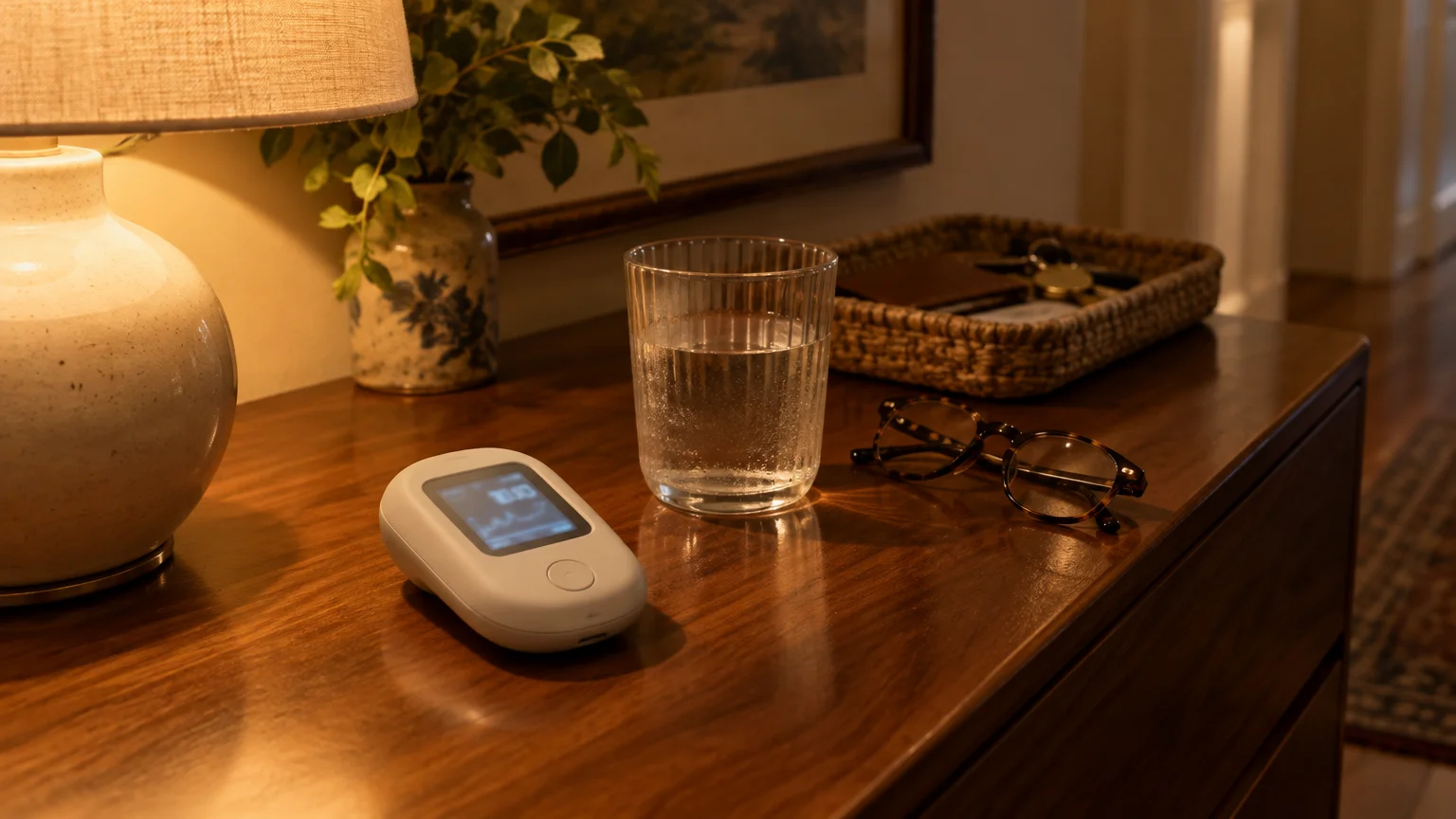
Under DME billing codes, a commercial smartphone does not qualify as medical equipment. Because of this legal classification, Medicare requires the dispensing of a dedicated hardware receiver unit.
Your doctor must prescribe the physical receiver alongside your first sensor order. The equipment supplier must bill Healthcare Common Procedure Coding System code E2103 for this standalone receiver device.
If a supplier ships only the sensors without billing the receiver, Medicare will automatically deny the sensor claims. You can still download the mobile app to your phone, but you must keep the receiver in your home.
You only need to order this physical receiver once every five years. Medicare considers the receiver durable hardware, while treating the sensors as recurring disposable supplies.
Check your initial delivery box carefully when it arrives. If the physical receiver is missing, contact your supplier immediately to prevent billing issues on your next refill.
Comparing Covered Devices: Dexcom vs FreeStyle Libre
Medicare covers several major continuous glucose monitoring systems under its DME benefit. Both Dexcom and Abbott FreeStyle Libre devices satisfy federal performance guidelines.
Factoring in ongoing supply expenses is essential when reviewing healthcare costs in retirement.
Understanding dexcom medicare part b requirements and freestyle libre medicare coverage rules helps you select the right system for your daily routine.
| Device Model | Sensor Wear Duration | Warm-Up Period | Dedicated Receiver Model | Factory Calibrated |
|---|---|---|---|---|
| Dexcom G7 | 10.5 days | 30 minutes | Dexcom G7 Receiver | Yes (fingersticks optional) |
| FreeStyle Libre 3 | 14 days | 60 minutes | Libre 3 Reader | Yes (fingersticks optional) |
| FreeStyle Libre 2 | 14 days | 60 minutes | Libre 2 Reader | Yes (fingersticks optional) |
| Dexcom G6 | 10 days | 120 minutes | Dexcom G6 Touchscreen Receiver | Yes (fingersticks optional) |
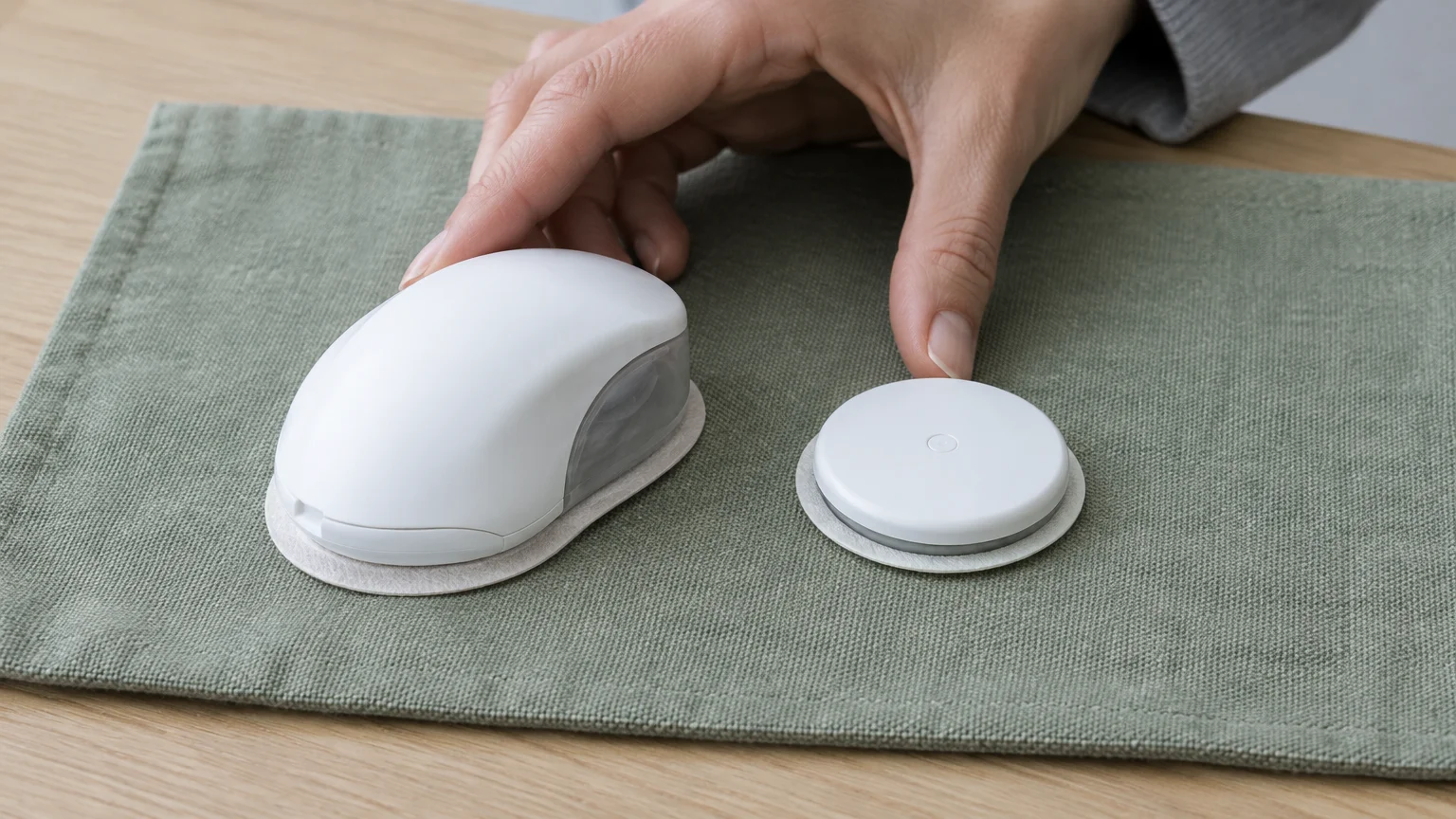
The Dexcom G7 combines the sensor and transmitter into a single disposable unit. It warms up in 30 minutes and alerts you to rapid glucose shifts with customizable audible alarms.
The FreeStyle Libre 3 offers a tiny sensor that lasts 14 days on the back of your upper arm. It streams real-time glucose readings to the reader every minute without requiring manual scanning.
Both platforms eliminate regular fingersticks for daily dosing decisions. However, you must keep a traditional blood glucose meter on hand to verify readings during sudden symptom discrepancies.

Out-of-Pocket Costs and a Real-World Worked Example
Understanding your actual expenses requires looking at Part B deductibles and coinsurance rules. Medicare pays 80% of the allowable DME rate, while you or your supplemental insurance pay the remaining 20%.
The Part B annual deductible is $257 in 2025. If you have not met this deductible through doctor visits or lab work, your first CGM order covers that initial balance.
Consider this realistic financial scenario for a 69-year-old retiree managing Type 2 diabetes with once-daily basal insulin:
- Beneficiary profile: Robert, age 69, prescribed 22 units of insulin glargine once daily at bedtime.
- Coverage: Enrolled in Original Medicare Part B alongside a standard Medigap Plan G policy.
- Prescribed equipment: FreeStyle Libre 3 reader and a 90-day supply of sensors (six 14-day sensors).
- Allowable Medicare DME rates: $140 for the physical reader unit and $210 per 30-day sensor supply ($630 total for 90 days).
- Initial order total allowable charges: $770 ($140 reader + $630 sensors).
Assume Robert orders his equipment in January before incurring any other medical expenses for 2025. Medicare applies his $257 Part B deductible directly to the first $770 claim.
The remaining balance equals $513 after subtracting the deductible. Medicare Part B pays 80% of this remaining amount, which totals $410.40.
The remaining 20% coinsurance equals $102.60. Because Robert holds Medigap Plan G, his supplemental policy pays this entire $102.60 coinsurance charge.
Robert pays only his $257 Part B annual deductible out of pocket for this initial 90-day setup. For the rest of the calendar year, Medigap pays the full 20% coinsurance on every refill.
By contrast, purchasing the same Libre 3 sensors at retail without Medicare coverage costs approximately $150 per month, or $1,800 every year. Robert saves over $1,500 during his first year alone.
You can also use non-profit tools on NCOA BenefitsCheckUp to locate state-specific pharmaceutical assistance programs if you do not carry Medigap coverage.

How to Maintain Coverage and Prevent Denied Refills
Getting your initial shipment approved is only the first hurdle. Medicare enforces strict ongoing compliance rules to authorize recurring sensor deliveries throughout the year.
If your supplier or regional carrier improperly rejects an initial request, review the process for how to appeal a Medicare coverage denial to overturn the decision quickly.
You must complete an evaluation with your prescribing physician at least once every six months. The doctor must document that you wear the monitor regularly and use the glucose data to guide your treatment.
Keep the following maintenance checklist in mind to prevent billing disruptions:
- Schedule your follow-up appointments every five to six months without gaps.
- Upload your sensor data before appointments so your doctor can view your time-in-range metrics.
- Confirm that your doctor documents your ongoing daily basal insulin usage in every progress note.
- Answer your DME supplier’s refill confirmation calls promptly before each 90-day shipment.
- Never allow a supplier to ship sensors automatically without your explicit consent.
Federal regulations forbid DME suppliers from placing continuous glucose supplies on automated recurring shipping. You must confirm that you have fewer than 10 days of sensors remaining before they can release a new box.
If your supplier issues a denial, request an immediate written Explanation of Benefits. Most initial denials stem from missing clinical chart notes or outdated physician signatures rather than genuine medical disqualification.
Frequently Asked Questions
Does Medicare Advantage cover continuous glucose monitors differently than Original Medicare?
Medicare Advantage plans must provide at least the same clinical coverage as Medicare Part B. However, many Advantage plans process continuous monitors through their Part D pharmacy network with flat copayments instead of DME coinsurance.
Can I get Medicare coverage if I take metformin and do not use insulin?
Yes, but you must document problematic hypoglycemia in your medical records. You need clinical chart notes showing recurrent readings below 54 mg/dL or a severe event requiring third-party assistance.
Will Medicare cover sensors if I throw away the dedicated receiver and use my smartphone?
Yes, you can view your data primarily on your smartphone app. However, your supplier must bill the physical receiver to Medicare on your first claim, and you should retain the receiver at home.
How many days of sensors will Medicare ship at one time?
Medicare DME guidelines permit suppliers to dispense up to a 90-day supply of replacement sensors per shipment. You must verify that you are running low on supplies before each subsequent order ships.
What happens if my continuous glucose sensor falls off early?
Both Dexcom and Abbott provide free replacement sensors directly to consumers when an adhesive fails before the rated wear time. Contact the manufacturer’s customer service department directly rather than submitting an extra Medicare claim.
Disclaimer: This article is for informational purposes only. Benefits, programs, and regulations can change.
We encourage readers to verify current information with official government sources and consult with qualified professionals for personalized advice.