

Your Social Security Number, or SSN, serves as a crucial identifier throughout your life. It connects to your Social Security benefits, Medicare, tax records, and even your credit history. Unfortunately, this makes it a prime target for identity thieves. Losing control of your SSN can lead to significant financial distress and emotional burden, especially for retirees living on fixed incomes.
Protecting your SSN is an ongoing responsibility. This article provides practical, actionable strategies to help you safeguard this vital piece of information. You will learn how to recognize common threats, implement daily prevention methods, and know exactly what steps to take if your SSN becomes compromised.

Understanding Your Social Security Number’s Importance
Your Social Security Number acts as your personal anchor in many governmental and financial systems. It is more than just a nine-digit number, it is the key to many of your entitlements and financial standing. Understanding its pervasive use helps you appreciate why protecting it is so critical.
It is also helpful to distinguish facts from fiction by reviewing common Social Security myths before you begin the application process.
You use your SSN for several important purposes. For instance, the Social Security Administration uses it to track your earnings history and calculate your retirement benefits. The Internal Revenue Service, or IRS, uses it to identify you for tax purposes.
Beyond government functions, your SSN plays a role in your personal financial life. Lenders, credit bureaus, and even medical providers often request it. It identifies you when you open a bank account, apply for a loan, or seek medical care, making it a central piece of your financial identity. Because of its widespread use, it becomes an attractive target for criminals. Identity thieves can open new credit accounts, file fraudulent tax returns, or even claim your Social Security benefits using your stolen number.
Common Ways Identity Thieves Target Your SSN
Identity thieves employ various deceptive tactics to get hold of your SSN. Recognizing these methods is the first step in protecting yourself. Many scams specifically target older Americans, preying on trust or fear.
Beyond identity theft, staying informed about broader methods of preventing scams can help you protect your nest egg from predatory tactics.
Here are common ways criminals attempt to steal your Social Security Number:
- Phishing Scams: Thieves send fraudulent emails, text messages, or make phone calls pretending to be from official organizations like the Social Security Administration, IRS, or your bank. They create a sense of urgency, often threatening arrest or loss of benefits, to pressure you into revealing your SSN. Remember, legitimate agencies do not demand your SSN over unsolicited calls or emails.
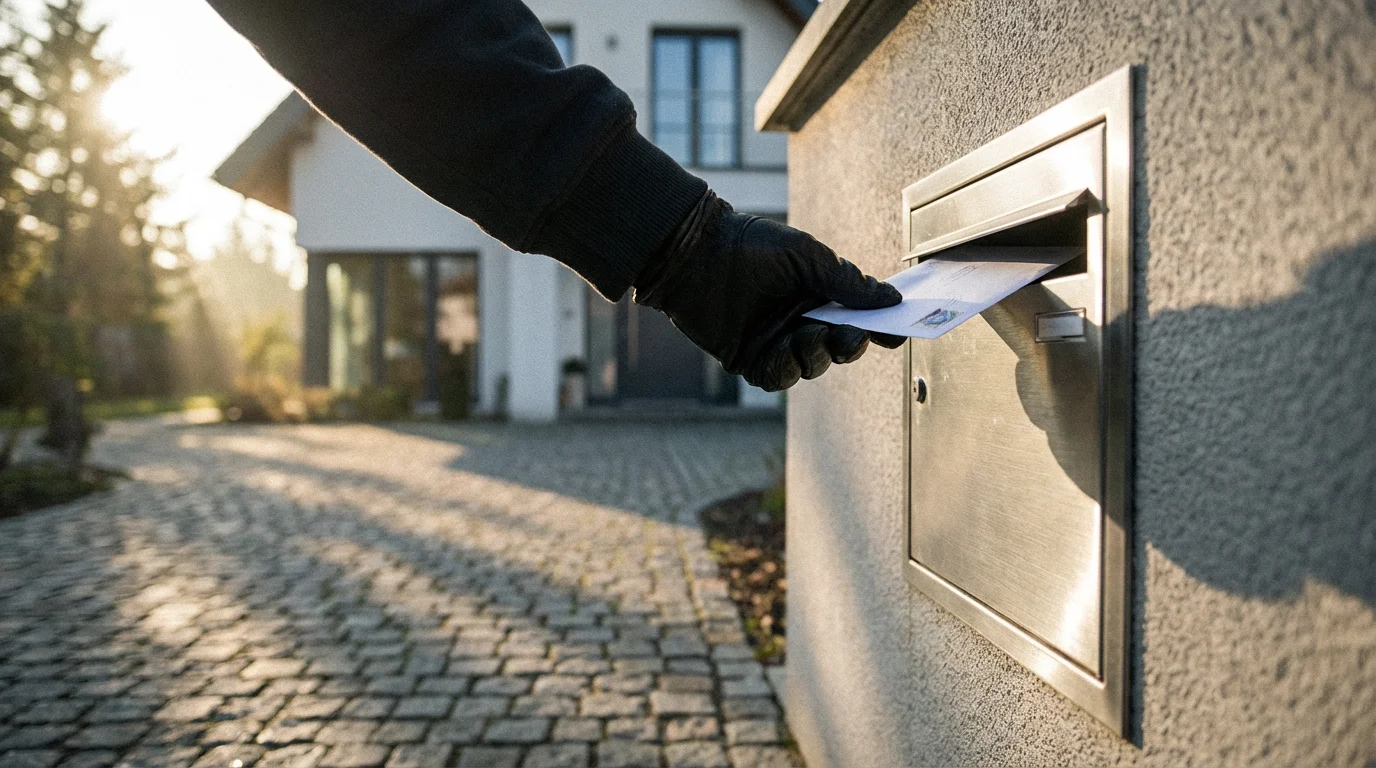
- Mail Theft: Criminals may steal mail from your mailbox, looking for bank statements, tax documents, or other correspondence containing personal information, including your SSN. Using a locked mailbox can help prevent this.
- Data Breaches: Large companies, government agencies, or even medical facilities can experience data breaches. If a company storing your information is hacked, your SSN and other personal data may be exposed. You usually receive notification if you are affected by a breach.
- “Grandparent Scams”: A scammer pretends to be a grandchild in distress, needing money immediately. While not directly asking for an SSN, these scams can lead to other financial exploitation, and sometimes lead to requests for personal information to “verify” identity.
- Fake Websites: Criminals create convincing but fake websites that mimic official government or financial institutions. They trick you into entering your SSN or other sensitive information, which they then steal. Always double-check the URL before entering any personal data.

Essential Steps to Safeguard Your Social Security Number Daily
Protecting your Social Security Number requires consistent vigilance and smart daily habits. Small actions can significantly reduce your risk of becoming an identity theft victim. You must make safeguarding your SSN a routine part of your life.
Implement these practices to keep your SSN secure:
- Secure Your Physical Card: Do not carry your Social Security card in your wallet or purse. Store it in a safe, secure place at home, such as a locked safe or strongbox. You rarely need the physical card.
- Limit SSN Sharing: Only provide your SSN when absolutely necessary. Many organizations may ask for it but do not genuinely require it. Ask if you can provide an alternative identifier, such as your Medicare number or an employee ID, or use the last four digits of your SSN instead.
- Shred Sensitive Documents: Before disposing of any documents containing your SSN, account numbers, or other personal information, shred them. A cross-cut shredder offers the best protection against dumpster divers.
- Protect Online Information: Be cautious about entering your SSN on websites. Only do so on secure sites that use “https://” in the web address, indicating an encrypted connection. Avoid public Wi-Fi networks for sensitive transactions.
- Do Not Share with Unknowns: Never give your SSN over the phone, through email, or text messages unless you initiated the contact and verified the recipient’s legitimacy. Government agencies like the Social Security Administration will not call you unexpectedly to ask for your full SSN.
- Monitor Your Mail: Retrieve your mail promptly. If you plan to be away, arrange for mail forwarding or ask a trusted neighbor to collect it. This prevents thieves from intercepting sensitive documents.
“An ounce of prevention is worth a pound of cure.” When it comes to your Social Security Number, proactive protection saves you immense trouble later.

When and How to Share Your Social Security Number Safely
While limiting SSN disclosure is vital, certain situations legitimately require you to provide it. Knowing when and how to share it safely helps you distinguish between valid requests and potential scams. You need to understand the legitimate uses of your SSN to protect yourself effectively.
Keeping your records secure and accurate ensures you continue to receive your cost-of-living adjustments without any fraudulent interruptions.
You typically need to provide your SSN in these situations:
- New Employment: Your employer requires your SSN for tax reporting purposes and to verify your eligibility to work in the U.S.
- Tax Documents: When filing your federal and state income taxes, you must include your SSN on forms like the W-2 and 1099.
- Opening Financial Accounts: Banks and credit unions request your SSN to verify your identity and comply with federal regulations like the Bank Secrecy Act. This applies to checking accounts, savings accounts, and investment accounts.
- Applying for Loans or Credit: Lenders use your SSN to check your credit history and assess your creditworthiness. This includes mortgages, car loans, and credit cards.
- Government Benefits: When applying for Social Security benefits, Medicare, or other government assistance programs, you will need to provide your SSN for identification and eligibility verification.
When you must share your SSN, verify the requestor’s legitimacy. If an organization asks for your SSN, ask why they need it, how they protect it, and if you can provide an alternative identifier. For phone calls, hang up and call back using an official number found on the organization’s website or statement. Never trust a number provided by the caller.

Proactive Measures: Freezing Credit and Monitoring Your Information
Beyond daily habits, taking proactive steps like freezing your credit and regularly monitoring your financial accounts gives you a powerful defense against identity theft. These actions place barriers in front of criminals and alert you quickly if something suspicious occurs. You have the power to make it much harder for thieves to succeed.
Protecting your identity is just one part of a secure retirement; planning your estate is equally vital for long-term peace of mind.
One of the most effective preventative measures is placing a credit freeze. A credit freeze restricts access to your credit report, meaning lenders cannot open new credit accounts in your name. Since identity thieves often open new credit lines, a freeze effectively stops them cold. You can temporarily lift the freeze if you need to apply for new credit yourself. The Consumer Financial Protection Bureau offers detailed guidance on credit freezes and fraud alerts.
Follow these steps to freeze your credit:
- Contact Each Credit Bureau: You must contact each of the three major credit bureaus individually: Equifax, Experian, and TransUnion. Their websites provide instructions for placing a freeze online, by phone, or by mail.
- Provide Required Information: Be prepared to provide personal information to verify your identity, such as your SSN, date of birth, and current and previous addresses.
- Receive Confirmation: Each bureau will give you a PIN or password. Keep this in a secure place, as you will need it to temporarily lift or permanently remove the freeze.
- Repeat for All Three: Ensure you place a freeze with all three bureaus. A freeze with one does not automatically apply to the others.
Regularly monitoring your credit report is also crucial. Federal law entitles you to one free credit report from each of the three credit bureaus every 12 months. Visit AnnualCreditReport.com to request yours. Review these reports carefully for any accounts you do not recognize or inquiries you did not authorize. Catching these early can prevent further damage.
Also, make it a habit to:
- Review Bank and Credit Card Statements: Check your statements monthly for unfamiliar transactions. Even small, unauthorized charges can indicate a thief testing the account.
- Monitor Medicare and Insurance Statements: Look for services or prescriptions you did not receive. Medical identity theft can impact your health records and financial standing.
- Create a My Social Security Account: Establish an account at ssa.gov to monitor your earnings record and report any suspicious activity. This helps you track your benefits and ensure no one is tampering with your earnings history.

Recognizing Red Flags: Spotting Potential SSN Fraud
Even with strong preventative measures, identity theft remains a persistent threat. Knowing the warning signs of potential SSN fraud allows you to act quickly and minimize damage. You must become adept at spotting irregularities in your financial and personal information.
Be on the lookout for these red flags:
- Unfamiliar Bills or Collections Notices: You receive bills for credit cards, medical services, or loans you never applied for.
- Changes in Your Credit Report: Your credit report shows new accounts opened in your name, inquiries you did not authorize, or changes to existing accounts that you did not make.
- Denied Benefits: The Social Security Administration notifies you that your benefits are denied because someone else is already receiving them under your SSN. This is a severe indicator of fraud.
- Mail from Unknown Companies: You get mail or calls from companies you do not recognize, particularly those related to loans or credit applications.
- IRS Notices of Unfiled Returns: The IRS sends you a notice about taxes on income you did not earn, or states that you already filed a return when you have not. This often indicates tax identity theft.
- Unusual Activity on Existing Accounts: You notice strange transactions on your bank statements, credit card bills, or investment accounts.
- Difficulty Filing Taxes: Your electronically filed tax return is rejected because another return was already filed using your SSN.
Do not ignore these warning signs. Each one provides a critical clue that your SSN may be compromised. Prompt action significantly improves your chances of recovering from identity theft.

What to Do Immediately If Your SSN is Compromised
If you suspect your Social Security Number is compromised, quick and decisive action is essential. Every moment counts in minimizing the damage. You must follow a structured process to report the theft and begin the recovery process.
Take these immediate steps if your SSN is compromised:
- Report to the Federal Trade Commission (FTC): Visit IdentityTheft.gov or call 1-877-ID-THEFT (1-877-438-4338). The FTC provides a personalized recovery plan and an official identity theft report. This report is crucial for subsequent steps.
- Contact the Social Security Administration (SSA): If the fraud involves your Social Security benefits or earnings record, call the SSA fraud hotline at 1-800-269-0271. You can also report fraud online. Regularly checking your earnings statement on My Social Security can help you spot issues early.
- File a Police Report: File a police report with your local law enforcement agency. This creates an official record of the crime and can be necessary for dealing with creditors or other institutions. Obtain a copy of the report.
- Notify Credit Bureaus and Place Fraud Alerts: Contact one of the three major credit bureaus (Equifax, Experian, or TransUnion) to place a fraud alert on your credit file. By law, the bureau you contact must notify the other two. This alert makes it harder for identity thieves to open new accounts in your name.
- Review All Financial Accounts: Check your bank, credit card, and investment accounts for any unauthorized activity. Close any fraudulent accounts opened in your name. Change passwords for all online accounts, especially those linked to your SSN or financial information.
- Contact Creditors: Reach out to any creditors where new fraudulent accounts were opened. Explain the situation and provide your FTC identity theft report.
This process can feel overwhelming, but tackling it systematically helps you regain control. Keep detailed records of all conversations, reports, and correspondence related to the identity theft.

Understanding Social Security Administration’s Role in Identity Protection
The Social Security Administration, or SSA, plays a vital role in protecting your SSN and benefits. They actively work to prevent fraud and assist individuals whose SSN has been compromised. Understanding their resources and how to interact with them empowers you to leverage their support.
The SSA encourages you to create a secure My Social Security account online. This account allows you to:
- Monitor Your Earnings Record: Regularly check your reported earnings to ensure accuracy. If you see earnings you did not make, it could indicate someone is using your SSN for employment.
- Review Your Benefit Information: Access your Social Security Statement to see your estimated future benefits and current benefit information.
- Identify Suspicious Activity: If someone attempts to change your direct deposit information or apply for benefits in your name, you can detect it through your online account.
The SSA also operates an Office of the Inspector General (OIG) dedicated to investigating fraud, waste, and abuse related to Social Security programs. If you suspect someone is misusing an SSN for Social Security fraud, you can report it directly to the SSA OIG. You can find their contact information and reporting options on the SSA’s official website. Do not hesitate to use these resources, as reporting fraud helps protect everyone in the system.
Frequently Asked Questions
Is it safe to give my SSN to a doctor’s office?
Many doctor’s offices ask for your SSN, but they often do not need the full number. They primarily need it for billing and identification. You can usually provide your health insurance ID number or Medicare number instead. If they insist on your SSN, ask why and if you can provide only the last four digits. You have the right to ask how they will protect your information.
Can I get a new Social Security Number if mine is stolen?
Getting a new SSN is rare and typically a last resort. The Social Security Administration will only issue a new SSN if you can prove you are experiencing ongoing, severe harm from the misuse of your current number, and you have exhausted all other identity theft remedies. This is not a simple process and requires substantial documentation. Most individuals focus on recovering their existing SSN through the steps outlined in this article.
Does the Social Security Administration ever call or email me to ask for my SSN?
No, the Social Security Administration will generally not call, text, or email you out of the blue to ask for your SSN or other personal information. If they need to contact you, they usually do so by mail. If you receive such a call or email, it is likely a scam. Hang up and do not respond. If you are unsure, contact the SSA directly using their official phone number or website.
Should I carry my Social Security card with me?
No, you should not carry your Social Security card with you. Keep it in a safe, secure place at home. You rarely need the physical card, and carrying it increases the risk of it being lost or stolen. Memorize your SSN if you need it frequently, or keep a copy of the number in a secure digital vault, but not the physical card.
How often should I check my credit report?
You should check your credit report at least once a year from each of the three major credit bureaus (Equifax, Experian, and TransUnion) by visiting AnnualCreditReport.com. Many experts recommend staggering these checks throughout the year, so you pull one report every four months. This provides more continuous monitoring. Regularly reviewing bank statements, credit card statements, and Medicare summaries provides additional layers of protection.
Disclaimer: This article is for informational purposes only. Benefits, programs, and regulations can change. We encourage readers to verify current information with official government sources and consult with qualified professionals for personalized advice.








Leave a Reply