
When a court sentences your spouse to 14 months in county jail, your household budget faces an immediate financial shock. Your spouse’s retirement checks will stop, but your spousal auxiliary payments can remain active throughout their incarceration.
Many spouses mistakenly assume an incarceration cancels all household payments, or worse, they continue spending the incarcerated spouse’s monthly direct deposits. Cashing those checks creates severe federal clawback debts that can cripple your retirement.
Knowing how federal suspension triggers operate lets you safeguard your own income, avoid unlawful deposits, and secure prompt benefit restoration upon your partner’s release.
In this guide9 sections
- The 30-Day Incarceration Rule: Conviction Versus Pre-Trial Detention
- What Happens to Spousal and Auxiliary Benefits
- Why Cashing Your Spouse’s Social Security Check Triggers Federal Clawbacks
- Title II Retirement Versus SSI: Key Rules and the 12-Month Limit
- Worked Example: A 14-Month County Jail Sentence and Your Household Budget
- How County Jails Report Inmates to the Social Security Administration
- Step-by-Step Timeline to Reinstate Social Security Benefits After Release
- Protecting Healthcare Coverage: The 12-Month Medicare Part B Special Enrollment Window
- Frequently Asked Questions

The 30-Day Incarceration Rule: Conviction Versus Pre-Trial Detention
Federal law establishes a strict operational trigger for halting retirement and disability payments. Under Section 202(x) of the Social Security Act and 20 CFR § 404.468, benefits do not stop merely because an individual enters a detention facility.
Two distinct legal conditions must occur together before the government suspends Title II retirement payments. The individual must be convicted of a criminal offense, and they must remain confined in a correctional facility for more than 30 continuous days.
Pre-trial detention does not halt your spouse’s monthly retirement payments. If your spouse spends four months in a county jail awaiting trial, the agency owes them their full monthly benefit for every single day prior to conviction.
The suspension clock starts only on the calendar day after formal sentencing and conviction. If the post-conviction confinement exceeds 30 continuous calendar days, the agency suspends checks starting with the first full month of post-conviction confinement.
- Pre-trial confinement with pending charges preserves full monthly Title II benefit entitlement.
- A formal court conviction starts the statutory 30-day confinement clock.
- Confinement lasting 30 consecutive days or fewer does not trigger a payment suspension.
- Confinement lasting 31 consecutive days or more triggers benefit suspension retroactive to the conviction month.
You can verify administrative suspension criteria directly through the Social Security Administration. Familiarizing yourself with these triggers protects you from panicking during early court proceedings.
What Happens to Spousal and Auxiliary Benefits
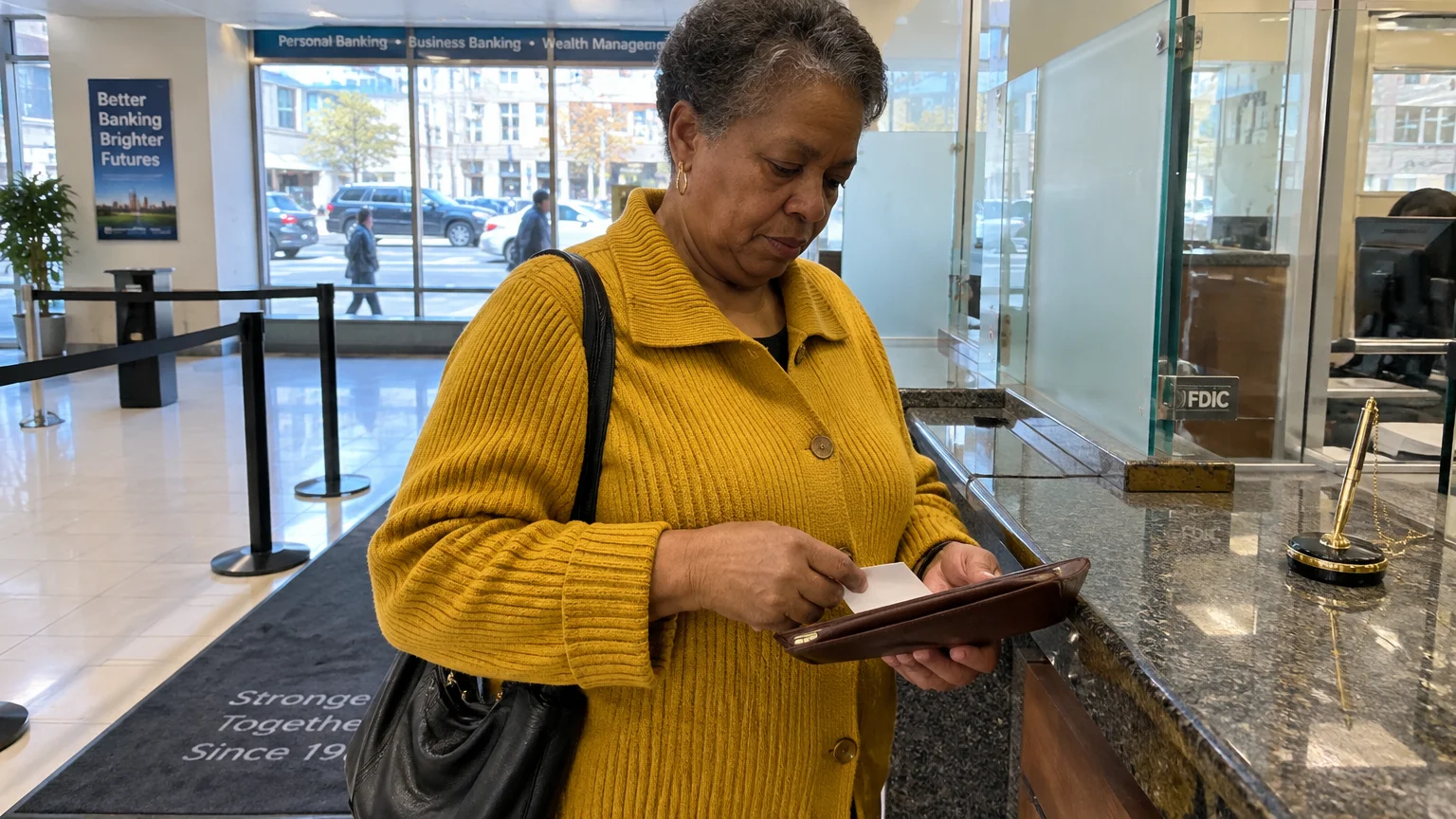
Many retirees worry that a spouse’s incarceration eliminates all Social Security income tied to that worker’s earnings history. Fortunately, federal law protects innocent family members who depend on those earnings records.
Dispelling these common Social Security myths is essential when planning your family’s immediate financial survival during a legal crisis.
Under Section 202(x)(2) of the Social Security Act, auxiliary benefits payable to family members continue uninterrupted. Inmate social security auxiliary payments remain active as long as the family member independently meets every standard statutory requirement.
If you are 66 years old and drawing spousal benefits against your husband’s primary insurance amount, your monthly check continues on schedule. The government treats your payment as if the primary worker were still receiving their primary benefit at home.
This statutory protection also extends to dependent children under age 18 and adult disabled children. The worker’s criminal conviction does not strip auxiliary dependents of their rightful economic floor.
- Eligible spouses aged 62 and older receive continuous monthly auxiliary checks.
- Spouses caring for a qualifying child under age 16 keep their auxiliary checks.
- Dependent minor children maintain full monthly payments through their designated representative payee.
- Divorced spouses married for at least 10 years experience zero benefit disruption.
Your monthly payment amount does not increase when the primary earner enters custody. The agency continues paying your established auxiliary percentage rather than shifting their lost share into your monthly deposit.

Why Cashing Your Spouse’s Social Security Check Triggers Federal Clawbacks
Having a social security spouse in jail introduces severe banking complications. If your spouse receives retirement benefits via direct deposit into a joint account, automatic deposits often continue arriving for several months after sentencing.
Never withdraw, transfer, or spend payments deposited for months after your spouse’s 30th day of post-conviction confinement. The federal government does not surrender title to those funds simply because the money arrived in your account.
Spending those funds creates an official federal overpayment liability. The agency will issue an overpayment recovery demand requiring immediate return of every improper dollar deposited during the incarceration period.
If federal investigators determine you knowingly diverted the suspended beneficiary’s funds for personal bills, they can refer the matter for prosecution under Section 1129 of the Social Security Act. This statute carries civil monetary penalties reaching thousands of dollars per violation.
- Segregate joint checking accounts immediately to prevent mixing household money with suspended deposits.
- Notify your banking institution in writing about your spouse’s confinement status.
- Set aside any improper direct deposits in an untouched sub-account until the agency claws them back.
- File Form SSA-561 if you need to challenge an inaccurate overpayment computation date.
Review enforcement protocols using guides from the Consumer Financial Protection Bureau to understand joint account debt collection limits. Keeping clear account boundaries shields your personal funds from clawback actions.

Title II Retirement Versus SSI: Key Rules and the 12-Month Limit
Different programs enforce radically different rules regarding social security benefits incarceration. You must distinguish Title II retirement benefits from Supplemental Security Income (SSI) under Title XVI.
Similarly, families evaluating other family safety nets should review rules for Social Security survivor benefits to understand how record-based entitlements carry forward.
Title II retirement relies on accumulated work credits, requiring both a conviction and 30 continuous days of confinement to trigger suspension. Conversely, SSI represents a needs-based welfare benefit with far stricter confinement restrictions.
SSI payments stop after confinement lasting one full calendar month, regardless of whether your spouse faces pending charges or completed a conviction. The state pays for inmate lodging and meals, which immediately nullifies SSI financial need.
Furthermore, SSI enforces a strict 12-month termination threshold. If an individual remains confined for 12 consecutive months or longer, the agency terminates SSI eligibility entirely rather than leaving the account in suspension.
| Benefit Feature | Title II (Retirement / SSDI) | Title XVI (Supplemental Security Income) |
|---|---|---|
| Suspension Trigger | Criminal conviction plus 30+ continuous days confined | One full calendar month confined (conviction not required) |
| Auxiliary Dependent Checks | Continue uninterrupted under Section 202(x)(2) | Not applicable (SSI offers no auxiliary benefits) |
| 12-Month Confinement Effect | Indefinite suspension (claim remains on file) | Permanent termination (requires brand-new application) |
| Reinstatement Month | Month following the calendar month of release | Month of release (prorated from release date) |
| Pre-Trial Confinement | Benefits continue fully until conviction | Benefits suspend after one full calendar month |
Because your spouse faces a 14-month sentence, an SSI claim would terminate permanently around month twelve. A Title II retirement claim remains suspended, enabling rapid reactivation upon release without filing an entirely new claim.

Worked Example: A 14-Month County Jail Sentence and Your Household Budget
Consider a clear scenario to illustrate how these administrative mechanics affect your monthly retirement cash flow. Sarah is 66 years old, and her husband Robert, age 67, receives Social Security retirement benefits.
Robert receives an individual monthly Title II retirement payment of $1,800. Sarah receives an auxiliary spousal benefit of $900 per month based on Robert’s work record, producing $2,700 in combined monthly income.
On March 12, a county court convicts Robert and sentences him to 14 months in county jail. His 30th day of post-conviction confinement occurs on April 11.
Social Security suspends Robert’s $1,800 benefit beginning with his April payment, which normally deposits in May. However, Sarah’s $900 monthly auxiliary spousal payment continues without a single interruption throughout his entire 14-month sentence.
- March 12: Conviction occurs; March benefit ($1,800) pays normally in April.
- April 11: 30-day confinement threshold passes; Title II suspension activates.
- April through Next Year April: Robert receives $0 per month across 13 suspended payment cycles.
- Household Income: Sarah draws her $900 auxiliary payment every month on schedule.
- May 10 (Following Year): Robert completes his sentence and secures an official release certificate.
- June: Robert’s benefit entitlement restores for June, with the first check depositing in July.
Robert loses 13 months of individual benefits, totaling $23,400 in suspended retirement payments over his term. Sarah successfully protects $11,700 of spousal auxiliary income because she kept her personal auxiliary benefit active.
Had Sarah improperly spent Robert’s checks during those 13 months, she would face an immediate $23,400 federal debt. Budgeting strictly around her $900 auxiliary check protects her financial stability.
How County Jails Report Inmates to the Social Security Administration
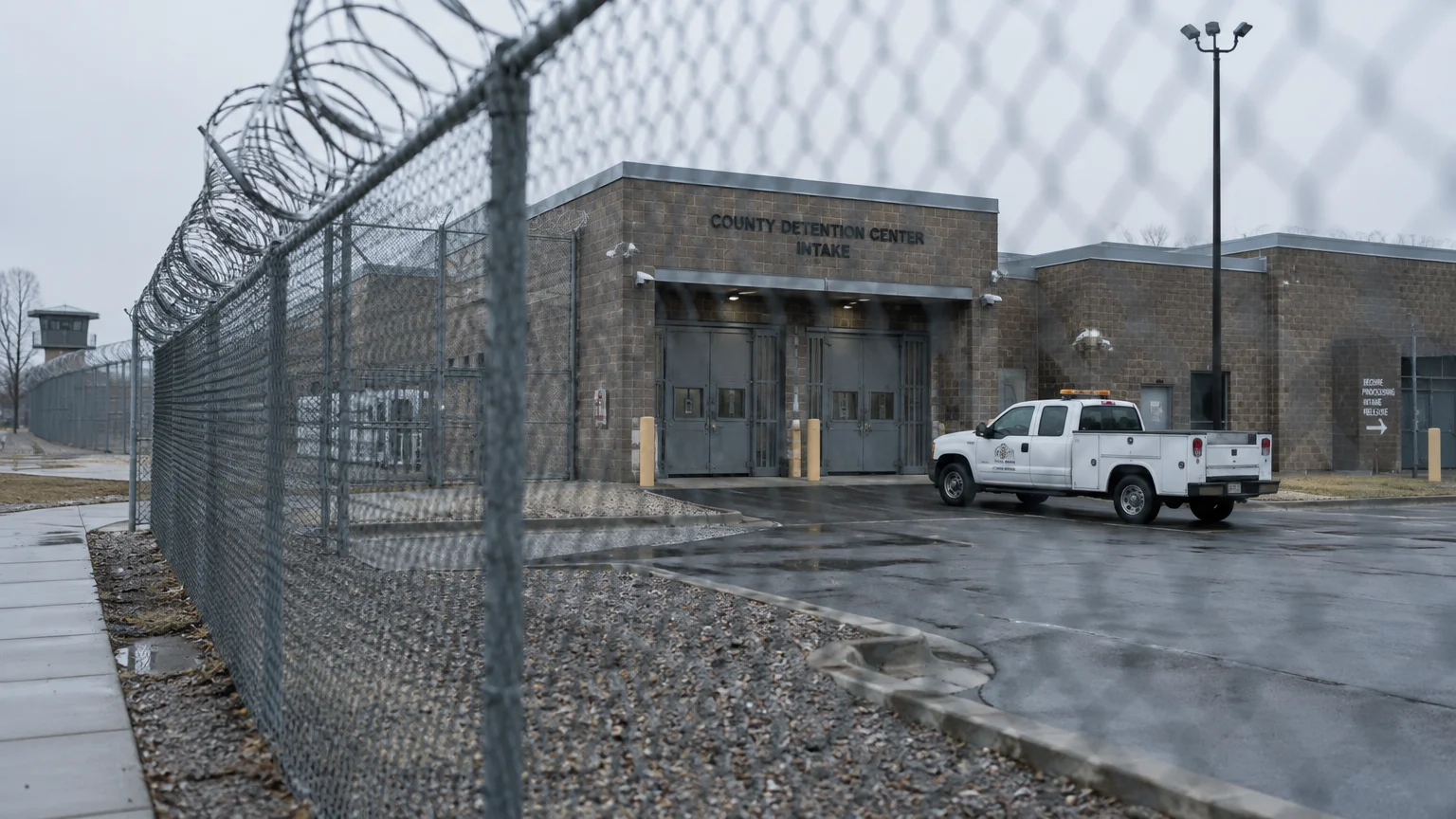
Many families assume the federal government moves too slowly to notice a sentence in a local county facility. In reality, county jails possess a direct financial incentive to report inmate data to the federal government promptly.
Under SSA POMS GN 02607.800, the Social Security Administration operates a statutory incentive payment program with state and local correctional facilities. County detention centers earn cash bounties for every inmate they report whose data leads to benefit suspension.
If a county jail submits inmate confinement details within 30 days of admission, the agency pays the facility a $400 cash bounty. If the facility reports the confinement between 31 and 90 days, the bounty drops to $200.
Computerized data-matching software processes these inmate rolls against federal beneficiary records automatically. Most county facilities transmit custody records electronically several times each week to capture these payments.
- The facility transmits the inmate’s full name, date of birth, and Social Security number.
- Federal software cross-references inmate files against the Title II Master Beneficiary Record.
- Automated suspension notices generate without requiring manual intervention from field agents.
- The agency issues the monetary incentive directly to the reporting correctional institution.
Hiding a spouse’s incarceration is practically impossible because automated reporting systems operate continuously. Taking proactive steps to notify the agency prevents erroneous payments before automatic data sweeps flag the account.

Step-by-Step Timeline to Reinstate Social Security Benefits After Release
Social Security never restarts suspended retirement benefits automatically when a sentence concludes. Your spouse must complete specific administrative actions to reactivate their monthly deposits.
Title II retirement benefits resume starting with the calendar month following the month of release. The agency does not pay prorated benefits for the days remaining in the month an inmate leaves custody.
- Secure official release documentation from the correctional facility administrator on the day of discharge, ensuring it contains an official stamp, full name, inmate identification number, and exact release date.
- Locate your regional Social Security field office and schedule an in-person benefit reinstatement appointment immediately following release.
- Deliver the original discharge paperwork alongside valid government photo identification to the field office claims specialist.
- Complete Form SSA-21 to re-verify current direct deposit banking coordinates and physical residential address records.
- Request an official confirmation receipt from the field agent documenting the date your reinstatement package was submitted.
- Monitor your designated bank account during the second month following release for the arrival of your reactivated monthly deposit.
If Robert leaves county jail on May 10, the agency will not pay benefits for the remainder of May. His benefit entitlement resumes with the month of June, which delivers his first payment in July.
Delays in visiting the local office push your first payment cycle back further into the year. Submitting documentation within 48 hours of discharge prevents unnecessary administrative lag.

Protecting Healthcare Coverage: The 12-Month Medicare Part B Special Enrollment Window
Incarceration disrupts healthcare coverage alongside cash retirement payments. Inmates generally cannot draw traditional Medicare benefits while confined because correctional facilities bear constitutional responsibility for their medical care.
Understanding the interplay between Social Security and Medicare is critical, as premium deductions stop automatically once cash retirement benefits are suspended.
Navigating healthcare during sudden benefit disruptions requires an understanding of how Social Security and Medicare are connected for premium deductions and enrollment windows.
When Title II benefits suspend, the agency cannot deduct monthly Medicare Part B premiums from your spouse’s check. If you do not pay these premiums out of pocket via direct quarterly billing, Part B lapses.
Fortunately, federal regulations provide an exceptional enrollment safety net. The Centers for Medicare & Medicaid Services created a 12-month Special Enrollment Period (SEP) for individuals returning to civilian life following incarceration.
This post-custody enrollment window permits your spouse to reinstate Part A and Part B coverage without incurring standard late-enrollment penalty surcharges. Coverage can begin the first day of the month after filing, or retroactively up to six months.
- Gather proof of incarceration duration and formal discharge paperwork from the facility.
- Obtain Form CMS-40B (Application for Enrollment in Medicare Part B).
- Submit Form CMS-10797 to request an Exceptional Conditions Special Enrollment Period.
- Choose whether you want forward-looking coverage or retroactive coverage up to six months.
- Establish direct premium payments until Title II retirement direct deposits resume.
Review current enrollment rules and premium tiers directly on Medicare.gov. Restoring health insurance rapidly ensures your family avoids devastating medical bills during the post-release transition.
Frequently Asked Questions
Can I still receive my spousal Social Security benefit if my spouse is in jail?
Yes. Under Section 202(x)(2) of the Social Security Act, auxiliary spousal and dependent benefits continue uninterrupted on the incarcerated worker’s record as long as you meet all standard eligibility criteria.
Does jail time before a criminal trial stop Social Security retirement checks?
No. Pre-trial confinement does not stop Title II retirement or disability checks. Payments stop only after a court enters a formal conviction and confinement exceeds 30 continuous days.
What happens if Social Security deposits a check into our joint account while my spouse is incarcerated?
Do not spend the funds. The Social Security Administration will demand full repayment once the facility reports the confinement, and spending those funds can trigger federal overpayment penalties.
When does Social Security resume payments after an inmate is released?
For Title II retirement benefits, payments resume the calendar month following the month of release. The agency does not pay prorated or retroactive benefits for the release month.
Will an incarcerated spouse lose their Medicare Part B coverage permanently?
No. If Part B lapses due to unpaid premiums during incarceration, the released individual qualifies for a 12-month Special Enrollment Period post-release to restore coverage without late-enrollment penalties.
Disclaimer: This article is for informational purposes only. Benefits, programs, and regulations can change.
We encourage readers to verify current information with official government sources and consult with qualified professionals for personalized advice.