
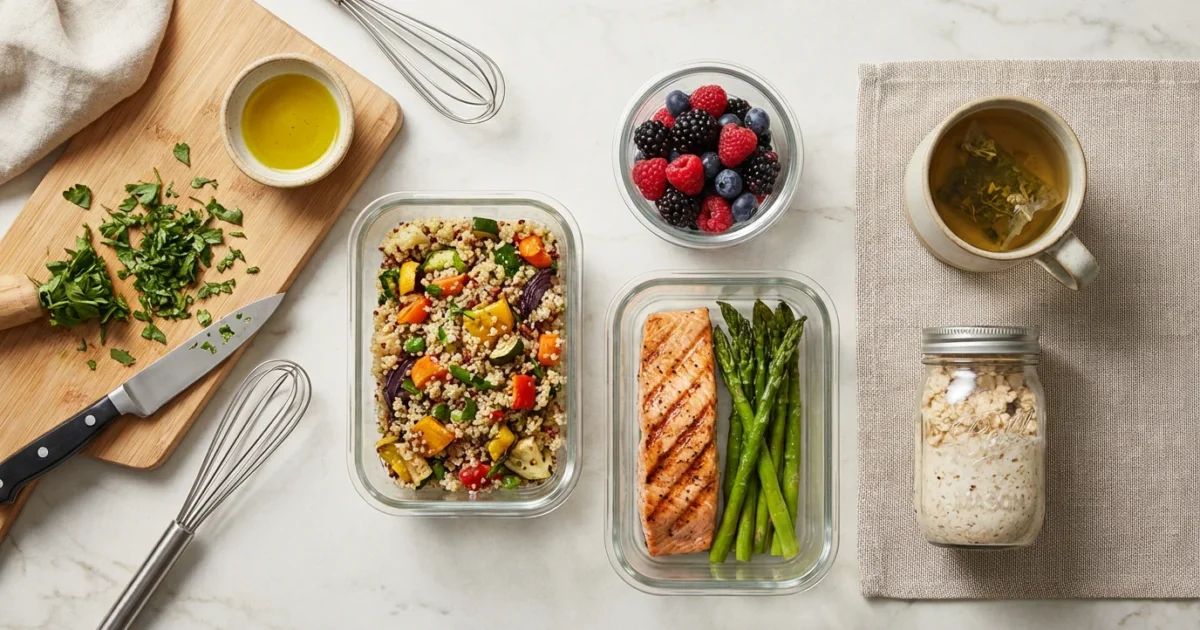
As you navigate retirement, maintaining a healthy, balanced diet becomes a cornerstone of your well-being. Eating well provides energy, supports cognitive function, and helps manage chronic conditions. Yet, cooking for one person often feels like a chore, leading to repetitive meals, wasted food, or relying on less healthy convenience options. This guide will show you how meal prep simplifies healthy eating, saves money, and enhances your daily life in retirement.
Along with a healthy diet, maximizing your Medicare benefits is essential for covering medical costs and preventive care that support your long-term wellness.
You can transform your kitchen routine from a daily dilemma into an efficient, enjoyable process. We will explore practical strategies for planning, shopping, cooking, and storing meals. These methods ensure you always have nutritious, delicious food ready to eat, without the stress of daily cooking.
Why Meal Prep Matters for Solo Retirees
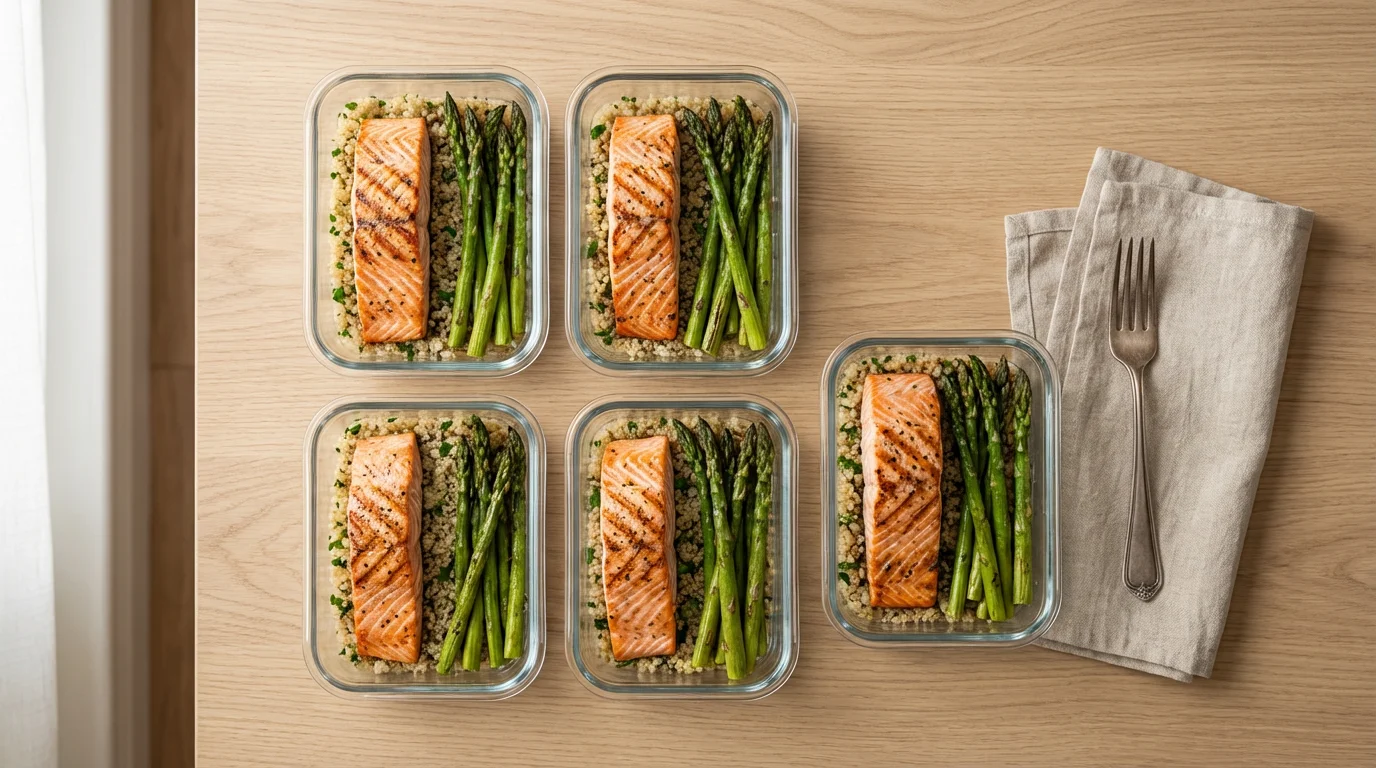
Meal preparation offers significant advantages for individuals living alone in retirement. It empowers you to take control of your diet, ensuring you consume balanced and nutrient-rich meals every day. You minimize impulsive food choices and reduce the temptation to rely on expensive takeout.
Consistency in meal preparation is a practical strategy for avoiding common budgeting mistakes related to impulsive dining out and grocery overspending.
For many retirees, managing a fixed income means every dollar counts. Meal prepping directly addresses this by reducing food waste and allowing for bulk purchasing of ingredients. You save valuable time during the week, freeing up more hours for hobbies, social activities, or simply relaxing. This structured approach to eating also supports senior nutrition goals, helping you meet dietary needs crucial for long-term health.
Essential Tools and Pantry Staples
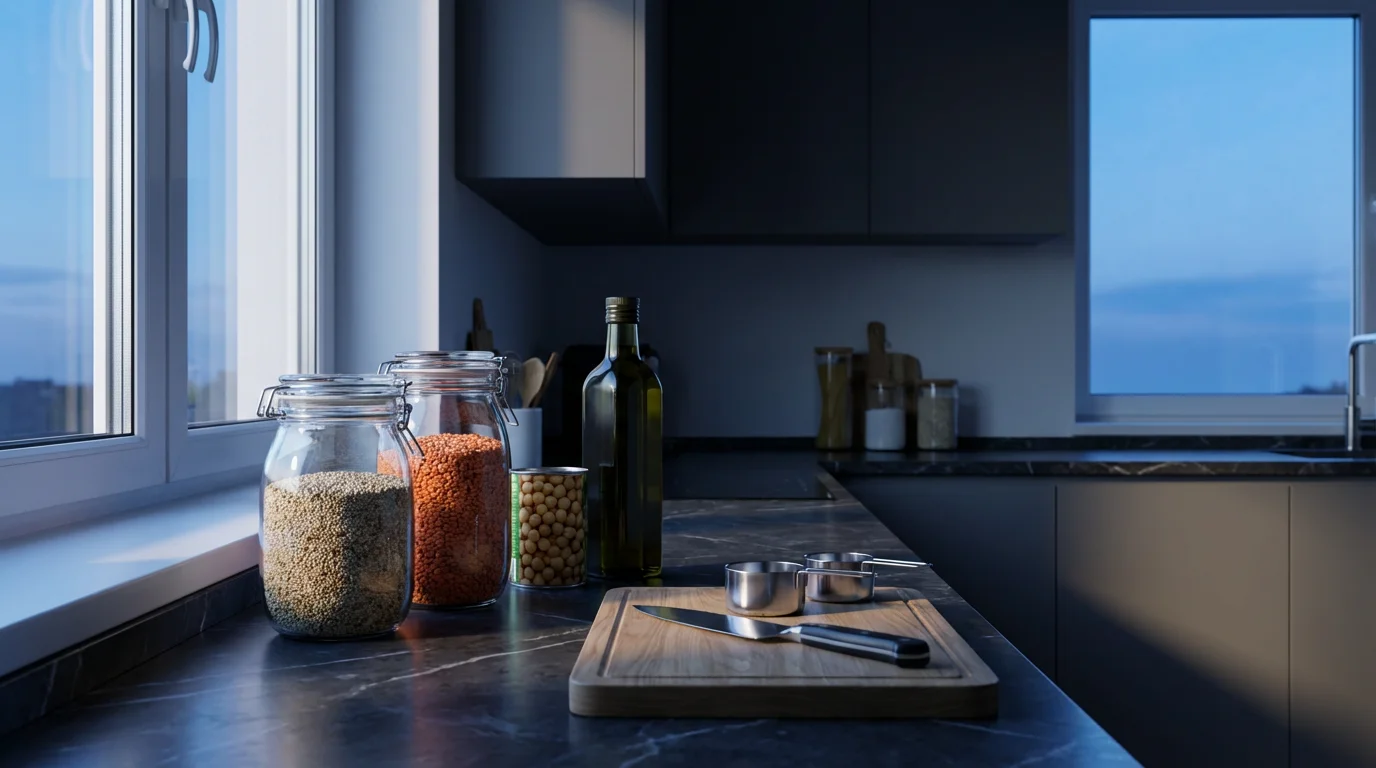
Starting your meal prep journey does not require a kitchen overhaul. A few key tools and a well-stocked pantry make the process simple and efficient. You likely already own many of these items, but consider adding what might be missing to streamline your efforts.
Creating an efficient workspace for cooking is much easier after decluttering your home to remove duplicate kitchen gadgets and unused items.
Must-Have Kitchen Tools
- A good set of knives: Sharp knives make chopping vegetables much easier and safer.
- Cutting boards: Use separate boards for raw meats and produce to prevent cross-contamination.
- Food storage containers: Invest in airtight, microwave-safe containers in various sizes. Glass containers are excellent for durability and ease of cleaning.
- Measuring cups and spoons: Accurate measurements ensure consistent results and proper portioning.
- Large pot and skillet: Essential for batch cooking soups, stews, and stir-fries.
- Baking sheets: Perfect for roasting vegetables and proteins with minimal effort.
Pantry Essentials for Healthy Meal Prep
Stocking your pantry with versatile staples makes building healthy recipes a breeze. These items often have a long shelf life, reducing frequent grocery runs and contributing to your ability to meal prep on a budget.
- Grains: Brown rice, quinoa, whole wheat pasta, oats. These form the base of many healthy meals.
- Legumes: Canned beans (black, kidney, chickpeas), lentils. They provide excellent protein and fiber. Rinse canned beans thoroughly before use.
- Canned goods: Diced tomatoes, tomato paste, low-sodium broths. These are fantastic for soups, stews, and sauces.
- Frozen vegetables and fruits: Broccoli, spinach, berries, corn. They offer nutrition and convenience, often costing less than fresh varieties, especially out of season.
- Healthy fats: Olive oil, avocado oil.
- Spices and herbs: A good selection transforms simple ingredients into flavorful meals. Keep salt, pepper, garlic powder, onion powder, cumin, and dried herbs on hand.

Planning Your Weekly Meals for One
Effective planning is the foundation of successful meal prep. This step helps you create a realistic shopping list and ensures variety in your diet. You avoid decision fatigue later in the week and significantly reduce food waste.
- Assess your week ahead: Look at your schedule for the upcoming week. How many meals do you need to prepare? Do you have any social engagements or appointments that might impact your cooking time or meal needs?
- Choose your recipes: Select 2-3 main dishes that can be easily scaled for one person and that yield leftovers for a few meals. Consider recipes that share common ingredients to simplify shopping. For example, a roasted chicken can become a salad topping or a sandwich filling later in the week.
- Consider variety and nutrition: Aim for a balance of protein, healthy carbohydrates, and plenty of vegetables across your chosen meals. Think about different flavors and textures to keep your palate interested. You want your meal prep to be enjoyable, not boring.
- Create a detailed grocery list: Based on your selected recipes, write down every ingredient you need. Check your pantry and refrigerator first to avoid buying duplicates. Organize your list by sections of the grocery store to save time.
- Set a prep day: Dedicate a specific time each week for meal preparation. Many people find Sunday afternoons work well, but choose a day that fits your schedule. This consistent routine reinforces the habit.
Smart Shopping Strategies for Singles
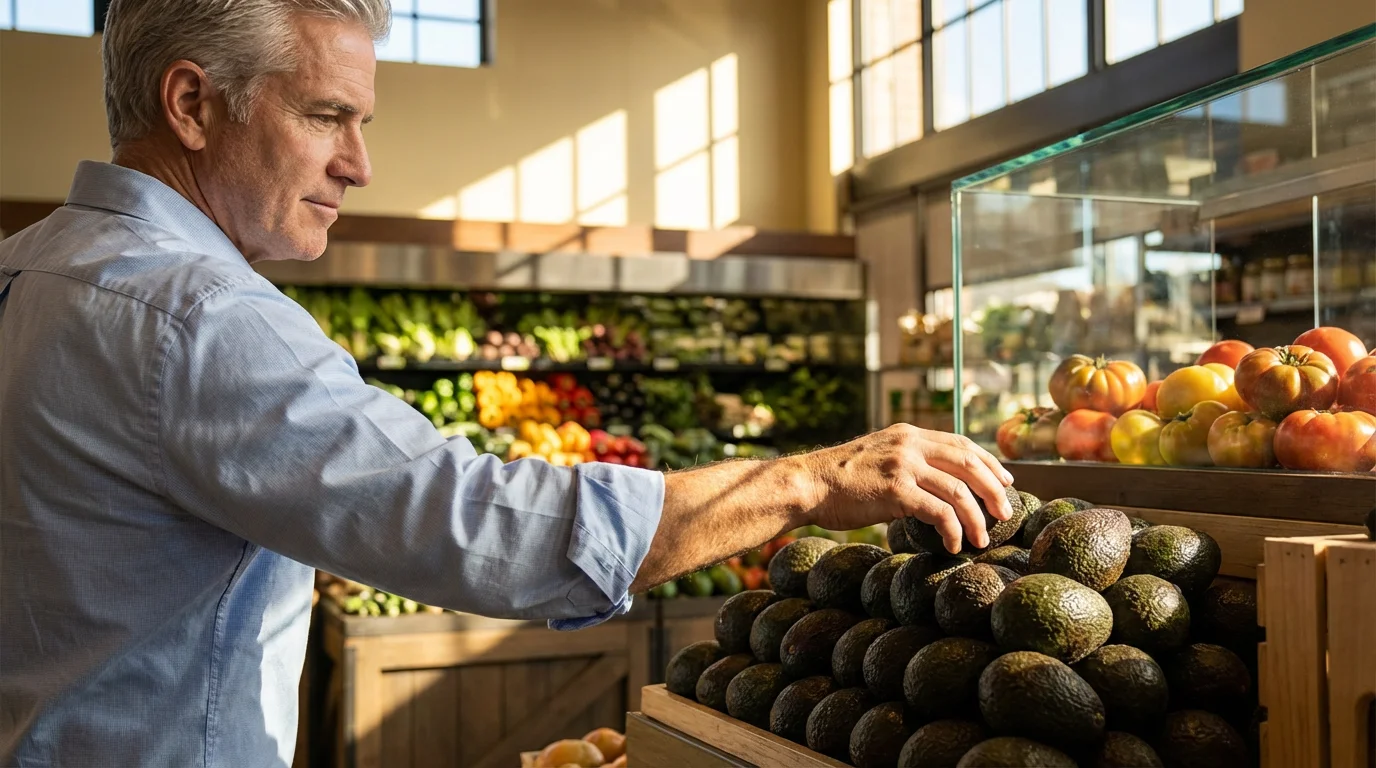
Shopping efficiently helps you save money, reduces waste, and supports your goal of how to meal prep on a budget. As a single retiree, you focus on buying appropriate quantities and making smart choices at the store.
- Shop with a list: Sticking to your detailed grocery list prevents impulse buys and ensures you purchase only what you need for your chosen healthy recipes.
- Buy in bulk judiciously: While bulk buying often saves money, consider perishable items carefully. Only buy larger quantities of items like grains, dried beans, or frozen produce that you will realistically use before they spoil.
- Look for sales and discounts: Check weekly flyers and store apps for deals. Plan your meals around discounted items, especially for proteins and fresh produce.
- Utilize the freezer: If you find meat or poultry on sale, buy a larger pack and portion it into single servings before freezing. This extends its shelf life and prevents waste.
- Visit farmers’ markets: These can offer seasonal produce at good prices. You often find smaller quantities available, perfect for one person.
- Consider store brands: Generic brands often offer the same quality as national brands at a lower price point. You can significantly reduce your grocery bill by opting for store brands on pantry staples.
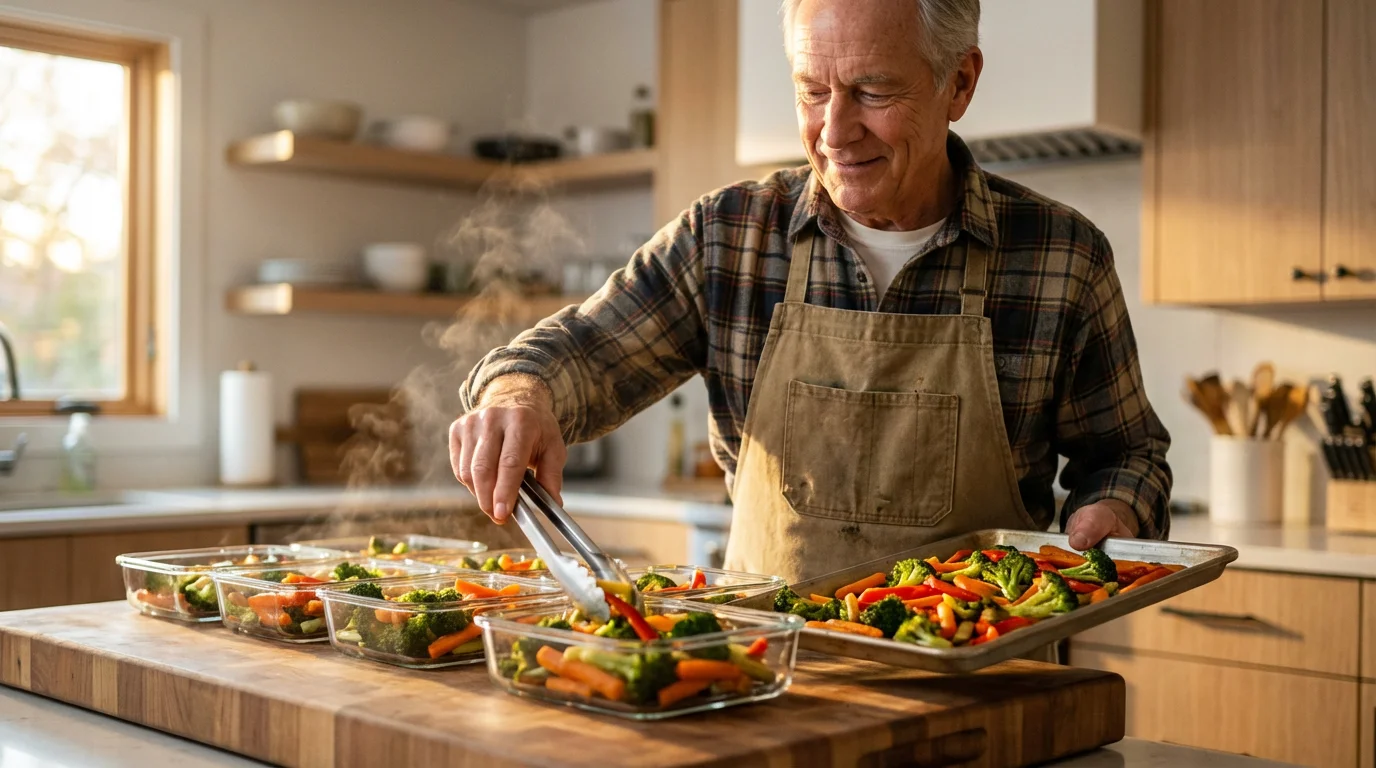
Batch Cooking Basics: A Step-by-Step Approach
Batch cooking transforms your kitchen into an assembly line for healthy meals. This process minimizes daily cooking time and ensures you have nutritious options readily available throughout the week. Follow these steps to maximize your efficiency.
- Prep your produce first: Wash, chop, and dice all your vegetables. Store them in airtight containers. This step alone saves significant time during the actual cooking phase. You can pre-chop onions, bell peppers, carrots, and celery for use in multiple dishes.
- Cook grains and starches: Prepare a large batch of brown rice, quinoa, or whole-wheat pasta. These are versatile bases for many meals. Cook enough for several days and let it cool completely before storing.
- Roast or bake proteins: Cook a large piece of chicken, a whole fish, or a batch of hard-boiled eggs. Roasting a chicken breast or a tray of salmon filets takes minimal effort and provides protein for multiple meals.
- Prepare versatile sauces or dressings: A homemade vinaigrette or a batch of pesto can elevate simple ingredients. Store these separately to add flavor just before serving.
- Assemble components or full meals:
- Component prepping: Cook ingredients separately then combine them into different meals throughout the week. For example, roasted chicken, steamed broccoli, and cooked quinoa can become a bowl one day, and the chicken can be added to a salad the next.
- Full meal prepping: Assemble complete meals in individual containers. This is ideal if you want grab-and-go options for every lunch or dinner.
- Cool completely before storing: Hot food creates condensation, which can lead to bacterial growth. Allow all cooked food to cool to room temperature before placing it into sealed containers and refrigerating or freezing. This preserves freshness and ensures food safety.
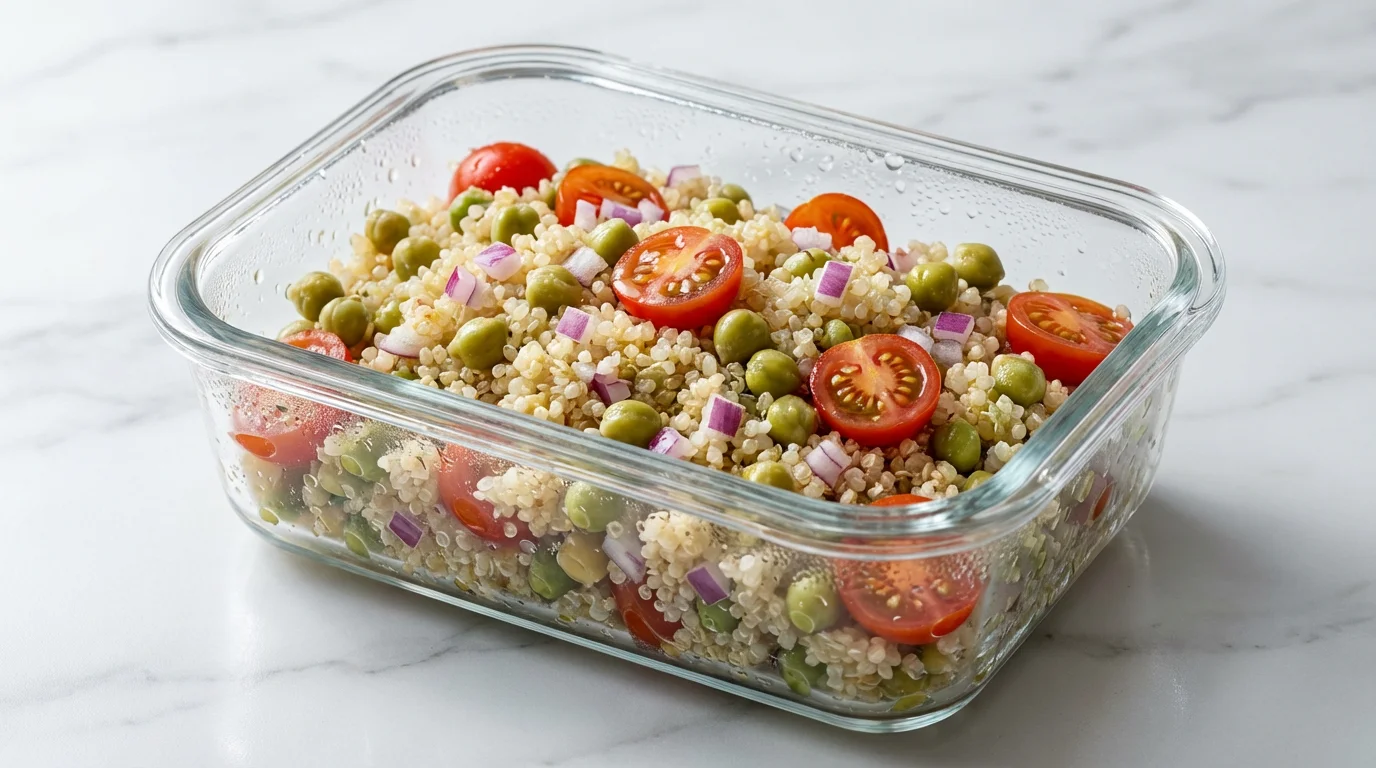
Easy and Nutritious Recipe Ideas
You need straightforward and delicious healthy recipes that cater to a single serving, while still providing enough for a few meals. These ideas focus on simplicity, versatility, and senior nutrition, making them perfect for what are easy recipes for single retirees.
Breakfast Options
- Overnight Oats: Combine 1/2 cup rolled oats, 1 cup milk (dairy or non-dairy), 1 tablespoon chia seeds, and your choice of fruit (berries work well) in a jar. Stir, refrigerate overnight. In the morning, you have a ready-to-eat breakfast. Make 2-3 jars at once.
- Egg Muffins: Whisk 6-8 eggs with a splash of milk, chopped vegetables (spinach, bell peppers, onions), and a pinch of salt and pepper. Pour into a greased muffin tin. Bake at 350°F (175°C) for 15-20 minutes. These are perfect for a grab-and-go breakfast or snack, lasting several days in the fridge.
Lunch and Dinner Ideas
- Sheet Pan Chicken and Veggies: Toss chopped chicken breast, broccoli florets, bell peppers, and zucchini with olive oil and your favorite seasonings (garlic powder, paprika, Italian herbs). Spread on a baking sheet and roast at 400°F (200°C) for 20-25 minutes, until chicken is cooked through and vegetables are tender. Portion into containers with a side of prepped quinoa or brown rice. This meal is incredibly easy to customize with different vegetables and proteins.
- Hearty Lentil Soup: Sauté diced carrots, celery, and onion. Add vegetable broth, canned diced tomatoes, green or brown lentils, and your choice of seasonings (bay leaf, thyme, cumin). Simmer until lentils are tender, about 25-30 minutes. This soup freezes beautifully and provides several nutritious servings. You can add spinach or kale at the end for extra greens.
- Tuna or Chicken Salad (Prepped Components): Cook and shred chicken breast or drain a can of tuna. Prepare chopped celery, red onion, and fresh dill. Store these components separately. When ready to eat, combine a portion with Greek yogurt or light mayonnaise, then serve over a bed of lettuce, in a whole-wheat pita, or with whole-grain crackers. This keeps the salad fresh longer.
Healthy Snacks
- Pre-portioned Nuts and Seeds: Divide a large bag of almonds, walnuts, or mixed nuts into small containers or baggies.
- Chopped Veggies with Hummus: Prepare carrot sticks, cucumber slices, and bell pepper strips. Portion with a small container of hummus.
- Fruit Salad: Chop a variety of fruits like melon, grapes, and berries. Store in an airtight container for easy access.
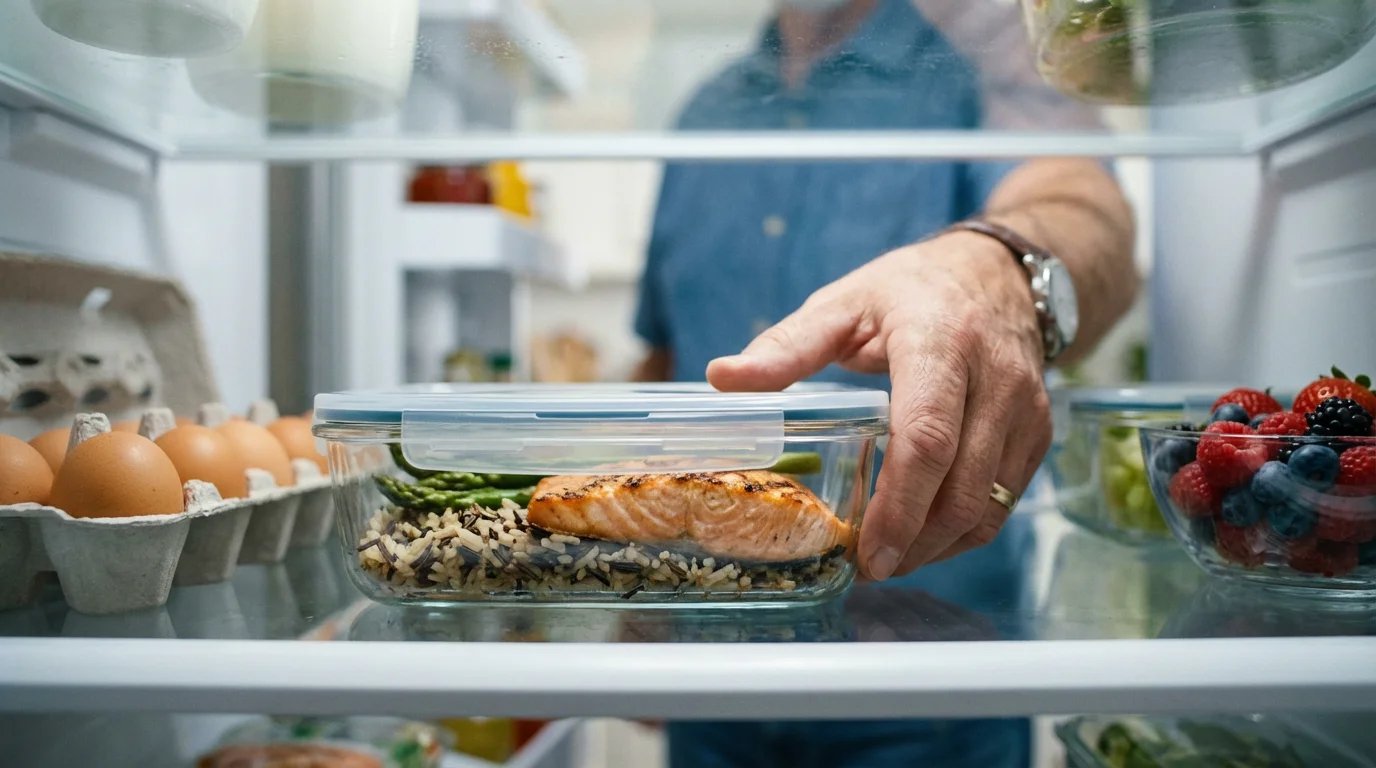
Storing Your Prepped Meals Safely
Proper food storage ensures your meals remain fresh, safe, and delicious throughout the week. Following food safety guidelines is paramount to prevent foodborne illness, especially for seniors. You maximize the longevity of your healthy recipes when you store them correctly.
- Cool foods quickly: Do not leave cooked foods at room temperature for more than two hours. Divide large quantities into smaller, shallow containers to help them cool faster in the refrigerator.
- Use airtight containers: Glass or high-quality plastic containers with tight-fitting lids prevent air exposure, which causes food to spoil faster. They also prevent odors from spreading in your fridge.
- Refrigeration guidelines: Most meal-prepped foods remain safe and fresh in the refrigerator for 3-4 days. Label containers with the date they were prepared to easily track freshness.
- Freezing for longer storage: For meals you plan to eat later in the week or month, freezing is an excellent option. Soups, stews, casseroles, and cooked grains freeze well. Use freezer-safe containers or bags, removing as much air as possible. Label with the dish name and date. Most foods retain quality for 2-3 months in the freezer.
- Reheating meals: Always reheat meals to an internal temperature of 165°F (74°C) to ensure safety. Stir food while reheating to ensure even heating.
“When in doubt, throw it out.” This simple adage serves as a critical food safety reminder, especially with prepped meals. Always prioritize your health.

Adapting Recipes and Avoiding Food Waste
Cooking for one often means scaling down recipes and getting creative with leftovers. You can minimize food waste and ensure every ingredient gets used, which is a core component of how to meal prep on a budget.
- Halve or quarter recipes: Most recipes can be scaled down. If a recipe calls for a pound of chicken, use half a pound. If it uses a whole can of diced tomatoes, consider using half and freezing the rest for another meal.
- Repurpose leftovers creatively:
- Roasted vegetables: Transform into a frittata or add to a grain bowl.
- Cooked chicken or fish: Use in salads, sandwiches, or quesadillas.
- Grains: Turn leftover rice into fried rice or a base for a stir-fry.
- Embrace “kitchen sink” meals: Toward the end of the week, gather all your leftover bits of cooked protein, vegetables, and grains. Combine them into a stir-fry, omelet, or a simple wrap. This reduces waste and creates unique, delicious meals.
- Understand ingredient versatility: A bell pepper can go into an omelet, a stir-fry, or be roasted. A can of chickpeas can become hummus, go into a salad, or be roasted for a snack. Knowing how to use ingredients in multiple ways makes meal prep for one much easier.
- Check expiration dates: Regularly check your refrigerator and pantry for items nearing their expiration dates. Plan meals around these items to use them up before they spoil.
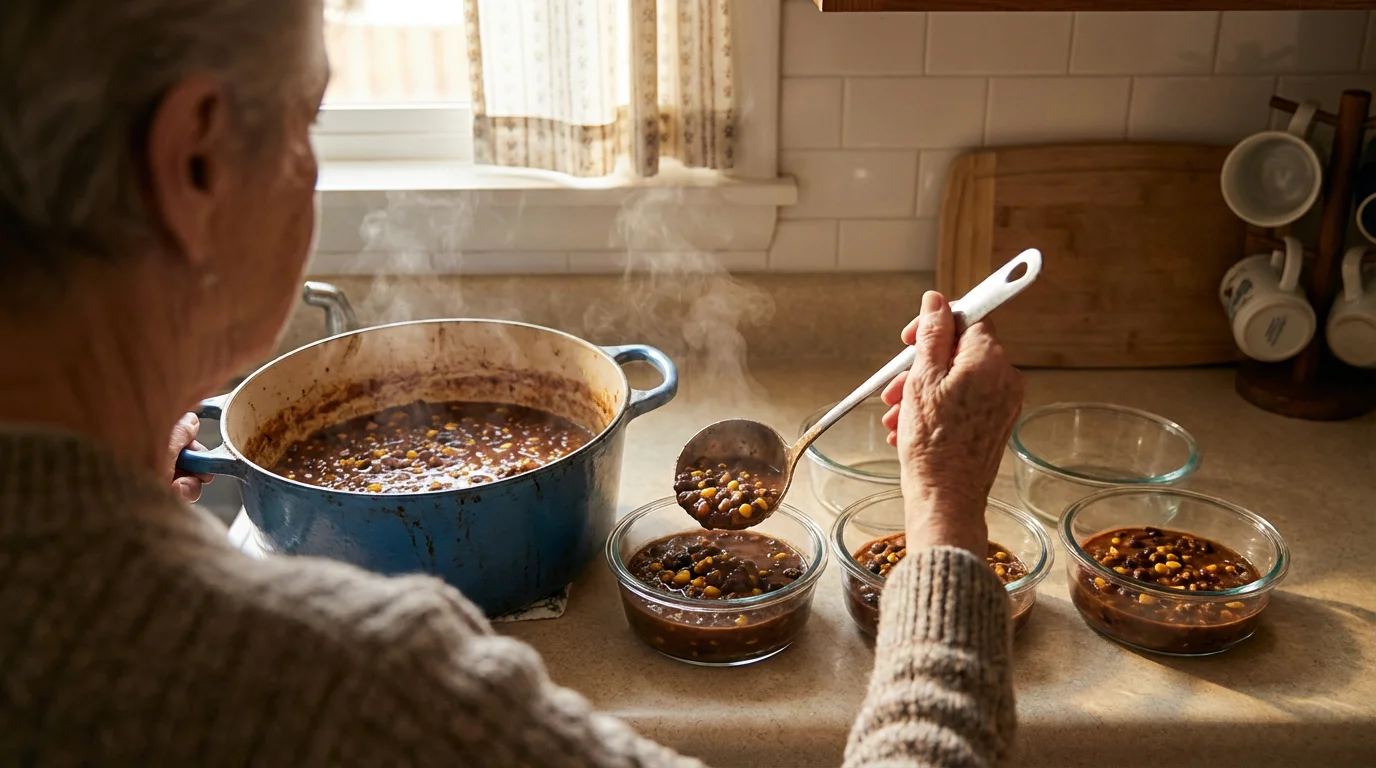
How to Meal Prep on a Budget
Meal prepping is inherently cost-effective, but you can maximize your savings with strategic approaches. You keep more money in your pocket while still enjoying delicious, healthy meals. This is key for seniors focused on maintaining financial stability.
Managing your food costs effectively, combined with maximizing your Social Security benefits, ensures a more comfortable and financially secure retirement.
- Prioritize seasonal produce: Fruits and vegetables are typically less expensive and taste better when in season. For example, buying berries in summer or squash in fall saves money.
- Buy cheaper cuts of meat: Chicken thighs, ground turkey, or pork shoulder often cost less than breasts or tenderloins. These cuts are flavorful and work well in slow-cooked or braised dishes.
- Incorporate plant-based proteins: Lentils, beans, and chickpeas are incredibly affordable protein sources. They are versatile and can form the base of many healthy recipes, significantly reducing your meat consumption costs. For additional information on managing your money, you may find resources at the Consumer Financial Protection Bureau helpful.
- Cook from scratch: While convenience foods save time, making things like sauces, dressings, and baked goods from scratch is almost always cheaper and often healthier.
- Plan for specific portion sizes: Over-preparing food leads to waste. Accurately measure ingredients for single servings or the precise number of meals you intend to prep.
- Limit dining out: Eating at restaurants or ordering takeout significantly increases your food budget. Meal prepping provides a convenient alternative that helps you stick to your financial goals.
Frequently Asked Questions
How long do meal-prepped meals last in the refrigerator?
Most meal-prepped meals, when stored properly in airtight containers, stay fresh and safe in the refrigerator for 3 to 4 days. Cooked grains, vegetables, and proteins generally follow this guideline. Always use your best judgment regarding freshness, and if you have any doubts about a food item, it is safer to discard it.
Can I meal prep if I have dietary restrictions or specific health concerns?
Absolutely. Meal prepping becomes even more beneficial if you have dietary restrictions or health concerns, such as diabetes, high blood pressure, or gluten intolerance. You have complete control over ingredients, allowing you to tailor meals to your specific needs. Consult your doctor or a registered dietitian for personalized dietary advice, then adapt your recipes accordingly. Many online resources offer healthy recipes designed for various dietary requirements.
What are the best containers for meal prep?
Look for airtight, leak-proof containers made from glass or BPA-free plastic. Glass containers are durable, microwave-safe, oven-safe (without lids), and do not absorb food odors or stains. Plastic containers are lighter and often more affordable. Choose containers that are stackable to save space in your refrigerator and cupboards. For more general advice on maintaining a healthy lifestyle in retirement, AARP offers a wealth of information at AARP.org.
Is it safe to freeze meal-prepped meals?
Yes, freezing is a great way to extend the life of your meal-prepped food. Many dishes, including soups, stews, casseroles, cooked rice, and cooked meats, freeze well. Ensure food cools completely before freezing, and use freezer-safe containers or bags to prevent freezer burn. Label everything with the date. Most frozen meals maintain quality for 2-3 months.
How do I avoid getting bored with my meal prep?
Variety is key to sustained meal prep. Try rotating your healthy recipes every week, or switch up the seasonings and spices you use. Focus on component prepping, where you cook individual ingredients and assemble different meals daily. For example, roasted chicken can be a salad on Monday and part of a stir-fry on Wednesday. Introduce new vegetables or grains regularly to keep meals interesting.
Disclaimer: This article is for informational purposes only. Benefits, programs, and regulations can change. We encourage readers to verify current information with official government sources and consult with qualified professionals for personalized advice.







Leave a Reply