

Managing multiple medications becomes a common reality for many Americans in retirement. Keeping track of prescriptions, over-the-counter drugs, and supplements often feels overwhelming. Mismanaging your medications can lead to missed doses, accidental double dosing, or dangerous interactions, impacting your health and well-being. This guide provides practical, step-by-step advice on how to organize your medications safely and effectively, giving you peace of mind.
Organizing your healthcare routine is a vital part of cutting retirement costs and ensuring your resources are used efficiently.

Why Effective Medication Management Matters in Retirement
As you age, your medication regimen often grows more complex. You might take daily prescriptions for chronic conditions, occasional medications for acute issues, and various supplements. This complexity increases the risk of medication errors. Studies show that medication errors are a significant concern for older adults, potentially leading to adverse drug events and hospitalizations. Your careful medication management directly contributes to your overall health, safety, and independence in retirement.
Effective management of your health routine is just as important as managing your budget to ensure a stress-free lifestyle.
Proper medication management ensures you receive the full benefit of your prescribed treatments. It helps prevent dangerous drug interactions and ensures you take the correct dose at the right time. An organized approach reduces stress and worry, freeing you to enjoy your retirement years without constant anxiety about your next pill.

Understanding Your Medications: The Foundation of Organization
Before you can organize your medications, you must understand each one thoroughly. This crucial first step empowers you to manage your health actively. Collect all your medication bottles, including prescriptions, over-the-counter drugs, and supplements, in one place. Make a comprehensive list, or ask your pharmacist to print one for you. This simple action provides a clear picture of your current regimen.
Complementing your medication knowledge with a health savings strategy can help manage long-term medical costs.
Simplifying your medical supplies is a great starting point for decluttering your home to create a safer and more manageable living space.
Key Information to Track for Each Medication:
- Medication Name: Both brand and generic names.
- Dosage: The amount you take, such as 10 mg or 1 capsule.
- Frequency: How often you take it, for example, once daily, twice a day.
- Time of Day: Specific instructions like “with breakfast” or “at bedtime.”
- Purpose: What the medication treats.
- Prescribing Doctor: Who prescribed it.
- Potential Side Effects: What to watch for.
- Refill Date: When you need to reorder.
Take this list to your doctor and pharmacist for review. Ask any questions you have about your medications. Ensure you understand why you take each one and how it interacts with others. This proactive approach strengthens your personal medication management system.

Choosing the Right Pill Organizer for Your Lifestyle
A good pill organizer simplifies your medication routine significantly. With many options available, selecting the best pill organizer for seniors involves considering your specific needs, dexterity, and the complexity of your regimen. Think about how many medications you take and how often you need to access them. The right organizer helps you keep track of multiple medications effortlessly.
While organizers are affordable, the medications themselves are often among the surprising expenses that can impact a fixed income.
Types of Pill Organizers:
- Daily Pill Boxes: Simple containers with compartments for morning, noon, evening, and night for a single day. These work well for straightforward regimens.
- Weekly Pill Organizers: These are the most common, featuring seven compartments, one for each day of the week. Many offer separate sections for different times of the day, such as “morning” and “evening.”
- Monthly Pill Organizers: Ideal for medications taken less frequently or for those who prefer to fill their organizer once a month. These often consist of 30 or 31 individual daily boxes.
- Travel Pill Organizers: Compact and secure, these are designed for portability. They keep medications safe and organized while you are away from home.
- Automatic Pill Dispensers: For individuals needing extra support, these electronic devices dispense pills at programmed times and often have alarms. Some even connect to caregivers.
Factors to Consider When Choosing:
- Ease of Opening: Look for organizers with lids that are secure but easy for you to open, especially if you have arthritis or limited dexterity. Large, push-button mechanisms often work well.
- Compartment Size: Ensure compartments are large enough to hold all your pills for a given time slot. Some medications, particularly vitamins and supplements, can be quite large.
- Visibility: Clear or translucent compartments allow you to see if you have taken your pills for the day. Labels should be large and easy to read.
- Durability: Choose a sturdy organizer made from high-quality plastic that withstands daily use and occasional drops.
- Portability: If you travel frequently or spend time away from home, a detachable daily organizer or a compact travel case provides convenience.
Evaluate your needs carefully. A weekly organizer with AM/PM compartments often provides the best balance of convenience and clear organization for many retirees. For those with more complex regimens or memory concerns, an automatic dispenser offers an added layer of safety. Always prioritize medication safety in your selection.
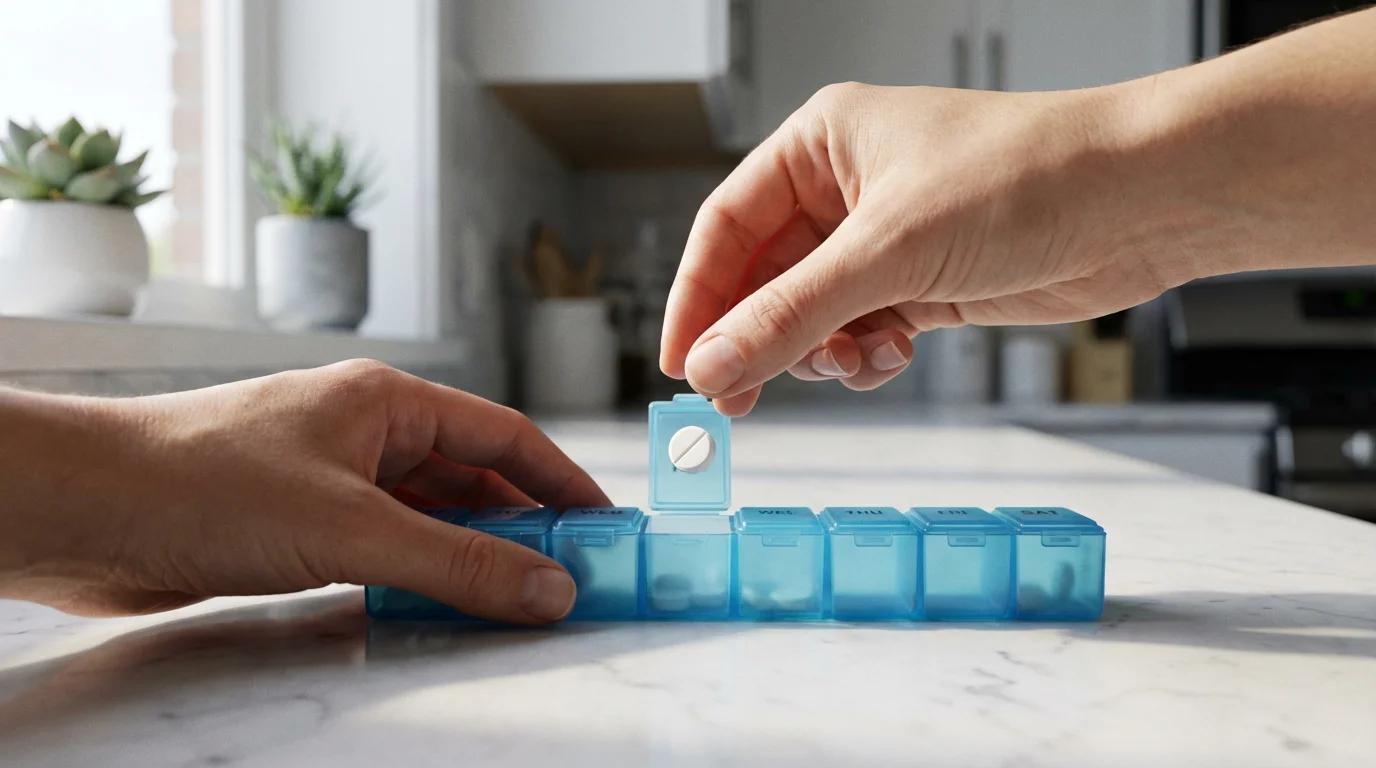
Step-by-Step Guide: Filling Your Pill Organizer Accurately
Once you have chosen your pill organizer, the next step involves filling it correctly. This process requires focus and attention to detail. Establishing a routine for filling your organizer minimizes errors and ensures accuracy. Many people choose to do this once a week, often on the same day, like Sunday. This consistent habit helps keep your medication management on track.
Follow these steps to fill your pill organizer safely and accurately:
- Gather Your Supplies: Collect all your medication bottles, your pill organizer, your current medication list, and a glass of water. A well-lit, quiet space without distractions helps prevent mistakes.
- Wash Your Hands: Clean hands reduce the risk of transferring germs to your medications.
- Review Your Medication List: Double-check your list against your current prescription bottles. Confirm dosages, frequencies, and specific times for each medication. If anything looks different, contact your pharmacist or doctor before proceeding.
- Fill One Compartment at a Time, One Medication at a Time: Start with the first day, first time slot. Take one medication bottle, dispense the correct number of pills into that specific compartment, and then close the bottle. Repeat this process for each medication for that time slot. Then move to the next time slot, and then the next day. This systematic approach reduces confusion.
- Check Labels Carefully: Read the label of each medication bottle every time you dispense a pill. Verify the medication name and dosage against your list. This prevents mix-ups.
- Double-Check Your Work: After filling your organizer, visually inspect each compartment. Compare the pills in the organizer with your medication list one last time. Ensure no compartments are empty or overfilled. Many people find it helpful to have a trusted family member or caregiver double-check the first few times.
- Store Safely: Close all medication bottles tightly and store them according to their instructions. Place your filled pill organizer in a cool, dry place, away from direct sunlight and out of reach of children and pets. Do not store medications in the bathroom medicine cabinet, as humidity can degrade them.
Following these steps makes your medication management routine efficient and safe. This method answers the question, “how can I keep track of multiple medications?” with a clear, actionable strategy.
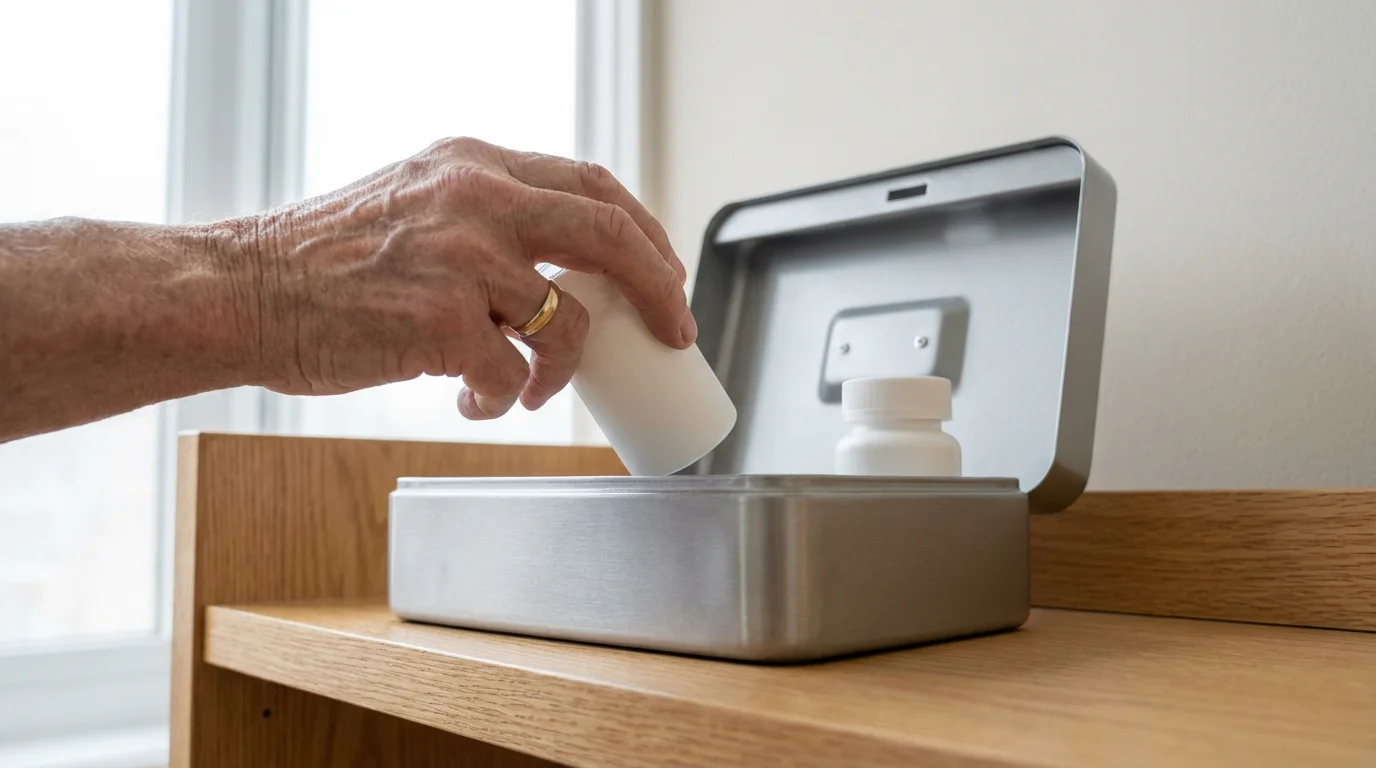
Beyond the Organizer: Essential Medication Safety Tips
A pill organizer is an excellent tool, but it is just one part of comprehensive medication safety. Adopting broader safety practices protects your health and prevents potential problems. These tips help you maintain vigilance and secure your medications properly.
Beyond physical safety, staying vigilant involves protecting your identity from fraud that may target your medical records.
In addition to physical safety, being aware of Medicare scams is important to protect your personal information.
Key Medication Safety Practices:
- Store Medications Securely: Keep all medications, especially opioids or other controlled substances, in a locked cabinet or safe place. This prevents accidental ingestion by children, pets, or misuse by others. Always follow specific storage instructions provided on the label, particularly for medications requiring refrigeration.
- Do Not Share Medications: Your prescription is for you alone. Never share your medications with others, and never take someone else’s prescription. Medications are tailored to an individual’s specific needs and health conditions.
- Dispose of Expired or Unused Medications Properly: Do not flush medications down the toilet or throw them directly in the trash, as this can harm the environment. Check for community drug take-back programs or consult your pharmacy for safe disposal options. The FDA offers guidelines for safe medication disposal.
- Be Aware of Drug Interactions: Always inform your doctors and pharmacists about all medications you take, including over-the-counter drugs, supplements, and herbal remedies. Certain combinations can cause dangerous interactions. An AARP article details ways to avoid medication errors, highlighting interaction awareness.
- Keep an Up-to-Date Medication List with You: Carry a current list of all your medications, dosages, and prescribing doctors in your wallet or purse. This is invaluable in an emergency situation, ensuring first responders or new doctors have critical information immediately.
- Review Medications Regularly: Schedule an annual medication review with your doctor or pharmacist. They can assess if all your medications are still necessary, if dosages need adjustment, or if newer, more effective options exist.
Implementing these practices strengthens your medication management strategy, significantly enhancing your overall medication safety.
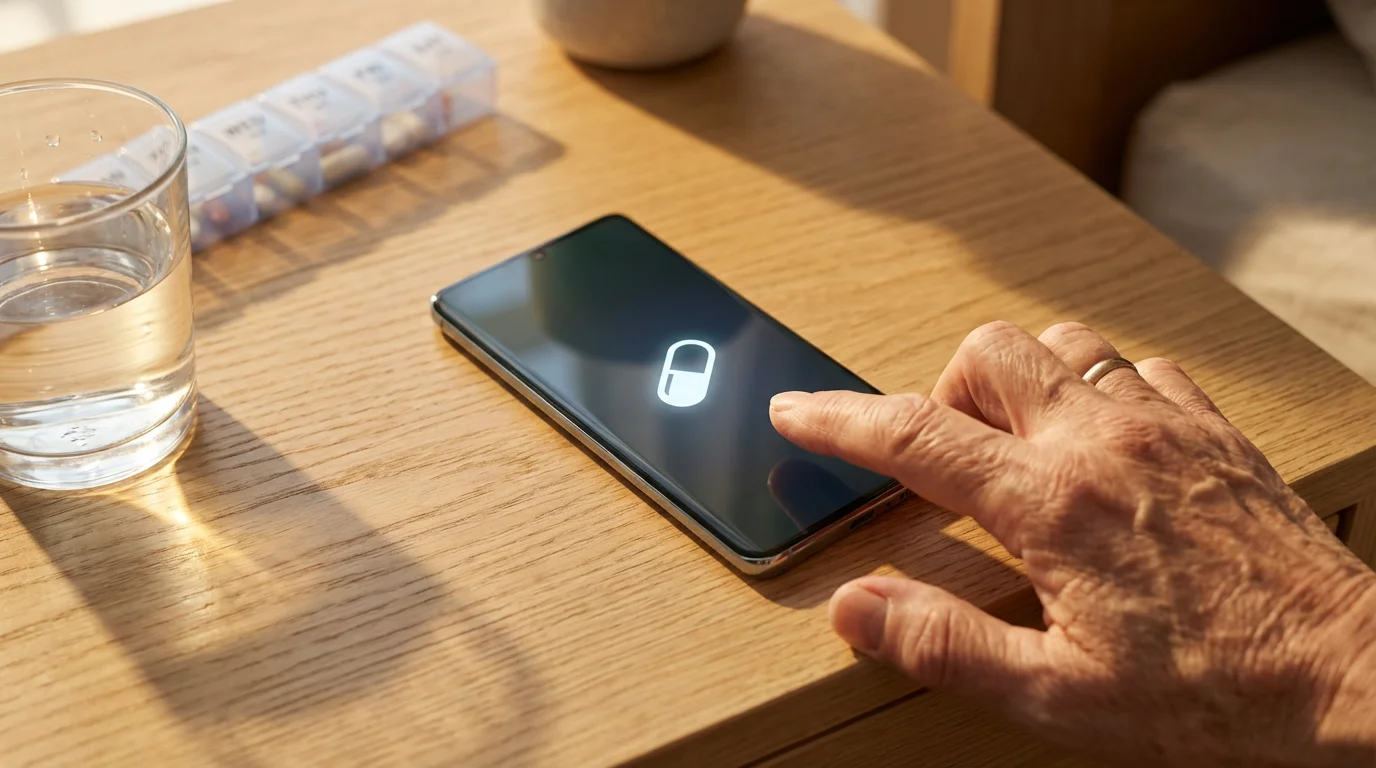
Leveraging Technology for Medication Reminders and Tracking
Technology offers valuable support for medication management, particularly for those with complex schedules or occasional memory lapses. While a physical pill organizer is foundational, digital tools provide additional layers of reminders and tracking. These technological aids help reinforce your routine and reduce the chance of missed doses.
Consider these technological solutions:
- Pill Reminder Apps: Many smartphone apps specifically design alerts for medication times. These apps often allow you to input medication names, dosages, and schedules, sending push notifications when it is time to take your pills. Some even track adherence, letting you log when you take a dose. Examples include Medisafe, MyTherapy, and DoseCast.
- Smart Pill Dispensers: These advanced devices combine the physical organization of a pillbox with electronic reminders. They can lock compartments until the correct time, sound alarms, and sometimes even notify a family member or caregiver if a dose is missed. This offers a higher level of oversight and can be particularly helpful for individuals prone to forgetting doses.
- Wearable Devices: Some smartwatches or fitness trackers offer medication reminder features, vibrating or displaying alerts directly on your wrist. This can be discreet and convenient, especially if you do not always have your phone nearby.
- Electronic Health Records (EHR) Portals: Your doctor’s office or hospital system likely offers an online patient portal. These portals often provide a complete list of your current prescriptions, refill requests, and appointment reminders. Accessing your EHR portal keeps you informed and connected to your healthcare team.
Explore these options to find what best complements your existing medication management system. Technology, when used wisely, significantly enhances your ability to keep track of multiple medications.

When to Seek Professional Guidance for Medication Concerns
Even with excellent organizational habits, questions or concerns about your medications will arise. Knowing when and where to seek professional guidance ensures you receive accurate information and the best care. Your healthcare team, including doctors and pharmacists, are your primary resources.
You can also reach out to your Local Area Agency on Aging for information on health programs and support services.
When to consult a professional:
- New or Unexplained Symptoms: If you experience new or worsening side effects, or any unusual symptoms after starting a new medication or changing a dose, contact your doctor immediately.
- Confusion About Medications: If you feel unsure about why you take a specific medication, its dosage, or how it interacts with others, ask your pharmacist or doctor for clarification. Do not guess.
- Difficulty Managing Your Regimen: If you consistently miss doses, struggle with opening bottles, or find the filling process too challenging, discuss this with your doctor. They can suggest alternative packaging, different medications, or refer you to a home health service.
- Cost Concerns: The cost of medications can be a significant burden. Talk to your pharmacist about generic alternatives. You can also visit Medicare.gov to learn about Medicare Part D prescription drug plans and explore options like the Extra Help program for lower prescription costs. Benefits.gov also provides information on various assistance programs.
- Changes in Health Conditions: Inform your doctor about any new diagnoses or significant health changes. These might necessitate adjustments to your current medication plan.
Consider a Comprehensive Medication Review (CMR). Many Medicare Part D plans offer this service, where a pharmacist reviews all your medications to identify potential problems and optimize your therapy. Organizations like AARP offer resources on medication management and safety, providing valuable insights for seniors. The Eldercare Locator can also help you find local services and support for managing health and medication.
The average older adult takes four or more prescription medications daily. Carefully tracking these can prevent serious health issues and improve quality of life.
Frequently Asked Questions
What is medication management?
Medication management involves systematically organizing your prescription drugs, over-the-counter medications, and supplements. It ensures you take the correct dose of each medicine at the right time, minimizing errors and maximizing treatment effectiveness. This practice also includes safe storage, disposal, and regular review of your medication list with your healthcare providers.
How can I keep track of multiple medications effectively?
You can effectively track multiple medications by creating a comprehensive list of all your drugs, dosages, and schedules. Use a pill organizer designed for your needs, like a weekly organizer with AM/PM slots, and establish a routine for filling it. Consider using pill reminder apps or smart dispensers for additional support. Regularly review your medication list with your doctor or pharmacist to keep it current.
What is the best pill organizer for seniors with dexterity issues?
The best pill organizer for seniors with dexterity issues features large, easy-to-open compartments, often with push-button or slide mechanisms instead of tight clasps. Look for organizers with large, clear lettering for days and times. Some designs incorporate larger grips or rubberized exteriors for easier handling. Testing various designs at a pharmacy or medical supply store helps you find the most suitable option.
How often should I review my medications with my doctor?
You should review your entire medication list with your doctor or pharmacist at least once a year, or more frequently if you experience significant health changes, start new medications, or develop new symptoms. This annual review ensures all medications are still necessary, dosages are correct, and no dangerous interactions exist. Medicare Part D often covers an annual Comprehensive Medication Review (CMR) with a pharmacist.
Can Medicare help with prescription costs?
Yes, Medicare offers assistance with prescription costs primarily through Medicare Part D plans. These plans are offered by private insurance companies and help cover the cost of prescription drugs. Additionally, the Medicare Extra Help program assists individuals with limited income and resources in paying for Part D premiums, deductibles, and co-payments. You can find detailed information and apply for these benefits on Medicare.gov.
Disclaimer: This article is for informational purposes only. Benefits, programs, and regulations can change. We encourage readers to verify current information with official government sources and consult with qualified professionals for personalized advice.









Leave a Reply