
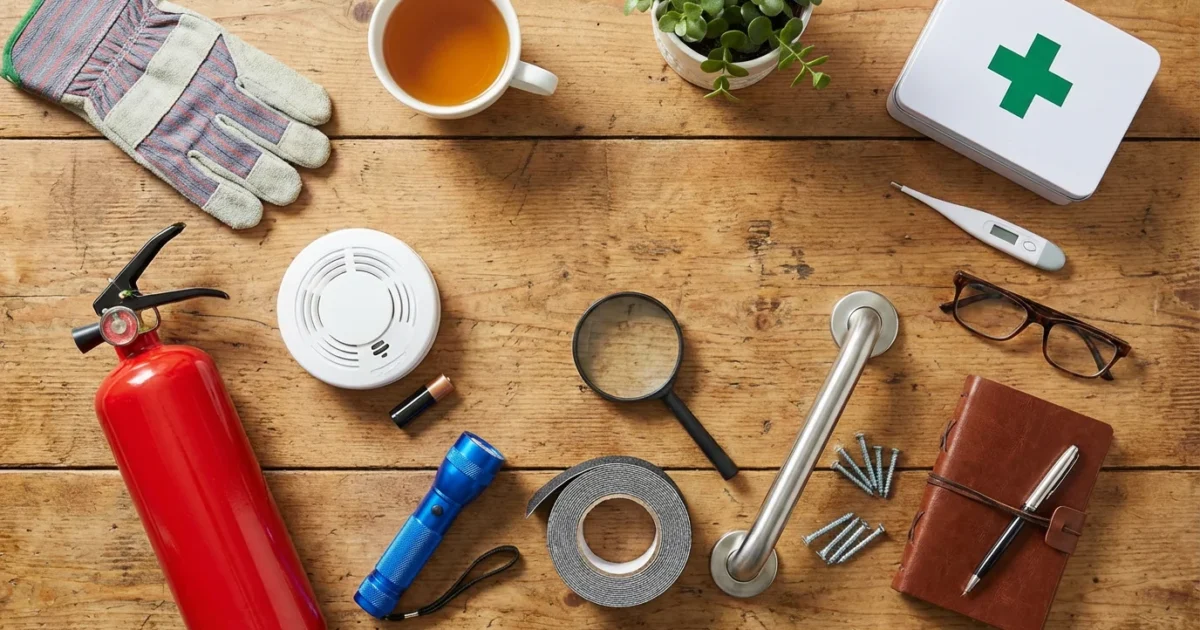
Your home should be a sanctuary, a place of comfort and security. As you age, proactively identifying and addressing potential hazards becomes critical for maintaining independence and preventing accidents. Statistics show that falls are a leading cause of injury among older adults, with many occurring right at home. Taking a systematic approach to home safety can significantly reduce these risks, ensuring your living space remains safe and accessible for years to come. This guide offers practical, actionable steps to help you perform essential safety checks throughout your home.
Understanding the Importance of Home Safety
Your home is where you spend most of your time, making its safety paramount. As you get older, changes in vision, balance, strength, and reaction time can increase your susceptibility to accidents. The Centers for Disease Control and Prevention reports that over 3 million older adults are treated in emergency departments for fall injuries each year. Many of these falls are preventable with simple home modifications and safety awareness.
Proper financial planning in retirement involves budgeting for these types of home maintenance and safety improvements.
For help finding local contractors who specialize in senior safety, your Local Area Agency on Aging can provide valuable community resources and referrals.
Preventative measures are your best defense. By regularly checking your home for hazards, you reduce the risk of injuries and maintain your independence. Taking these steps also offers peace of mind for you and your loved ones, knowing your environment supports your well-being. This guide focuses on actionable steps you can implement today to enhance your living space.
“An ounce of prevention is worth a pound of cure.”
Entryways and Exits: Securing Your Home
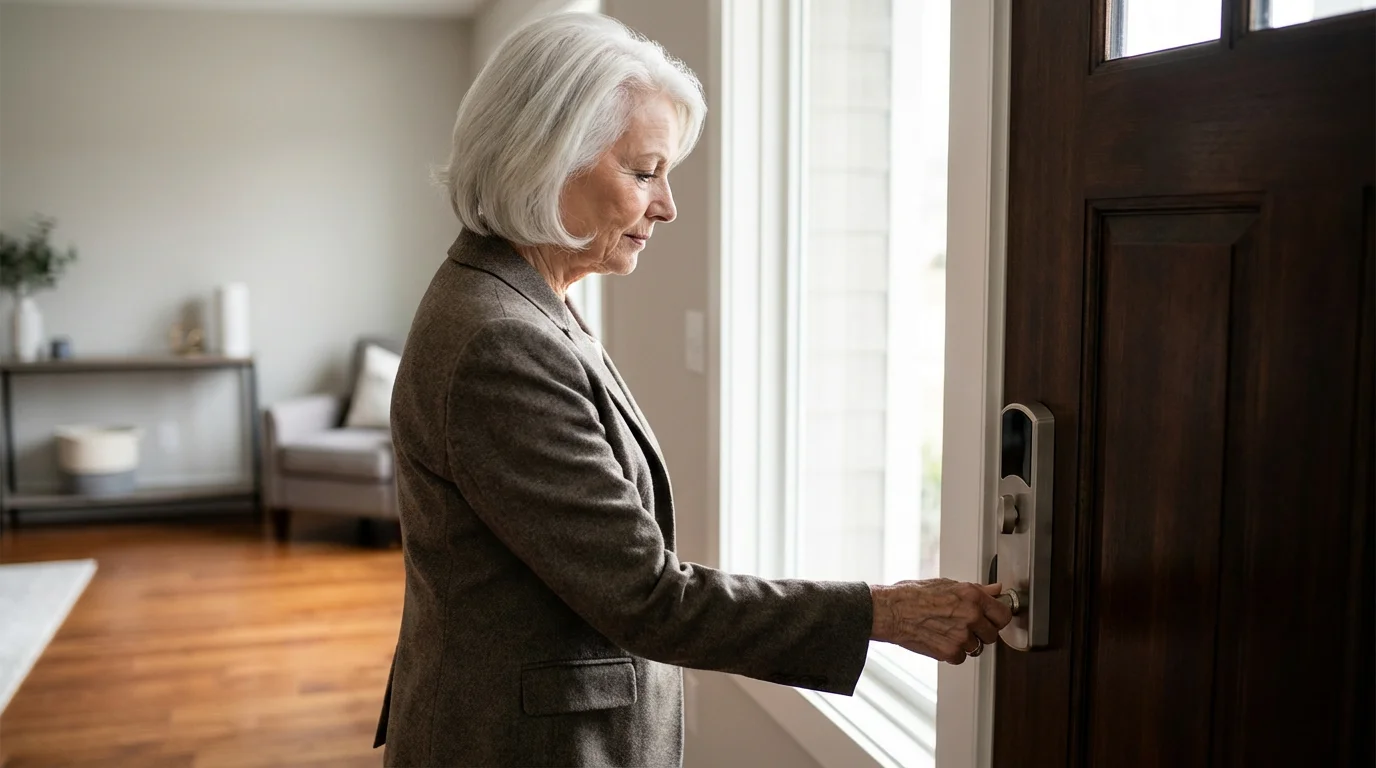
The first and last points of contact with your home are critical for senior safety. Clear, well-lit, and secure entryways prevent falls and protect against intruders. Ensuring smooth transitions from outside to inside sets a safe tone for your entire home experience.
In addition to physical security, protecting yourself from scams targeting seniors is a critical part of overall home safety.
Check the following aspects of your entryways and exits:
- Lighting: Ensure all entryways, both inside and out, have bright, accessible lighting. Consider motion-sensor lights for outdoor paths and entry points.
- Handrails: Install sturdy handrails on both sides of steps or stairs leading into and out of your home. Ensure they extend beyond the top and bottom steps for full support.
- Thresholds: Inspect all door thresholds. Replace or secure any raised or uneven thresholds that could cause a trip. Consider low-profile ramps if thresholds cannot be removed.
- Door Locks: Check that all exterior doors have strong, reliable locks that are easy for you to operate. A deadbolt lock offers an extra layer of security.
- Clear Paths: Keep entryways free of clutter, shoes, doormats with curled edges, and other tripping hazards.
- Slippery Surfaces: Use non-slip mats on wet surfaces near entrances, especially during rain or snow.
According to the National Council on Aging, falls account for 87 percent of all fractures among people 65 and older. Many of these incidents occur at entryways due to poor lighting or uneven surfaces.
Kitchen Safety: Preventing Burns and Falls
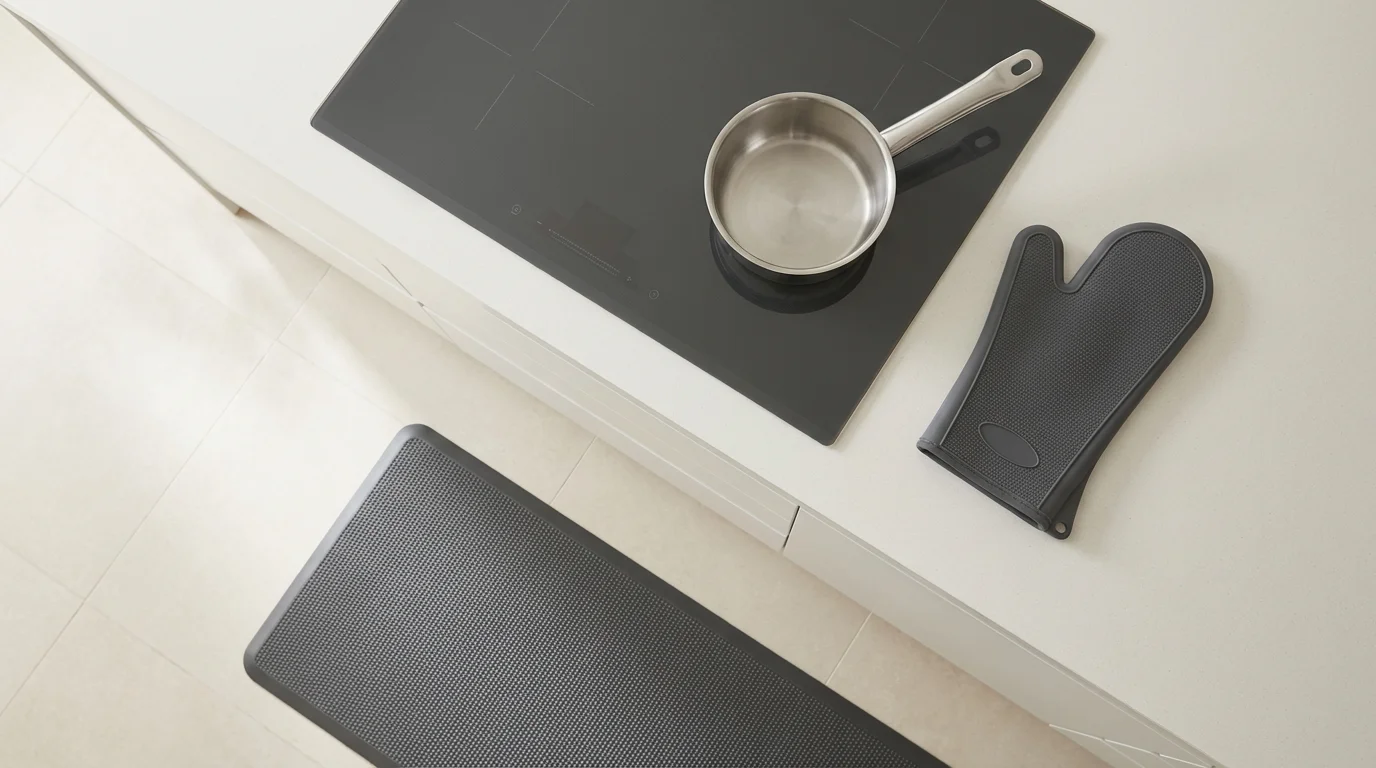
The kitchen is often the heart of the home, but it also presents several unique safety challenges, from hot surfaces to slippery spills. Focusing on organization and accessible design helps prevent common kitchen accidents. Your kitchen should be a comfortable and functional space for preparing meals safely.
Keeping a retirement emergency fund helps ensure you can handle unexpected appliance repairs or urgent safety upgrades.
Remember that staying on top of appliance maintenance also helps you avoid surprising expenses that can suddenly strain your monthly budget.
Implement these kitchen safety checks:
- Flooring: Ensure kitchen floors are non-slip and free from rugs that can shift or bunch. Clean up spills immediately to prevent slips.
- Appliance Access: Arrange frequently used items on lower shelves or in drawers that are easy to reach without excessive bending or stretching. Use non-slip mats under small appliances.
- Stove Safety: Use the back burners whenever possible, and turn pot handles inward to prevent accidental knocks. Consider replacing older stoves with models that have front controls or automatic shut-off features.
- Lighting: Maximize lighting over countertops and the stove. Task lighting can illuminate work areas, making it easier to see what you are doing.
- Fire Safety: Keep a fire extinguisher readily accessible and know how to use it. Regularly check your smoke detectors and carbon monoxide detectors to ensure they are functioning correctly.
- Sharp Objects: Store knives and other sharp utensils in a dedicated knife block or drawer organizer. Never leave sharp objects soaking in dishwater.
Maintaining a tidy and well-organized kitchen prevents accidents. Simple adjustments make a big difference in daily meal preparation.
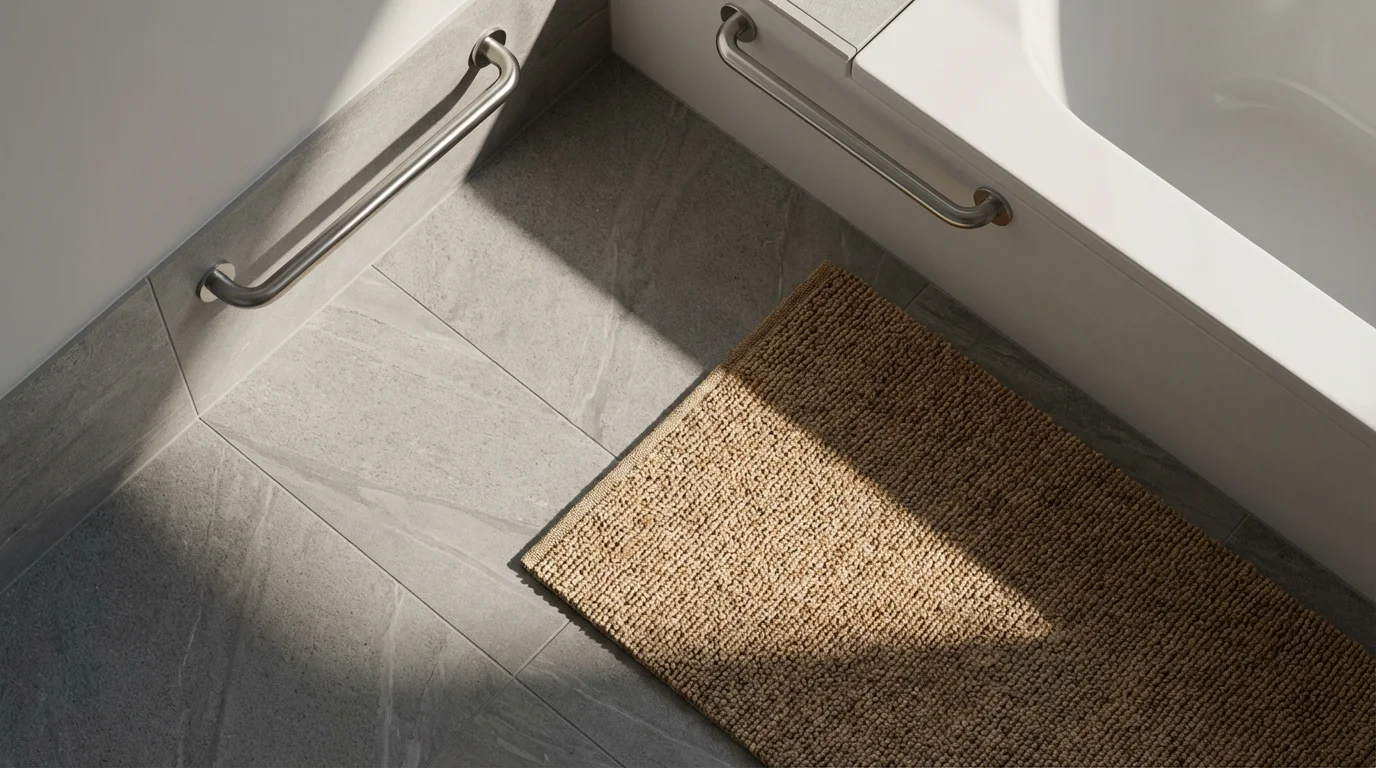
Bathroom Safety: Navigating Wet Surfaces
Bathrooms are one of the most hazardous rooms in the home for seniors due to slippery surfaces and confined spaces. Statistics consistently show a high incidence of falls in bathrooms. Focusing on bathroom safety is a cornerstone of effective fall prevention at home.
If you or a loved one requires recovery support after a slip, understanding whether Medicare covers home healthcare is essential for long-term planning.
If the cost of installing professional grab bars or walk-in showers is a concern, explore housing assistance programs for seniors that may offer financial support for home safety upgrades.
Perform these essential bathroom safety checks:
- Grab Bars: Install grab bars inside and outside the shower or tub, and next to the toilet. Ensure they are professionally installed and secured directly into wall studs, not just drywall.
- Non-Slip Surfaces: Place non-slip mats or adhesive strips inside the shower or tub. Use bath mats with rubberized backing outside the shower to prevent slips on wet floors.
- Toilet Height: Consider a raised toilet seat or a comfort-height toilet to make standing and sitting easier. This reduces strain and improves stability.
- Shower Access: If stepping over a tub wall is difficult, consider a walk-in shower or a tub transfer bench. These modifications significantly reduce the risk of a fall during bathing.
- Lighting: Ensure the bathroom is brightly lit, especially around the shower, tub, and toilet. A night light can be invaluable for nighttime visits.
- Hot Water Control: Set your water heater to a maximum of 120 degrees Fahrenheit to prevent accidental scalding.
- Clutter Removal: Keep bath products, towels, and other items neatly stored and off the floor to prevent tripping.
These modifications can turn a high-risk area into a safe and accessible space. Your safety in the bathroom is crucial for overall well-being.
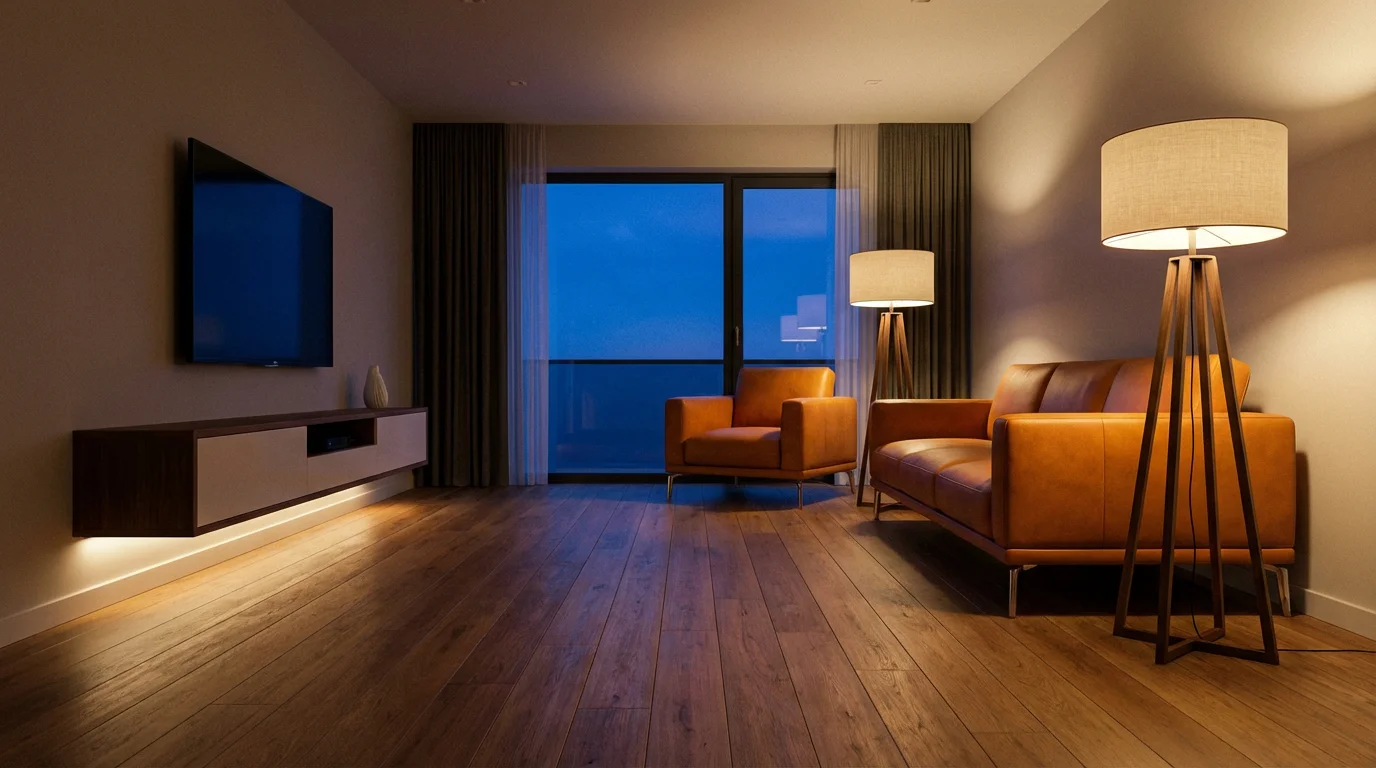
Living Areas: Clear Paths and Smart Lighting
Your living areas, where you relax and entertain, should be comfortable and free from hidden dangers. Maintaining clear pathways and ensuring adequate lighting are key components of senior safety in these frequently used spaces. What home modifications help seniors often includes addressing these common areas.
If your current living room or stairs present too many challenges, downsizing your home to a single-story residence can be a practical long-term solution for aging in place.
Consider these safety checks for your living rooms, dens, and hallways:
- Clear Pathways: Rearrange furniture to create wide, unobstructed paths throughout the room. Remove clutter, decorative items, and small furniture that could pose a tripping hazard.
- Rugs and Carpeting: Remove all throw rugs, or secure them firmly to the floor with non-slip backing. Ensure wall-to-wall carpeting is in good condition, with no frayed edges or buckles.
- Electrical Cords: Secure all electrical and telephone cords along baseboards or under furniture, out of walking paths. Avoid running cords under rugs, which can be a fire hazard.
- Lighting: Provide ample, even lighting throughout the living areas. Use multiple light sources, including overhead lights, floor lamps, and table lamps, to eliminate dark spots. Ensure light switches are easy to reach upon entering a room.
- Furniture Stability: Check that chairs, sofas, and tables are stable and do not wobble. Ensure they provide firm support when you sit down or stand up.
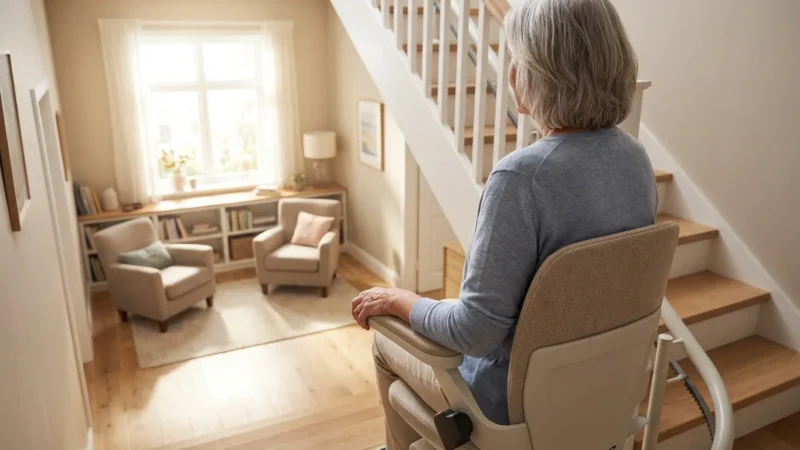
- Stair Safety: If you have stairs, ensure they are well-lit, have sturdy handrails on both sides, and are free of clutter. Consider contrasting stair nosings to make each step more visible.
These simple adjustments make your living spaces more navigable and reduce the risk of falls, helping you maintain a safe and comfortable environment.
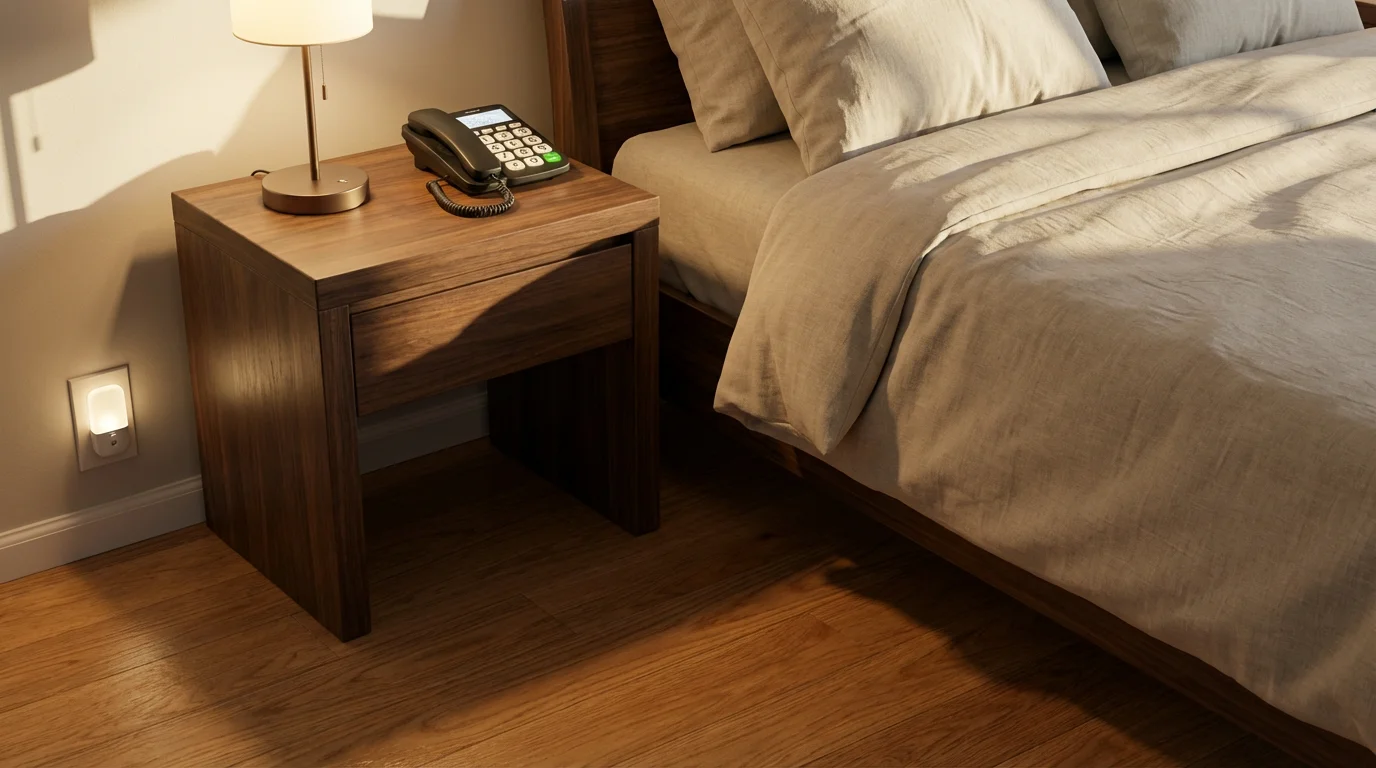
Bedroom Safety: A Restful and Secure Space
The bedroom should be a haven for rest, but it also needs to be a safe environment, especially for nighttime movements. Ensuring your bedroom is well-prepared can prevent falls and make it easier to navigate during the night. A good night’s sleep depends on a secure and accessible bedroom.
Researching how to maximize your Medicare benefits can sometimes help you secure funding for medical equipment that improves home safety.
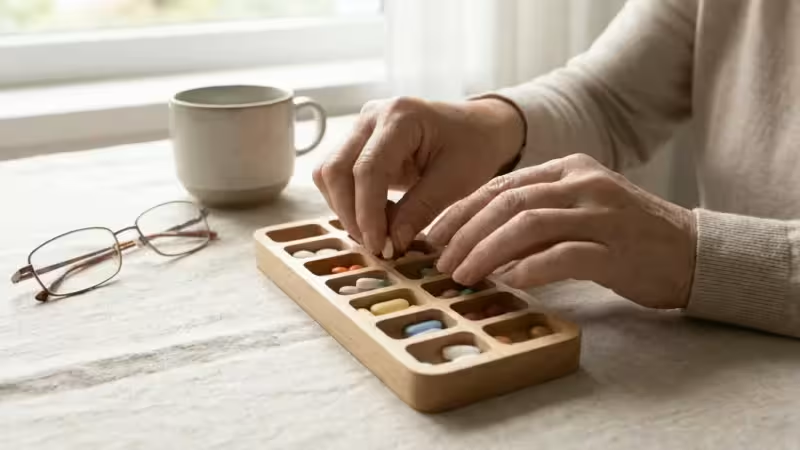
A safe bedside area is also the perfect spot for managing medications using a pill organizer, ensuring they are easily accessible yet securely stored.
Apply these safety checks to your bedroom:
- Bed Height: Ensure your bed is at a comfortable height, allowing your feet to touch the floor when you sit on the edge. This makes getting in and out of bed easier and safer.
- Lighting: Place a lamp with an easy-to-reach switch next to your bed. Consider night lights or motion-activated lights to illuminate your path to the bathroom at night.
- Clear Path to Bathroom: Maintain a clear and uncluttered path from your bed to the bathroom. Remove any obstacles such as rugs, furniture, or clothes that could cause a fall in the dark.
- Emergency Communication: Keep a phone or personal alarm system within easy reach of your bed. This ensures you can call for help if needed.
- Flooring: As with other rooms, remove throw rugs or secure them properly. Ensure any carpeting is free of tears or ripples.
These measures contribute to senior safety and a restful sleep environment. A proactive approach to your bedroom setup can significantly improve your daily routine.
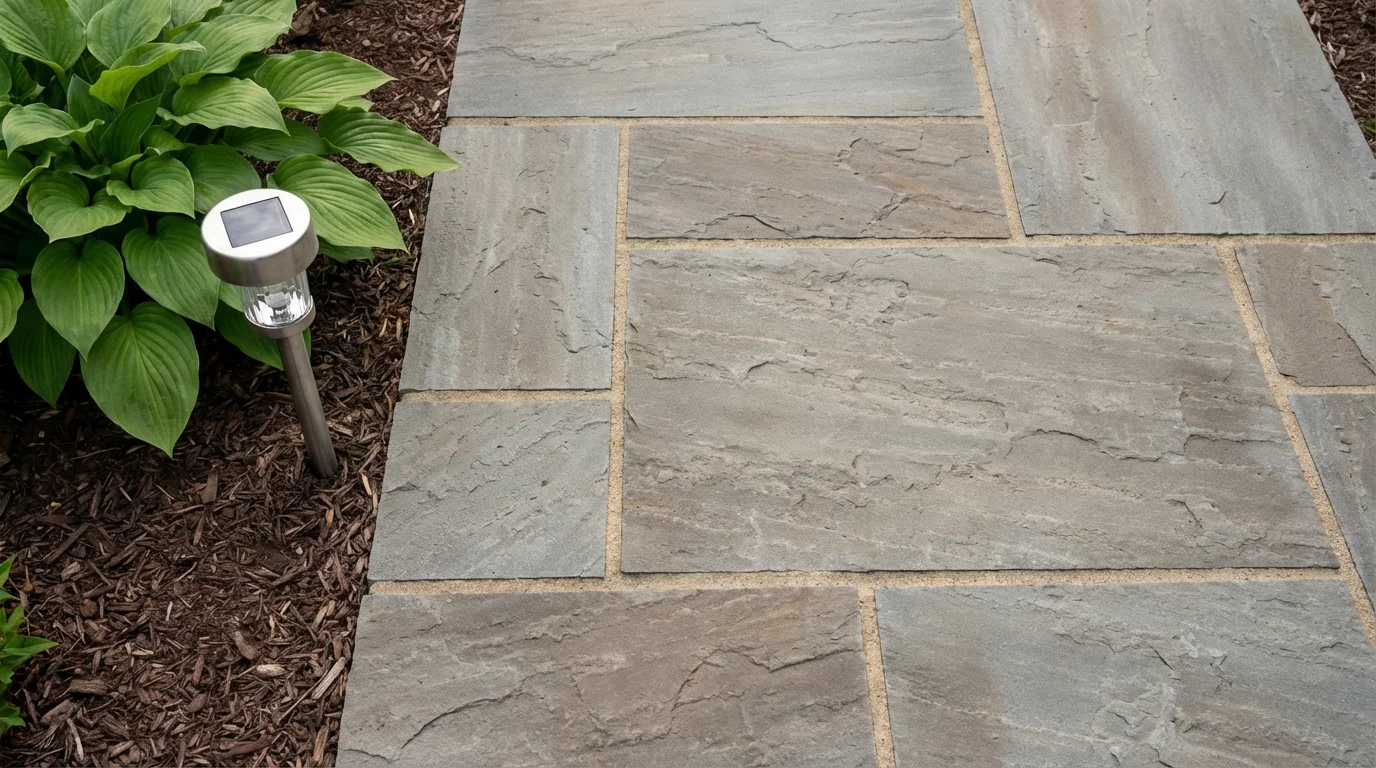
Outdoor Areas: Pathways and Entrances
Your home’s exterior, including pathways, steps, and garden areas, also requires attention for senior safety. Outdoor fall prevention is just as important as indoor measures, especially with varying weather conditions. Accessible outdoor spaces allow you to enjoy your property safely.
Check the following outdoor areas for potential hazards:
- Walkways and Paths: Keep all pathways, driveways, and sidewalks free of cracks, uneven surfaces, and debris like leaves or snow. Repair any damaged sections promptly.
- Lighting: Install bright, weather-resistant lighting along all outdoor paths, steps, and entrances. Motion-sensor lights are excellent for both safety and security.
- Steps and Stairs: Ensure outdoor steps have sturdy handrails on both sides. Repair any loose or rotting steps. Consider adding reflective tape to step edges for better visibility.
- Gardens and Yards: Keep garden hoses coiled, tools stored, and ensure no tripping hazards are present in areas where you walk. Trim overgrown shrubs that might obscure pathways or lighting.
- Ramps: If you use a ramp, ensure it has a non-slip surface, sturdy handrails, and is well-maintained.
Addressing these outdoor concerns helps prevent falls before you even enter your home. Your outdoor environment should be as safe as your indoor spaces.
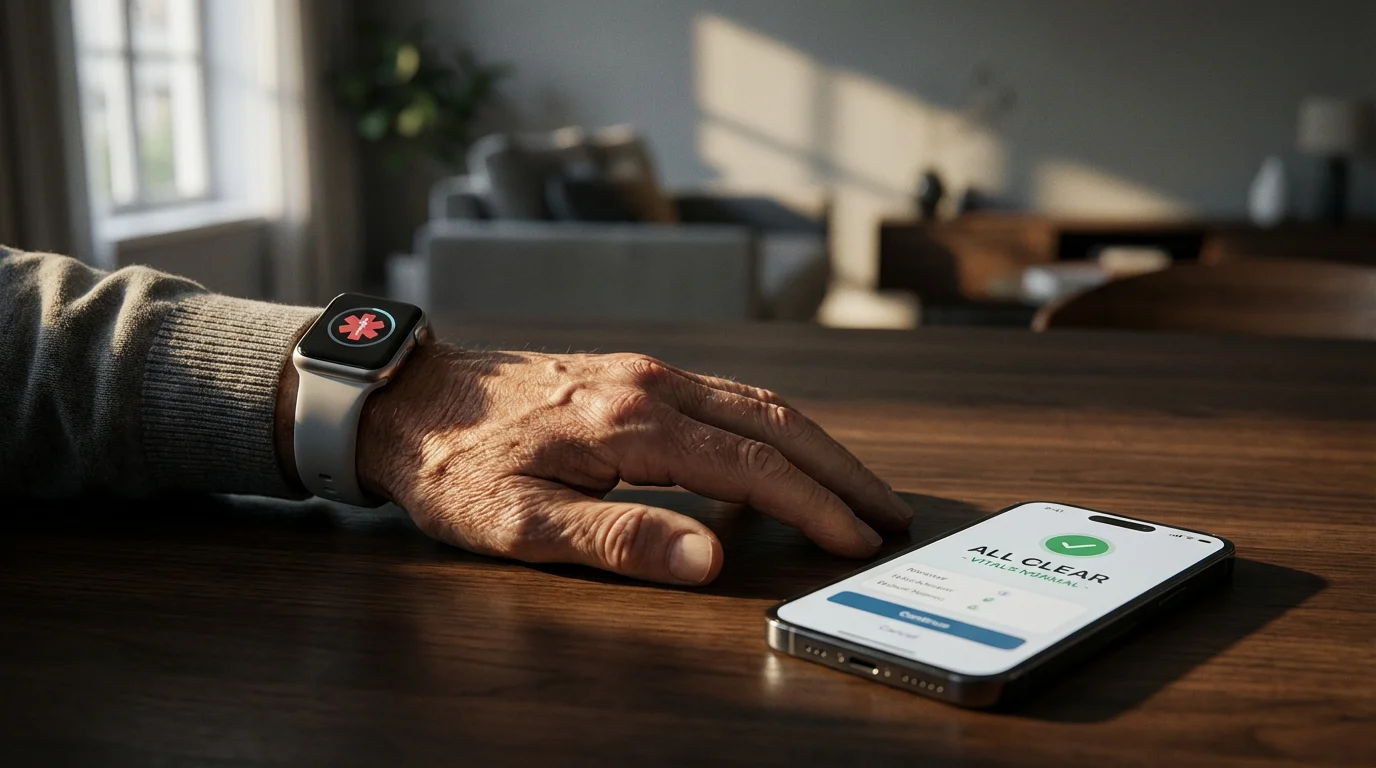
Emergency Preparedness and Technology Aids
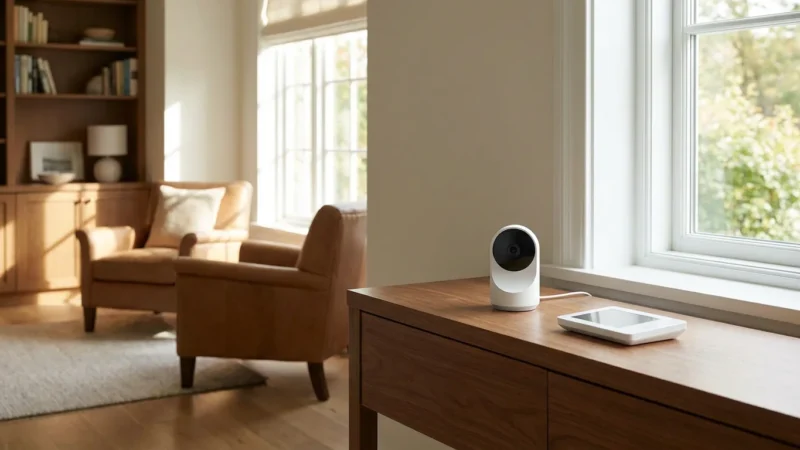
Beyond physical modifications, having a plan for emergencies and leveraging technology can significantly enhance home safety for seniors. Being prepared means you can respond effectively to unexpected situations, providing invaluable peace of mind. Technology offers various solutions to support your independence and security.
Consider these essential emergency preparedness and technology aids:
- Emergency Contact List: Keep a clearly visible list of emergency contacts, including family, friends, doctors, and local emergency services, near every phone.
- Medical Alert Systems: Explore personal emergency response systems (PERS) that allow you to call for help with the push of a button. Many newer systems offer fall detection features.
- Smart Home Devices: Consider smart lighting that you can control with your voice or a remote, reducing the need to walk to light switches in the dark. Smart thermostats and door locks also add convenience and safety.
- Smoke and Carbon Monoxide Detectors: Install and regularly test smoke detectors on every level of your home and outside sleeping areas. Place carbon monoxide detectors near sleeping areas and on each level. Change batteries at least once a year.
- Exit Plan: Develop and practice an emergency exit plan with alternate routes in case of fire or other emergencies. Ensure all exits are unobstructed.
- First Aid Kit: Maintain a well-stocked first aid kit and know where it is located.
These tools and plans empower you to live more securely and confidently. Being prepared for any eventuality is a crucial aspect of overall senior safety.
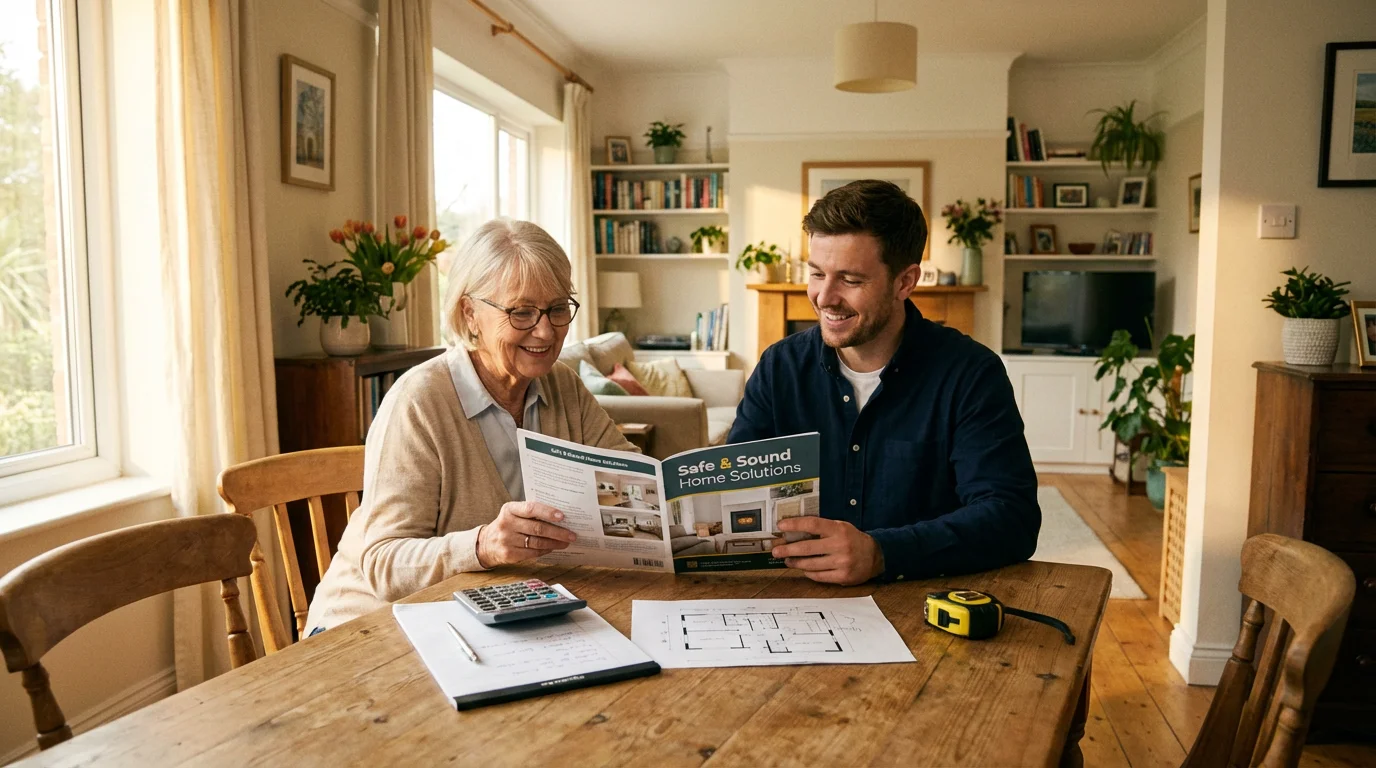
Making Home Modifications Affordable
Concerns about the cost of home modifications often deter people from making necessary safety improvements. However, numerous resources and strategies can help make these changes affordable. You do not have to undertake all modifications at once; prioritize the most critical changes first.
Explore these options for funding and support:
- Government Programs: Certain federal, state, and local programs may offer financial assistance or grants for home modifications. Check resources like Benefits.gov or your state’s Area Agency on Aging. The Eldercare Locator can connect you to local services.
- Non-Profit Organizations: Organizations like Habitat for Humanity or local senior services groups sometimes offer assistance with home repairs and modifications for eligible seniors. The NCOA BenefitsCheckUp tool can help you find programs you qualify for.
- Insurance: While Medicare generally does not cover home modifications, some private health insurance plans or long-term care insurance policies may offer benefits for specific durable medical equipment or home modifications prescribed by a doctor.
- Tax Deductions: If modifications are medically necessary, they may qualify as medical expenses for tax deduction purposes. Consult with a tax professional or refer to IRS publications for guidance.
- Reverse Mortgages: For homeowners, a reverse mortgage could provide funds for home modifications, allowing you to convert home equity into cash without selling your home. Understand the terms carefully and consult with a financial advisor.
- Gradual Approach: Tackle one area at a time. Start with inexpensive, high-impact changes like improving lighting or removing tripping hazards, then save for larger modifications like grab bars or ramp installations.
Investigating these resources can help you make vital home safety improvements without undue financial strain. Your safety is a priority, and help is available.
Frequently Asked Questions
What are the most common home hazards for seniors?
The most common home hazards for seniors include slippery bathroom floors, cluttered walkways, poor lighting, unstable rugs or carpets, and lack of grab bars in showers or near toilets. These factors significantly increase the risk of falls, which are the leading cause of injury among older adults.
Does Medicare cover home safety modifications?
Generally, Medicare does not cover home modifications like grab bars, ramps, or widened doorways. However, it may cover some durable medical equipment, such as walkers or wheelchairs, if deemed medically necessary and prescribed by a doctor. You should always verify coverage with Medicare.gov or your specific plan.
How often should I check my home for safety hazards?
You should conduct a thorough home safety check at least once a year. Additionally, be vigilant for new hazards as they arise, and address them promptly. Regular, smaller checks, such as ensuring pathways are clear and lights are working, should be part of your routine. After any significant life changes or health adjustments, a full re-evaluation is also recommended.
Are there any services that can help me with home modifications?
Yes, many services can assist. Local Area Agencies on Aging, found through the Eldercare Locator, often provide referrals to home modification programs or contractors specializing in senior-friendly adaptations. Non-profit organizations and some state programs also offer assistance, particularly for low-income seniors. Always seek multiple quotes and check references for contractors.
What is the most effective way to prevent falls at home?
The most effective way to prevent falls at home involves a multi-faceted approach. This includes improving lighting, removing tripping hazards, installing grab bars and handrails, using non-slip surfaces in bathrooms, and staying physically active to improve balance and strength. Consulting with your doctor about fall risk assessments and medication reviews is also crucial.
Disclaimer: This article is for informational purposes only. Benefits, programs, and regulations can change. We encourage readers to verify current information with official government sources and consult with qualified professionals for personalized advice.




Leave a Reply