

Finding safe, comfortable, and affordable housing becomes a top priority for many Americans as they approach or enter retirement. Rising costs, fixed incomes, and evolving health needs often make the search for suitable homes challenging for seniors. You might feel overwhelmed by the sheer number of options or confused by eligibility rules.
It is also worth evaluating whether long-term care insurance aligns with your future residential and health requirements.
This article cuts through the complexity. We provide practical, actionable insights into housing assistance programs designed specifically for seniors. We will guide you through federal, state, and local initiatives, offering clear steps on how to find and apply for affordable housing options. You deserve peace of mind when it comes to your home, and we are here to help you secure it.

Understanding the Need for Affordable Senior Housing
Many seniors in the United States face significant financial challenges related to housing. Data from organizations like the National Council on Aging (NCOA) consistently show that a large percentage of older adults live on fixed incomes, making them particularly vulnerable to rising housing costs. The median income for households headed by someone 65 or older is often considerably lower than for younger age groups, highlighting this disparity.
General financial preparedness is key, so being aware of unforeseen costs is vital when calculating your housing affordability.
In addition to finding affordable rent, performing regular safety inspections ensures your current residence remains viable for as long as possible.
For many, downsizing your home can be an effective way to manage these expenses and find a more manageable space.
You may find that a substantial portion of your monthly budget goes toward rent or mortgage payments, leaving less for food, healthcare, and other necessities. This situation is known as housing cost burden, and it impacts millions of retirees. Securing affordable homes directly improves your financial stability and quality of life in retirement, reducing stress and allowing you to enjoy your golden years more fully.
Key Federal Housing Programs for Seniors
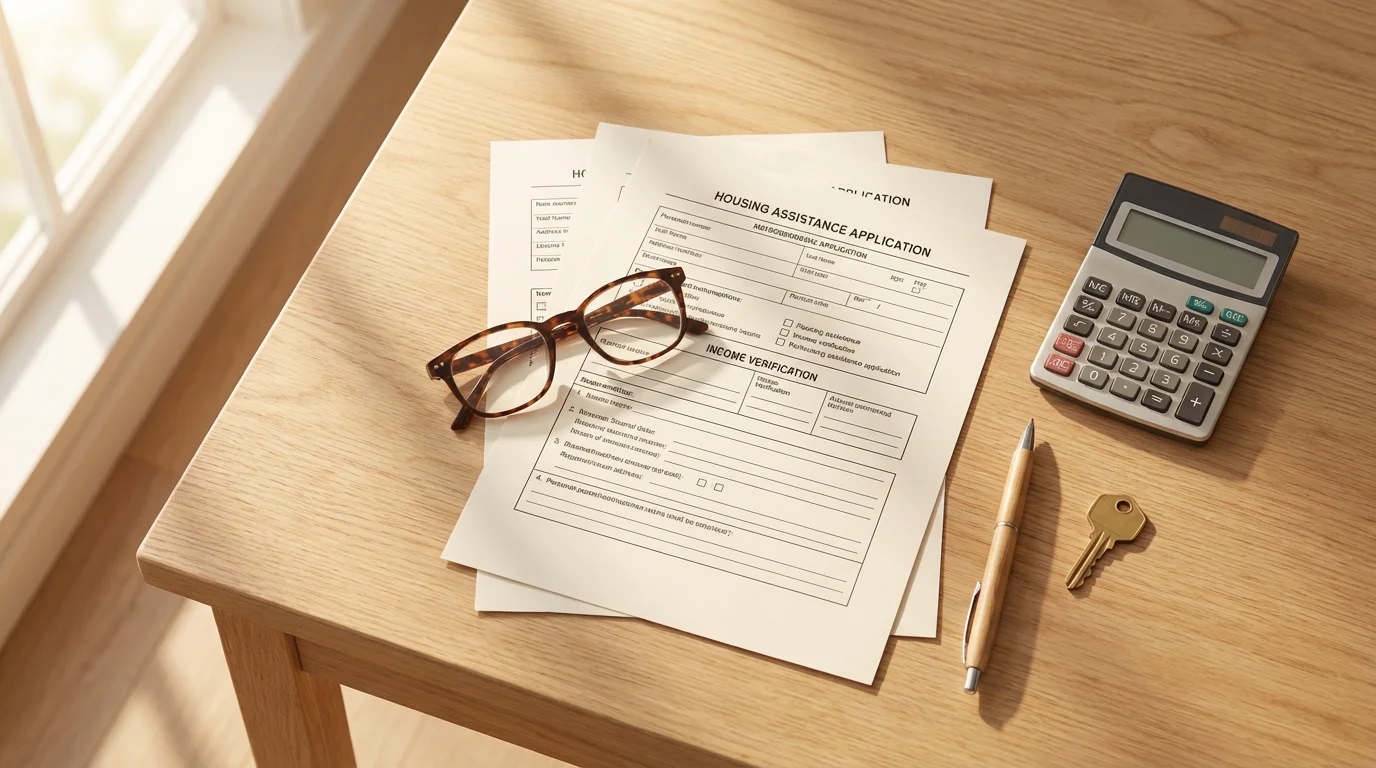
The federal government offers several programs aimed at making housing more affordable for low-income individuals, including seniors. Understanding these initiatives is the first step in finding the support you need. These programs are primarily administered through the U.S. Department of Housing and Urban Development (HUD), but you will typically interact with local housing agencies.
Using free budgeting tools for retirees can help you determine how much of your income can realistically be allocated to rent in subsidized programs.
The Housing Choice Voucher Program (Section 8)
The Housing Choice Voucher Program, commonly known as Section 8, is one of the largest federal programs helping very low-income families, the elderly, and people with disabilities afford safe and sanitary housing. This program provides you with a voucher that subsidizes a portion of your rent, allowing you to choose any housing that meets program requirements. The assistance is paid directly to your landlord on your behalf.
Eligibility for Section 8 primarily depends on your income. Your income must not exceed 50 percent of the median income for the county or metropolitan area where you choose to live. By law, 75 percent of all new vouchers issued each year must go to families whose incomes do not exceed 30 percent of the area median income. Age is a factor for seniors, but the core requirement revolves around financial need. Other factors include U.S. citizenship or eligible immigration status, and a clear background check.
To apply, you contact your local Public Housing Agency (PHA). PHAs manage the program at the local level. You can find a list of PHAs on the HUD website. Due to high demand, waiting lists for Section 8 vouchers can be long, sometimes lasting for several years. It is important to apply as soon as you realize you may need assistance.
Public Housing
Public housing provides affordable rental homes for low-income families, seniors, and people with disabilities. Unlike Section 8, where you find your own housing, public housing properties are owned and managed by local PHAs. These apartments are typically older properties, but they are maintained to health and safety standards. The rent in public housing is usually about 30 percent of your adjusted gross income.
Eligibility requirements are similar to Section 8, focusing on income limits, age (for senior-specific developments), and U.S. citizenship or eligible immigrant status. You also undergo a background check. Each PHA sets its specific income limits, which vary by location.
You apply for public housing directly through your local PHA. They will provide you with an application form and explain the process. Similar to Section 8, public housing programs often have extensive waiting lists. Applying to multiple PHAs in different areas where you might consider living can sometimes increase your chances, though each PHA will have its own application process.
Section 202 Supportive Housing for the Elderly Program
The Section 202 program helps expand the supply of affordable housing with supportive services for very low-income elderly persons. This program offers capital advances to private, non-profit sponsors to finance the development of housing for the elderly. Residents in these properties receive rent subsidies, keeping housing affordable. The “supportive services” aspect is key, often including services like meal programs, transportation, and health and wellness activities, which are invaluable for maintaining independence.
To qualify for Section 202 housing, you must be 62 years or older and have a very low income, generally defined as 50 percent or less of the area median income. You also typically need to be able to live independently, though the supportive services aim to make that easier.
You do not apply for the Section 202 program directly. Instead, you apply to the specific Section 202 housing communities in your area. You can find a list of Section 202 properties through your local HUD office, your Area Agency on Aging, or by using online search tools provided by HUD. When you locate a property, you contact the management directly for an application. Many of these properties also have waiting lists.
State and Local Housing Initiatives
Beyond federal programs, many states, counties, and cities offer their own housing assistance programs for seniors. These programs can complement federal aid or fill gaps where federal assistance may be limited. Investigating local options is a critical step in your search for affordable homes.
Regardless of which program you use, installing reliable home security systems can help ensure your new residence remains a safe haven.
Low-Income Housing Tax Credit (LIHTC) Properties
The Low-Income Housing Tax Credit program is the largest source of affordable rental housing in the United States. While not exclusively for seniors, many LIHTC properties designate units or entire buildings for older adults. These properties are built and managed by private developers who receive tax credits for offering reduced rents to qualifying low-income tenants. Rents are set based on a percentage of the Area Median Income (AMI), ensuring affordability.
Eligibility is based on your income relative to the AMI for the specific location of the property. There are often income tiers, such as 30 percent, 50 percent, or 60 percent of the AMI. You typically apply directly to the management of these specific properties. Websites like the National Low Income Housing Coalition and state housing finance agencies often provide directories of LIHTC properties. When contacting a property, always ask if they have specific units or preferences for seniors.
Property Tax Relief Programs
If you own your home, property taxes can become a significant burden, especially on a fixed income. Many states and local jurisdictions offer property tax relief programs designed to help seniors. These can include:
- Homestead Exemptions: This reduces the taxable value of your home, lowering your property tax bill. Many states offer enhanced homestead exemptions for seniors.
- Property Tax Deferrals: This allows you to postpone paying some or all of your property taxes until your home is sold or changes ownership. Interest typically accrues on the deferred amount.
- Circuit Breaker Programs: These programs provide a tax credit or rebate if your property taxes exceed a certain percentage of your income.
Eligibility for these programs varies widely by state and locality. Common requirements include age (e.g., 65 or older), income limits, and residency requirements. To find out what is available to you, contact your county or city assessor’s office, or your state’s department of revenue. These offices can provide specific information on how to apply and what documentation you need.
Local Senior-Specific Housing and Services
Many communities have local non-profit organizations, religious groups, or municipal agencies that operate senior housing projects or provide housing assistance. These initiatives might include:
- Affordable senior apartments managed by local housing authorities or non-profits.
- Emergency rental assistance programs for seniors facing eviction.
- Home repair or modification programs to help seniors age in place safely.
- Referral services to connect seniors with available local resources.
You can discover these local options by contacting your Area Agency on Aging (AAA), senior centers, or local government offices. These entities often have comprehensive lists of local senior housing options and support services. Websites like Eldercare Locator, a public service of the U.S. Administration for Community Living, can help you find your local AAA.

Navigating Eligibility and Application Processes
Applying for housing assistance can seem daunting, but breaking it down into manageable steps makes the process clearer. Most programs share common requirements, allowing you to prepare efficiently.
Always stay vigilant against fraudulent housing schemes that may target individuals seeking financial assistance.
If you encounter complex regulatory hurdles during the application, legal aid for seniors can provide the professional guidance you need.
Common Eligibility Requirements
While specific criteria vary by program, you will generally encounter these common requirements:
- Age: For senior-specific programs, you typically need to be 62 or 65 years or older. General low-income programs do not have an age requirement but will consider age as a factor for preferences.
- Income Limits: Your household income must fall within specified percentages of the Area Median Income (AMI), which varies significantly by location. You will need to provide extensive documentation of all income sources.
- U.S. Citizenship or Eligible Immigration Status: Most federal programs require this.
- Background Checks: You will likely undergo criminal background checks and sometimes credit checks.
- Assets: Some programs may have limits on assets, such as savings accounts or investments, though primary residences are usually exempt.
- Residency: You may need to prove residency in the city or county where you are applying, or at least demonstrate intent to reside there.
Key Documents You Will Need
Being prepared with the right documents can significantly streamline your application process. Gather these materials before you apply:
- Proof of identity for all household members (birth certificates, driver’s licenses, state IDs).
- Social Security cards for all household members.
- Proof of U.S. citizenship or eligible immigration status.
- Income verification for all sources: Social Security benefits, pension statements, veterans’ benefits, employment pay stubs, bank statements showing interest, annuity statements, and any other regular income.
- Asset verification: Bank statements, investment account statements, property deeds.
- Medical expense documentation: Receipts or statements for ongoing medical costs, insurance premiums, and prescription drugs, as these can sometimes be deducted from income calculations for eligibility.
- Previous landlord contact information for rental history verification.
Tips for a Successful Application
Follow these practical tips to improve your chances of securing affordable homes:
- Start Early: Waiting lists can be long. Begin your research and application process well before you face an urgent housing need.
- Be Thorough and Accurate: Provide complete and truthful information on all application forms. Any discrepancies can cause delays or outright rejection.
- Keep Copies of Everything: Maintain a well-organized file with copies of all submitted applications, documents, and correspondence. This protects you if something is misplaced.
- Follow Up Regularly: Check on the status of your applications periodically, especially if you are on a waiting list. Confirm your contact information is current.
- Communicate Changes: Notify housing authorities immediately of any changes to your income, household size, or contact information.
- Seek Assistance: If you find the application process overwhelming, do not hesitate to reach out to local senior centers, Area Agencies on Aging, or legal aid services for help.
Remember that patience is crucial. The process often takes time, but persistence pays off.

Resources for Finding and Applying for Housing Assistance
Navigating the various housing programs and application procedures can be complex. Fortunately, numerous resources exist to help you find and apply for the assistance you need. These organizations and websites are designed to connect you with practical solutions.
- U.S. Department of Housing and Urban Development (HUD): HUD is the primary federal agency responsible for housing and urban development. Their website provides extensive information on all federal housing programs, including a locator tool to find your local HUD office. These offices can guide you to local PHAs and Section 202 properties.
- Eldercare Locator: This public service of the U.S. Administration for Community Living helps you find local services for older adults and their families. By entering your ZIP code or city and state, you can locate your nearest Area Agency on Aging (AAA). AAAs are invaluable resources, offering information on local housing options, supportive services, and assistance with applications.
- Benefits.gov: This official government website is a comprehensive resource for finding federal and state benefits, including housing assistance. You can use their “Benefit Finder” tool by answering a series of questions to identify programs you may be eligible for. This is an excellent starting point for understanding your options.
- NCOA BenefitsCheckUp: Provided by the National Council on Aging, BenefitsCheckUp is a free, confidential online service that helps you identify federal, state, and local programs that can save you money. It includes programs for housing, utilities, food, healthcare, and more. It is specifically tailored for older adults.
- Legal Aid and Senior Law Centers: If you encounter difficulties with an application, face discrimination, or need legal advice regarding your housing rights, local legal aid societies or senior law centers can provide free or low-cost assistance. Check with your local bar association or your AAA for referrals.
- Local Government Offices: Your city or county housing department, social services department, or senior affairs office often has information specific to local programs and can provide direct assistance or referrals.
The best time to plant a tree was 20 years ago. The second best time is now. This timeless wisdom applies to retirement planning, especially housing. Start researching your options today, even if retirement feels years away.

Beyond Traditional Housing: Other Affordable Living Options
While formal assistance programs offer significant support, you might also consider alternative living arrangements that promote affordability and community. These options can provide creative solutions for seniors seeking to reduce housing costs and enhance their living situation.
Shared Housing and Housemates
Living with a housemate, whether a peer or a younger individual, can drastically cut housing costs by splitting rent and utilities. This arrangement offers more than just financial benefits; it can also provide companionship, reduce isolation, and offer mutual support. Many seniors find shared housing appealing for these social advantages.
Several organizations and websites specialize in matching seniors with compatible housemates. You might also explore local senior centers or community bulletin boards. When considering shared housing, it is vital to establish clear expectations regarding finances, chores, personal space, and guest policies. A written agreement can prevent misunderstandings down the line.
Accessory Dwelling Units (ADUs)
An Accessory Dwelling Unit, or ADU, is a secondary housing unit on a single-family residential lot. This can be a basement apartment, a renovated garage, or a small detached cottage in the backyard. For homeowners, an ADU offers a flexible solution:
- You can rent out the ADU for supplemental income, helping to cover your mortgage or property taxes.
- You can move into the ADU yourself and rent out the main house, potentially generating more income or allowing family to live in the main home.
- It provides an option for multi-generational living, allowing adult children or caregivers to live nearby while maintaining separate spaces.
The feasibility of building or converting an ADU depends on local zoning laws and building codes. Check with your city or county planning department for specific regulations and permit requirements. While an initial investment may be required, an ADU can offer long-term financial benefits and increased housing flexibility.
Reverse Mortgages (with Caution)
For homeowners, a reverse mortgage allows you to convert a portion of your home equity into cash, without having to sell your home or make monthly mortgage payments. You retain ownership of your home, and the loan becomes due when you move out, sell the home, or pass away.
While a reverse mortgage can provide a significant influx of tax-free cash, it is a complex financial product with potential risks. It is crucial to understand all the terms and implications, including fees, interest rates, and how it impacts your estate. You must continue to pay property taxes, homeowners insurance, and maintain your home. The Consumer Financial Protection Bureau (CFPB) offers objective information and resources on reverse mortgages. Always seek independent financial and legal advice before making a decision about a reverse mortgage to ensure it aligns with your long-term financial goals.
Tips for Securing and Maintaining Affordable Housing
Successfully navigating the affordable housing landscape requires proactive planning and ongoing diligence. Here are practical tips to help you secure and maintain your ideal housing situation throughout your retirement years.
- Plan Ahead: Begin exploring your housing options and researching programs well before you need to make a move. Waiting lists are common, and having a plan gives you more choices and reduces stress.
- Budget Wisely: Develop a realistic budget that accounts for all housing-related expenses, including rent or mortgage, utilities, insurance, property taxes, and maintenance. Knowing your financial limits helps you identify truly affordable homes.
- Maintain a Good Rental History: If you are a renter, always pay your rent on time, adhere to your lease agreement, and maintain open communication with your landlord. A positive rental history is a significant advantage when applying for new housing.
- Understand Your Rights as a Tenant: Familiarize yourself with landlord-tenant laws in your state. Knowing your rights can help you resolve disputes and ensure you are treated fairly. Resources like local legal aid services or housing counseling agencies can provide this information.
- Keep Your Home Well-Maintained: If you own your home, regular maintenance can prevent costly repairs down the line. Look into local programs that offer assistance with minor home repairs for seniors.
- Stay Connected to Resources: Regularly check with your local Area Agency on Aging, senior centers, and government housing departments for updates on new programs or changes to existing ones. Information can change, and staying informed ensures you do not miss out on potential benefits.
- Be Persistent: The search for affordable housing can sometimes be a lengthy process. Do not get discouraged by long waiting lists or initial rejections. Continue to apply for programs, explore all available options, and follow up diligently. Your persistence will ultimately lead to success.
Securing affordable housing is a cornerstone of a comfortable and secure retirement. By leveraging the available programs, resources, and these practical tips, you can find a living situation that supports your financial well-being and enhances your quality of life.
Frequently Asked Questions
What is the easiest way for seniors to find affordable housing options?
The easiest way to start is by contacting your local Area Agency on Aging (AAA) or using online tools like Eldercare Locator and NCOA BenefitsCheckUp. These resources can connect you directly to local housing programs, senior-specific properties, and application assistance tailored to your needs and location.
What are the income requirements for senior housing assistance programs?
Income requirements vary significantly by program and location. Most federal and state programs define eligibility based on a percentage of the Area Median Income (AMI) for your specific county or metropolitan area, typically ranging from 30 percent to 80 percent of the AMI. You will need to provide detailed documentation of all household income sources during the application process.
How long are waiting lists for senior housing programs?
Waiting lists for popular housing assistance programs, such as Section 8 vouchers or public housing, can range from a few months to several years, depending on demand and local availability. Some programs, like Section 202 properties, may also have lengthy lists. It is crucial to apply early and to multiple programs if possible.
Can I apply for housing assistance if I already own my home?
Yes, you can. If you own your home, you may be eligible for property tax relief programs, such as homestead exemptions or deferrals, to reduce your housing costs. Programs like Accessory Dwelling Units (ADUs) or reverse mortgages can also provide financial relief, though reverse mortgages require careful consideration and professional advice.
Where can I get help filling out housing assistance applications?
Many organizations offer assistance with applications. Your local Area Agency on Aging (AAA), senior centers, and local Public Housing Agencies (PHAs) often provide guidance or referrals. Legal aid services and non-profit housing counseling agencies can also help you understand and complete complex application forms accurately.
Disclaimer: This article is for informational purposes only. Benefits, programs, and regulations can change. We encourage readers to verify current information with official government sources and consult with qualified professionals for personalized advice.







Leave a Reply