
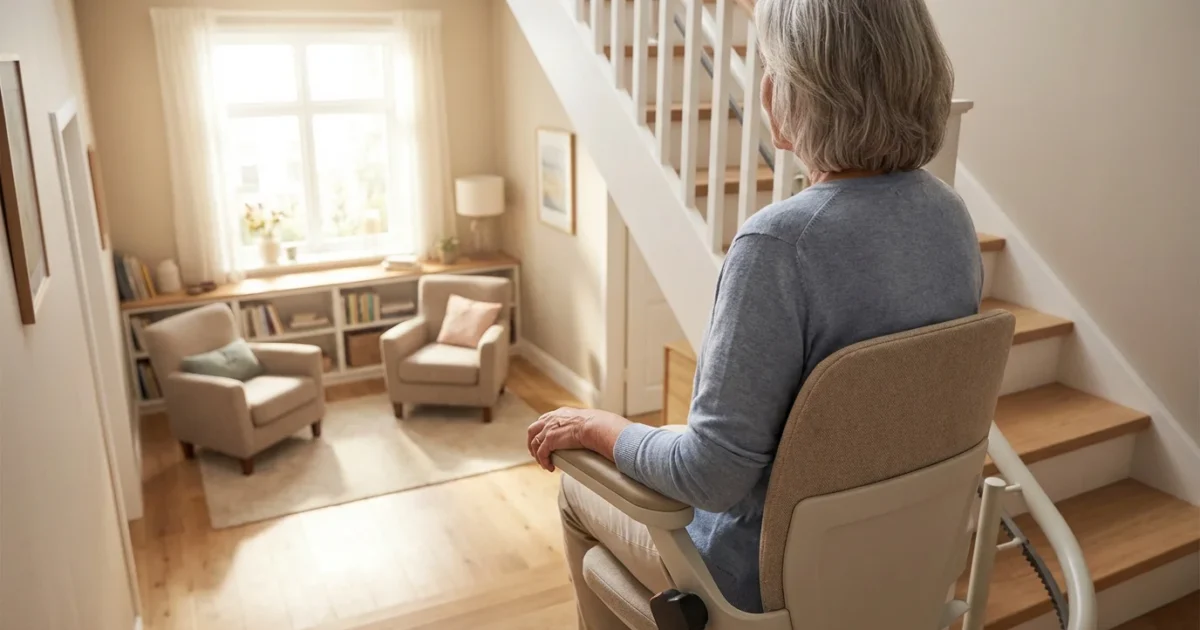
As you approach or enter your retirement years, you likely envision staying in your own home, surrounded by familiar comforts and memories. This desire, known as aging in place, offers significant benefits, including continued independence and connection to your community. However, your home, built for a younger you, might present challenges as mobility, vision, or balance naturally change. Proactive home modifications for accessibility ensure your living space remains safe, functional, and comfortable for years to come.
For some, downsizing your home may be a more practical alternative to extensive renovations if a current layout is too difficult to modify.
Modifying your home allows you to navigate daily life with ease and confidence. These changes range from simple adjustments like adding grab bars to more extensive projects such as creating a roll-in shower. Understanding what home modifications are best for aging in place and how much do home modifications cost helps you plan effectively for a secure future in your cherished home.
Understanding Aging in Place and Home Modifications
Aging in place means living in your home and community safely, independently, and comfortably, regardless of age, income, or ability level. This concept directly contrasts with moving to assisted living facilities or nursing homes. It emphasizes maintaining autonomy and quality of life within a familiar environment.
Proactively maximizing your Medicare benefits can also help you manage long-term health and wellness as you age in place.
When planning to stay at home long-term, it is also wise to research if Medicare covers home healthcare should your medical needs change.
Alongside modifications, performing essential safety checks for seniors ensures that your home systems remain in good working order.
Home modifications for accessibility are the key to making aging in place a reality. These modifications involve adapting your physical living space to better suit changing physical needs. They address potential hazards, improve navigability, and enhance overall comfort. Many older adults experience greater satisfaction and well-being when they can remain in their homes, surrounded by their personal belongings and established routines.
Beyond personal comfort, aging in place often proves more cost-effective than institutional care. The average cost of assisted living in the U.S. can exceed $4,500 per month, according to national surveys. Investing in home modifications, even significant ones, often represents a fraction of these long-term care expenses.
Assessing Your Needs: What Home Modifications Are Best for You?
Before you begin any project, accurately assessing your current and future needs is crucial. A thorough assessment helps you prioritize modifications, ensuring you invest in changes that provide the most benefit. Consider not only your present physical capabilities but also potential changes over the next 5 to 10 years.
Before starting your assessment, consider decluttering your home to get a better view of your current layout and potential hazards.
Beyond physical accessibility, many retirees choose to integrate modern home security systems as part of their emergency preparedness plan.
For help finding qualified evaluators, your Local Area Agency on Aging can provide a wealth of community-specific resources and referrals.
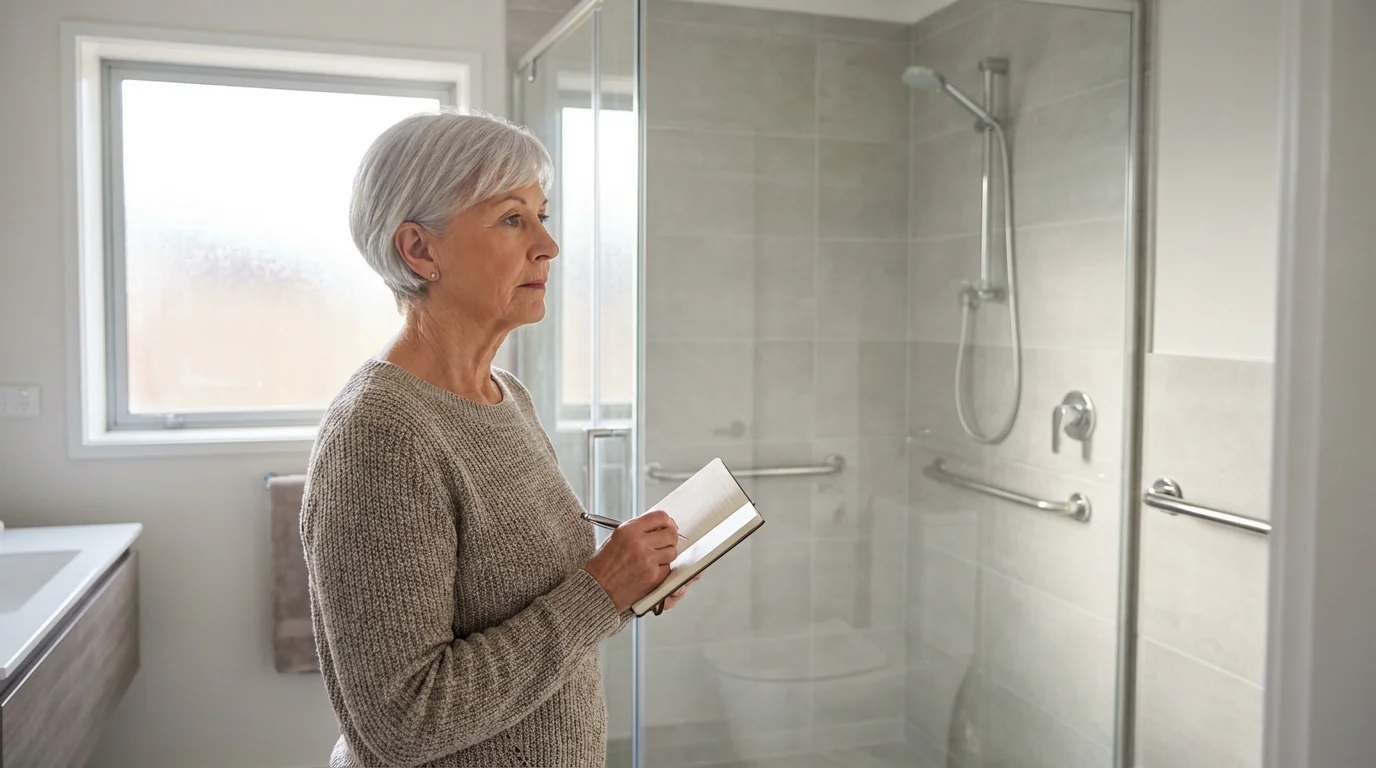
You can start with a self-assessment, walking through your home and identifying areas of concern. Pay attention to places where you feel less stable, have difficulty reaching, or find obstacles. Think about how you perform daily tasks, from bathing and cooking to simply moving between rooms.
For a more comprehensive evaluation, consider hiring a professional. Occupational therapists specializing in home safety, or Certified Aging-in-Place Specialists (CAPS), offer expert assessments. They evaluate your home environment and recommend specific, tailored solutions based on your individual needs and abilities.
Key areas to assess include:
- Mobility: Do you use a walker, cane, or wheelchair? Are doorways wide enough? Are there steps or thresholds that pose a trip hazard?
- Balance and Stability: Do you often feel unsteady? Are there sufficient handholds in bathrooms or near stairs? Is flooring slippery?
- Vision: Is lighting adequate, especially in task areas? Are there glare issues? Can you easily read labels and controls?
- Reach and Grip: Can you comfortably reach frequently used items in cabinets? Are door handles and faucets easy to operate with limited hand strength?
- Emergency Preparedness: Can you easily exit in an emergency? Do you have smoke detectors and carbon monoxide detectors in working order?
Major Home Modifications for Enhanced Safety
Major home modifications typically involve structural changes or significant installations. These projects often require professional contractors and represent a larger investment in how much do home modifications cost. However, they deliver substantial improvements in safety and accessibility.
If you are concerned about the cost of significant upgrades, exploring housing assistance programs for seniors can reveal available grants and support.
Because structural changes are a significant investment, it’s important to account for them so they don’t become surprising expenses that wreck your budget during your golden years.
Consider these major modifications:
- Widening Doorways and Hallways: Standard doorways are often too narrow for wheelchairs or walkers. Widening them to at least 32-36 inches provides essential clearance. This modification can significantly improve movement throughout your home.
- Installing Ramps: If your home has steps leading to entryways, a permanent ramp offers a smooth, safe transition for anyone with mobility challenges. Ramps require specific slopes to be safe, often 1 inch of rise for every 12 inches of length.
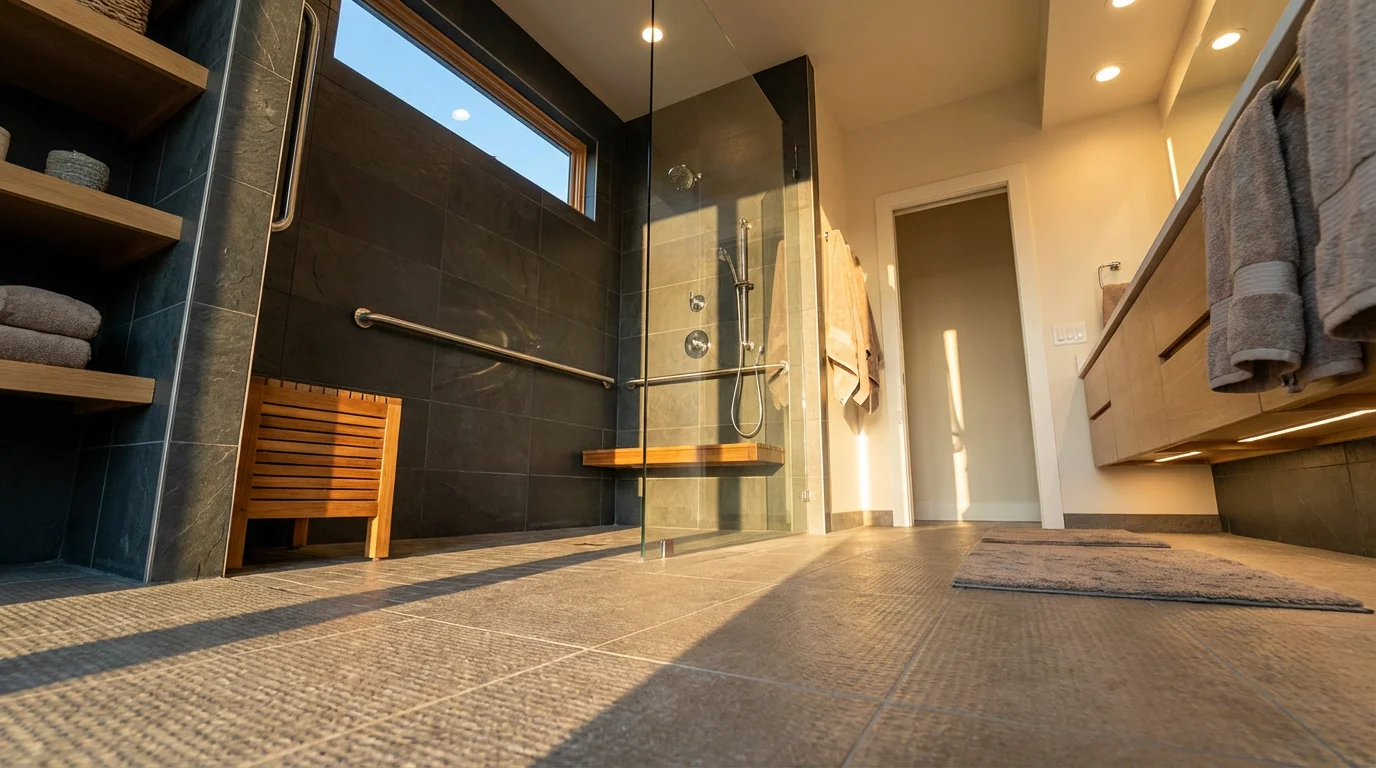
- Creating a Zero-Threshold Entry or Shower: Removing thresholds at exterior doors eliminates trip hazards. In bathrooms, a roll-in or zero-threshold shower allows easy access for wheelchairs or individuals who cannot step over a curb. This greatly enhances bathroom accessibility and safety.
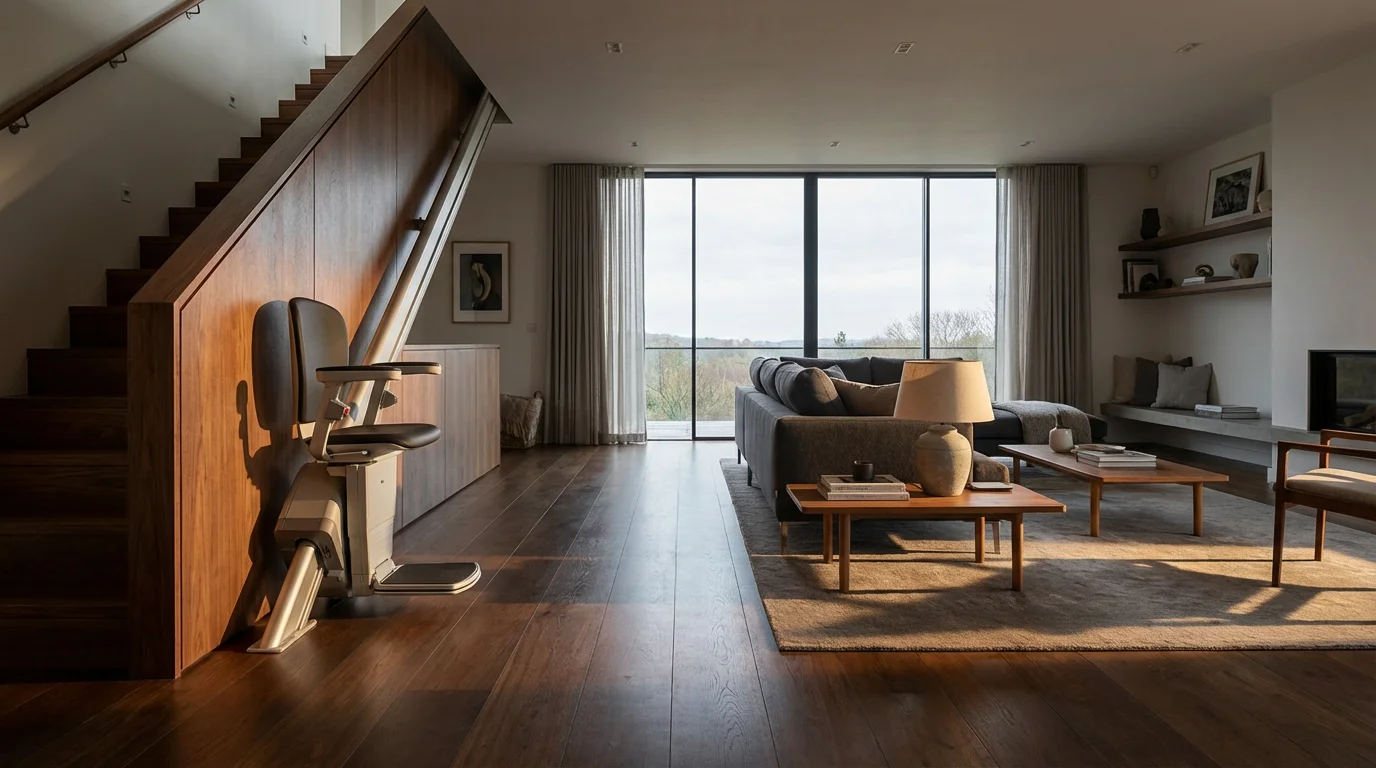
- Stairlifts or Elevators: For multi-story homes, a stairlift provides a safe way to move between floors without the risk of falls. While more expensive, a home elevator offers even greater convenience and accessibility, potentially increasing home value.
- Bathroom Renovations: A full bathroom renovation might include lowering sinks, installing wall-mounted grab bars (not just suction cup ones), and creating more open space for maneuvering.
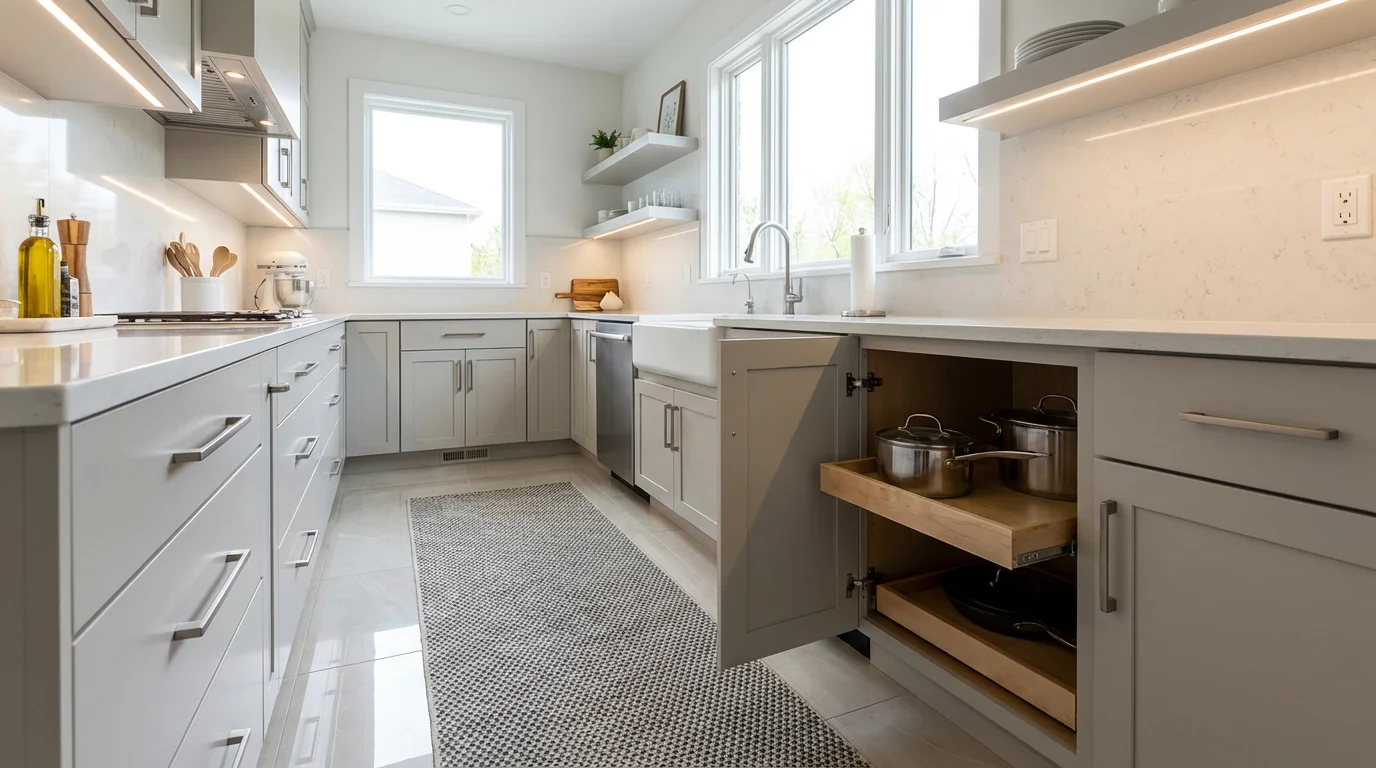
- Kitchen Layout Adjustments: Lowering countertops, installing pull-out shelves, or incorporating adjustable-height work surfaces makes cooking and meal preparation easier. This is especially true for those using wheelchairs or with limited reach.
The cost for these major modifications varies widely. A stairlift might range from $2,000 to $15,000, while a full bathroom renovation for accessibility could easily reach $10,000 to $30,000 or more, depending on materials and labor. Planning and budgeting are essential when considering these significant investments.
Minor Home Modifications for Everyday Comfort
Not all effective home modifications require extensive renovations. Many smaller, more affordable changes can significantly improve daily comfort and safety. These minor updates often prove achievable with a handyman or even as DIY projects, impacting how much do home modifications cost favorably.
Focusing on these small changes is an excellent strategy for cutting retirement costs by preventing expensive emergency room visits.
Consider these practical adjustments:
- Installing Grab Bars: Essential in bathrooms, near toilets, and in showers. Properly installed grab bars provide crucial support and help prevent falls. Ensure they are securely anchored into wall studs.
- Improving Lighting: Enhance visibility by adding brighter bulbs, task lighting in kitchens and workspaces, and motion-sensor lights in hallways or bathrooms. Eliminate dark corners and reduce shadows that can cause falls.
- Replacing Doorknobs with Lever Handles: Lever-style door handles are much easier to operate for individuals with arthritis or limited hand dexterity compared to traditional round knobs. This small change makes opening doors effortless.
- Adjusting Faucets: Replace twist-knob faucets with lever-style handles in kitchens and bathrooms. These require less grip strength and are simpler to use.
- Adding Handrails: Ensure sturdy handrails are installed on both sides of staircases, extending beyond the top and bottom steps. This provides continuous support.
- Securing or Removing Rugs: Loose rugs pose a significant tripping hazard. Remove them entirely or secure them firmly to the floor with non-slip pads or tape.
- Increasing Outlet Accessibility: Raise electrical outlets to 18-24 inches from the floor, reducing the need to bend excessively. Add rocker-style light switches for easier operation.
- Smart Home Technology: Install smart thermostats, lighting systems, or door locks that you can control with voice commands or a smartphone. These technologies offer convenience and enhance independence.
These minor modifications typically range from tens to a few hundreds of dollars per item, making them accessible entry points for enhancing your home’s accessibility. You can implement many of these changes incrementally as your needs evolve.
Making Your Kitchen Accessible and Safe
The kitchen often serves as the heart of the home, but its layout and features can present significant challenges for aging individuals. Thoughtful modifications transform your kitchen into a safe, efficient, and enjoyable space for meal preparation and social gatherings.
Focus on these specific kitchen modifications:
- Lowering Countertops: Install sections of countertops at varying heights, including a lower section accessible from a seated position. This allows for comfortable food preparation for those using a wheelchair or stool.
- Pull-Out Shelves and Drawers: Convert lower cabinets into pull-out shelves or drawers. This eliminates bending and reaching into deep, dark spaces, making items easily accessible.
- Roll-Under Sink and Cooktop: Create knee and toe clearance under the sink and cooktop. This allows a person in a wheelchair to get closer to the work surface. Insulate hot water pipes under the sink to prevent burns.
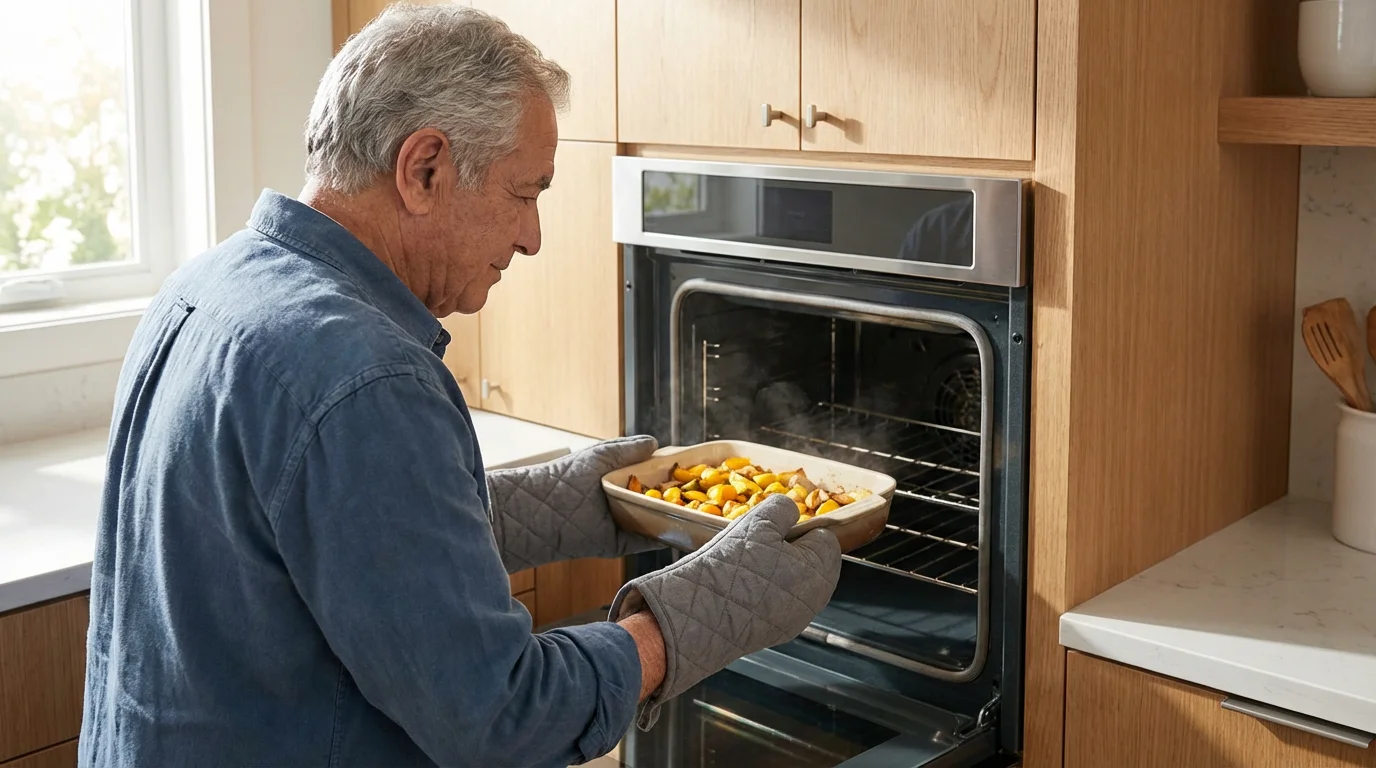
- Accessible Appliances: Opt for wall ovens installed at counter height to eliminate bending. Side-by-side refrigerators offer easier access to both fresh and frozen foods. Front-loading washing machines and dryers are also easier to use.
- Induction Cooktops: These cooktops heat only the cookware itself, remaining cool to the touch. This significantly reduces the risk of burns. Many also feature automatic shut-off functions.
- Lever Faucets with Pull-Down Sprayers: These faucets are easy to operate with limited hand strength. A pull-down sprayer simplifies washing large pots or rinsing vegetables.
- Enhanced Lighting: Install under-cabinet lighting, task lighting over prep areas, and bright, overhead lighting to eliminate shadows. Good illumination improves safety and makes detailed tasks easier.
A well-designed accessible kitchen empowers you to maintain independence in one of the most used rooms in your home. These modifications enhance both safety and convenience for everyday living.
Bathroom Safety: Preventing Falls and Ensuring Independence
Bathrooms represent one of the riskiest areas in any home, especially for older adults. Wet surfaces, confined spaces, and the need for balance during transfers make fall prevention paramount. Implementing specific bathroom safety features can dramatically reduce risk and foster independence.
Consider these critical bathroom modifications:
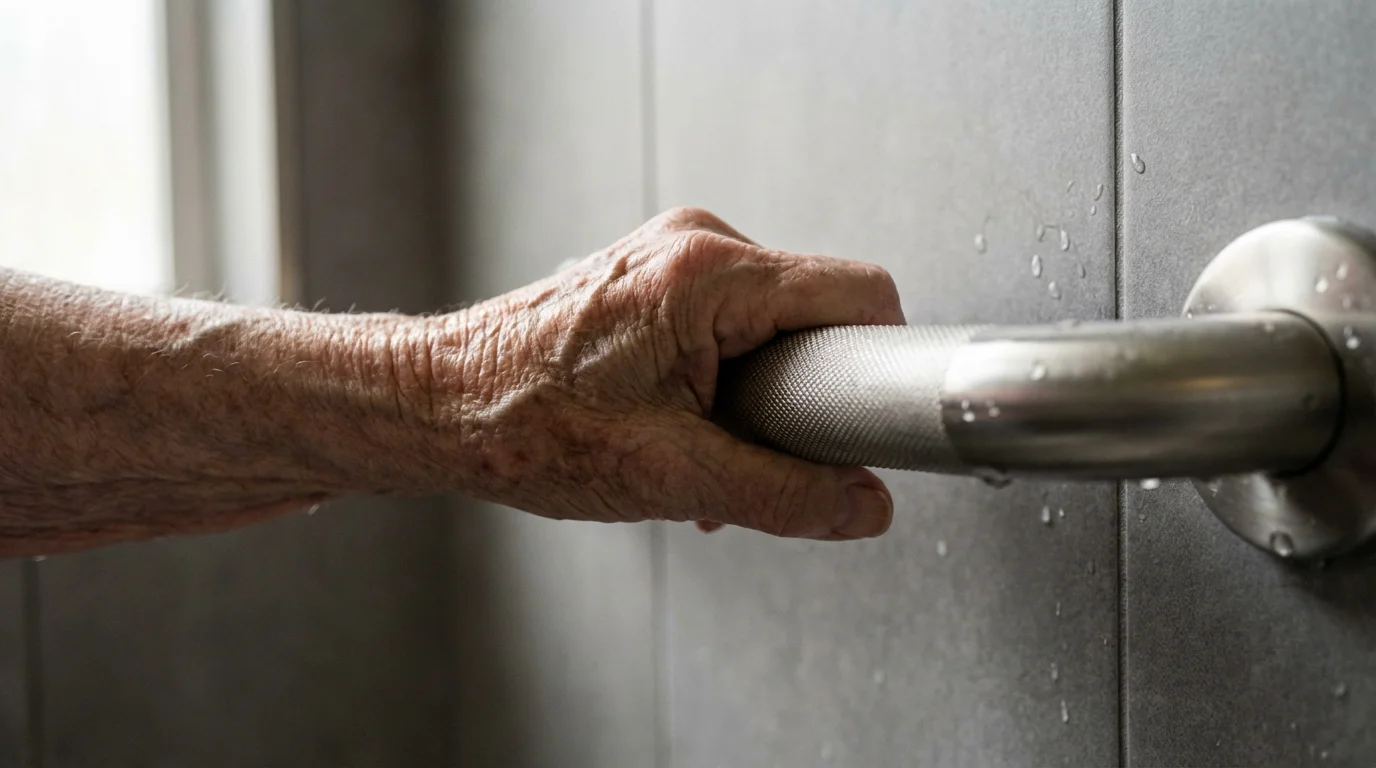
- Grab Bars, Properly Installed: This is a non-negotiable modification. Install grab bars inside the shower or tub, beside the toilet, and near the bathroom entry. Crucially, ensure a professional installs them directly into wall studs to support body weight. Suction cup bars are generally not reliable.
- Walk-In or Roll-In Showers: Eliminate the high threshold of traditional bathtubs or showers. A walk-in shower with a low curb, or a roll-in shower with no curb at all, provides effortless access. Add a built-in bench or a shower chair for seated bathing.
- Raised-Height Toilets: A standard toilet often sits too low, making sitting down and standing up challenging. Install a raised-height toilet (comfort height) or use a toilet seat riser. These products reduce strain on knees and hips.
- Non-Slip Flooring: Replace slippery tile or linoleum with non-slip flooring options. These include textured tiles, vinyl, or rubber flooring. Even non-slip bath mats, securely affixed, can help.
- Lever Faucets and Anti-Scald Devices: Install lever-style faucets on sinks and showers for easy operation. Consider anti-scald devices for showerheads and faucets. These prevent water from becoming dangerously hot, protecting against burns.
- Adequate Lighting: Ensure bright, even lighting throughout the bathroom. Consider a nightlight or motion-sensor light for nighttime use. This helps prevent falls during trips to the bathroom in the dark.
- Emergency Call System: If you live alone, an emergency call button or medical alert system provides peace of mind. Place the call button within reach while in the shower or on the toilet.
These bathroom modifications are among the most effective investments you can make for your safety and continued independence at home.

Financing Home Modifications: Managing How Much Do Home Modifications Cost
Understanding how much do home modifications cost is a crucial step in your planning. While some minor changes are affordable, major renovations can represent a significant financial commitment. Fortunately, several options exist to help cover these expenses.
Explore these financing avenues:
- Personal Savings or Home Equity: Many individuals use savings to fund modifications. You might also consider a home equity loan or a home equity line of credit (HELOC). These options leverage the equity you have built in your home, often offering favorable interest rates.
- Reverse Mortgages: A reverse mortgage allows homeowners 62 and older to convert part of their home equity into cash without selling the home or giving up title. However, thoroughly research this complex financial product and consult with a trusted advisor. The Consumer Financial Protection Bureau offers extensive resources on reverse mortgages.
- Federal Programs: While no single federal program directly funds all home modifications, several offer indirect assistance. For example, Medicare generally does not cover home modifications, but some Medicare Advantage plans might offer limited benefits. Veterans Affairs (VA) provides grants for eligible veterans with service-connected disabilities to adapt their homes.
- State and Local Programs: Many states, counties, and cities offer grants, low-interest loans, or free services for home modifications for older adults and individuals with disabilities. These programs vary widely by location. The Administration for Community Living (ACL) helps you locate local Area Agencies on Aging, which often know about such programs. You can also explore Benefits.gov for a comprehensive list of federal and state benefit programs.
- Non-Profit Organizations: Various non-profit organizations provide financial assistance or services for home accessibility projects. Examples include Rebuilding Together, Habitat for Humanity, or local disability advocacy groups.
- Tax Deductions: You may be able to deduct certain home modifications as medical expenses on your federal income tax return. The IRS allows deductions for medically necessary home improvements that do not increase the value of your home, or for the portion of improvements that exceed the increase in value. Consult a tax professional for specific guidance.
Carefully research each option and determine the best fit for your financial situation. Combining several approaches can also help manage the total cost.
“An ounce of prevention is worth a pound of cure.”
Choosing the Right Professionals for Your Project
Selecting the right professionals ensures your home modifications are done correctly, safely, and to your satisfaction. This step is particularly important for major structural changes. You want to work with experienced, reputable individuals or companies.
Follow these guidelines when choosing professionals:
- Certified Aging-in-Place Specialists (CAPS): Look for contractors, remodelers, or occupational therapists with a CAPS certification from the National Association of Home Builders (NAHB). CAPS professionals understand the unique needs of older adults and specialize in designing and building accessible home environments.
- Licensed and Insured Contractors: Always verify that any contractor you hire holds proper licenses and adequate insurance. This protects you in case of accidents or issues during the project. Ask for proof of liability insurance and workers’ compensation coverage.
- Get Multiple Bids: Obtain at least three written estimates from different contractors. Compare bids not just on price, but also on the scope of work, materials, timeline, and contractor experience.
- Check References and Portfolios: Ask for references from previous clients who had similar accessibility projects. Contact these references and inquire about their satisfaction, communication, and project completion. Review any available portfolios of their work.
- Clear Contracts: Ensure the contract clearly outlines every detail of the project. This includes materials, specific tasks, timelines, payment schedules, warranty information, and a dispute resolution process. Avoid vague language.
- Communication and Trust: Choose a professional with whom you communicate easily and feel comfortable. They should listen to your needs, answer your questions, and explain the process clearly. Trust is paramount for a successful working relationship.
Invest time in finding the right team. A skilled professional ensures your home modifications meet your needs and comply with safety standards, providing lasting peace of mind.

Planning Your Home Modification Project
Effective planning streamlines your home modification project, helping you stay on budget and minimize disruptions. A well-thought-out plan addresses all aspects, from initial ideas to final completion.
Use these steps to plan your project:
- Define Your Goals: Clearly identify what you want to achieve. Are you addressing immediate safety concerns, or planning for future needs? Prioritize modifications based on urgency and impact.
- Set a Realistic Budget: Determine how much you can comfortably spend. Factor in not just the cost of materials and labor, but also potential contingencies for unforeseen issues. Research how much do home modifications cost for similar projects.
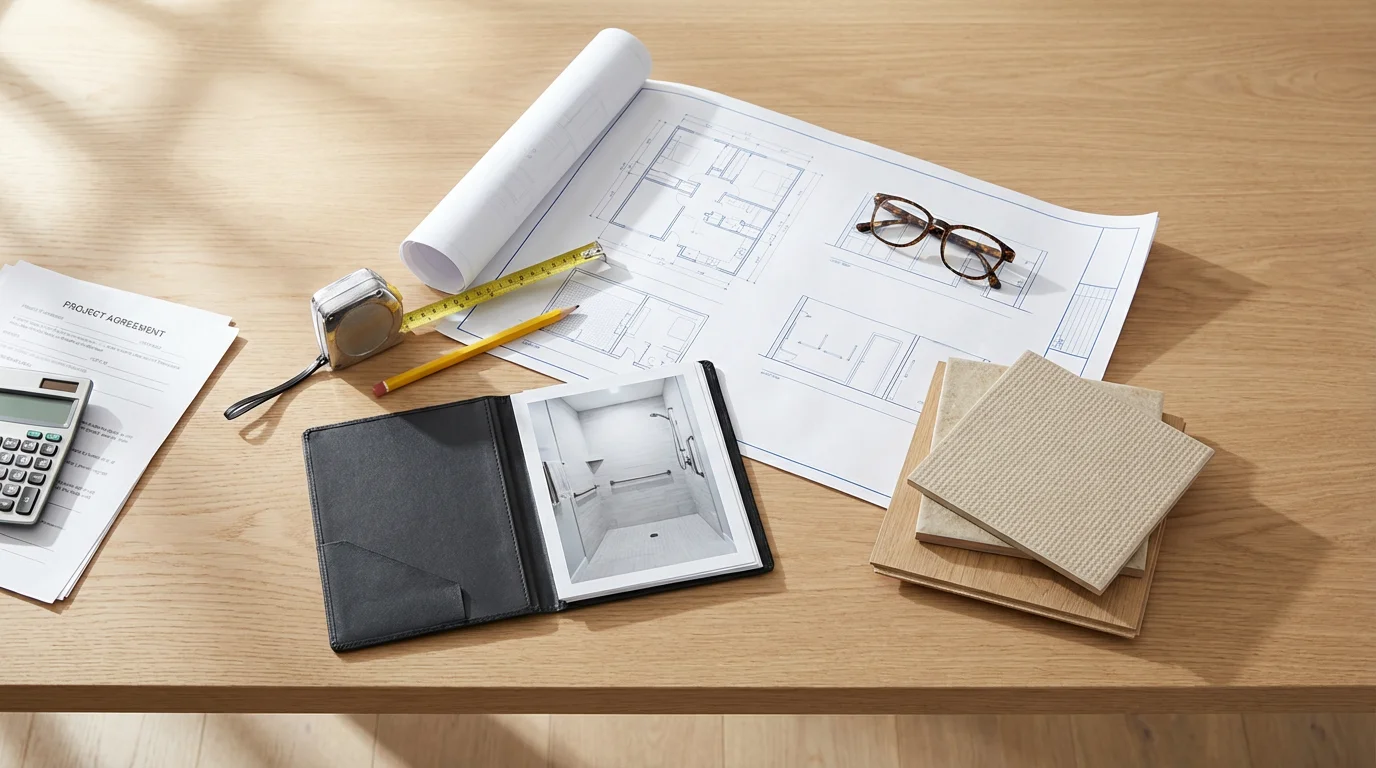
- Research and Design: Gather ideas, look at accessible design principles, and consult with a CAPS professional or occupational therapist. Develop a clear design plan, potentially with drawings or blueprints, especially for major renovations.
- Obtain Permits: For structural changes, electrical work, or plumbing, you will likely need permits from your local building department. Your contractor should handle this, but verify they have secured all necessary approvals before work begins.
- Hire Professionals: Follow the guidance above to select qualified, trustworthy contractors and specialists. Get everything in writing.
- Schedule and Communicate: Establish a clear timeline for the project. Maintain open communication with your contractors, asking for regular updates and addressing concerns promptly.
- Prepare Your Home: If necessary, prepare the work areas by clearing furniture and valuables. Discuss temporary living arrangements if the modifications are extensive and disruptive.
- Final Walk-Through and Inspection: Before final payment, conduct a thorough walk-through with your contractor. Ensure all work meets the agreed-upon standards and your expectations. Address any deficiencies.
A structured approach to planning makes your home modification project less stressful and more successful, ensuring your home becomes a truly accessible haven.
Frequently Asked Questions
What are the most essential home modifications for aging in place?
The most essential modifications often focus on preventing falls and ensuring bathroom safety. These include installing grab bars, creating a zero-threshold shower, and improving lighting throughout your home. Widening doorways and installing ramps also become critical for individuals using wheelchairs or walkers.
How much do home modifications cost, on average?
The cost of home modifications varies significantly based on the type and extent of the project. Minor changes, like installing grab bars or lever handles, might cost $100-$500 per item. Major renovations, such as a roll-in shower or a stairlift, can range from $5,000 to $30,000 or more. A comprehensive assessment helps you understand potential expenses for your specific needs.
Does Medicare cover home modifications?
Generally, original Medicare (Part A and Part B) does not cover home modifications. It primarily covers medically necessary health services. However, some Medicare Advantage plans (Part C) might offer limited benefits for certain home safety items or accessibility improvements. Always check with your specific plan provider for details.
Can I make home modifications myself, or should I hire a professional?
You can handle many minor modifications, such as changing lightbulbs, removing throw rugs, or adding non-slip mats. However, for anything requiring structural changes, electrical work, plumbing, or secure installation (like grab bars into studs), hiring a licensed and insured professional is strongly recommended. Incorrect installation can create new hazards.
Are there tax benefits for making accessibility modifications to my home?
Yes, you might be able to deduct certain home modifications as medical expenses on your federal income tax return. The IRS allows deductions for medically necessary home improvements that do not increase your home’s value, or for the portion of improvements exceeding any increase in value. Consult a qualified tax professional to understand your specific eligibility and potential deductions.
Disclaimer: This article is for informational purposes only. Benefits, programs, and regulations can change. We encourage readers to verify current information with official government sources and consult with qualified professionals for personalized advice.








Leave a Reply