

Healthcare costs present a significant challenge for many Americans, especially as you enter retirement. Managing medical expenses on a fixed income often requires careful planning and knowing where to find assistance. You work hard to maintain your health, but high deductibles, co-pays, and prescription costs can quickly become overwhelming.
Fortunately, valuable resources exist to help ease this financial burden. Free healthcare clinics offer a vital lifeline, providing essential medical services without direct cost to you. Understanding how these clinics operate and how you can access them empowers you to secure the care you need, maintaining your health and financial stability in retirement.
What Exactly Are Free Healthcare Clinics?
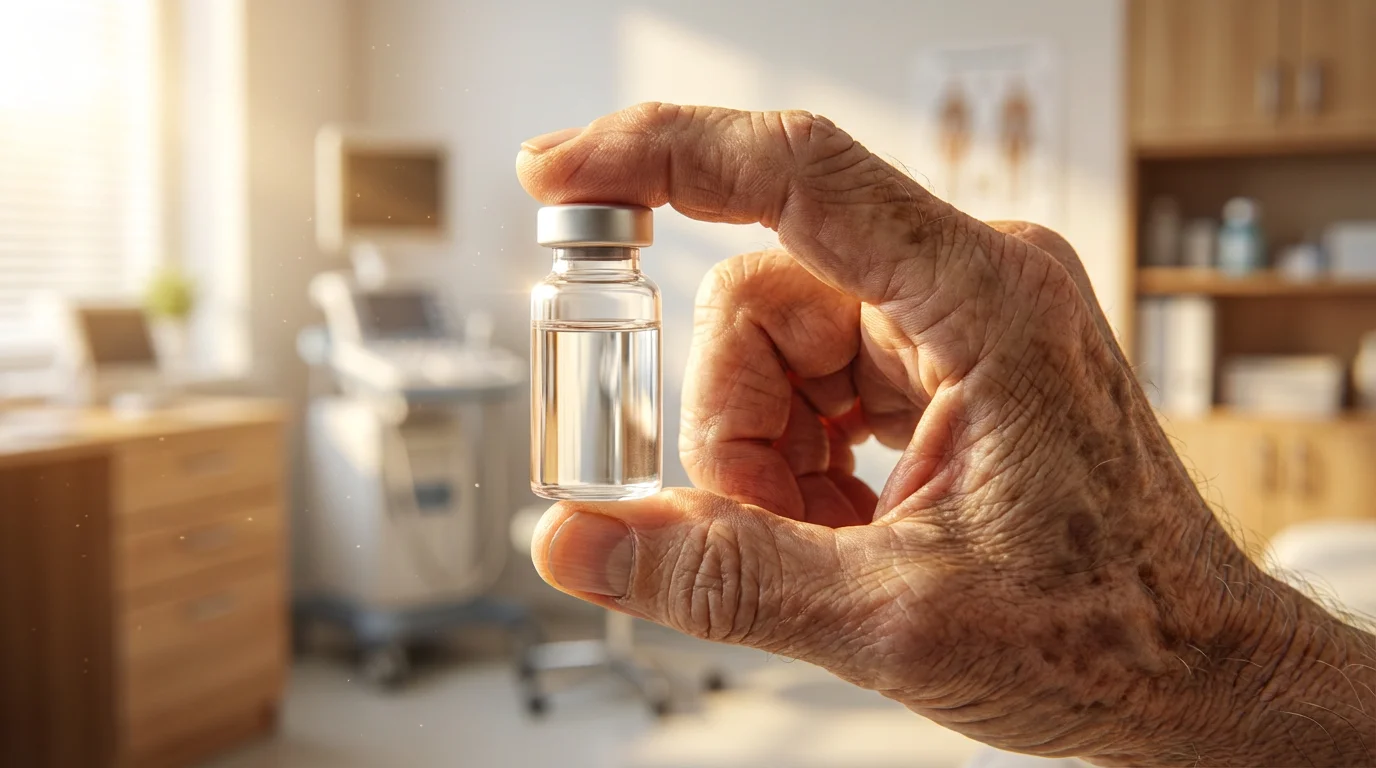
Free healthcare clinics, sometimes called charitable clinics, operate independently or through community partnerships. Their primary mission involves providing quality medical care to underserved populations, including many seniors. These clinics often rely on donations, grants, and volunteer staff, allowing them to offer services at no cost or on a sliding scale based on your income.
They fill critical gaps in the healthcare system, serving individuals who lack health insurance, have high deductibles, or face financial barriers to care. You can find these clinics in urban, suburban, and rural areas across the country. They represent a community-driven solution to ensure everyone has access to basic health services.

Essential Services Free Clinics Provide Seniors
The range of services offered by free clinics varies depending on their funding, staff, and mission. Many focus on primary care, serving as your main point of contact for health concerns. These clinics typically offer several key services beneficial for seniors.
While these clinics fill essential gaps, it is also important to understand the medical services covered by Medicare Part B to ensure you are fully utilizing your standard insurance.
- Primary Care Services: You can receive general medical check-ups, sick visits for common illnesses, and ongoing management of chronic conditions like diabetes or high blood pressure.
- Preventative Care: Many clinics emphasize prevention, offering flu shots, vaccinations, and health screenings for conditions such as high cholesterol, vision problems, and certain cancers.
- Medication Assistance: Some clinics operate small pharmacies or help you enroll in patient assistance programs to obtain necessary prescriptions at a reduced cost or for free.
- Basic Diagnostic Tests: You may have access to common lab tests, such as blood work and urinalysis, to monitor your health.
- Referrals: While free clinics focus on primary care, they often provide referrals to specialists or other healthcare providers if your condition requires more advanced treatment.
- Health Education: Clinics frequently offer education on managing chronic diseases, nutrition, and healthy living practices.
These services directly address many common health needs seniors experience, making free clinics a practical resource for maintaining your well-being. Knowing `what services do free clinics typically offer` helps you understand if a local clinic can meet your specific needs.

Who Qualifies for Care? Eligibility and Access
Each free clinic sets its own eligibility criteria, but common factors apply across most organizations. These criteria aim to ensure the clinics serve those most in need. Understanding these requirements helps you determine if you qualify for their services.
Similar to healthcare, many low-income retirees can also access free legal assistance for issues ranging from housing to estate management.
Most free clinics prioritize individuals who:
- Lack health insurance, including Medicare, Medicaid, or private plans.
- Have high insurance deductibles or co-pays that make accessing care cost-prohibitive.
- Meet specific income guidelines, often based on a percentage of the Federal Poverty Level. For instance, you might need to have an income at or below 200% or 250% of the FPL.
- Are residents of the local community or county the clinic serves.
- Do not qualify for other government assistance programs like Medicaid, or face difficulties enrolling.
You typically need to provide proof of income, residency, and identification during your initial visit or registration. It is always wise to contact the specific clinic you plan to visit to confirm their current eligibility requirements and documentation needs. They can provide precise details for your situation.

Finding a Free Clinic Near You
Locating a free healthcare clinic can sometimes feel challenging, but several resources can help you. You have several options for finding `where seniors can find free healthcare` in your area. Your local search begins by leveraging online tools and community networks.
Your local Area Agency on Aging is another fantastic resource for finding localized healthcare providers and community support services.
Follow these steps to find a free clinic:
- Search Online: Use search engines to look for “free clinics near me” or “charitable clinics for seniors [your city/state].” This often yields local results and contact information.
- Contact Your Local Health Department: Local health departments frequently maintain lists of community health resources, including free and low-cost clinics. They can guide you to available options in your area.
- Utilize Government and Nonprofit Databases: Several national organizations offer search tools:
- The Eldercare Locator, a public service of the Administration for Community Living, helps you find local resources for seniors, which may include information on health services.
- Benefits.gov allows you to search for federal and state benefits, including healthcare assistance programs. While not a direct clinic finder, it can lead you to programs that cover care.
- The NCOA BenefitsCheckUp helps you find benefit programs for seniors, including prescription assistance and healthcare. This tool can identify local resources.
- Inquire at Community Centers and Senior Centers: These organizations often have staff knowledgeable about local resources. They can provide referrals or contact information for nearby free clinics.
- Ask Your Current Healthcare Provider: If you have a doctor but struggle with costs for certain services, your provider or their office staff might know about local free clinics or patient assistance programs.
Always call ahead to confirm the clinic’s hours, services, eligibility criteria, and whether you need an appointment. This saves you time and ensures the clinic can meet your specific needs.

Preparing for Your Clinic Visit
Arriving prepared for your appointment at a free clinic helps ensure a smooth and productive visit. Gathering necessary documents and information beforehand allows the clinic staff to assess your needs quickly and provide the best possible care. Your preparation makes a difference.
Bring the following items to your appointment:
- Identification: A photo ID, such as a driver’s license or state ID card, is typically required.
- Proof of Residency: A utility bill, lease agreement, or other document showing your current address.
- Proof of Income: Recent pay stubs, tax returns, Social Security benefit statements, or a letter from your employer. This helps the clinic determine your eligibility for free or low-cost services.
- List of Current Medications: Include all prescription drugs, over-the-counter medications, vitamins, and supplements you take. Note the dosage and frequency for each.
- Medical History: Be prepared to discuss your past health conditions, surgeries, allergies, and any family medical history.
- List of Questions or Concerns: Write down any health questions or symptoms you want to discuss with the doctor. This ensures you cover all important points during your visit.
- Contact Information: Have the phone numbers for any specialists or pharmacies you use, as well as an emergency contact.
Remember that clinic staff are there to help you. Communicating clearly about your health concerns and financial situation allows them to provide the most appropriate support and resources. Do not hesitate to ask questions if you do not understand something.

Navigating Other Affordable Healthcare Resources
While free clinics offer invaluable assistance, they represent one piece of the puzzle for affordable senior healthcare. You have other options available that can complement or supplement the care you receive. Exploring these resources ensures you cover all your healthcare needs comprehensively.
- Community Health Centers (CHCs): These centers provide primary care, dental care, and mental health services to anyone, regardless of their ability to pay. CHCs operate on a sliding fee scale, meaning your payment adjusts based on your income. You can find a local CHC through the Health Resources and Services Administration (HRSA) website.
- Medicaid: If you have very limited income and resources, you might qualify for Medicaid. This federal and state program provides comprehensive health coverage for low-income individuals. Many seniors who receive Medicare may also qualify for Medicaid, becoming “dual eligible” and receiving assistance with Medicare premiums, deductibles, and co-pays. Learn more about dual eligibility on Medicare.gov.
- Program of All-Inclusive Care for the Elderly (PACE): PACE offers comprehensive medical and social services to certain frail seniors who qualify for nursing home care but wish to remain in their homes. Services include primary care, specialist care, hospital care, prescriptions, and home care. Enrollment is limited to specific areas.
- Pharmaceutical Assistance Programs: Many pharmaceutical companies offer programs to help low-income individuals afford their medications. Your doctor’s office or a free clinic can often help you apply for these programs. Additionally, NCOA BenefitsCheckUp can help you find prescription assistance.
- State Pharmaceutical Assistance Programs (SPAPs): Some states offer programs to help residents with prescription drug costs. Eligibility and benefits vary by state.
Combining these resources can significantly reduce your out-of-pocket healthcare expenses. Actively seeking out and understanding these options empowers you to manage your health without financial strain.

Maximizing Your Medicare Benefits
Most seniors rely on Medicare for their primary health insurance coverage. Understanding and maximizing your Medicare benefits forms a crucial part of accessing affordable care. You can use your Medicare coverage strategically to complement other low-cost options.
To further lower your expenses, consider these tips for maximizing Medicare coverage to ensure you aren’t paying more than necessary for your health needs.
- Understand Your Parts: Medicare consists of Part A (hospital insurance), Part B (medical insurance), Part C (Medicare Advantage), and Part D (prescription drug coverage). Each part covers different services, and understanding them helps you use your benefits effectively. Visit Medicare.gov for detailed information on what each part covers.
- Utilize Preventative Services: Medicare covers many preventative services at no cost to you, including annual wellness visits, flu shots, various screenings, and certain counseling services. Taking advantage of these services helps catch potential health issues early, preventing more serious and costly problems later.
- Explore Medicare Savings Programs (MSPs): If you have limited income and resources, Medicare Savings Programs can help pay your Medicare Part A and Part B premiums, deductibles, and co-insurance. These programs can save you hundreds, even thousands, of dollars annually. You can apply through your state Medicaid office.
- Consider Medigap Policies: Also known as Medicare Supplement Insurance, Medigap plans help pay for some of the costs that Original Medicare does not cover, such as co-payments, co-insurance, and deductibles. This reduces your out-of-pocket expenses for services covered by Medicare.
- Review Part D Plans Annually: Your prescription drug needs can change, and so can the plans available. Review your Part D plan during the annual enrollment period to ensure it still offers the best coverage for your medications at the lowest cost.
Proactive engagement with your Medicare benefits and exploring supplemental programs ensures you receive comprehensive, affordable healthcare. You have a right to understand your coverage and use it fully.
Frequently Asked Questions
Do free clinics replace Medicare or private insurance?
No, free clinics do not replace your existing health insurance, including Medicare. Instead, they serve as a valuable resource for individuals who are uninsured, underinsured, or need services not fully covered by their existing plans. Many seniors use free clinics for specific needs or during gaps in their coverage without impacting their primary insurance.
Are appointments always required at free clinics?
Most free clinics prefer or require appointments to manage patient flow and ensure you receive timely care. Some clinics may offer walk-in hours for acute needs, but it is always best to call ahead and confirm their policy. Scheduling an appointment guarantees you will be seen and minimizes your wait time.
Can free clinics provide emergency care?
No, free clinics are not equipped to handle medical emergencies. They focus on primary care, preventative services, and chronic disease management. If you experience a medical emergency, you must go to the nearest emergency room or call 911 immediately. Free clinics direct patients with emergencies to appropriate facilities.
What if a free clinic refers me to a specialist?
If a free clinic refers you to a specialist, they often have a network of providers who offer services at a reduced cost or through charity programs. The clinic staff can guide you on how to access these referred services. You should discuss any concerns about referral costs directly with the clinic staff.
Are there age restrictions for free clinics?
While some free clinics specifically target seniors, many serve adults of all ages. Their primary focus is typically on income eligibility and insurance status rather than age alone. Always confirm the specific age policies of any clinic you plan to visit, as some may have age-specific programs or restrictions.
Accessing affordable healthcare is a fundamental right, and free clinics offer an essential pathway for many seniors. By understanding these resources and taking proactive steps, you empower yourself to manage your health and well-being effectively. Your health journey in retirement can be both fulfilling and financially secure with the right information.
Disclaimer: This article is for informational purposes only. Benefits, programs, and regulations can change. We encourage readers to verify current information with official government sources and consult with qualified professionals for personalized advice.







Leave a Reply