

Driving offers incredible freedom and independence, especially in retirement. It connects you to family, friends, appointments, and daily activities. However, as we age, changes in vision, hearing, reaction time, and flexibility can affect driving ability. Understanding these changes and taking proactive steps ensures you remain safe on the road for as long as possible, protecting yourself and others.
This article provides practical, actionable insights to help you assess your driving skills, adopt safer habits, and explore resources to maintain your mobility and independence, whether behind the wheel or through alternative transportation.

Maintaining Your Edge: Why Driving Safely Matters
For many retirees, driving represents more than just getting from one place to another; it symbolizes freedom and control. The ability to drive allows you to live independently, pursue hobbies, volunteer, and stay connected with your community. This sense of autonomy significantly contributes to your quality of life.
Staying mobile is essential for many, whether you are driving locally or planning a dream trip during your golden years.
Maintaining safe driving habits directly impacts your independence and overall well-being. Proactive measures help prevent accidents, keep insurance costs down, and give you confidence behind the wheel. Recognizing and adapting to age-related changes are key to prolonging your driving years safely.

Self-Assessment: Are You Still Driving Safely?
The first step in maintaining safe driving is honest self-assessment. Changes in physical and cognitive abilities often occur gradually, making them hard to notice day-to-day. Regularly evaluating your driving performance helps you identify potential issues before they become serious problems.
As you navigate these changes, remain vigilant about avoiding scams targeting seniors, particularly those involving fraudulent auto repairs or insurance offers.
Ask yourself these questions about your recent driving experiences:
- Do you find yourself getting lost on familiar routes, or having difficulty remembering directions?
- Are you having trouble seeing road signs, pedestrians, or other vehicles, especially at dusk or night?
- Do other drivers frequently honk at you, or do you receive tickets for traffic violations?
- Have you had any close calls, minor fender benders, or actual accidents recently?
- Do you experience pain or stiffness that makes it difficult to turn your head, look over your shoulder, or move your foot between the gas and brake pedals quickly?
- Are you easily distracted or feeling overwhelmed in heavy traffic or complex intersections?
- Do you feel anxious or less confident when driving, especially in challenging conditions?
If you answered yes to several of these questions, it might be time to take action. Talking to a trusted family member, friend, or your doctor about these concerns can provide an objective perspective. They might offer observations you haven’t noticed yourself.
“The wise man doesn’t give the right answers, he poses the right questions.” — Claude Lévi-Strauss

Practical Senior Driving Safety Tips for the Road
Improving your senior driving safety does not require drastic changes. Often, small adjustments to your habits and vehicle can make a significant difference. Implement these tips to enhance your safety and confidence:
Safety is a broad priority; in addition to the road, you should perform regular home safety checks to ensure your living environment remains hazard-free.
- Plan Your Routes Carefully: Avoid rush hour, heavy traffic areas, and complex intersections. Choose routes with fewer turns and predictable traffic flow. Use GPS for directions, even on familiar roads, to reduce cognitive load.
- Limit Distractions: Keep your focus solely on the road. Turn off the radio or keep it low, silence your phone, and avoid eating or drinking while driving. Passengers should also minimize conversations that pull your attention away.
- Drive During Daylight Hours: Night driving significantly increases risk due to reduced visibility and glare from headlights. If possible, restrict driving to daylight hours, especially when conditions are clear.
- Avoid Bad Weather: Rain, snow, fog, and ice severely reduce visibility and traction. If the weather is poor, postpone your trip or use alternative transportation. Your safety is paramount.
- Adjust Your Seating and Mirrors: Ensure you have optimal visibility and comfort. Your seat should be high enough to see over the steering wheel comfortably, and your mirrors should minimize blind spots.
- Maintain Your Vehicle: Regular vehicle maintenance, including tire checks, brake inspections, and headlight cleaning, ensures your car functions optimally. Properly working lights, wipers, and brakes are essential for safety.
- Wear Comfortable, Flat Shoes: Footwear significantly impacts pedal control. Avoid high heels or bulky boots that could slip or get caught.
- Stay Hydrated and Well-Rested: Fatigue and dehydration can impair concentration and reaction time. Ensure you are well-rested before driving long distances and take breaks every two hours on longer trips.
- Understand Medication Side Effects: Many prescription and over-the-counter medications can cause drowsiness, dizziness, or impaired judgment. Always read warning labels and discuss driving risks with your doctor or pharmacist.
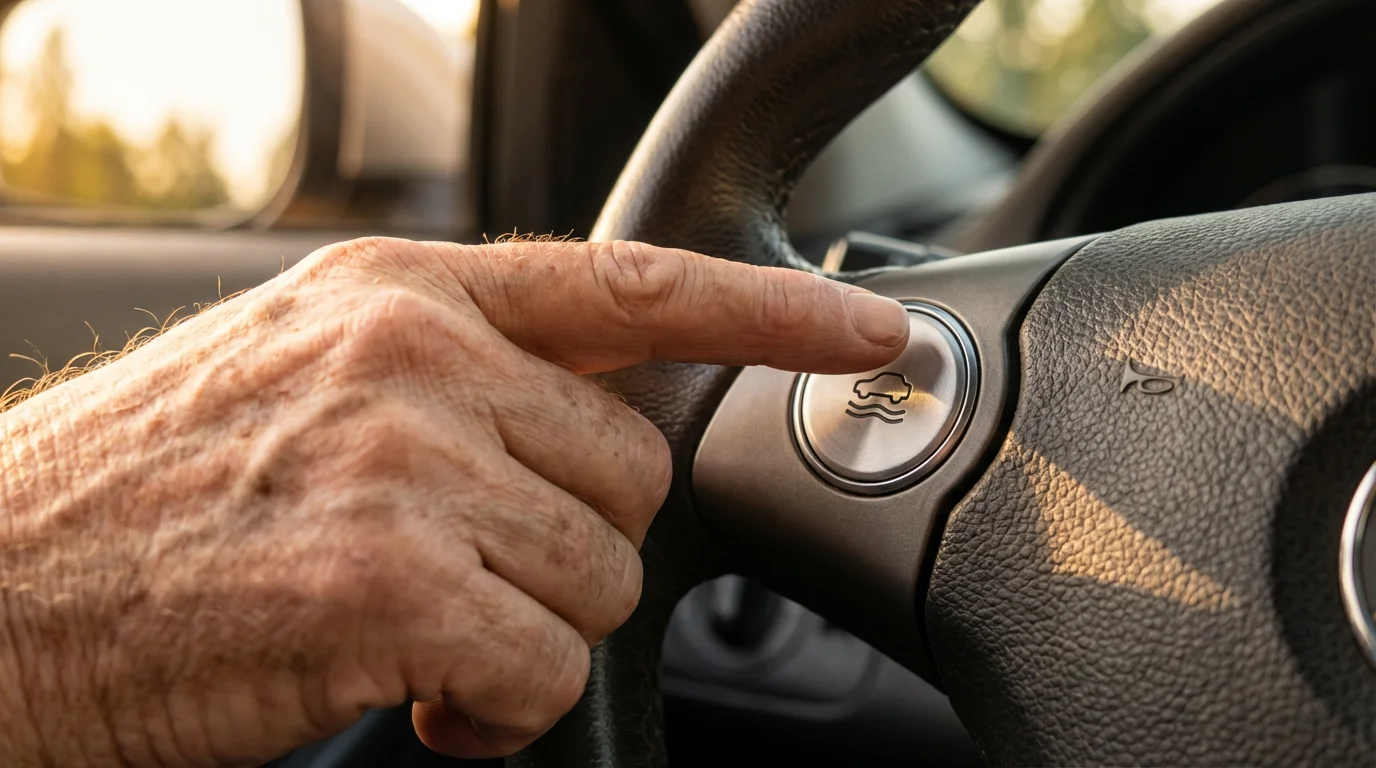
Enhancing Your Vehicle for Safety and Comfort
Modern vehicles offer numerous features that can greatly enhance driving safety and comfort for seniors. Consider these adaptations and technologies:
Just as you might consider modifying your home for accessibility, adapting your vehicle can significantly extend your years of safe travel.
- Automatic Transmissions: Eliminate the need for clutch control, simplifying driving.
- Power Steering and Brakes: Reduce the physical effort required for vehicle control.
- Adjustable Seats and Steering Wheels: Allow for optimal positioning, reducing strain and improving visibility.
- Larger Mirrors or Blind Spot Monitors: Improve awareness of surroundings and reduce the need for extensive head turning.
- Backup Cameras and Parking Assist Systems: Make parking and maneuvering in tight spaces much easier and safer.
- GPS Navigation Systems: Provide clear directions, helping you stay on track and avoid getting lost, reducing stress.
- Heated Seats and Steering Wheels: Help alleviate stiffness and pain, making long drives more comfortable.
- Easy-to-Read Dashboards: Digital displays and larger fonts can make information easier to process quickly.
- Keyless Entry and Push-Button Start: Simplify entry and starting, which can be helpful for those with dexterity issues.
When purchasing a new vehicle, prioritize these safety and comfort features. Even with your current car, you can explore aftermarket accessories or professional modifications to improve your driving experience.

Driver Refresher Courses and Professional Assessments
Even experienced drivers benefit from periodic refresher courses. These courses update you on current traffic laws, safe driving practices, and defensive driving techniques. Many insurance companies offer discounts upon completion of approved driver safety courses.
Beyond safety, these courses are excellent tools for managing your budget effectively by qualifying you for significant insurance discounts.
Organizations like AARP offer online and in-person Driver Safety Programs specifically designed for older adults. These courses address age-related driving challenges and provide strategies to compensate for changes in vision, hearing, and reaction time. Taking a course can boost your confidence and provide valuable feedback on your driving habits.
If you or your family have concerns, a professional driver assessment can provide an objective evaluation of your driving skills. These assessments are typically conducted by occupational therapists specializing in driving rehabilitation. They evaluate your physical, cognitive, and visual abilities in relation to driving, often including both in-clinic and on-road tests.
A professional driver assessment can:
- Identify specific areas where you might struggle.
- Recommend vehicle modifications or adaptive equipment.
- Suggest strategies and exercises to improve driving performance.
- Determine if driving is still safe for you and, if not, help plan for alternative transportation.
Discuss a driver assessment with your doctor, who can refer you to a specialist. This proactive step ensures your safety and helps you make informed decisions about your driving future.

Making the Transition: When to Consider Stopping Driving
Deciding to stop driving is one of the most difficult decisions for many seniors, as it directly impacts independence. However, it is crucial to prioritize safety, both for yourself and others. If professional assessments or repeated incidents indicate that driving poses a significant risk, it is time to consider making the transition.
In some cases, downsizing your home to a more central, walkable location can eliminate the need for a car entirely and simplify your lifestyle.
Signs it might be time to stop driving safely include:
- Frequent accidents, near misses, or traffic tickets.
- Receiving advice from your doctor or a driving specialist to stop driving.
- Being easily overwhelmed or stressed by traffic.
- Experiencing increasing difficulty with vision, hearing, or physical movement that directly impacts driving.
- Family and friends expressing serious concerns about your driving safety.
Planning for this transition in advance helps you maintain independence through other means. It allows you to explore options and adjust gradually, rather than being forced into a sudden change. Focus on the continued freedom of mobility, even if the method changes.

Exploring Transportation Alternatives
Giving up driving does not mean giving up your independence. A wide range of transportation alternatives can help you stay mobile and engaged in your community. Planning these options ahead of time provides peace of mind.
Additionally, your Local Area Agency on Aging can be an invaluable hub for finding community-based shuttle services and specialized transit support.
Your local Area Agency on Aging often provides door-to-door shuttle services and other specialized mobility support for residents.
Consider the following options:
- Ride-Sharing Services: Companies like Uber and Lyft offer convenient, on-demand transportation. Many seniors find these services user-friendly, especially with assistance setting up an account and requesting rides.
- Public Transportation: Buses, subways, and trains provide affordable options in many areas. Many public transit systems offer reduced fares for seniors and have accessible vehicles. Check your local transit authority for routes and schedules.
- Senior Transportation Services: Many communities offer specialized transportation programs for older adults. These can include non-emergency medical transportation, shuttle services to senior centers, or accessible van services. The Eldercare Locator, a public service of the U.S. Administration for Community Living, helps you find local services. Visit eldercare.acl.gov to search for options in your area.
- Family and Friends: Do not hesitate to ask trusted family members or friends for rides. Coordinating schedules can make this a reliable option for regular appointments or social outings.
- Volunteer Driver Programs: Some non-profit organizations offer volunteer driver programs where screened volunteers provide rides to seniors, often for free or a low fee. These services are invaluable for medical appointments or grocery shopping.
- Taxis and Para-transit: Traditional taxi services remain an option. Additionally, para-transit services, which are door-to-door transportation for individuals with disabilities, might be available if you meet eligibility requirements.
Explore these alternatives in advance. Try out a new service or ride with a friend to get comfortable before you need it regularly. Having a plan ensures a smooth transition and continued mobility.

Important Resources and Support for Senior Drivers
Numerous organizations offer resources and support to help older adults maintain their driving independence or transition safely away from driving:
- Your Doctor: Your primary care physician can assess how your health conditions and medications affect your driving. They can also provide referrals for vision specialists, occupational therapists, or driving rehabilitation programs.
- Local Area Agencies on Aging (AAAs): These agencies, found through the Eldercare Locator, are excellent resources for local transportation services, driver safety courses, and support groups.
- AARP: Beyond their driver safety course, AARP provides extensive information and resources on safe driving for older adults, including articles, checklists, and guides.
- Department of Motor Vehicles (DMV): Your state’s DMV website offers information on driver’s license renewal, vision test requirements, and often provides senior-specific resources.
- Insurance Providers: Speak with your auto insurance company about potential discounts for completing a driver safety course or for reduced mileage policies.
Leveraging these resources helps you make informed decisions about your driving future. You do not have to navigate these choices alone.
Frequently Asked Questions
What are the common signs that a senior should stop driving?
Common signs include frequent close calls or accidents, getting lost on familiar routes, difficulty seeing road signs or pedestrians, receiving traffic tickets, and experiencing increased anxiety or stress while driving. Your doctor or family members might also voice concerns.
How often should older drivers have their vision checked?
Older drivers should have their vision checked annually by an eye care professional. Vision can change rapidly with age, and many states require specific vision standards for license renewal. Regular checks help ensure your eyes meet these safety requirements.
Are there special driving courses for seniors?
Yes, many organizations offer specialized driver safety courses for seniors. AARP’s Smart Driver course is a popular example. These courses address age-related changes, refresh driving skills, and can often qualify you for insurance discounts. They cover topics like defensive driving and adapting to physical changes.
Can vehicle modifications help seniors drive more safely?
Absolutely. Vehicle modifications can significantly enhance safety and comfort. Examples include pedal extenders, swivel cushions, steering wheel adaptations, larger mirrors, and backup cameras. An occupational therapist specializing in driving can recommend specific modifications tailored to your needs.
What if I am told I need to stop driving but want to maintain my independence?
Losing the ability to drive is a significant adjustment, but many options exist to maintain your independence. Explore ride-sharing services, public transportation, community senior shuttle programs, and volunteer driver services. Plan these alternatives in advance to ensure a smooth transition and continued mobility.
Disclaimer: This article is for informational purposes only. Benefits, programs, and regulations can change. We encourage readers to verify current information with official government sources and consult with qualified professionals for personalized advice.









Leave a Reply