

Retirement brings exciting new chapters, but for many, it also presents a practical challenge: a home full of decades of accumulated belongings. Whether you plan to downsize to a smaller home, simply want more space, or wish to ease the burden on your family later, decluttering is a valuable step. This guide provides a clear, actionable roadmap to help you simplify your living space. You can approach this process with confidence, creating a more manageable and enjoyable home environment.

Why Decluttering Matters in Retirement
Living in retirement often means adjusting your lifestyle and priorities. A cluttered home can impact your comfort, safety, and financial well-being. By decluttering, you gain numerous tangible benefits.
For many, this process is an essential part of aging in place comfortably while ensuring your living environment remains safe and accessible.
Consider these advantages:
- Increased Safety: Reduces tripping hazards, especially important as mobility changes with age. Clear pathways and accessible items prevent falls.
- Reduced Stress: A tidy environment promotes a sense of calm and control. You spend less time searching for lost items and feel less overwhelmed.
- Easier Cleaning and Maintenance: Less stuff means less to clean around and fewer items to maintain. This frees up your time and energy for more enjoyable activities.
- Financial Benefits: Selling unwanted items can provide extra cash. Donating items often offers tax deductions. You also save money by avoiding storage unit fees.
- Simplified Moving: If you plan to downsize, a decluttered home makes packing and moving significantly easier and less expensive. You only transport what you truly need and love.
- Peace of Mind for Family: You ease the burden on your loved ones by organizing and distributing possessions now. This proactive approach prevents difficult decisions for them later.
Many retirees find that simplifying their possessions aligns with a desire for a simpler, more experience-rich life. You free yourself from the weight of unused items, making space for new adventures and memories.

Getting Started: Creating Your Decluttering Plan
Approaching a lifetime of possessions can feel daunting. A well-structured plan helps you break down the process into manageable steps. This strategy prevents overwhelm and keeps you motivated.
A clear plan for your home also provides an opportunity for managing your budget effectively by identifying items that no longer serve a financial purpose.
Follow these initial steps to establish a strong foundation:
- Set Clear Goals: Determine your “why.” Do you want to move to a smaller home, make your current home safer, or simply feel more organized? Write down your primary goal. For example, “I want to downsize to a two-bedroom condo next year,” or “I want to clear out the attic by the end of the summer.”
- Start Small: Do not try to tackle the entire house at once. Choose one small, manageable area to begin, such as a single drawer, a shelf, or a bathroom counter. Successfully completing a small task builds momentum.
- Gather Your Supplies: Have the right tools ready before you begin. This prevents interruptions and makes the process more efficient.
Here is a list of essential supplies:
- Sturdy boxes or bins (for “keep,” “donate,” “sell,” “discard”)
- Trash bags
- Labels and a marker
- Cleaning supplies (rags, all-purpose cleaner)
- Gloves (especially for dusty areas)
- Water bottle and snacks
- Music or a podcast (optional, for motivation)
- Schedule Your Time: Block out dedicated time slots in your calendar for decluttering. Short, frequent sessions work better than one long, exhausting day. Aim for 30-minute to 2-hour sessions, depending on your energy levels. Consistency is key.
- Enlist Support: Ask a trusted friend or family member to help. An objective second opinion can be invaluable when making tough decisions. They can also provide physical assistance with lifting and moving items.
Remember, this is a marathon, not a sprint. Be patient with yourself and celebrate small victories along the way.

The “Four Box” Method: A Practical Approach
One of the most effective strategies for decluttering is the “Four Box” method. This system provides clear categories for every item you encounter. It helps you make quick decisions and sort efficiently.
If you plan to sell high-value items from your “Sell” box, remember to stay vigilant and protect yourself from potential scams often aimed at retirees.
Here is how to implement the Four Box Method:
- Label Your Boxes: Set up four clearly labeled boxes or designated areas in the room you are working on.
The four categories are:
- Keep: Items you use regularly, love, and want to retain.
- Donate/Give Away: Items in good condition that someone else could use.
- Sell: Valuable items that you believe can generate income.
- Discard/Recycle: Broken items, trash, or things that are no longer useful.
- Touch Every Item: Pick up each item in your chosen area. Ask yourself a series of guiding questions.
Ask yourself these questions for each item:
- When did I last use this? (If over a year, consider letting it go).
- Do I truly love this item?
- Does this item serve a current purpose in my life?
- Could someone else benefit more from this item?
- Do I have duplicates? (Keep the best one).
- Make a Decision: Based on your answers, immediately place the item into one of the four boxes. Avoid creating a “maybe” pile, as this often leads to indecision and re-cluttering. Be decisive.
- Remove Full Boxes Promptly: As soon as a “Donate,” “Sell,” or “Discard” box fills up, remove it from the room. Take donations to a charity, put trash out, and store “sell” items in a designated area. This keeps your progress visible and prevents items from lingering.
This method forces you to confront each item individually, making the decision-making process more focused.
Tackling Specific Areas: Room by Room
Once you understand the Four Box method, apply it systematically to each area of your home. Starting with less sentimental areas can build confidence before moving to more challenging spaces.
Consider these common areas and specific strategies for each:
Kitchen
The kitchen often accumulates gadgets and duplicate items. Focus on functionality here.
- Pantry and Refrigerator: Discard expired food, spices, and condiments. Consolidate nearly empty containers.
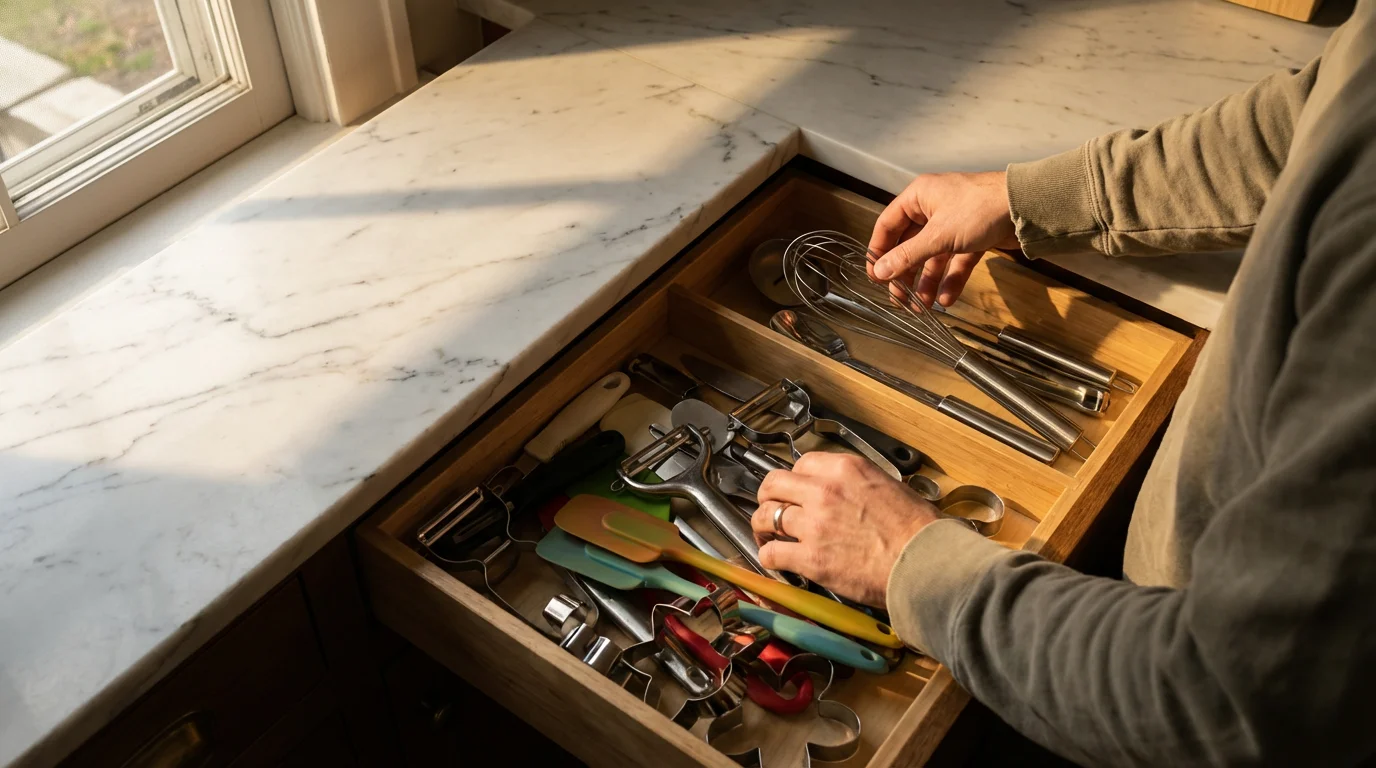
- Utensils and Gadgets: Keep only the tools you use regularly. Do you really need three spatulas or a single-use avocado slicer?
- Dishes and Glassware: Keep enough for your household and occasional guests. Donate excess sets.
- Small Appliances: Assess seldom-used appliances like bread makers or juicers. If you have not used it in a year, consider letting it go.
Bedrooms and Closets
These areas often hold clothing, accessories, and personal items.
- Clothing: Use the “hanger trick”: turn all hangers backward. When you wear an item, turn its hanger forward. After six months or a year, donate anything still on a backward hanger.
- Linens and Towels: Keep only what fits comfortably in your linen closet. Discard worn-out items.
- Nightstands and Dressers: Clear off surfaces. Organize drawers with dividers for small items like socks or undergarments.
Bathrooms
Bathrooms frequently harbor old toiletries and expired medications.
- Medicine Cabinet: Safely dispose of expired medications. Check local guidelines for proper drug disposal.
- Toiletries and Cosmetics: Discard old makeup, nearly empty bottles, and products you do not use. Keep only a reasonable supply.
- Under Sink Storage: Use bins or small drawers to contain cleaning supplies and extra toiletries.
Living Room and Dining Room
These social spaces can collect decorative items, books, and paperwork.
- Bookshelves: Keep favorite books, especially those you reread or reference. Utilize your local library for others.
- Decorative Items: Curate your decor. If you have too many knick-knacks, rotate them seasonally or donate some.
- Paperwork: Create a system for incoming mail and important documents. Shred old bills and statements. The Consumer Financial Protection Bureau offers resources on managing your financial papers, including how long to keep various documents.
Visit the Consumer Financial Protection Bureau for financial management resources.
Garage, Attic, and Basement
These are often the most challenging areas, acting as catch-alls for long-forgotten items.
- Start with Storage Units: If you have an off-site storage unit, tackle it first. You pay monthly fees for items you rarely see. Evaluate if the cost justifies keeping the contents.
- Seasonal Items: Consolidate holiday decorations and seasonal clothing. Use clear, labeled bins for easy identification.
- Tools and Equipment: Keep only functional tools. Discard broken items or those you will not repair.
- Old Furniture and Boxes: If furniture has not been used in years, consider selling or donating it. Open old boxes; many contain items you no longer need.
Work through each room or section methodically. This approach ensures you address every part of your home.
Dealing with Sentimental Items
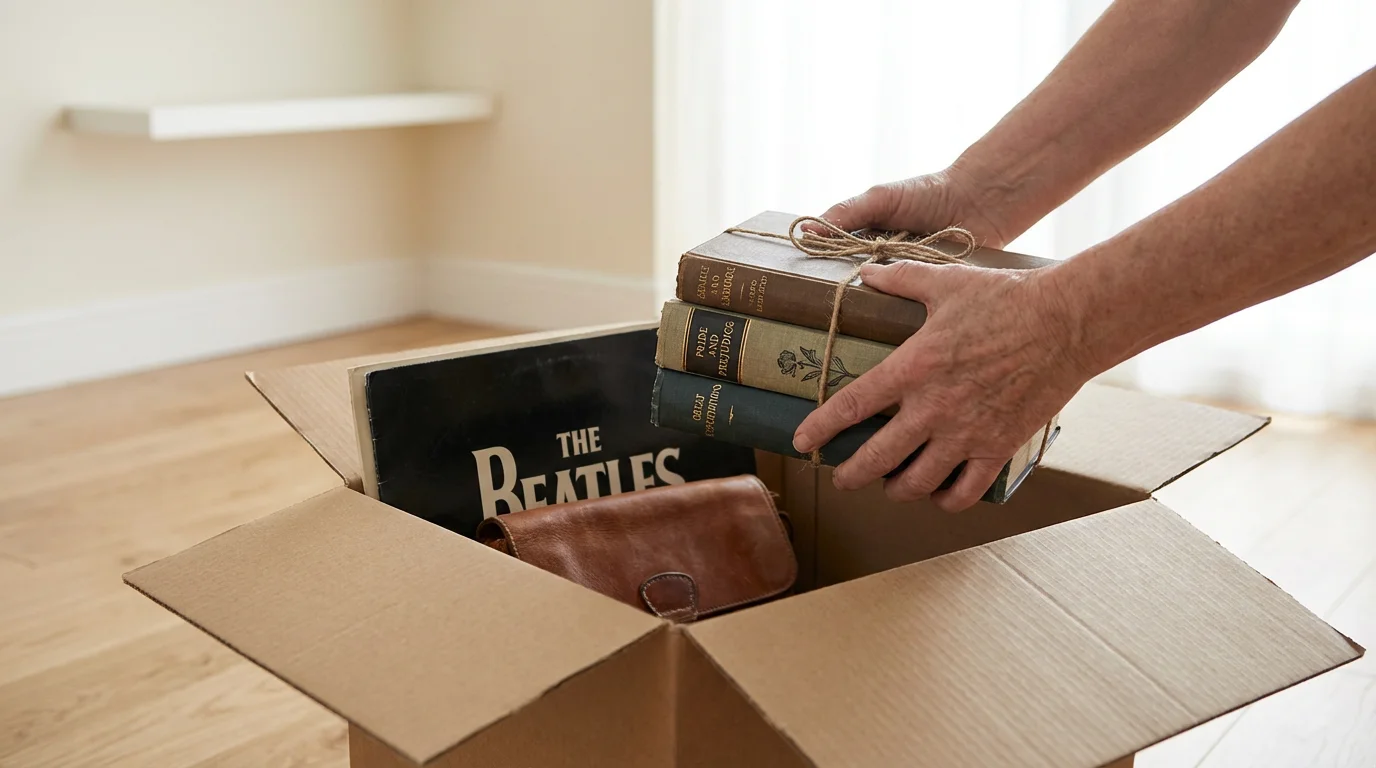
Sentimental items represent memories and connections, making them the hardest to part with. This is where objectivity becomes difficult, but not impossible. You can honor the memories without keeping every physical object.
Consider these strategies for managing sentimental possessions:
- Limit Quantity: Choose a specific number of items, or a designated space, for sentimental belongings. For example, fill one photo album or one keepsake box. This forces selectivity.
- Photograph Them: Take high-quality photos of items you cannot keep. Create a digital album. The memory remains, but the physical item does not take up space.
- Pass Them On: Offer family heirlooms to younger generations who might truly appreciate and use them. Ask family members if they would like specific items.
- Create a “Memory Book”: Instead of a box of random items, create a beautiful scrapbook or journal that combines photos, small mementos, and written memories.
- Tell the Story: Write down the stories associated with certain items. This preserves the history and meaning, regardless of the item’s physical presence.
- Give Yourself Time: You do not need to decide on every sentimental item in one sitting. Set some aside to revisit later, but establish a firm deadline for making a final decision.
Remember, your memories reside within you, not solely in the objects themselves. You can cherish the past while embracing a simpler future.
“Have nothing in your houses that you do not know to be useful, or believe to be beautiful.”
This quote, attributed to William Morris, perfectly captures the spirit of intentional living. Every item in your home should serve a purpose or bring you joy.

What to Do with Your Unwanted Items
Once you have sorted items into “donate,” “sell,” and “discard” piles, the next crucial step is getting them out of your house. Procrastinating here can undo your hard work.
Here are practical options for each category:
Donating and Giving Away
Many organizations welcome donations of gently used items. You give them a second life and often qualify for tax deductions.
- Local Charities: Goodwill, Salvation Army, and Habitat for Humanity ReStore accept a wide range of items, from clothing and furniture to household goods and building materials.
- Veterans Organizations: Some organizations offer pickup services for larger items. Check with local chapters.
- Shelters and Food Banks: Linens, toiletries, and non-perishable food items are always in demand.
- Libraries and Schools: Books and educational materials are often appreciated. Confirm their specific needs first.
- Friends and Family: Offer items directly to loved ones. Be respectful if they decline.
Keep a detailed list of donated items and their estimated values for tax purposes. Consult with a tax professional regarding deductibility.
Selling Items
Selling items can put extra cash in your pocket, especially for higher-value possessions.
- Online Marketplaces: Websites like eBay, Facebook Marketplace, and local online groups are excellent for selling everything from antiques to everyday household items. Take clear photos and provide accurate descriptions.
- Consignment Shops: For clothing, furniture, or specific collectibles, consignment shops sell items on your behalf for a percentage of the sale price.
- Garage Sales/Yard Sales: A classic method, especially for numerous smaller items. Advertise locally and price items attractively.
- Estate Sales: If you have a large volume of valuable items, an estate sale company can manage the entire process, from appraisal to sale. They take a commission but handle all the logistics.
Discarding and Recycling
Some items are simply trash or require special disposal.
- Regular Trash: Bag up typical household waste and place it in your garbage bins.
- Recycling Centers: Separate paper, cardboard, plastics, and glass according to your local recycling guidelines.
- Hazardous Waste: Paint, chemicals, old electronics (e-waste), and batteries require special disposal. Check with your local waste management services for designated drop-off days or facilities. Never pour hazardous waste down drains or put it in regular trash.
For information on various benefits and services, including local resources for waste disposal, you can visit Benefits.gov, which helps you find government benefits you may be eligible for.
Tips for a Successful Downsizing Experience
Decluttering is often a prelude to downsizing. Whether you are moving to a smaller home or simply reducing your living footprint, a successful downsizing experience involves thoughtful planning and execution.
Implement these strategies for a smoother transition:
- Measure Your New Space: Before you move anything, know the exact dimensions of your new home. Measure doorways, hallways, and room sizes. This prevents bringing furniture that will not fit.
- Create a Floor Plan: Draw a scaled floor plan of your new home and plot where your essential furniture will go. Visualize how items will fit.
- Prioritize Essentials: Focus on what you absolutely need for daily living in your new space. Consider renting or borrowing items you might need only occasionally.
- Consider Multi-Functional Furniture: Pieces like ottomans with storage or sofa beds can maximize space in a smaller home.
- Digitalize Documents and Photos: Scan important papers and old photographs. This drastically reduces physical clutter while preserving memories. Store digital copies securely.
- Start Early: Begin decluttering months before a planned move. This reduces stress and allows you to make considered decisions. Last-minute decisions often lead to regret.
- Be Realistic: Understand that you may not be able to keep everything. Embrace the opportunity for a fresh start with less.
- Do Not Buy More: As you declutter, resist the urge to buy new items. Focus on reducing, not replacing.
Downsizing offers an opportunity to create a living space perfectly tailored to your current needs and lifestyle. It is about quality, not quantity.

Maintaining Your Clutter-Free Space
Achieving a decluttered home is a significant accomplishment. The next step is maintaining it to prevent new clutter from accumulating. This requires consistent habits and a mindful approach to what you bring into your home.
Adopt these habits to keep your space clutter-free:
- One In, One Out Rule: For every new item you bring into your home, whether it is a shirt, a book, or a kitchen gadget, commit to getting rid of an old, similar item. This maintains balance.
- Daily Tidy-Up: Dedicate 10-15 minutes each day to putting things back in their proper place. This prevents small messes from snowballing into overwhelming clutter.
- Regular Purges: Schedule mini-decluttering sessions quarterly or biannually. A quick pass through drawers, closets, or the pantry can prevent accumulation.
- Evaluate New Purchases: Before buying something new, ask yourself if you truly need it, where it will live, and if you have something similar already. Resist impulse purchases.
- Control Paperwork: Deal with mail immediately. Sort into “action,” “file,” or “shred/recycle.” Avoid creating piles of unread papers.
- Designate a “Holding Zone”: Have a temporary spot for items that need to be returned, repaired, or taken out of the house. Deal with this zone regularly.
- Involve Your Household: If you live with others, communicate your goals and establish shared expectations for maintaining a tidy home.
By integrating these practices into your routine, you ensure your home remains a sanctuary, rather than a storage unit. You created a simpler living environment, and you can maintain it effectively.
Frequently Asked Questions
How long does it typically take to declutter a whole house?
The time required to declutter a whole house varies greatly based on its size, the amount of accumulated items, and your dedication. For an average home, it can take anywhere from a few weeks to several months, working in consistent, focused sessions. Breaking it down into small, manageable areas helps prevent burnout.
What if I am overwhelmed and do not know where to start?
If you feel overwhelmed, begin with a very small, non-sentimental area. A junk drawer, a single shelf, or your bathroom counter can provide a quick win and build confidence. Consider enlisting the help of a trusted friend, family member, or professional organizer for initial guidance and support. They can help you establish a plan.
How do I deal with family members who want me to keep things?
Open communication is key. Explain your reasons for decluttering and downsizing. Offer specific items to family members, but respect their decision if they decline. Remind them that your goal is to simplify your life and potentially ease their burden later. Ultimately, the decision about what stays in your home rests with you.
Are there professional services that can help with decluttering and downsizing?
Yes, many professionals specialize in decluttering, organizing, and senior move management. These experts can provide hands-on help, emotional support, and practical advice on sorting, selling, donating, and moving. You can find accredited professionals through organizations like the National Association of Productivity & Organizing Professionals (NAPO) or the National Association of Senior & Specialty Move Managers (NASMM).
What is the most common mistake people make when decluttering?
The most common mistake is trying to do too much too soon, leading to burnout and giving up. Another error is creating large “maybe” piles, which often become new clutter zones. Focus on small, consistent progress and make decisive choices for each item you touch. Remove full “donate,” “sell,” or “discard” boxes from your home promptly to see tangible progress.
Disclaimer: This article is for informational purposes only. Benefits, programs, and regulations can change. We encourage readers to verify current information with official government sources and consult with qualified professionals for personalized advice.









Leave a Reply